A Look Back at the Most Influential Mobile Games
5 June 2026
Let’s be honest — mobile games have come a long, long way. What started as a fun way to kill a few minutes while waiting for your coffee has blown up into a booming, billion-dollar industry. We’re talking about games that have shaped the mobile gaming landscape, defined generations of gamers, and even changed how we interact with our phones.
So, what makes a mobile game truly influential? It’s not just eye-popping graphics or clever mechanics; it’s about impact — on gaming trends, on culture, and on how we play. From addictive puzzlers and battle royales to augmented reality epics, here’s a no-nonsense look back at the mobile games that rewrote the rules.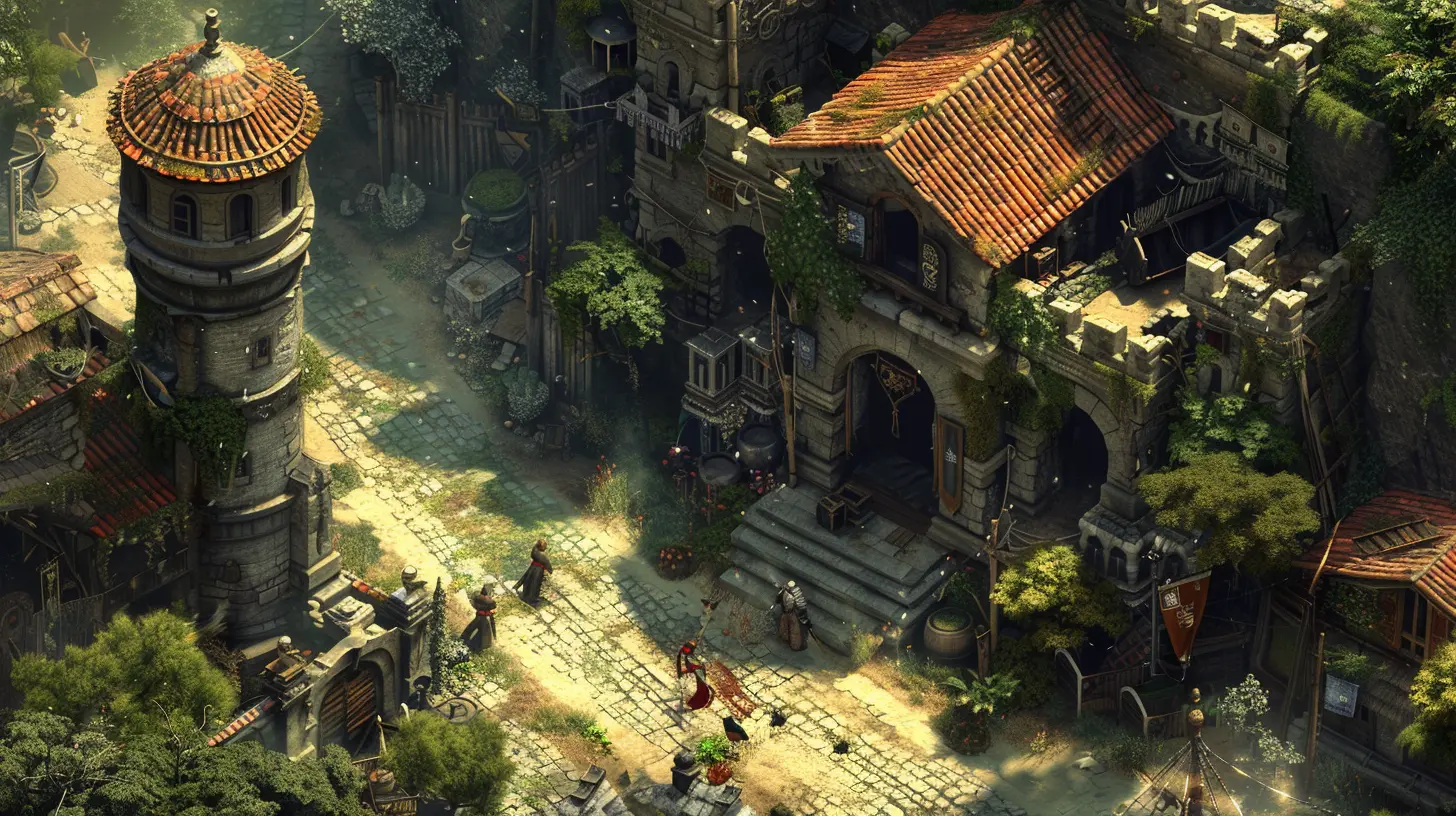
Snake – The Beginning of It All
Let’s rewind to the ‘90s. If you had a Nokia 3310, chances are you were obsessed with one simple game: Snake.Yeah, it was just a pixelated line chasing dots, but wow — it was a game-changer (pun intended). Snake was the first mobile game many of us ever played. No fancy graphics. No real storyline. Just pure, addicting gameplay that turned waiting rooms into arenas of thumb-based skill.
Why it mattered:
Snake made one thing clear — mobile phones weren’t just for calls anymore. It laid the first brick in the foundation of mobile gaming.
Angry Birds – Slingshotting into the Spotlight
Remember flinging birds into pigs and watching wooden structures collapse in oddly satisfying slow-motion? Angry Birds (2009) wasn’t just popular — it went viral before “viral” was even a thing.With its quirky art style, charming characters, and easy-to-learn mechanics, it grabbed millions of players within months. You didn’t need a console, a controller, or even Wi-Fi. Just your finger and a beef with some green pigs.
Why it mattered:
Angry Birds proved that mobile games could become massive pop culture phenomena. It spawned sequels, merch, spin-offs, and even a full-length movie.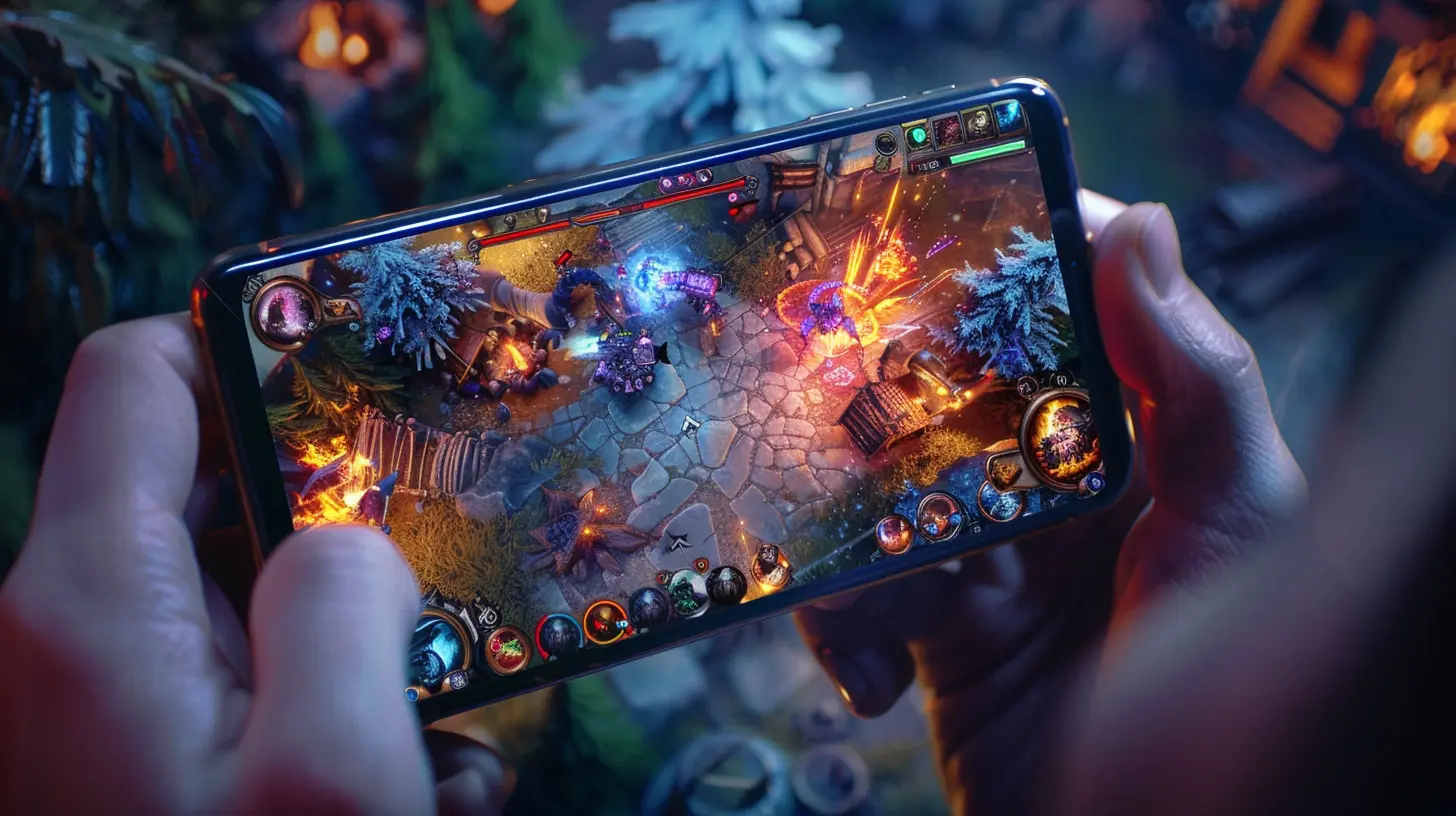
Temple Run – The Endless (Runner) Revolution
Boot up Temple Run (2011), and you’re suddenly sprinting for your life from demonic monkeys. The catch? It never ends. You just keep running… until you wipe out.This was the game that defined the “endless runner” genre for mobile. Quick, tense gameplay and swipe-to-move controls made it perfect for on-the-go gaming.
Why it mattered:
Temple Run showed that you didn’t need to beat a level to have fun — the endless nature kept you coming back just to beat your own score. It also introduced motion-based tilts and swipes as standard controls on mobile.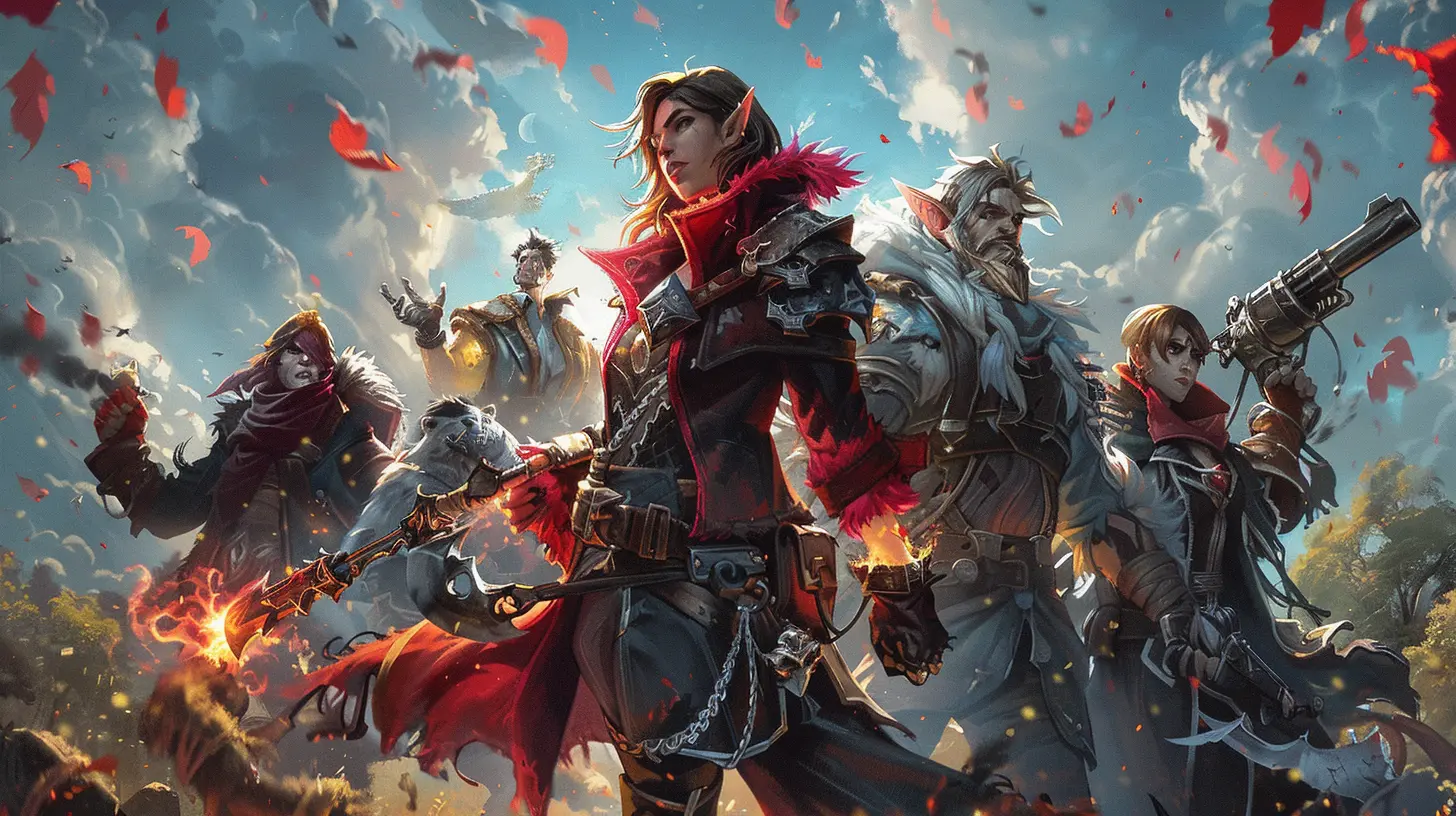
Candy Crush Saga – The Birth of the Casual King
Candy Crush Saga (2012) wasn’t just a game — it was a full-blown addiction. Matching candies never felt so rewarding, especially when that satisfying sugary explosion lit up your screen.It wasn’t just about the gameplay though. Candy Crush invented the “just one more try” model and perfected the freemium system: free to play, but you just might pay for an extra life when you're stuck.
Why it mattered:
It ushered in the era of casual gaming. Anyone could play. Moms, dads, kids, you name it. It proved that the biggest audience for mobile games wasn’t hardcore gamers — it was everyone.
Clash of Clans – Strategy That Sticks
Who knew building a tiny village and raiding your buddy’s base at 3AM would become such a phenomenon? Clash of Clans (2012) struck gold by combining base building, real-time strategy, and social gameplay.With its cartoony characters and guild-based community vibes, it made attacking and defending villages a core part of mobile gaming culture.
Why it mattered:
Clash of Clans hit the sweet spot between depth and simplicity. It also introduced the concept of community-driven gameplay, paving the way for global multiplayer battles in your pocket.
Flappy Bird – The Infuriating Viral Sensation
Ah, Flappy Bird — simple to play, rage-inducing to master.This little side-scroller literally took over the internet overnight in 2013. Tap to fly through pipes. That’s it. But the difficulty? Unforgiving. People got obsessed trying to beat their high scores. It even caused broken phones and public meltdowns.
Why it mattered:
It reminded everyone that a game doesn’t need polish or complexity to go viral. Its sudden removal from app stores only fueled the legend, proving how scarcity plus simplicity can create a storm.
Pokémon Go – Augmented Reality Goes Mainstream
If you ever saw people wandering parks, staring at their phones and shouting “YES! I caught a Charizard!” in 2016, you witnessed the rise of Pokémon Go.This wasn’t just a game. It was an event. It used AR (augmented reality) and GPS to blend the real world with the Pokémon universe — and people went nuts for it. I mean, we had stampedes in Central Park because someone spotted a rare spawn.
Why it mattered:
Pokémon Go proved that mobile games could get people outside, moving, and socializing IRL. It introduced mainstream audiences to AR, completely redefining what a mobile game could be.
PUBG Mobile – Battle Royale on the Go
The release of PUBG Mobile in 2018 brought the battle royale craze to smartphones — and it worked surprisingly well.100 players drop into a map, scavenge for weapons, and fight to be the last one standing. Sound familiar? Yeah, it was already blowing up on PC and consoles, but PUBG Mobile made it accessible to anyone with a decent phone.
Why it mattered:
PUBG Mobile proved that complex, competitive games could run (and thrive) on mobile. It helped legitimize mobile gaming as a serious contender in the eSports world too.
Fortnite Mobile – Console-Quality on a Phone
When Fortnite came to mobile, it wasn’t just a port — it was the exact same game as on consoles. Cross-play with other platforms? Check. Regular updates? Check. Building and shooting mechanics intact? You bet.Why it mattered:
Epic Games set a new bar for cross-platform play and performance. Fortnite Mobile showed that mobile gaming didn’t have to be a watered-down version — it could be part of the big leagues.
Genshin Impact – AAA Gaming on Mobile?
When Genshin Impact dropped in 2020, it flipped everybody’s expectations. Stunning visuals, deep lore, massive open world… on a phone. People couldn’t believe a game that good was free-to-play, let alone optimized for mobile.It was basically “Breath of the Wild” meets anime meets gacha-style mechanics. And it ran smooth as butter on newer devices.
Why it mattered:
Genshin Impact blurred the lines between console and mobile gaming. It proved that AAA-quality experiences weren't just possible on mobile — they could thrive.
Honorable Mentions
There are so many others we could talk about, but here's a quick shoutout to some that also left their mark:- Fruit Ninja – Slicing up fruit never felt this cool.
- Subway Surfers – Another OG endless runner that kept the wheels turning.
- Among Us – Who knew accusing your friends of murder could be so fun?
- Words with Friends – Scrabble got a modern makeover.
- Monument Valley – Proved mobile games could be artistic masterpieces.
What Makes a Mobile Game Influential?
It’s not just downloads or revenue (although those help). Influence goes deeper — it’s about changing the way people think about gaming. Whether it’s through innovation, accessibility, or just plain obsession, the games we’ve talked about all did something different.They weren’t perfect. Some were glitchy, some were controversial, and others just burned out too fast. But they all stirred the pot and left a lasting legacy.
The Future Is in Your Pocket
Today’s mobile games are getting crazier by the minute. We’ve got cloud gaming, AR, high-fidelity graphics, and real-time multiplayer — all on devices small enough to fit in your skinny jeans.Who knows what's next? But one thing’s for sure: mobile gaming isn’t just a sidekick anymore. It’s the main show.
So next time you boot up a game on your phone, take a second to appreciate the wild ride that got us here. From Snake to Genshin, we’ve come a long way — and it’s only getting better.
all images in this post were generated using AI tools
Category:
Game Reviews ArchiveAuthor:

Madeleine McCaffrey
Discussion
rate this article
2 comments
Olive McClendon
It's fascinating to see how mobile games have shaped the industry. Which titles do you think had the biggest impact? I wonder how gaming on the go will continue to evolve in the future... Are there hidden gems we might be missing?
August 1, 2026 at 3:33 AM
Dash Bellamy
Great article! It's fascinating to see how these mobile games have shaped the industry. They truly changed the way we connect and play together.
June 5, 2026 at 4:48 PM
Madeleine McCaffrey
Thank you! I'm glad you enjoyed it. Mobile games have really transformed our gaming experiences and connections.