Are Stealth Games Getting Too Realistic?
25 January 2026
Stealth games have always had a certain charm to them—the thrill of sneaking past guards, the rush of pulling off the perfect silent takedown, and the satisfaction of ghosting through an entire level without being seen. But lately, there’s been a noticeable shift. These games are starting to feel a little... too real. The AI is smarter, the lighting systems are more advanced, and suddenly, you can't even hide in the shadows without accounting for the direction of the light source and sound occlusion. So, let’s ask the big question: Are stealth games getting too realistic? And more importantly—is that a good thing or are we losing the fun factor along the way?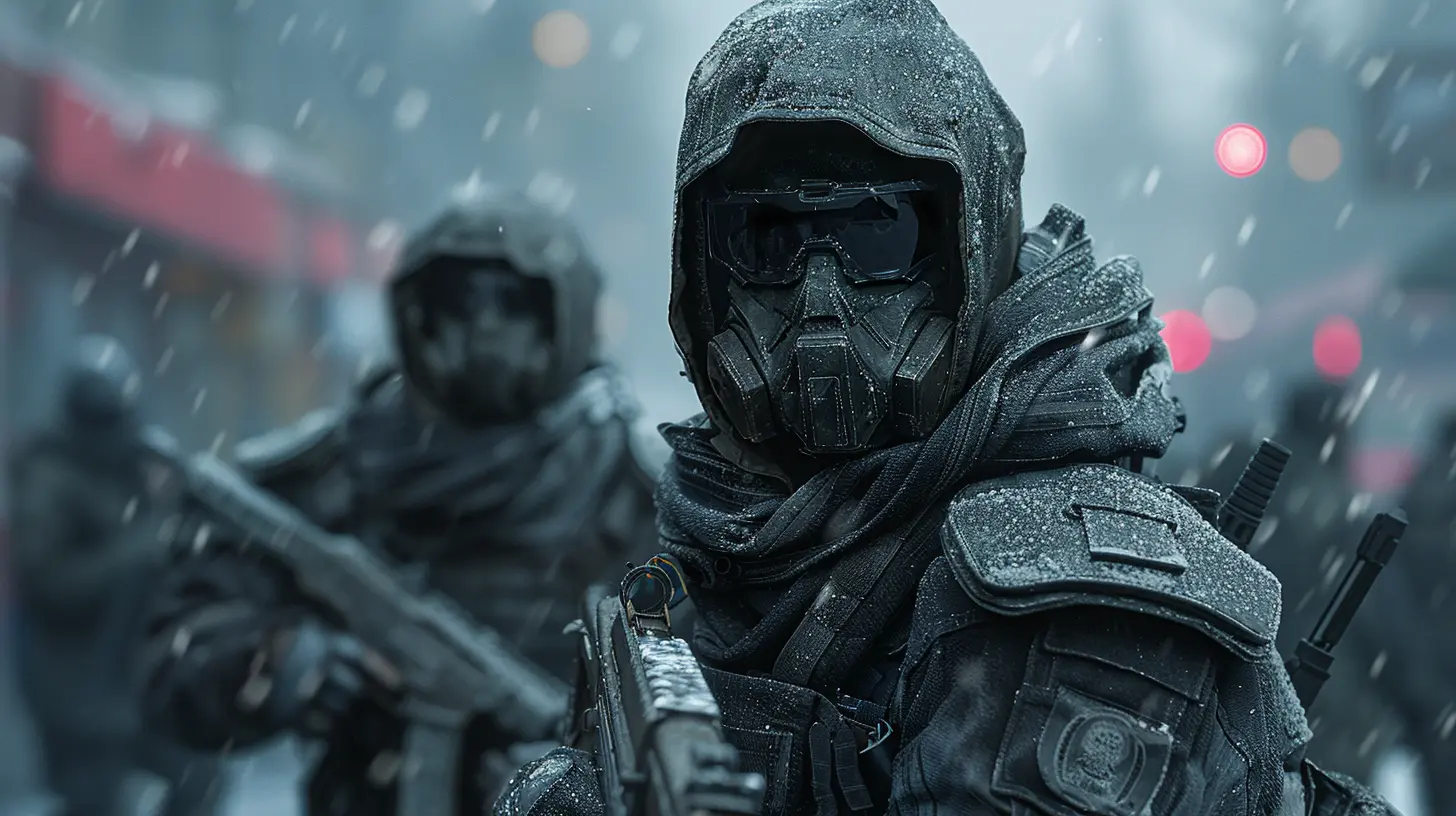
Stealth Gaming: From Pixel Shadows to Photorealistic Precision
To fully grasp where we are today, it helps to look back. The early days of stealth gaming weren't about realism—they were about tension and strategy. Think of the original Metal Gear or Thief: The Dark Project. These games asked you to stay out of sight, sure, but the systems were designed to be understood quickly and manipulated creatively.Games like Splinter Cell and Hitman carried the torch forward. They introduced shadows, light meters, noise levels—but it was all relatively accessible. You knew what worked. Hide in the dark, crouch to stay quiet, and time your movements.
Fast forward to modern stealth experiences and the landscape has changed dramatically. Now, you need to consider how soft cloth rustles in the wind, whether your footsteps echo differently on tile versus carpet, and if a guard might actually notice that a door they just walked past is slightly ajar.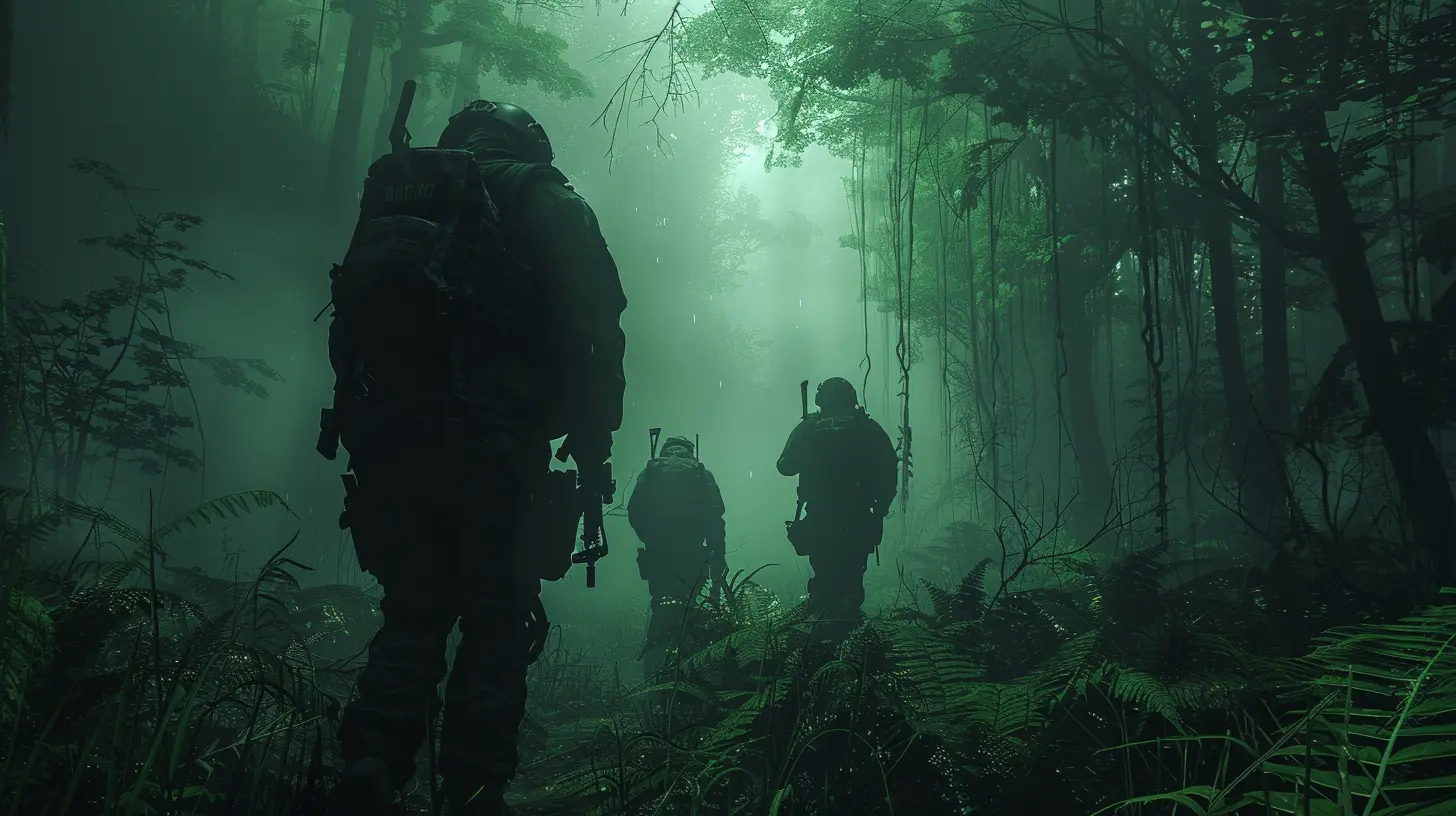
The Rise of Realism: Breaking It Down
So what exactly is getting more “real” in stealth games?1. Smarter AI That Thinks Like People
Older stealth games had guards that walked predictable patterns. Once you figured them out, you were golden. Today? Guards in games like The Last of Us Part II or Hitman 3 use dynamic pathing, communicate with each other, and even investigate suspicious noises realistically.Some AI characters will radio in backup if they spot something off, start sweeping an area in teams, or notice when another guard is missing. You’re no longer beating the system; you’re outwitting something that genuinely adapts.
2. Hyper-Realistic Lighting & Sound Mechanics
Light used to be binary—you’re either in it or you’re not. Now, stealth games use realistic lighting engines that simulate how light bounces off surfaces. Your shadow might give you away even if you're technically in darkness.Sound has evolved too. Games like Arma 3 or Phantom Doctrine take into account environmental acoustics—meaning things like walls or furniture can affect how far a noise travels. That ventilation duct might not be the safe space you thought it was.
3. Environmental Realism and Player Footprint
Remember when hiding a body was just dragging it out of sight? Now you might need to consider blood trails, surveillance cameras, or whether someone might actually use that hallway in the next few minutes. Some games even simulate smell or heat signatures (looking at you, Metal Gear Solid V).All of this means players must think like real-world infiltrators, not just gamers.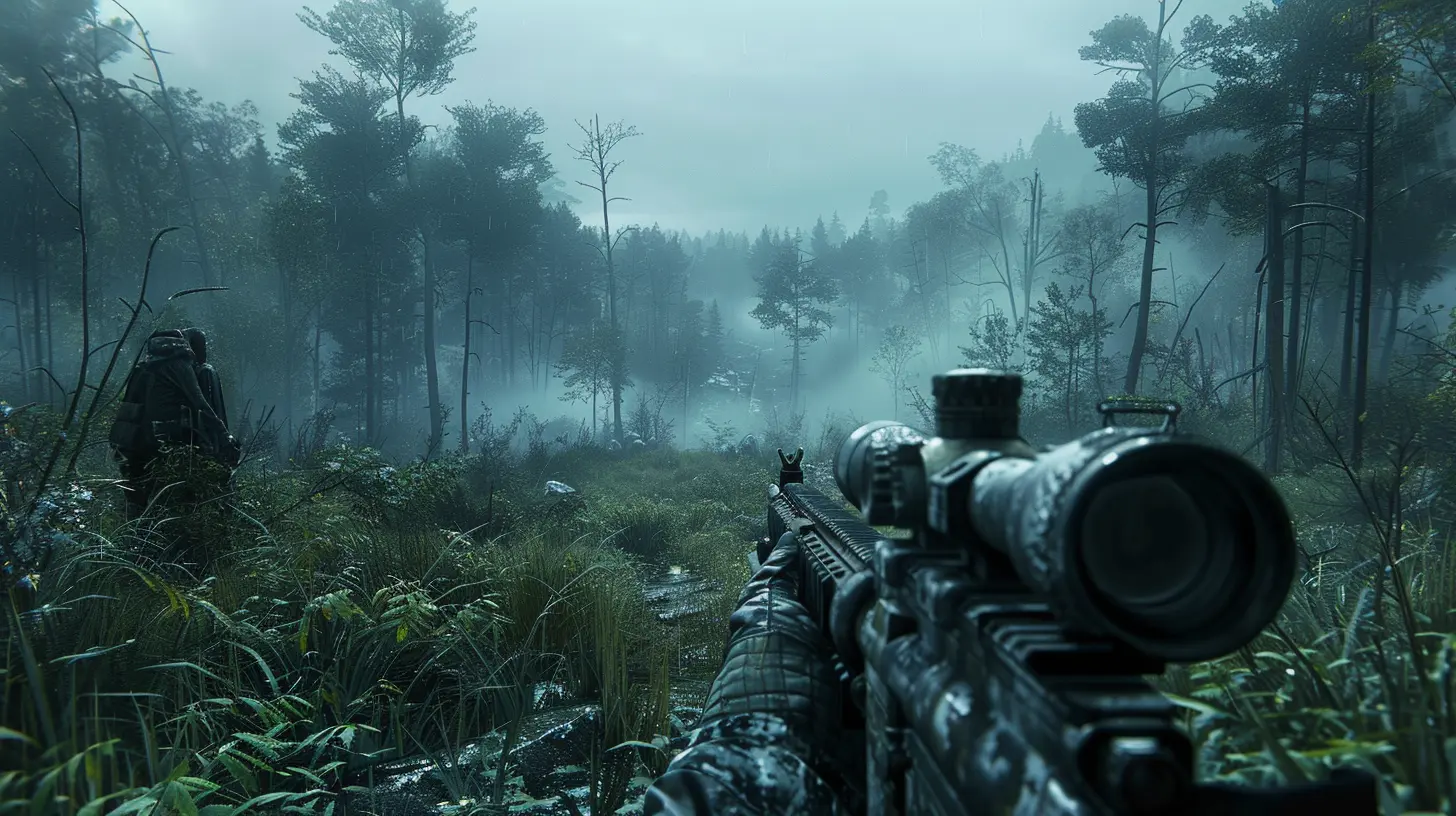
Pros of Realism in Stealth Games
Let’s be real—adding realism brings plenty of cool stuff to the table.Immersion Levels Over 9000
When everything behaves logically, it feels grounded. You’re no longer just playing a game; you’re in the scenario. The world feels alive, and your choices carry more weight. That level of immersion can make the smallest actions feel incredibly meaningful.Greater Challenge for the Hardcore Crowd
For those who love a good challenge, realistic stealth mechanics are a dream come true. It’s no longer about memorizing patrol patterns, but about adapting on the fly and truly mastering the environment. You get rewarded not just for playing, but for thinking.Creative Problem Solving
A more realistic world opens the door to more creative solutions. Want to stage a “accidental” distraction using physics? Or manipulate guards by altering the environment in subtle ways? Go for it. The more realistic the systems, the more playground possibilities you get.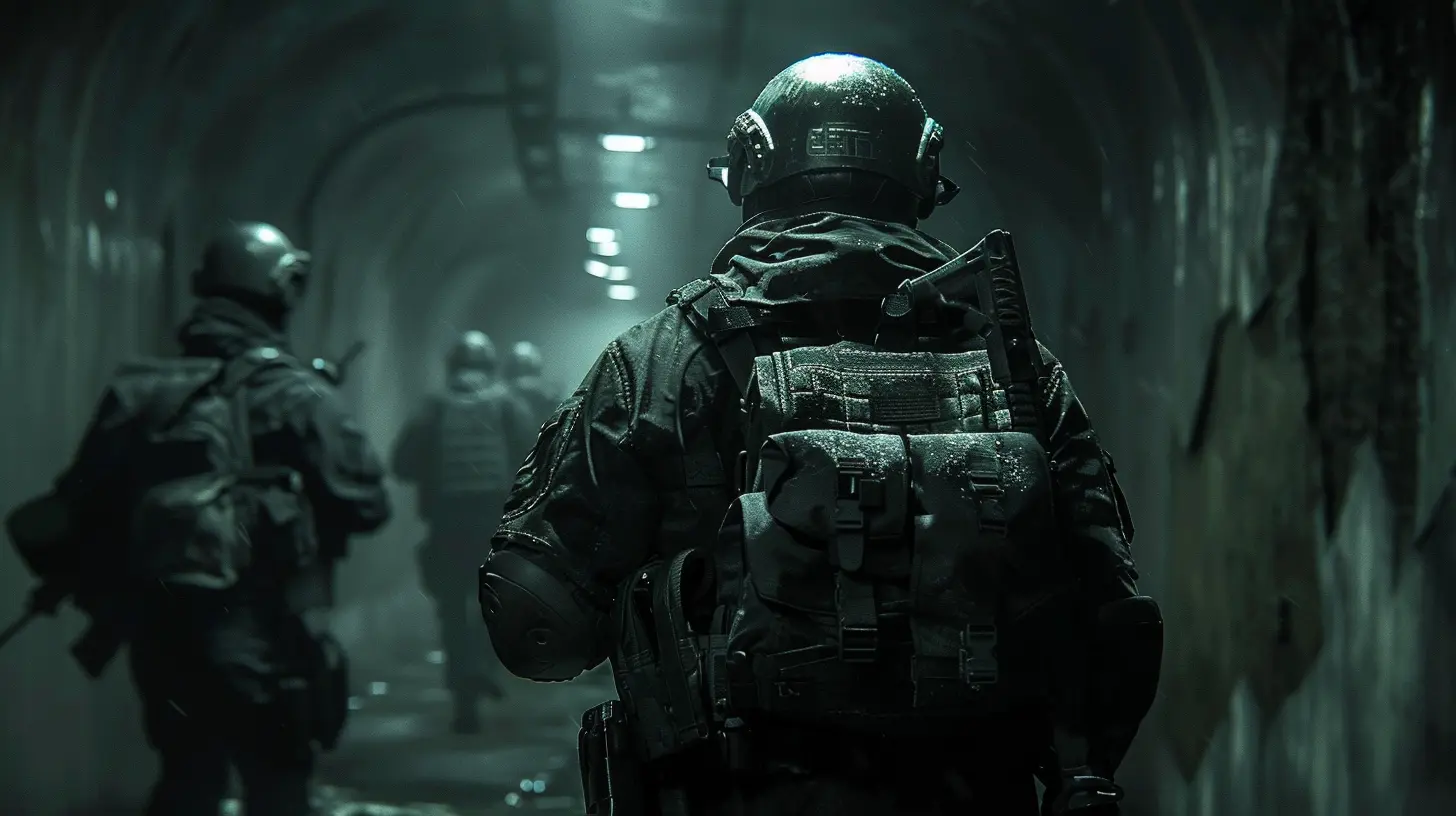
The Drawbacks: Where Realism Starts to Hurt
Now let’s talk about the darker side of this ultra-realistic approach.Too Much Complexity = Less Fun?
Let’s be honest—sometimes you just want to sneak around and feel cool, not run a full risk assessment. When systems get too complex, it can create a huge barrier to entry. You spend more time managing mechanics than enjoying the game.Imagine trying to sneak through a level and having to track wind direction, humidity, and the moon’s position just to stay unseen. Sounds insane? We’re not that far off in some titles. That level of detail might appeal to purists, but for casual gamers, it’s exhausting.
Breaking the Rule of Fun
Game design is often about bending reality for the sake of enjoyment. If everything has to be hyper-realistic, are we losing the stylized fun of stealth? Remember hiding in a cardboard box as Snake? Ridiculous—but iconic.Now replace that with a system that requires blending into the environment dynamically, calculating biometric feedback and AI suspicion levels. It’s technically impressive, but is it fun?
Risk of Alienating Players
Not everyone has the time or patience to learn a complex AI system or understand how every sound wave works in a game. Realism might unintentionally gatekeep the genre, making it less accessible to newcomers or people just looking for a good time.Examples of Realistic Stealth Done Right
It’s not all gloom and doom. Some games strike the perfect balance between realism and fun.Hitman Series (Especially Hitman 3)
Hitman nails that sweet spot—realistic AI, complex systems, but still goofy enough to let you wear a mascot costume while orchestrating a “accidental” piano fall. It’s layered, but not overwhelming.Metal Gear Solid V: The Phantom Pain
This game plays with realism but gives you enough tools and leeway to feel like a stealth god. Yes, guards get smarter and weather affects visibility, but you also have a horse that poops on command. Balanced, baby.The Last of Us Part II
Incredible AI and environmental realism, but the game keeps you tethered emotionally, so even intense stealth moments are rooted in the story. It’s more about vibe than simulation, and it works.So, Are Stealth Games Getting Too Realistic?
Yeah, kinda. And that’s both awesome and problematic.Realism in stealth games is pushing the genre forward in amazing ways. We’re getting smarter enemies, more immersive worlds, and deeper gameplay systems. But the danger is in forgetting that a game is meant to be, well... a game. When the scales tip too far toward simulation, we risk losing the magic—the escapism, the creativity, the fun.
It’s like cooking with too many spices. The meal might be sophisticated, but if it overpowers your taste buds, it ruins the experience. Sometimes, less is more.
What’s the Future of Stealth Gaming?
Looking ahead, here’s what we should hope for:- Balance – Realism where it counts, simplicity where it’s needed.
- Modes or Settings – Let players choose between “hardcore realism” and a more casual, forgiving experience.
- Stylized Art and Mechanics – Not every stealth game has to be grounded in gritty realism. There's space for stylized, creative, even absurd takes on sneaky gameplay.
- Better AI with Believable Limits – Make guards smarter, not psychic. Give them human-like reactions, not robotic, all-seeing eyes.
The best stealth games of tomorrow will be the ones that remember why we love to sneak in the first place—not because it’s realistic, but because it’s thrilling.
Final Thoughts
At their core, stealth games are about tension, cleverness, and the thrill of staying unseen. Realism can absolutely crank up those feelings—but only when used wisely. If developers chase simulation over all else, they risk turning a fun night of digital sneaking into an anxiety-inducing tactical ops sim.So here’s hoping the genre continues to evolve, but never forgets its roots. And hey, sometimes just hiding in a locker and waiting it out is good enough.
all images in this post were generated using AI tools
Category:
Stealth GamesAuthor:

Madeleine McCaffrey
Discussion
rate this article
3 comments
Flint McCaffrey
Great article! I appreciate the discussion on the balance between realism and fun in stealth games. While realism can enhance immersion, I believe gameplay should still prioritize enjoyment and creativity. Excited to see where the genre goes!
April 21, 2026 at 4:01 AM
Madeleine McCaffrey
Thank you for your insightful comment! I completely agree that balancing realism with enjoyment is key to the evolution of stealth games. Exciting times ahead!
Alexa Davis
Great article! It’s fascinating to see how stealth games are evolving. While realism adds depth, I hope developers maintain a balance so we can still enjoy the thrill of sneaking around without necessarily feeling like we’re in a high-stakes situation. Excited for what's next!
January 28, 2026 at 4:50 AM
Madeleine McCaffrey
Thanks for your thoughts! I completely agree-finding that balance is key to keeping the thrill alive. Excited to see where the genre goes too!
Maribel Rodriguez
Stealth games are becoming increasingly realistic, which enhances immersion but may sacrifice fun. Finding the right balance is crucial for player enjoyment.
January 25, 2026 at 6:06 PM
Madeleine McCaffrey
I agree that realism in stealth games can heighten immersion but may risk diminishing fun. Striking the right balance is essential to ensure players remain engaged while enjoying the experience.