Are Stealth Games the Ultimate Test of Strategy?
21 January 2026
Let’s face it — gaming today is a playground of fast-paced shooters, chaotic battle royales, and over-the-top action. But amidst all the bullets and explosions, there's a slower, more calculated beast quietly lurking in the shadows: stealth games. Now, you’re probably thinking, “Aren’t those the ones where you just crouch around and avoid being seen?” Well, yeah… but also, no. There’s a lot more going on beneath the surface.
So let’s peel back the curtain and ask the big question: Are stealth games the ultimate test of strategy?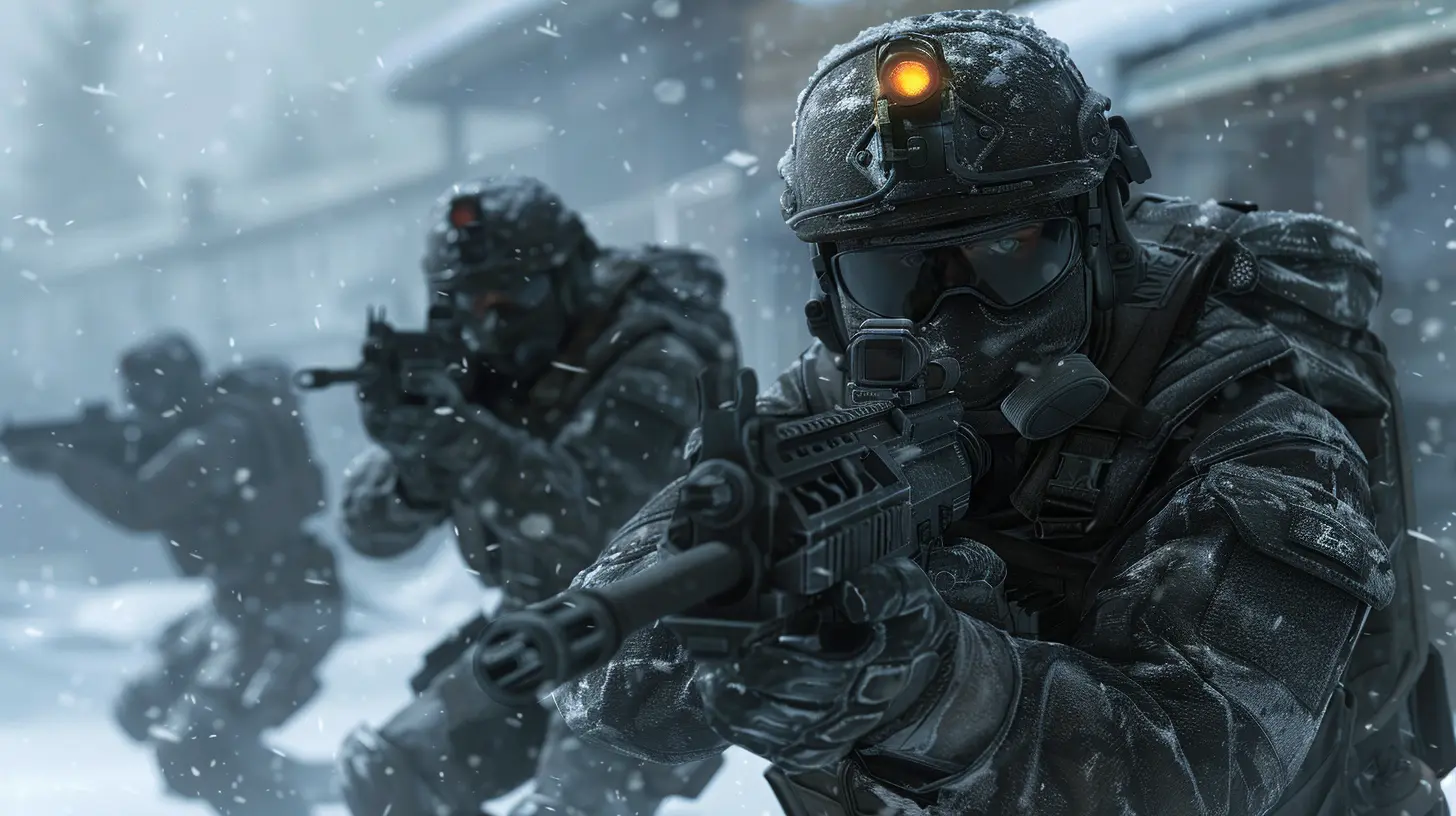
The Heart of Stealth: It’s Not Just About Hiding
Before we dive too deep, let’s talk about what makes a stealth game tick. Sure, the obvious goal is staying hidden, avoiding detection, and completing objectives without causing a ruckus. But that’s just the tip of the iceberg. True stealth gameplay is about planning, anticipation, and adaptation. It’s like playing chess in real-time, only the pieces talk, patrol around, and blast alarms if you misstep.Think about titles like Metal Gear Solid, Hitman, Splinter Cell, and Dishonored. These aren’t just about sneaking around. They’re about mastering systems, reading environments, and making tough decisions under pressure. Sound like strategy to you yet?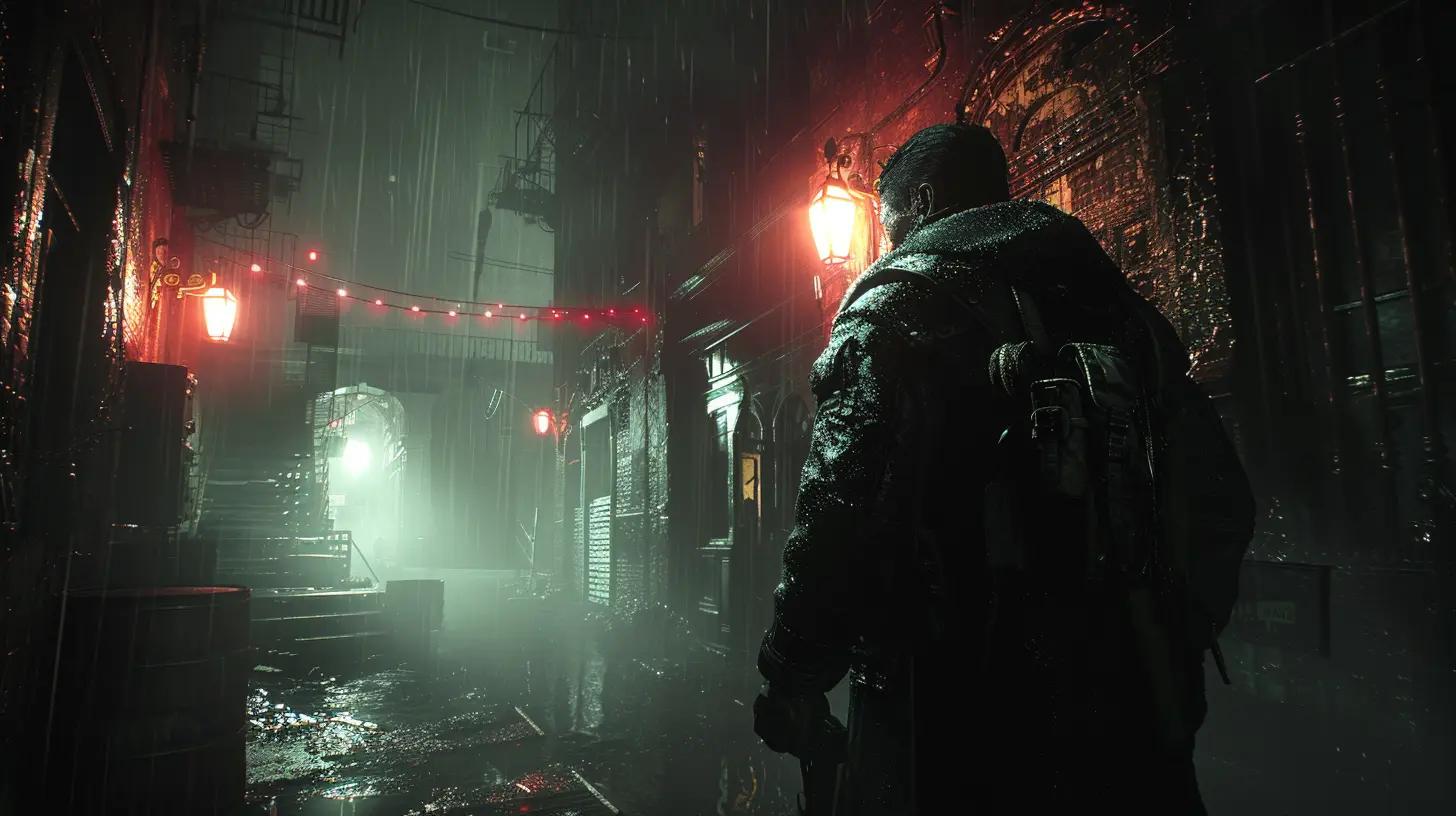
Stealth Games Demand Patience and Precision
Let’s be honest—stealth games don’t hold your hand. They force you to slow down, observe, and think. You can’t just Leroy Jenkins your way through a mission because one wrong move usually means alarms sound, guards swarm, and your perfect plan crumbles like a house of cards.And that’s where strategy thrives.
You’re constantly juggling multiple things: guard patterns, noise levels, light sources, timing, and pathfinding. You’re asked to survey an area like a tactician. Do you take out a guard or sneak by? Should you try to cause a distraction and lure your enemy away, or silently climb the rafters?
Every choice you make has consequences. That’s not just gameplay—that's pure strategy.
Comparing Stealth with Other Game Genres
Now let’s talk comparison. Sure, RTS games like StarCraft or turn-based titles like XCOM are obvious go-to examples when we think of strategy. They’ve got resource management, unit positions, turn orders, and so on.But stealth games? They take those same tactical instincts and apply them in real-time within dynamic, immersive environments. You’re not just clicking units—you are the unit. You become the phantom in the shadows, and that changes everything.
In an RTS, you read the map. In a stealth game, you read the room—literally. You study where windows are, where enemies are gazing, and how the environment can become your ally or your doom. The level of awareness stealth games demand is unmatched.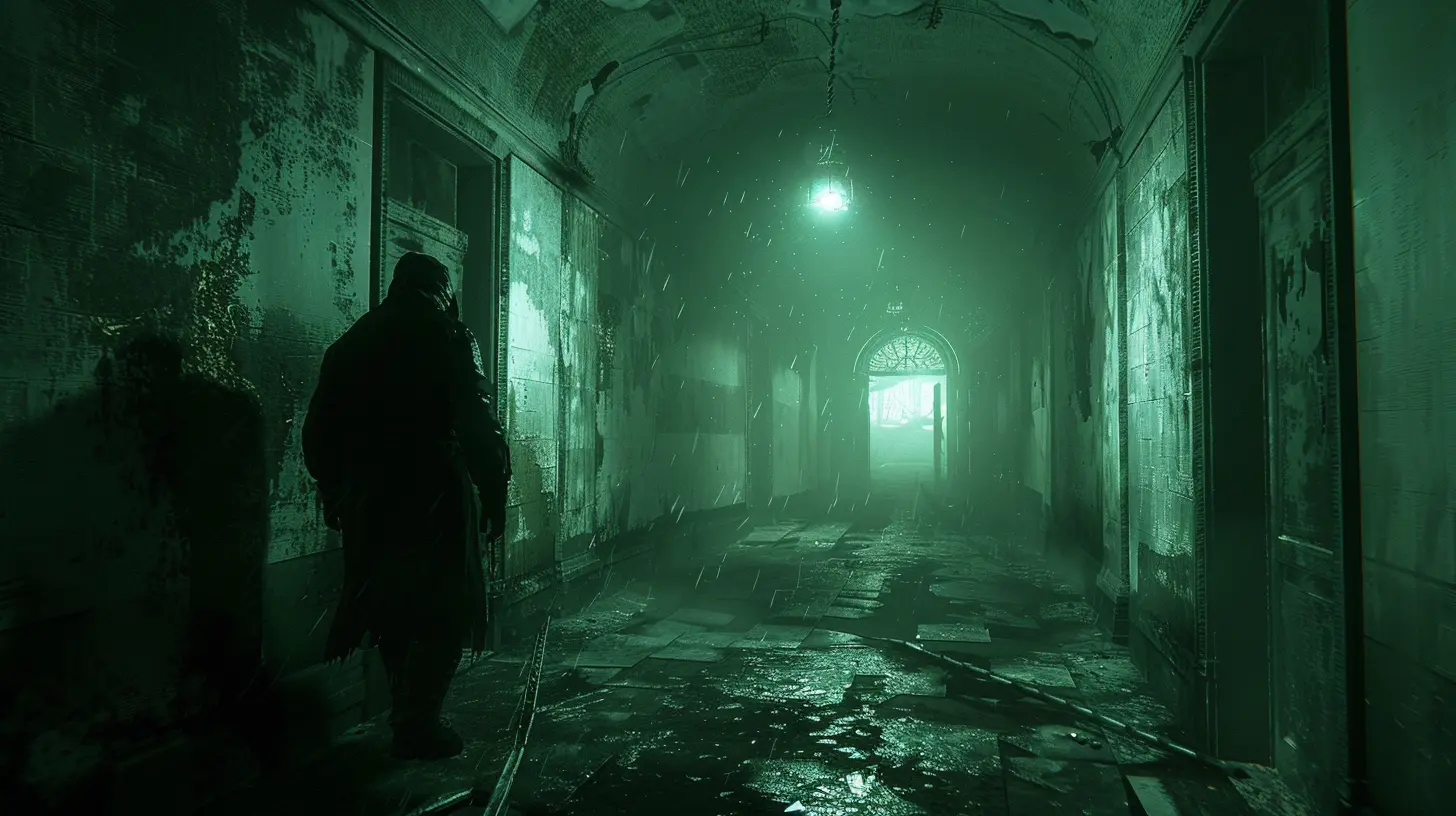
Stealth Players Think Differently
Let me ask you something: Have you ever watched someone play a stealth game for the first time? They usually either move too fast or panic when seen. That’s because stealth gaming requires a different kind of mindset. It’s not about rushing, it’s about reading the flow and being in complete control.Strategic thinking in stealth isn’t just about having a plan—it’s about having ten backup plans. You need to anticipate what happens if a guard turns around, or if a camera points your way. You’re always thinking three steps ahead, like a grandmaster plotting their next few moves.
This mental gymnastics? That’s the soul of strategy.
The Thrill of the Perfect Execution
Okay, let’s talk about satisfaction. There’s something incredibly rewarding about pulling off the perfect stealth run. No alarms, no deaths, and no traces you were even there. It’s like cleaning up after yourself so well that even Sherlock Holmes would be stumped.And hitting that perfect execution? It's not luck. It’s the result of strategy layered on strategy—it’s studying patrols, waiting for the right moment, and executing precise movements. You feel like a puppet master orchestrating a silent symphony.
That high you get from “ghosting” a mission? Oh yeah, that’s strategy paying off big time.
Adaptive Thinking is the Name of the Game
One of the coolest things about stealth games is how often plans go sideways. You peek around a corner just a second too late and—bam!—you’re spotted. But instead of restarting the level, you adapt. Maybe you duck behind a box, throw a bottle to cause a distraction, or vanish into a vent.This ability to respond in real time to changing circumstances, while maintaining control of the situation, is nothing short of mental warfare. It requires you to shift gears, re-evaluate, and still pull off your objective without losing focus.
To me, this kind of adaptive thinking is one of the highest forms of strategic gameplay. It’s improvisation with discipline.
Punishment and Progression: Learning Through Failure
Here's the truth: stealth games are brutal. They’re not here to coddle you. If you get caught, you’ll feel the sting. But that’s not punishment—it’s a lesson. Every failed attempt teaches you something new. Maybe that guard walks a wider path than you expected, or maybe sound carries farther in that hallway than you thought.And every time you learn, you get a bit better. Eventually, those once-impossible missions become perfectly choreographed runs. That growth, that sharpening of your decision-making over time? That’s the essence of strategy—trial, error, and evolution.
No pain, no gain, right?
Let's Talk Multiplayer - Can Stealth Strategy Hold Up?
Sure, most stealth games are single-player experiences. But when stealth elements mingle with multiplayer, things get real spicy. Games like Assassin’s Creed Brotherhood, Warzone’s stealth kills, or spy-vs-spy modes in games like Spies vs. Mercs from Splinter Cell: Chaos Theory require you to outwit another thinking human being.And here’s where stealth strategy shines. You’re not just avoiding detection—you’re manipulating behavior. You’re predicting what another player will do, laying traps, disguising your movements… it’s like a psychological game of hide and seek, and the stakes are high.
The strategy involved here transcends basic mechanics—it enters the mind game territory. And that ain’t easy.
Immersion and Realism Add to the Strategic Depth
Let’s not overlook one big reason why stealth games feel so strategic: immersion.These games often have a sense of realism that makes your decisions feel weighty. Lighting mechanics, realistic sound travel, line-of-sight logic—all of it works together to make things feel believable. And when the game world feels real, your strategies feel real. You're not just playing a game—you’re infiltrating a fortress, saving a diplomat, or escaping an enemy compound.
That heightened sense of reality makes your strategic decisions feel grounded and believable. And when your tactics pay off? You don’t just win—you survive.
The Psychological Edge: Outsmarting, Not Outgunning
Fast shooters might test your reflexes, but stealth games test your mind. That’s the key difference. You don’t win because you moved faster—you win because you thought smarter. You fooled them. You used their patterns, their systems, even their trust against them. And that’s a psychological power trip that few other genres offer.Let’s be real—there’s something so satisfying about being the unseen force behind enemy lines. It’s like being the magician pulling off the impossible, or the ninja disappearing without a trace. That mental edge is what strategy is all about.
Are Stealth Games the Hardest Strategy Games?
That depends on how you define “hard.” If you measure difficulty by how often you fail, how deeply you plan, and how much you have to learn from your environment—then stealth games are right up there. Many players find stealth more challenging than open combat because it requires far more thought, patience, and control.Let’s not forget: in many stealth games, you're often underpowered. You don’t have a bazooka or a tank. You’ve got a dart gun, a distraction device, and your wits. But that’s the beauty of it—strategy becomes your greatest weapon. You win not because you're stronger, but because you're smarter.
The Final Verdict: Strategy in its Purest Form?
So, are stealth games the ultimate test of strategy?In a word: yes.
They're not about brute force. They’re about finesse, planning, and adaptability. They challenge players to operate under pressure, to read complex environments, and to think like a tactician. From the shadows, strategy is king.
Whether you're silently navigating a guarded mansion, orchestrating the perfect hit in a crowded plaza, or ghosting through a dystopian city—stealth games elevate strategy to an art form. They reward brains over brawn, patience over panic, and precision over power.
And for those reasons, stealth games stand as one of the purest expressions of strategic gameplay in the modern video game world.
So… Ready to Test Your Strategy?
If you’ve ever found yourself frustrated by overly linear shooters or tired of brainless button-mashing, maybe it’s time. Step into the shadows. Embrace the silence. And give stealth games a shot.Trust me, they may just be the smartest games you’ll ever play.
all images in this post were generated using AI tools
Category:
Stealth GamesAuthor:

Madeleine McCaffrey
Discussion
rate this article
3 comments
Gavin Gonzalez
Absolutely! Stealth games brilliantly combine strategy and skill, challenging players to think critically and adapt on the fly. They push us to embrace creativity and patience, proving that sometimes the most rewarding victories come from silent cunning rather than brute force. Let’s celebrate the art of stealth!
April 14, 2026 at 3:36 AM
Madeleine McCaffrey
Absolutely! Stealth games truly showcase the importance of strategy and adaptability, making each victory a testament to creativity and patience. Let's celebrate their unique challenge!
Garrett McNulty
Stealth games indeed challenge players’ strategic thinking, requiring patience, creativity, and adaptability. They push us to weigh risks and rewards carefully, making each decision impactful. It's a unique blend of tension and tactical brilliance that keeps us engaged.
January 27, 2026 at 5:02 AM
Madeleine McCaffrey
Absolutely! Stealth games truly demand strategic depth, as players must navigate risks and rewards while staying engaged in their tactical choices.
Erin McBride
Stealth games: where tiptoeing and plotting triumph over chaos—because who needs a loud entrance anyway?
January 21, 2026 at 4:23 AM
Madeleine McCaffrey
Absolutely! Stealth games challenge players to think critically and plan meticulously, proving that strategy often outshines brute force.