Battle Pass Controversies and What We Can Learn
2 February 2026
If you’ve ever dived into online gaming in the past few years, you’ve definitely stumbled upon the infamous Battle Pass. You know, that season-based system with shiny cosmetics, XP grinds, and the promise of rewards that seem just out of reach. When the Battle Pass was first introduced, it felt like a breath of fresh air compared to aggressive microtransactions and loot boxes. But over time, things got complicated. Now, it’s kind of like that one friend who was chill at first but slowly started borrowing your stuff and never returning it.
There’s no denying that Battle Passes have flipped the gaming industry on its head—but not without stirring up some controversy along the way. So, what went wrong? And more importantly, what can all of us (gamers, developers, and publishers alike) learn from this madness?
Let’s dig in.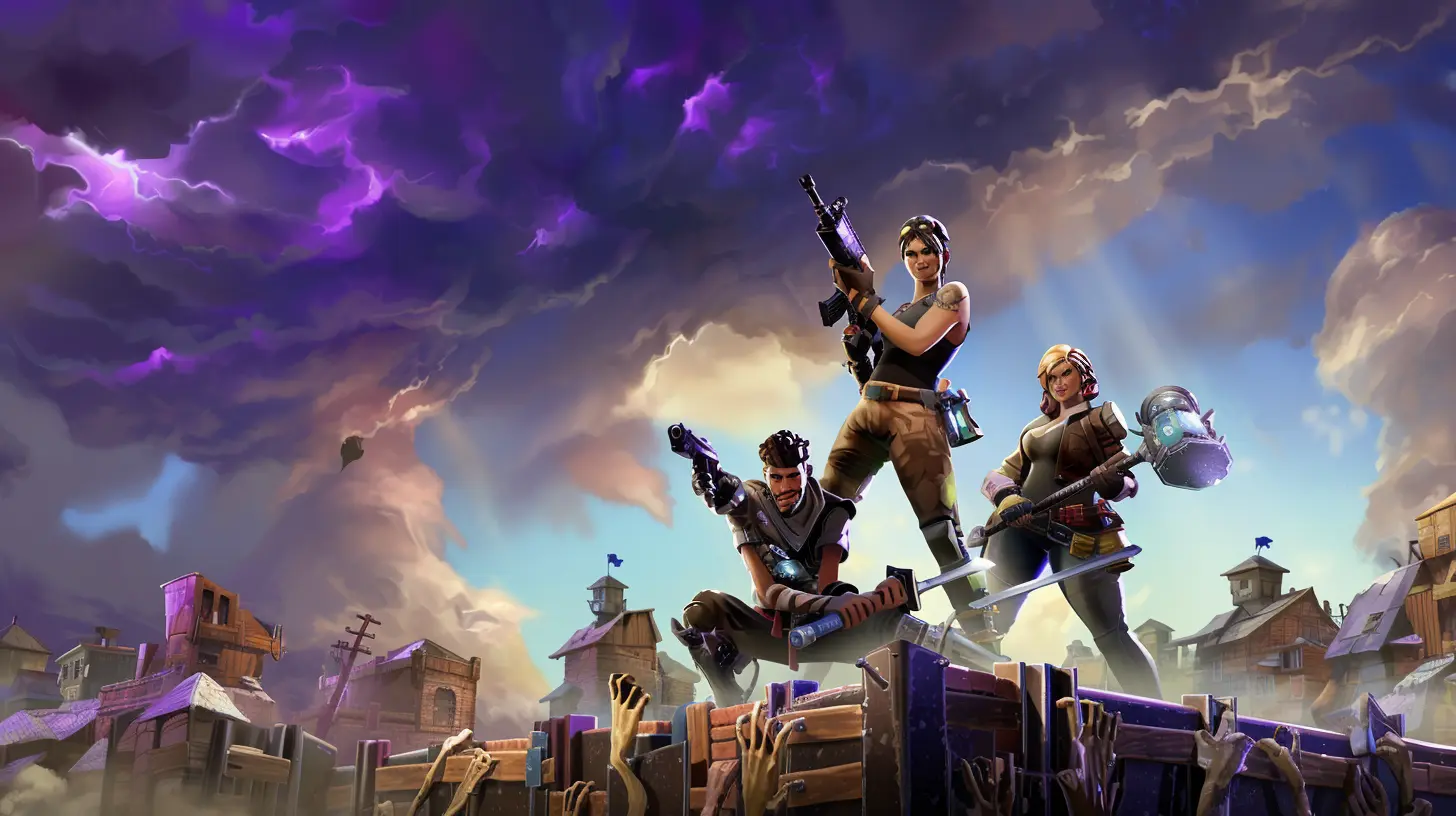
🎯 What Is a Battle Pass Anyway?
Before we start pointing fingers, let’s get on the same page.A Battle Pass is basically a tiered reward system, often tied to gameplay progression. Players either earn or purchase a pass that unlocks a series of rewards—cosmetics, in-game currency, sometimes even characters—by playing the game during a limited season. There’s usually a “free track” and a “premium track,” the latter requiring a real-money purchase.
Sounds harmless, right? Well, in theory, yes. But you’ve probably guessed by now—it hasn’t always ended well.
💥 The Rise of the Battle Pass (And Why It Took Off)
Let’s give credit where credit’s due. The idea behind Battle Passes was actually genius… at first.It all started with games like _Dota 2_ and _Fortnite_. Epic Games, in particular, nailed it. Their take on the Battle Pass felt fair, fun, and optional. You paid once, and if you played enough, you could earn enough currency to pay for the next one. It was like gaming’s version of a season ticket—put in the time, get rewarded.
And players loved it! Unlike loot boxes (which were basically slot machines), the Battle Pass offered transparency. You saw what you were working towards and how to get there. It was skill and commitment over luck.
But then came the gold rush.
🌀 The Dark Side of Battle Passes
Once devs realized how much cash Battle Passes could rake in, things took a turn. What started as a player-friendly system began morphing into something… exhausting.1. FOMO Overload
Ever felt like you’re being forced to play a game even when you’re not in the mood? That’s Battle Pass-induced FOMO (Fear of Missing Out). Most passes are time-limited—miss a season, and you might never get that cool skin again.It’s like being pressured into attending every single party just because you don’t want to miss out on the inside jokes.
2. Grind Culture Gone Wild
Battle Passes started introducing grind-heavy mechanics that practically transformed gaming into a second job. "Play 100 hours this week for this skin"—uh, sorry, but some of us have actual jobs, you know?Developers began designing passes that couldn’t realistically be completed unless you committed a serious chunk of your life. In short, you either grind like a maniac or pay for progression.
3. Value vs. Worth Dilemma
Let’s be real. Not all Battle Passes are created equal. Some offer serious bang for your buck. Others? They hoard the good stuff behind the paywall and throw lame rewards on the free track like “here’s a new emblem you’ll never use.”This imbalance between value and price sends the wrong message: "Pay to enjoy, or don’t bother."
💸 The Monetization Mindset
Let’s talk about money. At the end of the day, Battle Passes are a way to monetize games. Especially for free-to-play titles, they keep the lights on. But there’s a thin line between fair monetization and nickeling-and-diming your audience.Some companies have gone overboard by mixing Battle Passes with other monetization tools—microtransactions, premium currencies, even pay-to-skip mechanics. Suddenly, what felt like a fun unlock system turns into a labyrinth of purchases and pressures.
It’s like buying a gym membership where you also have to pay for every dumbbell.
🤯 Multiple Passes, Multiple Headaches
Ever heard of “pass fatigue”? With every game trying to cash in, many players now juggle multiple Battle Passes across different games. It’s overwhelming.Imagine trying to max out the Battle Pass in _Call of Duty_, _Apex Legends_, _Overwatch 2_, and maybe even _Halo Infinite_—all within their limited windows. That's not gaming anymore; that's a full-blown time management crisis.
You’re not grinding for fun; you’re hustling to not fall behind.
🔁 Repetitiveness and Burnout
Here's the kicker: Battle Passes can make games feel repetitive. When every match becomes a means to an end (completing challenges, hitting XP goals), the actual fun of playing gets lost.Players start to treat games like chores. You’re no longer logging in to relax after a long day—you’re clocking in for another shift.
Is this really what gaming is supposed to be about?
✅ Good Examples: When Battle Passes Actually Work
To be fair, not all Battle Passes are evil. Some devs truly get it right.- Fortnite still nails it by offering enough value, player freedom, and engaging content.
- Halo Infinite let players keep old Battle Passes and switch between them. More games should do this!
- Apex Legends offers decent cosmetics and doesn’t aggressively push people to pay-to-skip.
These games find a balance between fun and monetization. That’s the sweet spot every title should aim for.
🧠 What We Can Learn from All This
So, what does all this teach us? A lot, actually. Not just about games, but about digital experiences, player psychology, and business ethics.1. Transparency Matters
Players aren’t asking for freebies—they’re asking for honesty. Clear value, fair systems, and visible rewards make a huge difference.2. Time Is Valuable
Not everyone has hours to pour into a game every week. Battle Passes need to respect player time and offer flexible completion paths.3. Avoid Predatory Pressure
Design shouldn’t rely on FOMO, burnout, or psychological manipulation. Keep things enjoyable, optional, and rewarding—not anxiety-inducing.4. Feedback Is Gold
Want to know how your Battle Pass is doing? Ask your players. Read the forums. Watch the YouTube breakdowns. Gamers aren't shy—they’ll tell you everything you're doing wrong (and what you can fix).5. Quality Over Quantity
Rather than cramming 100 mediocre unlocks into a pass, why not 30 awesome ones? Make each tier feel worth it—not like filler.🛠️ The Way Forward: Evolving the Battle Pass
Battle Passes aren’t going anywhere—they’re too profitable and, when done right, they actually add value. But the system needs to evolve.Here’s what developers can do:
- Offer evergreen Battle Passes: Let players complete past seasons at their pace.
- Scale difficulty to time investment: Make passes achievable for both casual and hardcore players.
- Provide alternate progress paths: Allow different playstyles and game modes to contribute toward progress.
- Mix in community events: Social and cooperative goals can alleviate solo grinds and build community.
🙋♂️ What Can Players Do?
You’ve got more power than you think. Your voice (and your wallet) matters.- Call out exploitative systems.
- Support games with fair practices.
- Give feedback and leave reviews.
- Don’t feel pressured to buy or grind—gaming should be fun, not mandatory.
🎮 Final Thoughts
Battle Passes started as a promising alternative to random loot boxes, giving players control over their rewards. But somewhere along the way, the system got hijacked by FOMO, grind mechanics, and profit greed.Still, it’s not all doom and gloom. With the right approach, Battle Passes can be fair, exciting, and fun. The key is listening—to players, trends, and the evolving nature of digital entertainment.
Let’s keep the conversation going and make the games we love better, one pass at a time.
all images in this post were generated using AI tools
Category:
Battle PassesAuthor:

Madeleine McCaffrey
Discussion
rate this article
3 comments
Gabriella Stone
Great read! Battle passes can spark debate, but they also push us to think critically about gaming trends. As players, we have the power to shape the future of these systems. Let's keep the conversation going and advocate for fair practices that enhance our gaming experience.
April 30, 2026 at 5:13 PM
Madeleine McCaffrey
Thanks for your thoughts! It's important to discuss how battle passes impact our gaming experience. Let's continue to advocate for better practices together.
Jamie Wright
Ah yes, let’s dive deep into how spending more money makes us better gamers. Groundbreaking stuff!
February 6, 2026 at 5:55 PM
Madeleine McCaffrey
Thanks for your perspective! The intent is to explore how monetization impacts gaming experiences, not just spending. Your thoughts are valuable!
Paris McKinney
Complexity overshadows player enjoyment.
February 6, 2026 at 5:13 AM
Madeleine McCaffrey
That's a valid point! Balancing complexity with enjoyment is crucial for player engagement in battle passes.