Building Tension: The Role of Music in Stealth Games
20 December 2025
When it comes to stealth games, we all know the adrenaline rush of sneaking past a guard, hiding in plain sight, or holding your breath as footsteps echo nearby. But have you ever stopped to think about what really amplifies that tension? Yep, you guessed it—music. Or, more precisely, the soundscape that stealth games use to keep your nerves on edge.
Let’s dive deep into how music works behind the scenes (and sometimes right in your face) to build suspense, create atmosphere, and make stealth games unforgettable.
Why Music Matters in Stealth Games
Think of stealth games as interactive thrillers. You’re not just playing; you’re surviving. And without the right music, that tension falls flat.Music isn’t just there for decoration—it’s a storyteller. It warns you, motivates you, rewards you, and sometimes even lies to you. It’s one of the few tools developers have to speak directly to your subconscious. It’s like the soundtrack in your head, but someone else is controlling it. Creepy? Maybe. Effective? Absolutely.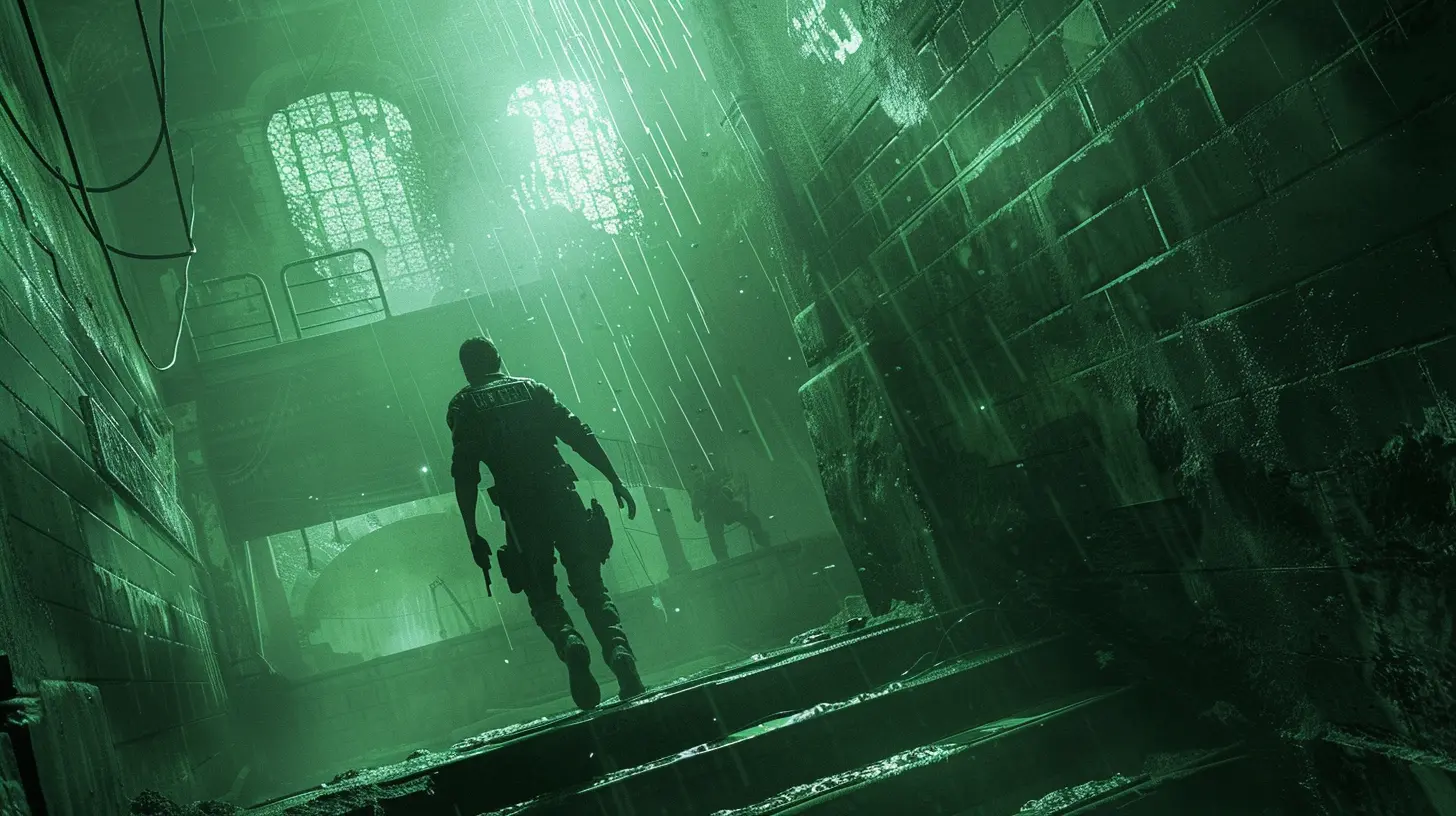
The Psychology of Musical Tension
To understand how music stirs up those "oh crap" moments in stealth games, we’ve gotta get into a little brain science.1. Dissonance and Unpredictability
Dissonance—those jarring, clashing notes—instantly put us on edge. Our brains crave harmony, so when something sounds "off," we interpret it as a threat. Think of how horror movies use screechy violins to make your skin crawl. Stealth games do the same, but with a twist—they often layer it in slowly, making it feel like danger is slowly creeping up on you.2. Tempo and Pacing
Ever notice how music speeds up when you’re spotted? That’s no accident. A faster tempo makes your heart race, mimicking the physical signs of stress. Slower tempos, on the other hand, can drag out suspense, making you feel like you're tiptoeing on a tightrope.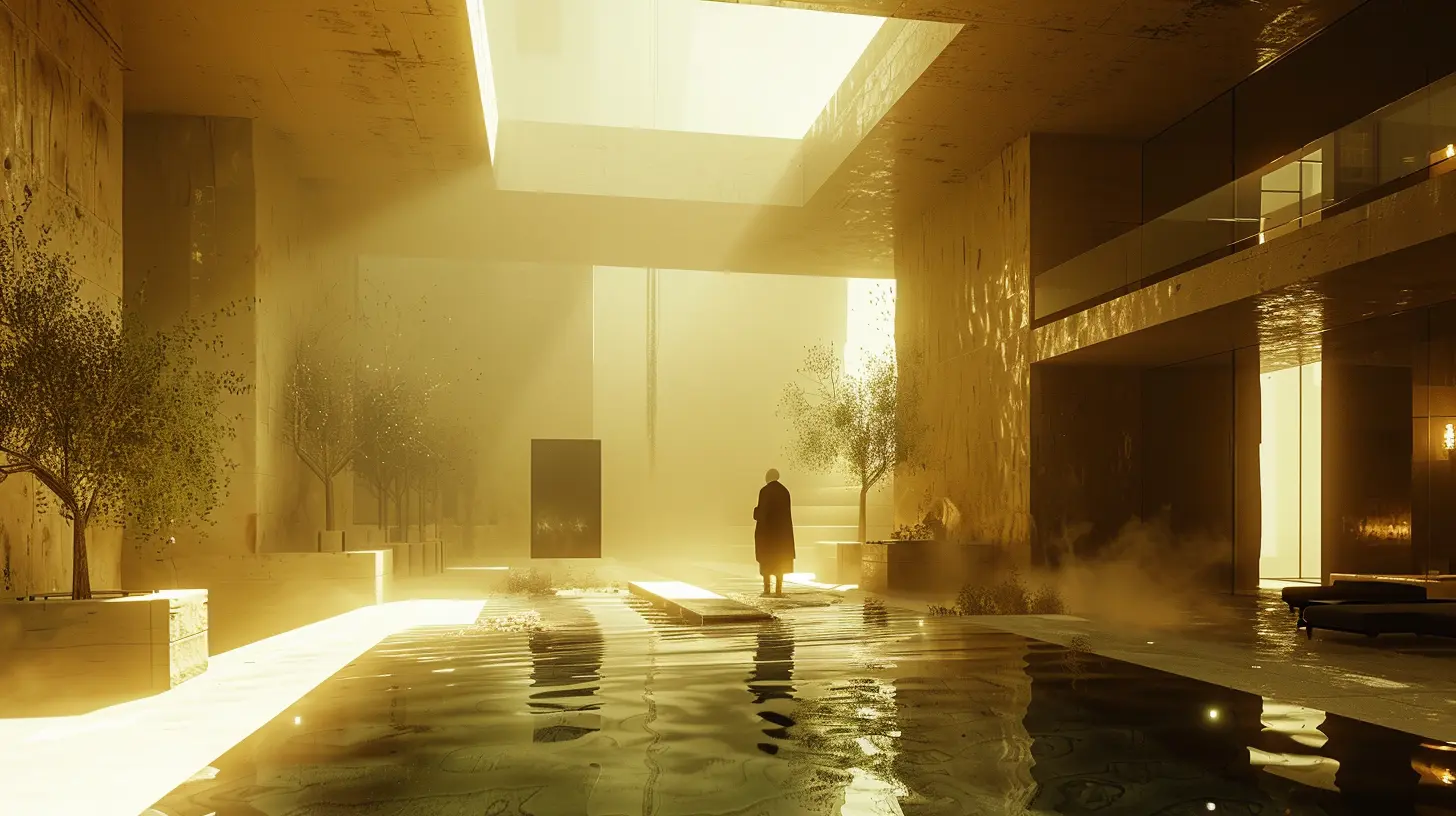
Dynamic Music Systems: More Than Just Background Noise
Let’s get something straight—stealth games aren't using a static soundtrack. Nope. They’re using dynamic music systems that change based on what you’re doing.1. Adaptive Soundtracks
This is where things get really cool. In games like Hitman, Metal Gear Solid, or Splinter Cell, the music shifts based on whether you’re sneaking, hiding, or being chased. It's like the game is reading the room and adjusting the vibe in real time.One second you’re basking in eerie silence, and the next, the music ramps up as enemies grow suspicious. Get spotted? Boom—full-on musical chaos. Lose them again, and the tension slowly deflates. It’s a rollercoaster—and the score is your seatbelt.
2. Layered Composition
Many stealth games use layers of sound that fade in and out depending on the stealth state. You might have a base ambient track playing, with additional musical layers for detection, pursuit, or successful takedowns. It’s seamless, and honestly, you barely notice it unless you’re really paying attention—but your brain feels it.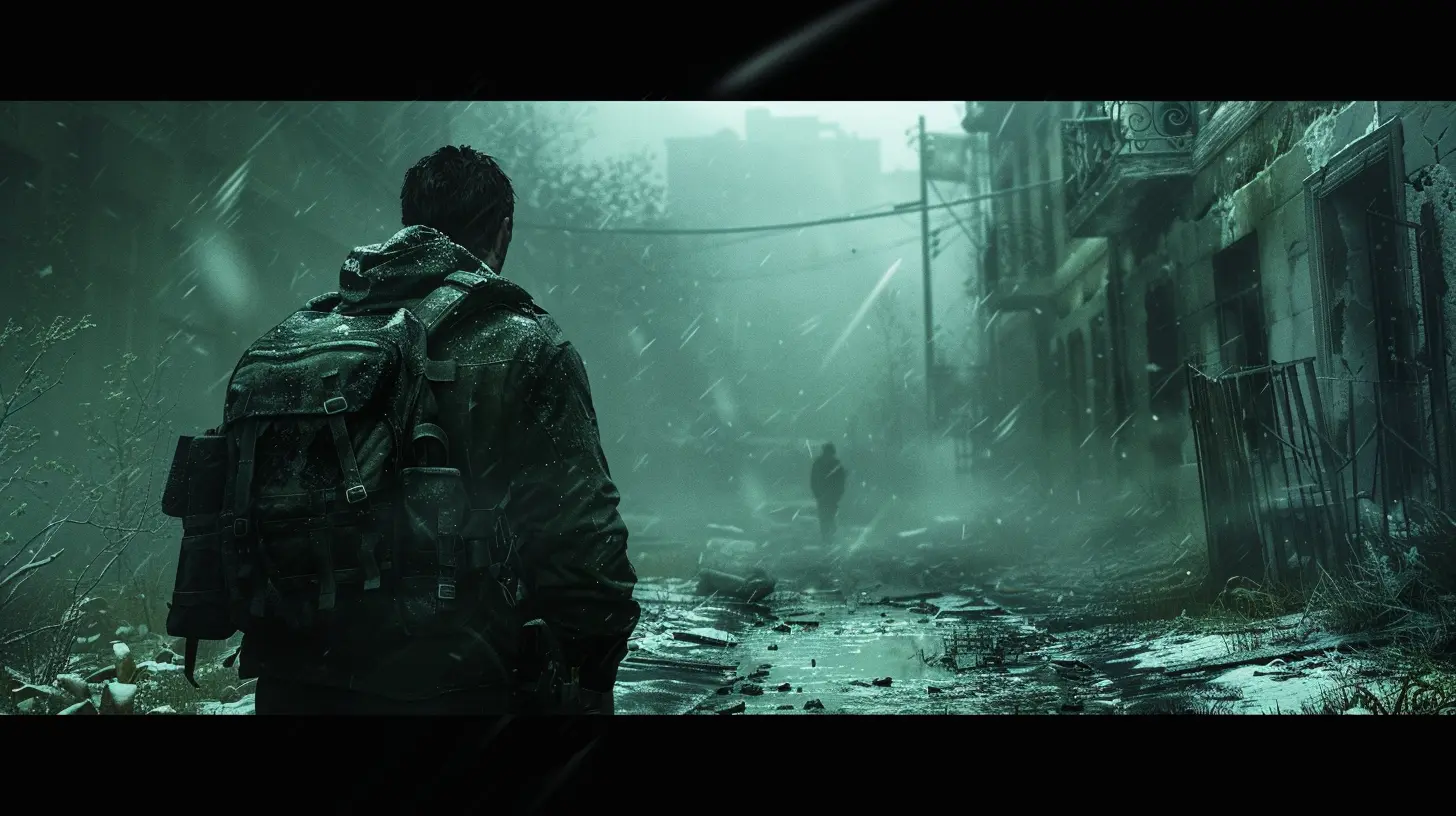
Iconic Examples of Music in Stealth Games
Let’s look at a few stealth titles that absolutely nailed the use of music to build tension.1. Metal Gear Solid Series
You can’t talk about stealth and not bring up Metal Gear Solid. The alert music here is legendary. The moment guards spot you and that exclamation mark pops up—bam! The music explodes. Your heartbeat syncs up with the beat. It’s go-time.And when the danger fades, the music doesn’t just stop—it gradually returns to the haunting ambiance that makes you feel like you’re never truly safe. Perfectly unsettling.
2. Splinter Cell: Chaos Theory
Michael McCann’s soundtrack for Chaos Theory is a masterclass in minimalism and mood. It’s moody, brooding, and atmospheric, with slow-building tension that mirrors your careful infiltration. Then—once you’re caught—the music ramps up with percussive intensity, signaling danger without a single line of dialogue.It feels like the game is whispering, “You better run.”
3. Dishonored
Arkane Studios took a slightly different approach. Dishonored uses music to underscore the eerie, plague-ridden world of Dunwall. The stealth music is subtle, almost ghostly. It doesn’t scream danger—it murmurs it. You’re constantly second-guessing your safety, which is exactly the point.Music and Player Feedback
Here’s where things get juicy. Music in stealth games isn’t just mood-setting—it’s a feedback system.Say you’re sneaking through a corridor. The music gets tense. You know you’re close to danger. Maybe you don’t see the guard yet, but the sound tells you he’s near. That’s musical foreshadowing.
Or maybe you take down an enemy silently, and there’s a subtle musical cue acknowledging your success. It’s almost like the game’s patting you on the back. That's player feedback through audio, and it's way more intuitive than looking at a minimap or health bar.
The Power of Silence
You know what’s even more powerful than intense music sometimes? Pure, eerie silence.Stealth games use silence in a way most genres don’t. Silence isn’t just the absence of sound—it’s a sound in itself. It makes you focus. It raises the stakes. When music stops, it sends a signal: pay attention, something is about to happen.
The absence of music can be louder than any explosion. It’s the calm before the storm... or the calm before someone shouts “Intruder!” and all hell breaks loose.
How Indie Games Are Pushing the Boundaries
Don’t sleep on indie stealth games—some of them are doing amazing things with music on a shoestring budget.Mark of the Ninja
Klei Entertainment’s Mark of the Ninja is a side-scrolling stealth game that uses adaptive music brilliantly. As you move through shadows and light, the soundtrack subtly morphs, giving you real-time feedback on how visible or hidden you are. No need for flashy UI indicators when the music tells you all you need to know.Aragami
Aragami blends traditional Japanese instruments with a stealth-driven score that reacts to player behavior. Run into a combat situation? The music swells. Ghost through undetected? The ambient score keeps you grounded, focused. It’s a fusion of style and function that nails the stealth vibe.What We Can Learn From Film Scores
Video game composers often take cues from film music, especially in stealth-heavy thrillers like The Bourne Identity, Blade Runner, or Tinker Tailor Soldier Spy.1. Leitmotifs
Some games use musical themes (leitmotifs) to represent specific characters or factions. When you hear a certain theme kick in, you know who’s coming. It’s a neat trick borrowed from cinema, and when timed right, it can make the hair on your arms stand up.2. Non-linear Narrative, Linear Sound
Games aren’t linear like movies, but their music often has to feel like it is. Composers solve this by writing modular pieces that can be rearranged or dynamically modified based on what the player does. It’s like building a mixtape that changes depending on your mood—or in this case, your choices.Future of Music in Stealth Games
We’re already seeing AI-driven music systems in games like Hellblade, where audio responds emotionally to the player’s stress levels. Now imagine stealth games that can read your heart rate and adjust the music accordingly. Freaky? Yeah. But absolutely immersive.As gaming tech evolves, so will the way we experience music. Spatial audio, VR, and reactive soundtracks could one day make us feel like we’re literally inside a thriller, with music whispering in our ears, "Don’t get caught."
Conclusion
So next time you're deep into a stealth mission, crouching in the shadows and listening to the swell of ominous strings or the pulse of a synthetic beat, remember: that music isn’t just background noise. It’s your invisible companion, your sixth sense, your tension-building narrator.Stealth games without music? That’s like horror games without jump scares or racing games without the roar of the engine. Music is the lifeblood of tension in stealth games, and it’s what keeps us hooked, heartbeat racing, ears perked, and always just one move away from being seen.
all images in this post were generated using AI tools
Category:
Stealth GamesAuthor:

Madeleine McCaffrey
Discussion
rate this article
3 comments
Daniel McClure
Great article! The way music enhances the stealth experience is captivating. It truly adds a layer of immersion that heightens the tension.
April 4, 2026 at 3:16 PM
Madeleine McCaffrey
Thank you! I'm glad you enjoyed the article and appreciated how music enhances the immersion in stealth games.
Aelith Schultz
Who knew stealth games had a secret weapon? 🎶 Music sets the mood, heightens the thrill, and makes hiding from pixelated monsters feel like a symphony of suspense!
December 22, 2025 at 4:46 AM
Madeleine McCaffrey
Thank you! Music truly elevates the experience, enhancing both tension and immersion in stealth gameplay. Glad you enjoyed the article! 🎶
Mariana Matthews
This article adeptly highlights how music in stealth games enhances immersion and tension. By manipulating tempo and dynamics, composers create an auditory landscape that reinforces gameplay mechanics, making every silent step feel charged with suspense and anticipation.
December 21, 2025 at 4:32 PM
Madeleine McCaffrey
Thank you for your insightful comment! I'm glad you found the article's exploration of music's role in enhancing immersion and tension in stealth games to be compelling.