Collecting Legendary Items: A Guide for RPG Enthusiasts
7 January 2026
If you're an RPG enthusiast like me, you know there's nothing more satisfying than finding that elusive, game-changing legendary item. Whether it's a flaming sword that sets your enemies ablaze, a mythical staff that channels untapped magical power, or the rare set of armor that gleams like a beacon of your hero's triumph, legendary items are the ultimate loot. But tracking them down? That’s the real challenge.
In this guide, we’ll break down everything you need to know about collecting legendary items in your favorite role-playing games (RPGs). From understanding their importance, to tips on finding, farming, and making smart use of them, you’ll soon be ready to embark on your own legendary journey.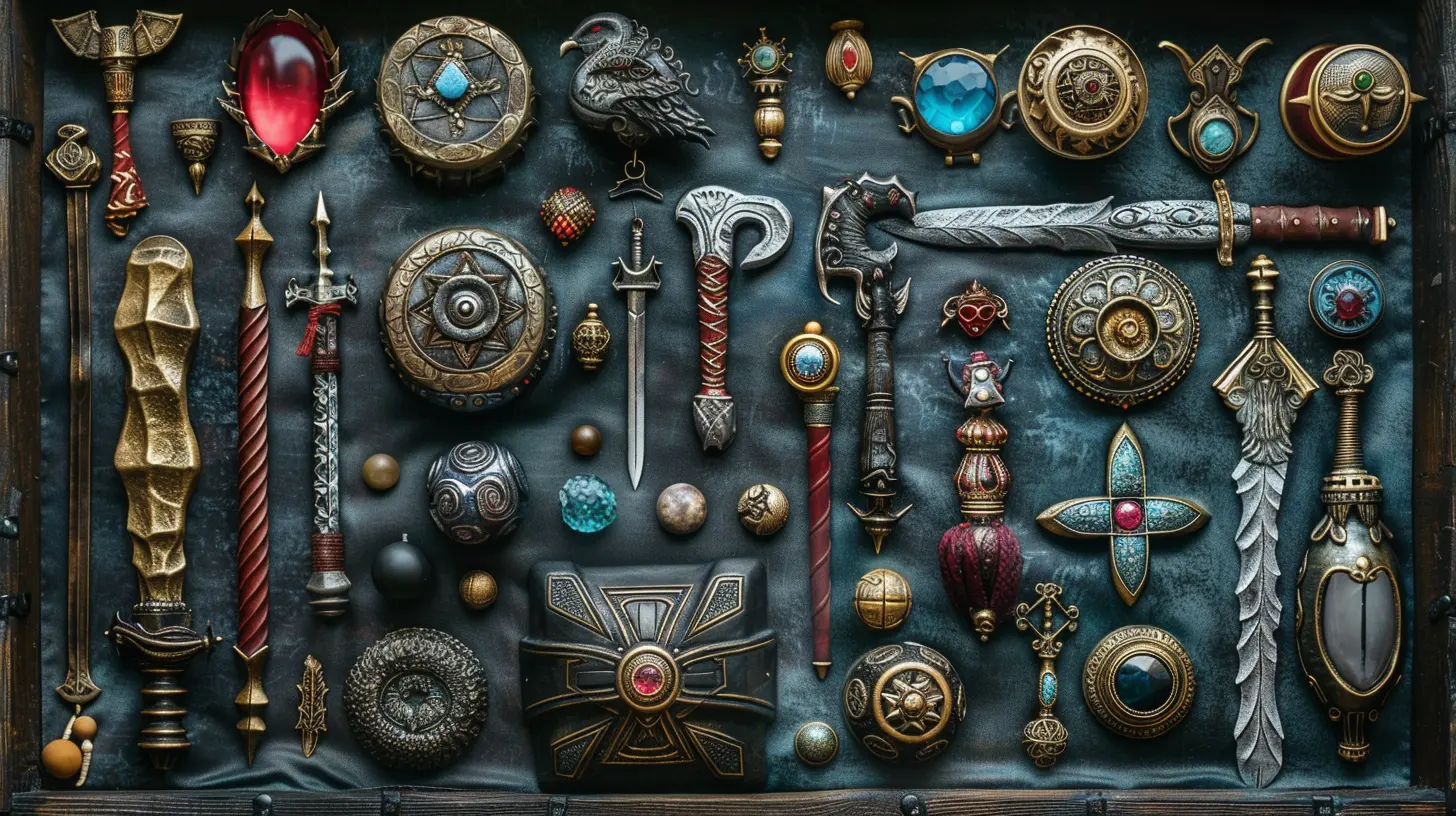
What Makes Legendary Items So Special?
First, let’s talk about the allure of legendary items. In most RPGs, legendary items are a cut above the rest. They’re not just powerful tools; they’re badges of honor. They often come with unique abilities, buffs, or stats that can define how you approach the game.Imagine this: You're facing a seemingly invincible boss. With a regular sword, you might barely scratch them. But with the "Blade of Eternal Flames," you’re dealing burning damage over time AND hitting with massive critical strikes. That’s the kind of impact legendary items can have.
Plus, let’s be honest—there’s a certain prestige tied to owning one. Whether you’re flexing on your friends in multiplayer or simply admiring your inventory in single-player, wielding a legendary weapon feels like wearing a crown.
Types of Legendary Items in RPGs
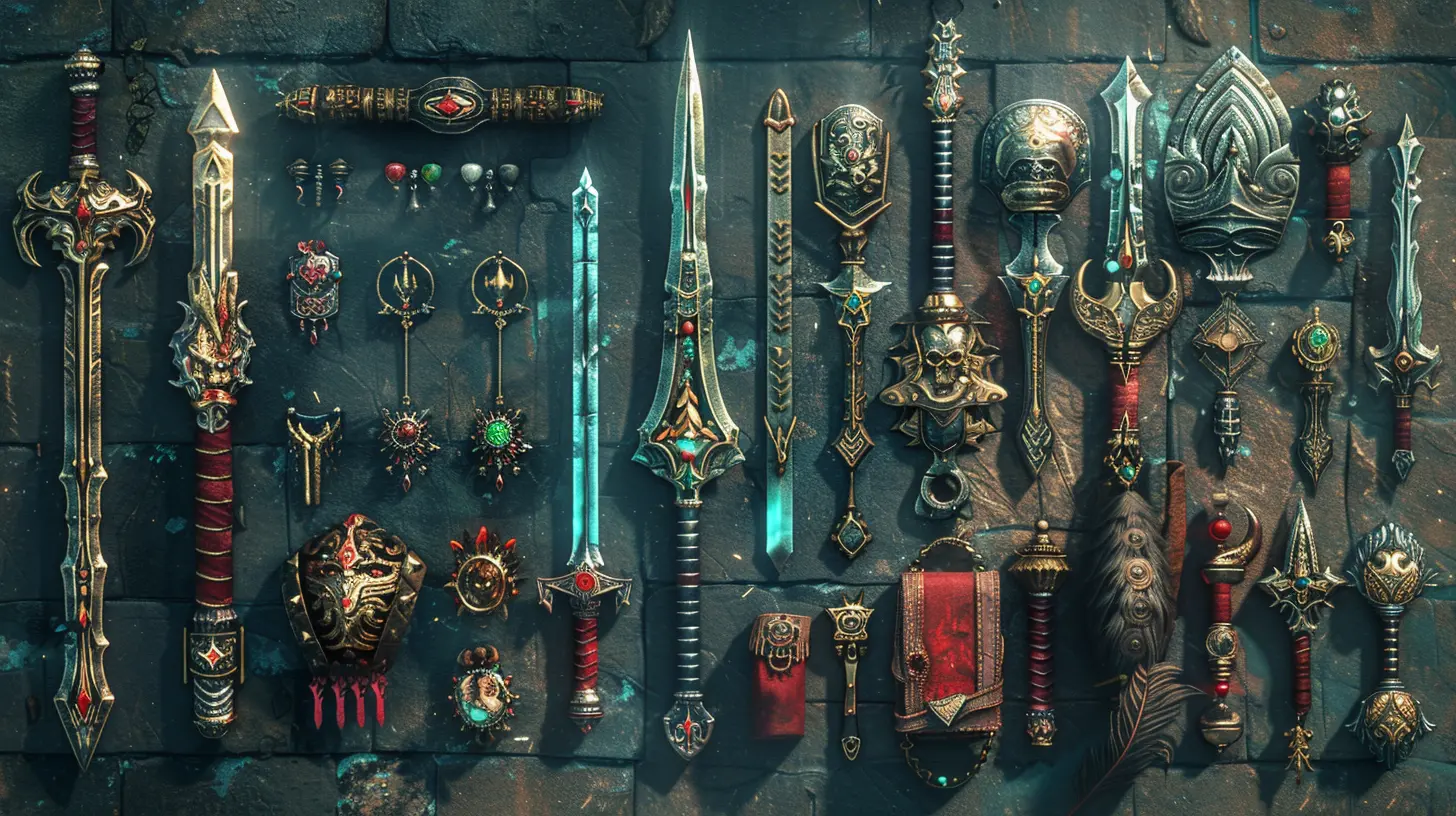
Not all legendary items are created equal. Depending on the RPG you’re playing, these items can serve different purposes. Here’s a breakdown of the most common types:1. Weapons
- Swords, axes, staffs, bows—you name it.- They usually deal insane amounts of damage or offer special effects like elemental damage or life-steal.
- Example: “Frostmourne” (from World of Warcraft) or “Gjallarhorn” (from Destiny).
2. Armor and Shields
- Boost your survivability with insane defense stats or resistances to specific damage types (like fire or poison).- Legendary armor often comes as part of a set, offering even greater bonuses when worn together.
- Example: “Daedric Armor” (from The Elder Scrolls V: Skyrim).
3. Accessories
- Rings, amulets, and trinkets that grant buffs to health, magic, luck, or experience points.- They may not look flashy, but sometimes, an accessory can make or break your build.
- Example: “Ring of Hircine” (also from Skyrim).
4. Unique Consumables
- Rare potions, scrolls, or crafting materials that help you unlock legendary crafting opportunities.- Example: “Ethereal Shards” (from Diablo series).
How to Find Legendary Items
Finding legendary items isn’t a cakewalk (unless you’re incredibly lucky—then, congrats!). It takes a mix of skill, strategy, and persistence. Let’s dive into the most effective methods:1. Boss Fights
Legendary gear is often tied to defeating major bosses. Keep an eye on those epic enemies with unique movesets and giant health bars—they usually guard the good stuff.- Tip: Research boss loot tables online if the game has them! Many RPG communities share detailed info about which bosses drop what gear.
2. Hidden Quests
Some legendary items are locked behind side quests or storylines that many players overlook. Developers sometimes sneak in secret objectives that reward the most diligent adventurers.- Example: In The Witcher 3, Geralt's legendary Witcher gear often required solving intricate scavenger hunts.
3. Loot Chests
Randomly scattered across the world, treasure chests can surprise you with legendary items. The trick? They’re often hidden in hard-to-reach spots or guarded by dangerous mobs.- Pro Tip: Use tools like maps, exploration skills, or even mods to uncover chest locations.
4. Crafting
Some RPGs allow you to forge your own legendary gear. It might involve hunting rare materials, completing recipes, or unlocking unique crafting stations.- Games That Shine Here: Monster Hunter and Final Fantasy XIV.
5. Events and Drops
Online RPGs often feature timed events or limited-time raids that yield legendary loot. Keep an eye on developer updates or seasonal changes.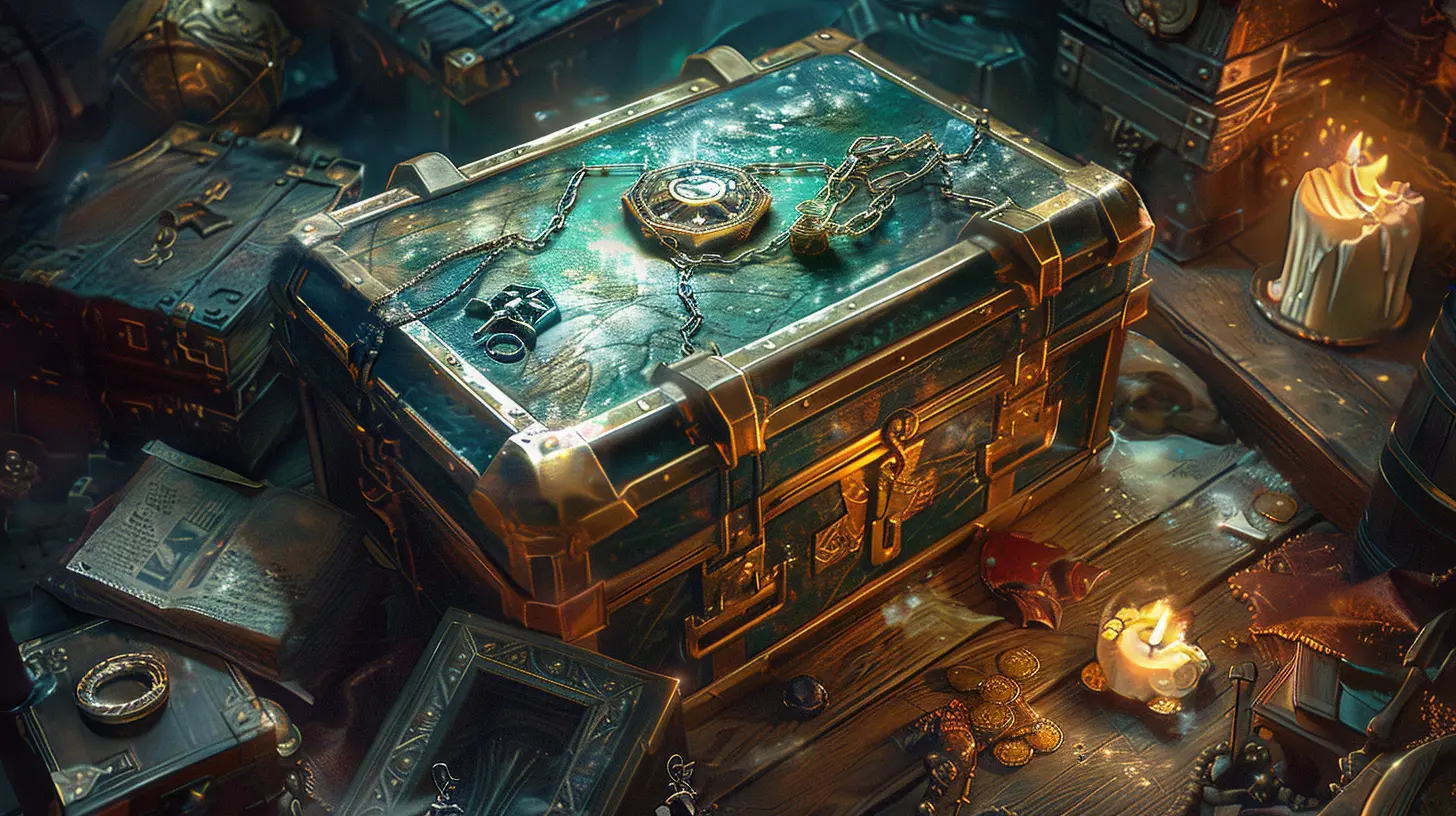
Farming Legendary Items: Patience is Key
Farming for legendary items can be a grind. But if you’re determined, it’s worth it. Here’s how to maximize your farming efficiency:1. Know the Drop Rates
RNG (random number generation) is the name of the game. Understand the drop rates for the items you're hunting. Games like Borderlands even display these rates outright.- Why It Matters: If the drop chance is 1%, you’ll need persistence—or a solid backup plan.
2. Optimize Your Build
Equip gear or abilities that boost luck, loot drops, or damage. Some RPGs even have items specifically designed to enhance your farming experience.3. Pick the Right Difficulty
Many RPGs have difficulty levels that affect loot quality. Crank it up (if you can handle it!) to increase your chances of snagging a legendary during standard encounters.4. Rerun Key Locations
Dungeons, arenas, or enemy camps known for legendary drops should become your second home. The more runs you make, the closer you get to your target.Making The Most of Your Legendary Items
Alright, so you’ve got your legendary item… now what? Here’s how to get the most value out of it:1. Synergize with Your Build
Make sure the item aligns with your playstyle and character stats. A Mage using a legendary sword? Sure, it’s cool, but it’s not exactly practical.2. Upgrade and Enchant
Many RPGs let you further enhance legendary items through upgrades or enchantments. Max out its potential to truly dominate.- Example: In Dark Souls, certain items gain bonus effects when upgraded with rare titanite.
3. Be Willing to Experiment
Don’t hoard your legendaries just to “save them for later.” Using them while they’re relevant can often enhance your gameplay more than keeping them in a box.The Thrill of the Hunt
Let’s face it—legendary items aren’t just about stats or utility. They’re about the thrill of the hunt. That moment when you finally get the drop after hours of grinding? It’s what makes RPGs magical. And it’s why so many of us keep playing, even after we’ve conquered the story.So, whether you’re crawling through dungeons, battling bosses, or solving puzzles, never lose sight of why we seek those legendary treasures. It’s not just about power—it’s about the journey, the epic stories we create, and the satisfaction of knowing we earned it.
all images in this post were generated using AI tools
Category:
Legendary ItemsAuthor:

Madeleine McCaffrey
Discussion
rate this article
3 comments
Cadence McKinney
Great tips! Collecting legendary items really enhances the RPG experience. Can't wait to dive in!
April 11, 2026 at 4:50 PM
Madeleine McCaffrey
Thanks! I'm glad you found the tips helpful. Enjoy your legendary adventures!
Isaiah McRae
This guide offers essential tips for RPG enthusiasts on locating and acquiring legendary items, enhancing gameplay while unlocking unique abilities and enriching the gaming experience.
January 18, 2026 at 4:19 AM
Madeleine McCaffrey
Thank you! I'm glad you found the guide helpful for enhancing your RPG gameplay and discovering legendary items. Happy gaming!
Dahlia Cole
Unlocking legendary items isn’t just luck; it’s strategy, persistence, and a dash of serendipity. Happy hunting, RPG fans!
January 9, 2026 at 3:45 AM
Madeleine McCaffrey
Absolutely! It's all about finding the right balance between strategy and perseverance. Happy hunting!