Design Choices That Changed the Way We Play
18 April 2026
Gaming isn’t just about pressing buttons anymore. It's storytelling, art, community, competition, and emotion—all rolled into one immersive experience. But have you ever stopped to think about how certain game design decisions completely flipped the script on how games are played, experienced, or even perceived?
From bold UI changes to ground-breaking mechanics, certain design choices have completely redefined the landscape. Today, we’re diving deep into the moments where developers said, “What if we do it differently?”—and ended up changing gaming forever.
Let’s geek out, shall we?
The Birth of Save Points: From Arcade to Adventure
Back in the day—think ‘80s arcade cabinets—you had one shot. You died, you lost. End of story. Games were designed that way on purpose to keep those quarters flowing.But when titles like The Legend of Zelda came along and introduced battery-backed save systems on cartridges, it felt revolutionary. Finally, you could leave off, come back later, and pick up right where you left off. This small tweak gave designers the ability to make longer, richer stories. We’re talking massive open worlds, layered puzzles, and character growth over time.
Why It Mattered
Without save points (and later, auto-saves and manual saves), narrative-driven experiences like Mass Effect or The Witcher 3 wouldn’t have been possible. It gave birth to the “epic journey” style of gaming.
The Analog Stick Revolution: 3D Movement Unleashed
Remember when the Nintendo 64 came out? That chunky controller had something completely new at the time—a tiny little stick in the middle. The analog stick.That thing changed the game. Literally.
Before that, movement was 8-directional at best. But with 360-degree control, 3D movement became natural and fluid. Mario could now creep, dash, or do precision jumps in Super Mario 64, thanks to how hard you pushed the stick.
Why It Mattered
Analog sticks paved the way for immersive 3D spaces, and soon every modern controller had them. FPS games, third-person action adventures, racing sims—it changed how we approached movement across the board.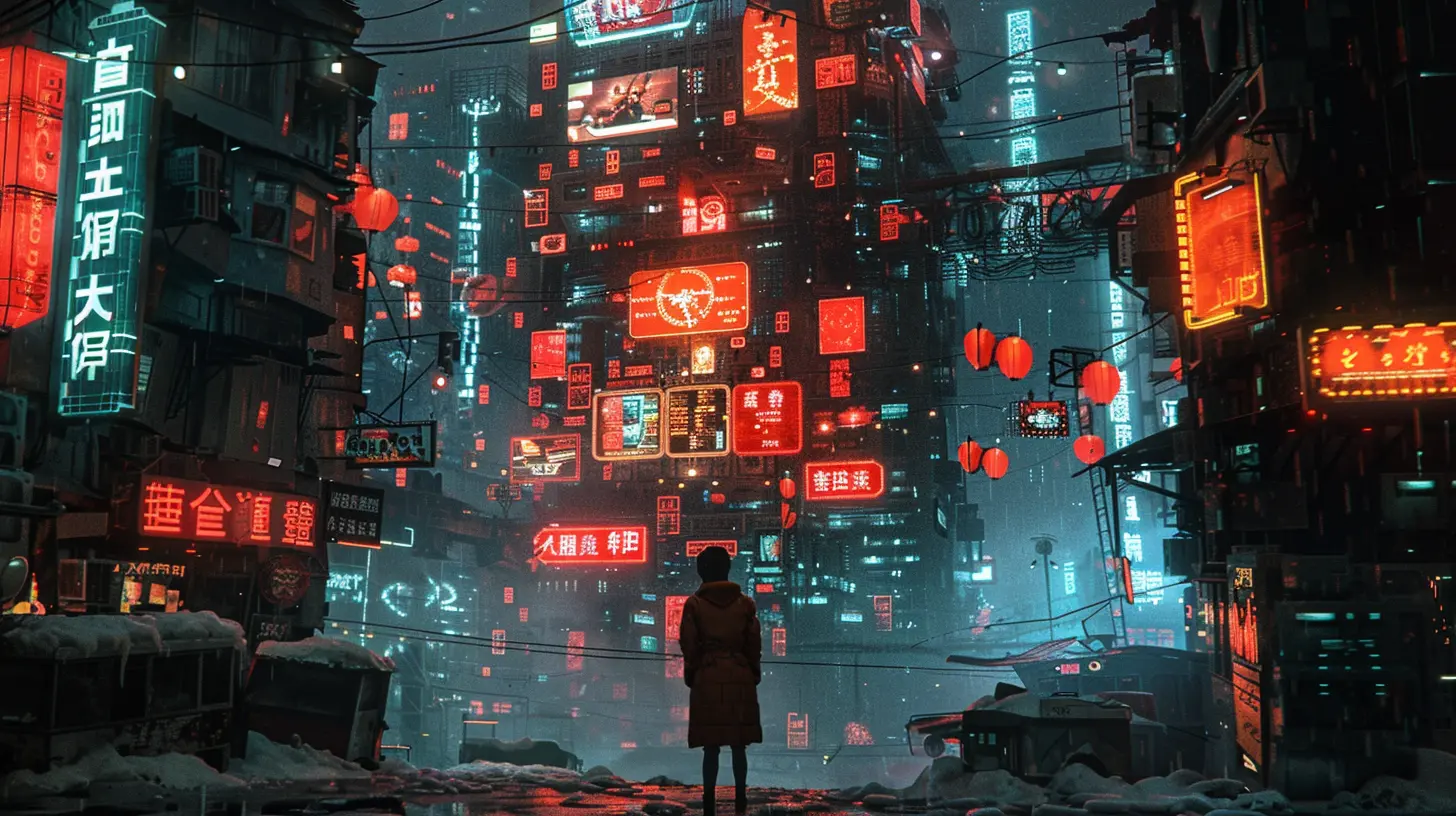
Regenerating Health: Ditching First-Aid Kits
Let’s talk about a controversial one: Regenerating health. First popularized by Halo: Combat Evolved and later Call of Duty 2, this design decision basically said, “Hey, what if players didn’t have to chase medical kits anymore?”Health recharged once you got to safety. It was less about hoarding healing items and more about surviving intense firefights and then re-engaging.
Why It Mattered
It kept the pace flowing. No more backtracking or cautious crawling to conserve health. It was fast, fluid, and more forgiving. Some folks hated it, sure—but it made shooters more accessible and dynamic.
The Cover System: Gears of War Changed Shooters Forever
Before Gears of War, most shooters were run-and-gun. You just strafed, jumped, and hoped for the best. Then Gears came along with its sticky, satisfying cover mechanic. Tap a button, and BAM—you're hugging the wall like a pro.This design turned gunfights into chess matches instead of brainless shootouts.
Why It Mattered
It kicked off a wave of tactical shooters and emphasized positioning and timing. You started seeing cover systems in Uncharted, The Division, even Mass Effect. It rewrote how we think about combat.Open Worlds and Player Freedom: Thanks, GTA III
When Grand Theft Auto III dropped in 2001, it was unlike anything we’d ever seen. A fully realized 3D city, with cars to steal, missions to complete (or ignore), and chaos to unleash. You weren’t just playing a game anymore—you were living in a world.The design encouraged you to explore, experiment, and just do your own thing.
Why It Mattered
It inspired an entire generation of open-world games. Assassin's Creed, Far Cry, Red Dead Redemption—they all owe a nod to GTA III’s open-ended structure. And let’s be real—it’s just fun to mess around sometimes.Dialogue Trees and Moral Choices: You Shape the Story
The first time you played something like Mass Effect, Fallout, or The Walking Dead, you probably paused during dialogue. Not to read, but to think: “What should I say here?”Dialogue trees aren’t just fluff. They put you in the driver’s seat of the story. Your decisions matter. Characters remember. Endings shift. You’re not just reacting—you’re acting.
Why It Mattered
It blurred the line between player and character. These mechanics added replay value and emotional depth, giving rise to the idea that no two playthroughs would be the same.Accessibility Options: Gaming for Everyone
This one might not be the flashiest, but it's arguably the most important. As games evolved, more developers started paying attention to who could play their games—not just how they were played.Titles like The Last of Us Part II introduced deep accessibility options: visual contrast modes, text-to-speech, button remapping, even one-handed control options. It's design thinking at its most compassionate.
Why It Mattered
It broke down barriers. Everyone should have the right to play, and thoughtful design made that possible. Accessibility isn’t just an add-on—it’s essential.Procedural Generation: Infinite Possibilities with Limited Resources
Ever dive into Minecraft, No Man’s Sky, or Hades and notice how each run or world feels different?That’s the magic of procedural generation—algorithm-driven environments that change with every play. It allows indie teams to offer endless content without handcrafting every element.
Why It Mattered
It democratized game development. Smaller teams could create games that felt massive. Players got unpredictable, fresh experiences every time they pressed "Start." It’s like opening a new present every time.Battle Passes Over Loot Boxes: A Monetization Shift (Kind Of)
Okay, let’s talk business. Remember loot boxes? Ugh.Then came the battle pass—popularized by Fortnite, this seasonal reward system gave players goals to work toward in exchange for rewards. Gone were the random loot box mechanics. Now players knew what they’d earn and how to get it.
Why It Mattered
It added transparency and fairness (well, more than loot boxes at least). Plus, tying cosmetics and rewards to in-game progress made monetization feel less predatory and more like a journey.Minimalist UI: Let the Game Speak
Have you noticed modern games pulling back on on-screen junk?Titles like Journey, Shadow of the Colossus, and even Elden Ring focus on immersion by ditching heavy HUDs. You’re not staring at meters—you’re watching the world. You feel the game instead of simply reading the screen.
Why It Mattered
It deepened immersion and made the environment the interface. Minimalist UI introduced a “show, don’t tell” philosophy that elevated the artistic side of gaming.Sandbox Creativity: Building Your Own Fun
Let’s shout out to the Minecrafts, Robloxs, and Dreams of the world. These games didn’t just present gameplay—they handed you the toolkit.Want to build a castle? Go for it. Create a game within a game? Sure. Recreate the Eiffel Tower? Why not.
Why It Mattered
It turned players into creators and gave people ownership. This design choice created entire subcultures and careers. Streamers, modders, mapmakers—they all sprouted from sandbox philosophies.Emergent Gameplay: "Did You See What Just Happened?"
One of the most fascinating shifts in design was the embrace of emergent gameplay—the idea that unpredictable and unscripted moments are gameplay gold.Think of a Skyrim dragon attacking mid-village conversation. Or a grenade bouncing perfectly into a crowd in Halo. These aren’t scripted. They just... happen.
Why It Mattered
It gave games life beyond the code. Memorable moments weren’t just cinematic; they were personal. Games became stories you tell friends, not just play.Multiplayer as a Social Platform: Not Just a Game Anymore
Games used to be about beating bosses or scores. Now? They’re hangout spots. Fortnite, Animal Crossing: New Horizons, and Among Us became social gatherings during tough times.Designers built mechanics not just around gameplay but around connection—emotes, town visits, squad chat, even in-game concerts!
Why It Mattered
Gaming became a way to stay close, especially in a world that felt increasingly isolated. Player interaction became just as important as combat systems or loot mechanics.Final Thoughts
Game design is so much more than graphics or soundtracks. It’s the subtle, powerful tweaks that shift how we engage. Whether it’s the analog stick freeing our thumbs or dialogue trees unlocking our emotions, these design choices didn’t just make games better—they made them unforgettable.As players, we often don’t even notice these things until someone points them out. But once you see them, you realize just how genius—and how game-changing—they were.
So next time you boot up your favorite game, take a moment. Ask yourself: “What design choices made this experience special?” Odds are, the answer will be more powerful than you imagined.
all images in this post were generated using AI tools
Category:
Game Reviews ArchiveAuthor:

Madeleine McCaffrey
Discussion
rate this article
2 comments
Halle McMeekin
Design shapes experience; choices echo through our collective gameplay.
April 23, 2026 at 2:51 AM
Madeleine McCaffrey
Thank you! Absolutely, design choices profoundly influence our experiences and shape the way we engage with games together.
Fay Hunter
Game design shapes our experiences; innovation fuels creativity and connection. Let’s celebrate this evolution!
April 19, 2026 at 4:48 PM
Madeleine McCaffrey
Absolutely! It's exciting to see how design choices continue to transform our play experiences and inspire new connections. Let's keep pushing the boundaries!