Exploring Psychological Warfare in Tactical Games
21 December 2025
Ever felt like you've been outplayed not just by mechanics, but by pure mind games? Welcome to the realm of psychological warfare in tactical games — where strategies dig deeper than just positioning units or clicking the fastest. In this article, we’re diving headfirst into the mental tug-of-war that defines much of what makes tactical games so intense — and so addictively challenging.
Whether you’re flanking enemies in XCOM or bluffing your way in a high-stakes game of Hearthstone, there's always more going on beneath the surface than meets the eye. Let’s break down how psychological tactics shape victories, how players use them, and how you can start employing them in your own gameplay.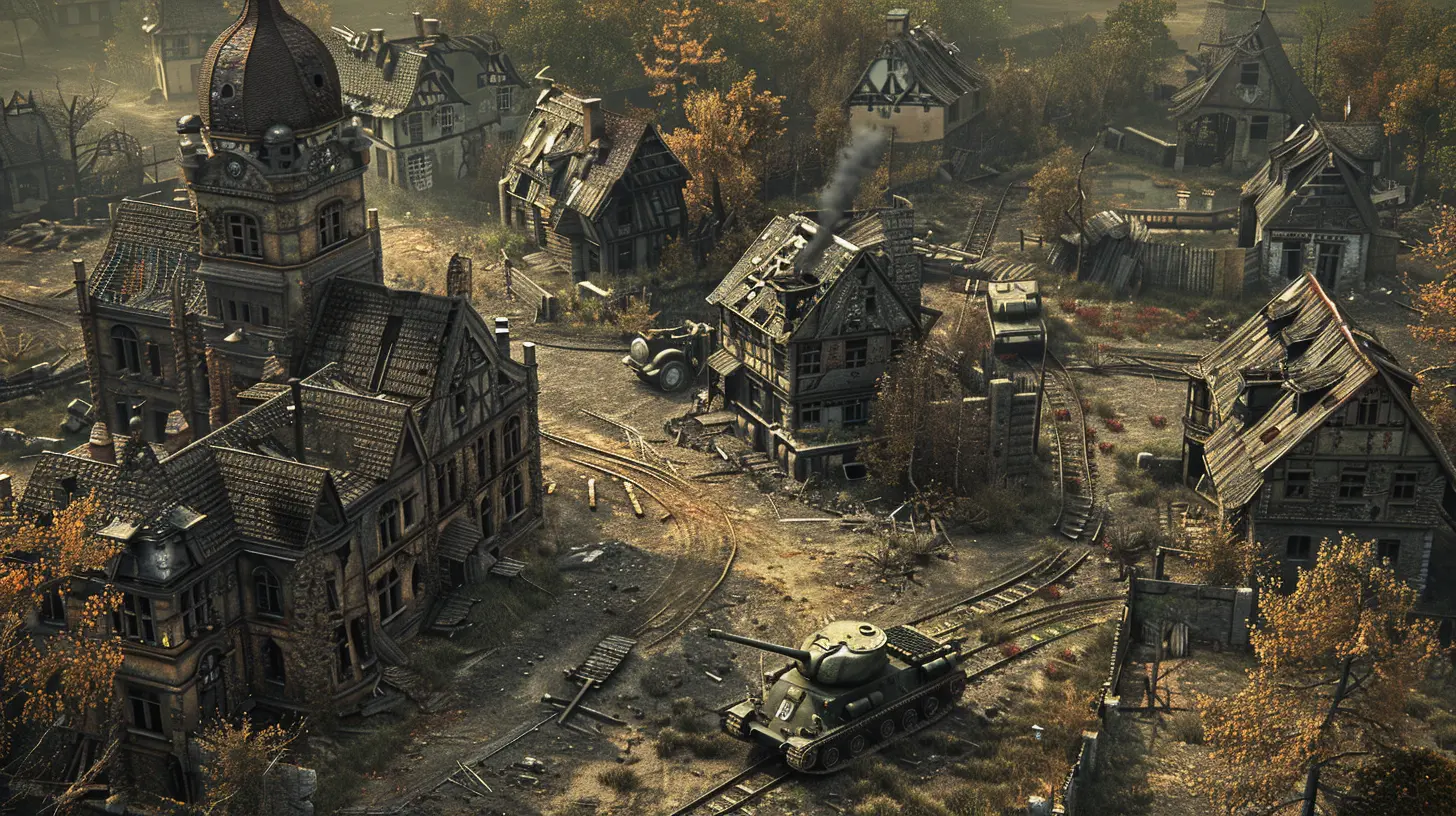
What Is Psychological Warfare in Tactical Games?
Alright, let’s not overcomplicate it. Psychological warfare in tactical games isn’t about brainwashing or actual war. It’s about getting inside your opponent’s head, predicting how they'll react, and manipulating their decisions — all without them realizing you’re the puppet master. It’s mind games, plain and simple.In tactical games, every choice you make sends a message. Attack aggressively? You’re bold. Fall back? You're cautious — or maybe just baiting. Fake a weakness? That might lure your rival into a trap. What makes tactical games so rich is that your decisions can have emotional and mental impact, not just strategic.
Why Psychological Warfare Works So Well in Tactical Games
Tactical games are slow-burners. They give you time to think, observe, and notice patterns. And guess what? Humans are wired to see patterns — even when they’re not there. That’s the perfect setup for psychological warfare.Think about it: your opponent is watching you, trying to decode your playstyle, reading into every little move. That’s where the advantage lies. If you can manipulate how they perceive your strategy, you’re already one step ahead.
Plus, many tactical games are turn-based. You’re not just reacting in real-time; you’re planning, and so is your opponent. That means more room for misdirection, bluffs, and strategic setups that go beyond brute force.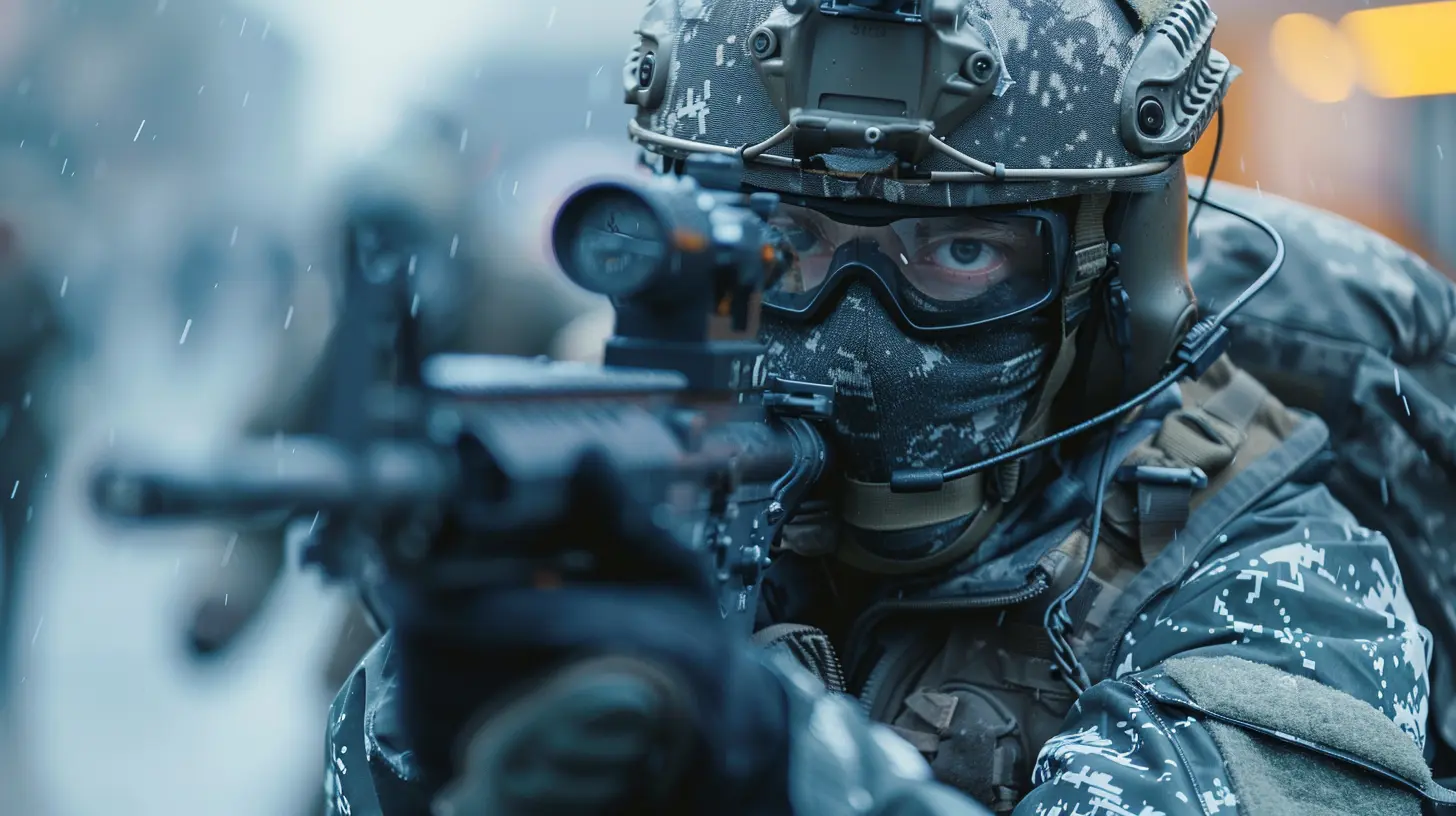
Common Psychological Tactics Players Use
Let’s get into the nitty-gritty — the actual mind games players rely on to take the upper hand. Here are a few psychological tactics that can make or break your next match.1. Feigned Weakness
Showing weakness to bait an opponent is one of the oldest tricks in the book — and it works like a charm. If they think you’re retreating or vulnerable, they might overcommit and walk right into a trap.Example? In a game like XCOM, maybe you leave a soldier out in the open seemingly unprotected. But in reality, their death triggers a chain reaction of overwatch traps waiting in the wings.
2. Bluffing Your Strategy
This one's huge in card-based tactical games. Make your opponent think you’re holding a powerful combo when really, your hand's nothing but fluff. It’s all about how you play the cards (literally and figuratively).In games like Gwent or Hearthstone, bluffing a powerful board wipe or pretending to have lethal damage next turn can cause horrified overplays or cautious stalls — both of which can tilt a match in your favor.
3. Misdirection and Decoys
Set up moves that have no intention of succeeding on their own, just to distract. Your goal here is to make your enemy focus their attention somewhere else. Think of it as a magician’s sleight of hand — look at my right hand while the left does the real trick.In turn-based games like Fire Emblem, you can bait enemies into chasing a unit down one path, only to have your main force swoop in from the other side. It's classic divide-and-conquer, but with a psychological twist.
4. Mind Games with Repetition
Humans love patterns — and smart players exploit that. Do the same thing a few turns in a row, then suddenly change your approach. Your opponent will either stay expecting the usual or overcompensate for a fake — and either gives you the opportunity to strike.This tactic works wonders in competitive fighting games with tactical elements, like Super Smash Bros., where repeated behavior sets up for the sudden surprise KO.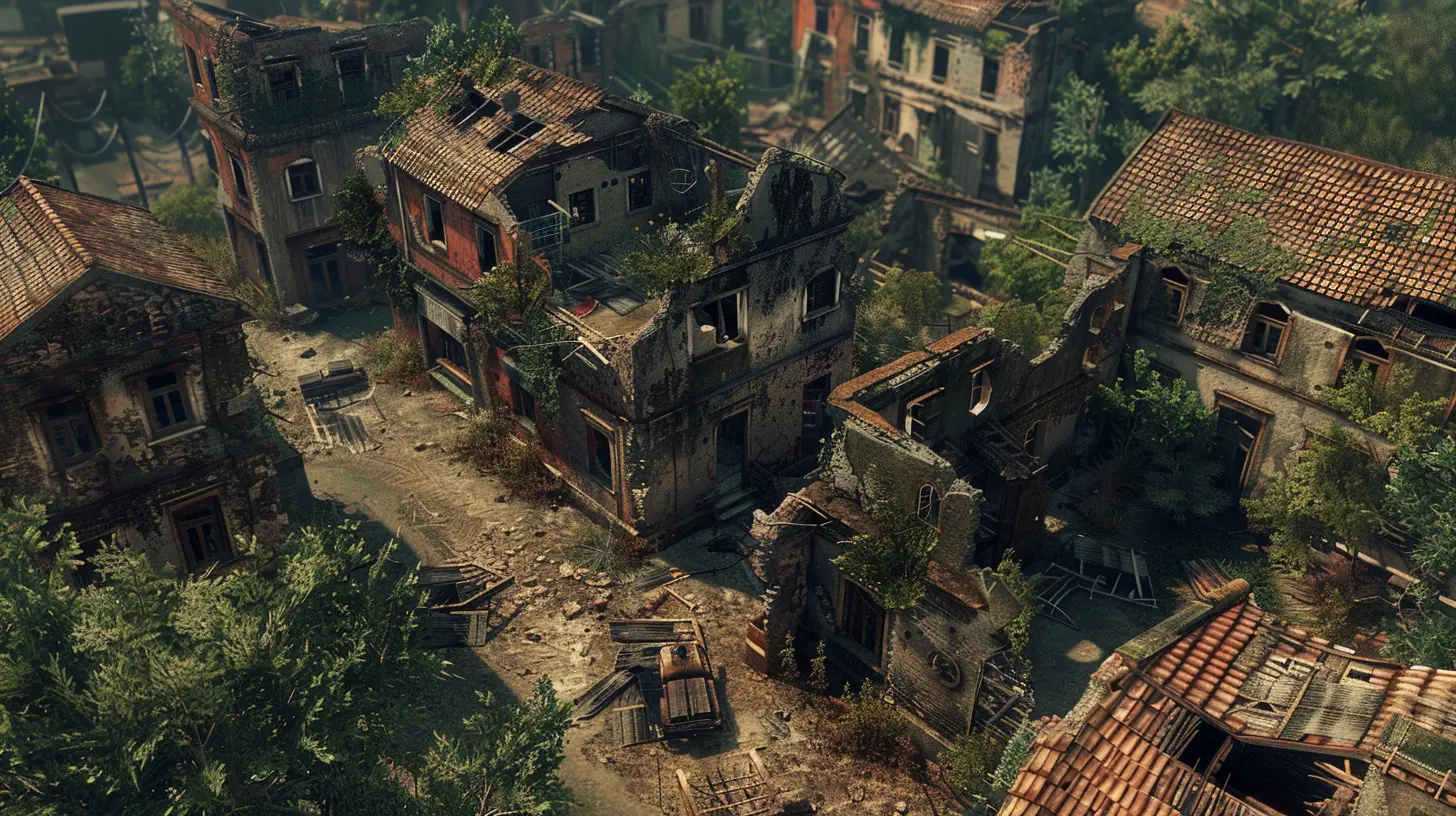
Real Examples: Tactical Games and Mind Games Collide
Let’s talk specifics. It’s one thing to talk theory, but how does psychological warfare really show up in popular tactical games?XCOM: Enemy Unknown & XCOM 2
These games aren’t just about shooting aliens — they’re about emotional control. Every move risks soldier death, and even the best strategies can fail due to RNG. Experienced players use this stress to their advantage. You can bait enemies to move into your overwatch zones, or sacrifice lesser units to mess with enemy AI routines.And the best part? The game itself is constantly playing you. The tension of missing a 95% shot isn’t just bad luck — it’s psychological pressure working overdrive.
Into the Breach
This game flips tactical gameplay on its head. You know what the enemy is going to do. That should make it easier, right? But the real battle becomes how you mentally prioritize threats and how you trick the enemy AI into predictable behaviors. Winning becomes more about thinking like the computer than out-muscling it.Rainbow Six Siege
This game may be more action-packed, but don’t let the shooting fool you. It’s a psychological chess match. Baiting with sound, fake footsteps, holding unusual angles — everything is designed to break your opponent’s mental equilibrium.Ever hesitated because you thought someone was around the corner? That’s your brain losing the game before you even peek.
Psychological Warfare in Competitive Play
The higher you climb in the competitive scene, the more mental games come into play. At the top ranks, everyone knows the "correct" strategic moves. So the real question becomes: how can I think one step ahead of what they think I’ll do?This loop — thinking about what the other person is thinking about what you’re thinking — has a name: levels of mind. And tactical games are one of the best platforms to climb that ladder.
The Tilt Factor
One underrated part of psychological warfare? Tilt. Getting in someone’s head so badly they start playing emotionally instead of strategically. Tilt is when someone gets frustrated, loses focus, and starts making bad decisions. Triggering tilt (ethically) can give you a huge edge.Even small things like unpredictable strategies, taunting, or bold plays that challenge expectations can throw an opponent off their mental game.
The Meta Mind Games
In long tournaments, especially in the esports scene, players engage in "meta mind games" — not just choosing surprising tactics in-game but offering unpredictable characters or team comps just to rattle opponents who’ve prepared for something entirely different.This is where psychological warfare becomes preparation warfare. You win before you even sit down.
How to Use Psychological Warfare in Your Own Gameplay
So, how do you start becoming a master of mind games in your favorite tactical title? Here's a few practical tips to get started without turning into a cartoon villain.1. Play Unpredictably
The more unpredictable you are, the harder you are to counter. Mix up your moves. Don’t always use the best plays — sometimes, make suboptimal moves that serve a longer-term bait.2. Learn to Read Opponents
Watch how they behave. Are they cautious or bold? Do they always defend one flank and ignore the other? Figure out their patterns, then disrupt them.3. Stay Calm Under Pressure
If you stay cool and your opponent starts stressing, you’ve got the upper hand — even if your position is weaker on paper. Confidence can be a weapon.4. Use Delay Tactics
This one’s a little cheeky, but taking your time on turns can make opponents second-guess themselves. They're left wondering: "What’s taking them so long? Are they setting something up?" Sometimes, you’re just grabbing a coffee.5. Turn Emotions Into a Weapon
Not everyone can keep their cool. You can’t control their mind, but you can influence how they feel. A well-timed bluff or surprise can make them tilt just enough to miss a winning move.The Ethical Side of Mind Games
Let’s address the elephant in the room: is psychological warfare dirty play?Short answer? Nope. As long as it stays within the boundaries of the game and doesn’t involve harassment or toxic behavior, using your brain to outsmart your opponent is part of the challenge. Manipulating gameplay is very different from manipulating a person.
Think of it like poker — bluffing is part of the strategy, not cheating. It’s all about mastery, not malice.
Final Thoughts: Your Mind Is the Ultimate Weapon
So many players spend hours perfecting strategies, builds, and reaction speed. But the top players? They train their minds too.Psychological warfare in tactical games adds an incredible layer of depth, letting you win matches even when you’re mechanically outmatched. Whether you’re baiting enemies, bluffing strategies, or just making your opponents tilt, the mind games you play can be your secret weapon.
So next time you're staring at your screen, calculating your next move, ask yourself: What does my opponent expect me to do? Then... do the opposite.
Go forth, tactician. The battlefield is in your mind.
all images in this post were generated using AI tools
Category:
War GamesAuthor:

Madeleine McCaffrey
Discussion
rate this article
3 comments
Ethan McWhorter
What a fascinating angle on tactical games! The interplay of psychology and strategy adds such depth to gameplay. I'm curious to see how developers incorporate psychological tactics to enhance player engagement. This exploration could redefine competitive dynamics in gaming. Excited to read more!
April 6, 2026 at 3:43 AM
Madeleine McCaffrey
Thanks for your insights! The blend of psychology and strategy really does open up new avenues for gameplay. I'm eager to see how developers push these boundaries too. More to come!
Arianth Bennett
Such a fascinating topic! Psychological tactics really elevate gameplay experience!
December 26, 2025 at 3:56 AM
Madeleine McCaffrey
Thank you! I'm glad you found it interesting—psychological tactics can truly enhance immersion and strategy in gameplay.
Dean Franklin
Psychological warfare in tactical games reveals the intricate dance between strategy and mind games, inviting players to not just conquer territories, but also to understand the depths of human behavior and manipulation.
December 22, 2025 at 3:52 PM
Madeleine McCaffrey
Thank you for your insightful comment! Indeed, the interplay of strategy and psychological tactics adds a fascinating layer to tactical games, enriching both gameplay and our understanding of human behavior.