Exploring the Dark Themes in Psychological Thrillers
12 May 2026
There’s something deliciously eerie about getting lost in a story that messes with your head, right? Psychological thrillers do just that. They plunge us into the darkest corners of the human mind and make us question what’s real and what’s imagined. Whether it's a movie like Gone Girl, a game like Silent Hill, or a twisted novel you can't put down, this genre doesn’t just entertain — it unsettles.
But what exactly makes psychological thrillers so addictive? Why do we crave that slow-burn tension, those morally grey characters, and those moments that make our skin crawl?
Grab a cup of coffee (or maybe something stronger), and let’s dive deep into the shadowy, chilling world of psychological thrillers.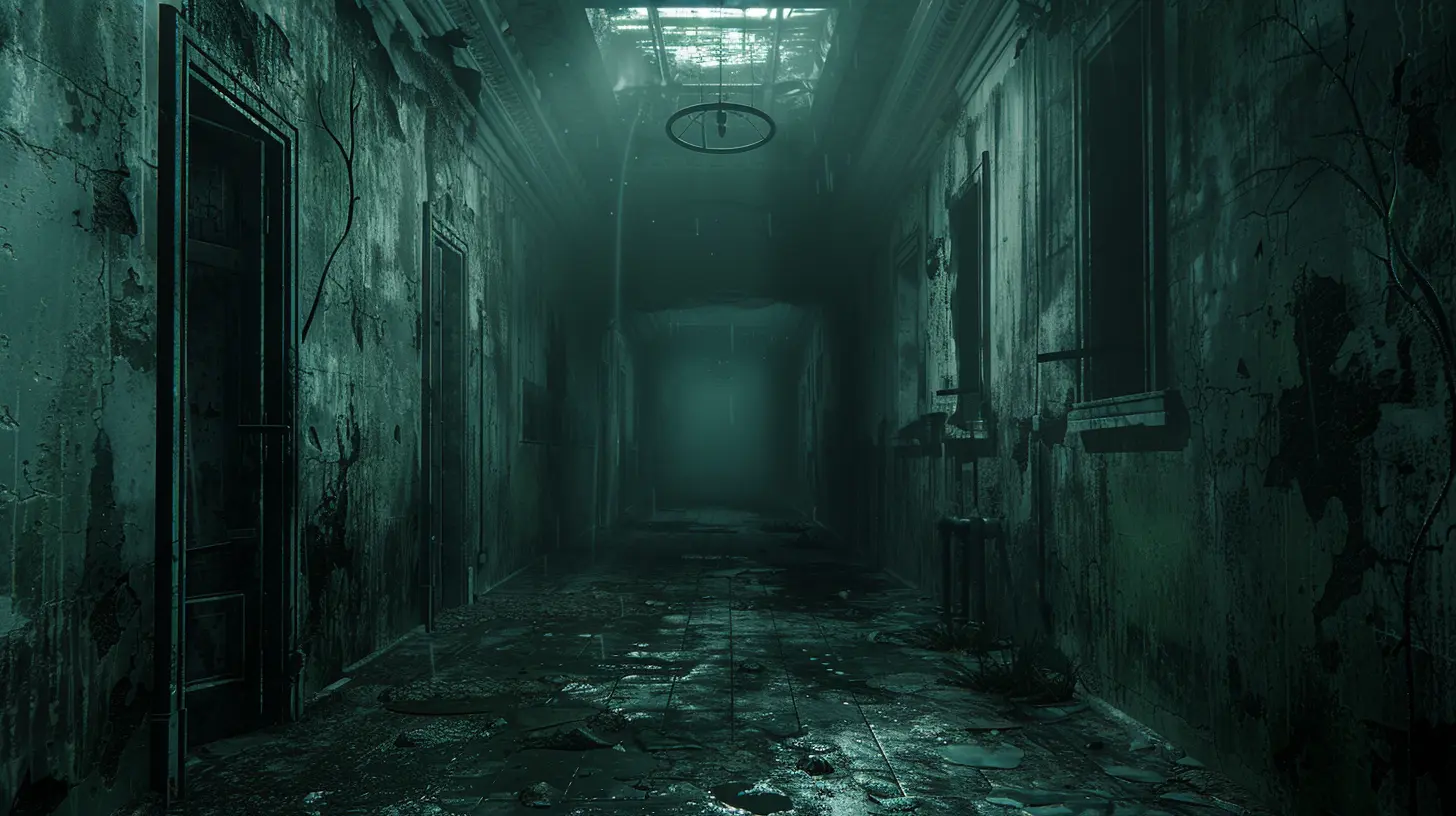
What’s a Psychological Thriller Anyway?
Before we dissect the darkness, let’s get our footing. A psychological thriller is a genre that plays mind games with its audience. Unlike traditional horror, it’s not about jump scares or gore. Instead, it's all about tension, manipulation, and mental instability.Imagine you're in a room with no doors and the walls are slowly closing in — but only you seem to notice. That creeping dread? That’s the heart of a psychological thriller.
These stories often involve unreliable narrators, twisted perceptions, taboo topics, and — here’s the kicker — a protagonist that’s probably battling some internal demons.
Sounds intense? It is. And that’s why we can’t look away.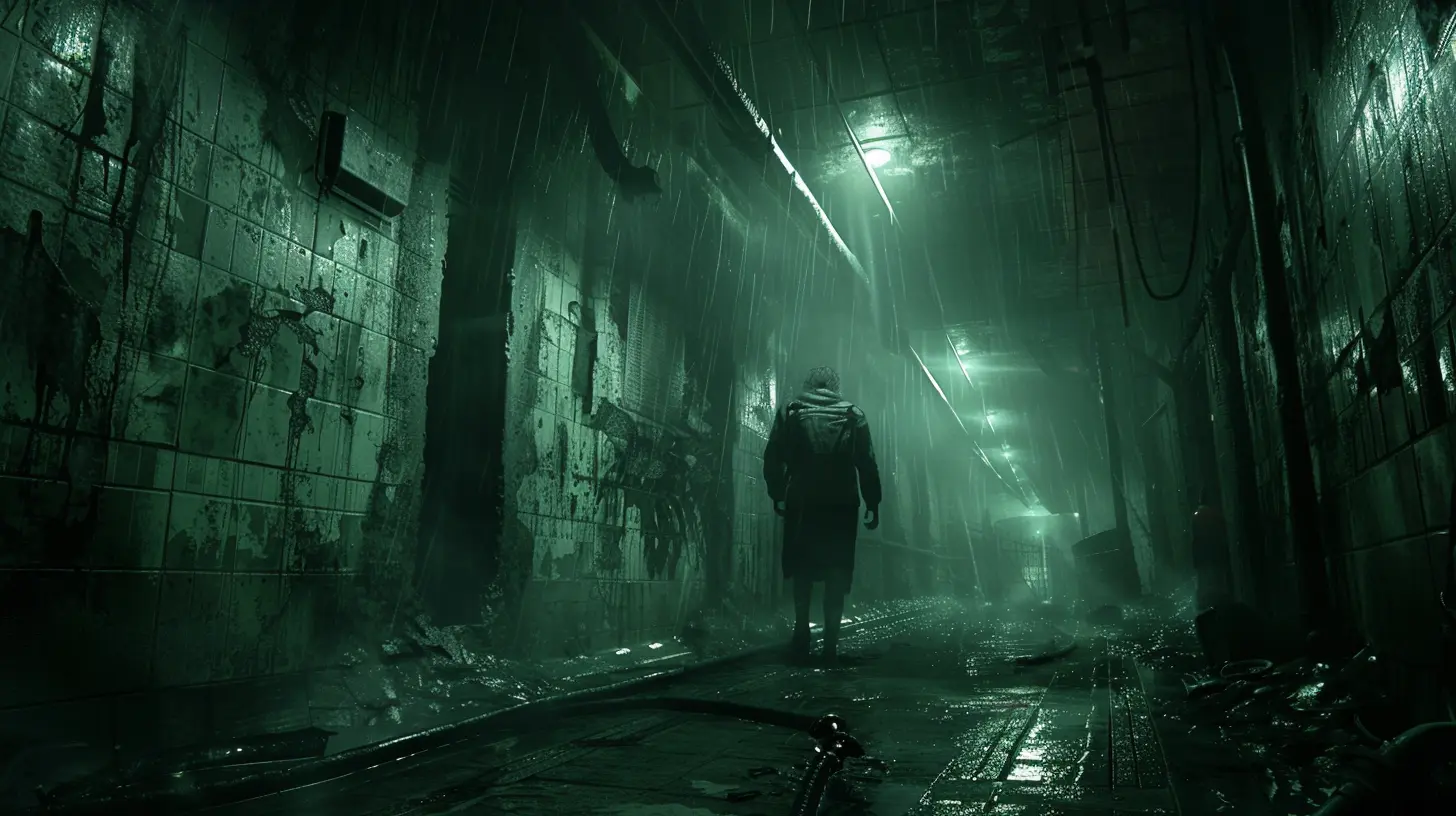
Why We’re Drawn to the Darkness
Let’s be honest: humans are weird. We binge true crime documentaries, flock to horror films, and actively choose media that terrifies us. But why?The truth is, psychological thrillers tap into our primal fear of the unknown — not monsters under the bed, but the monsters within ourselves.
These stories allow us to step into the mind of the disturbed, the broken, or the downright evil. There’s something deeply fascinating about analyzing the inner workings of a fractured mind… especially from the safety of our couch.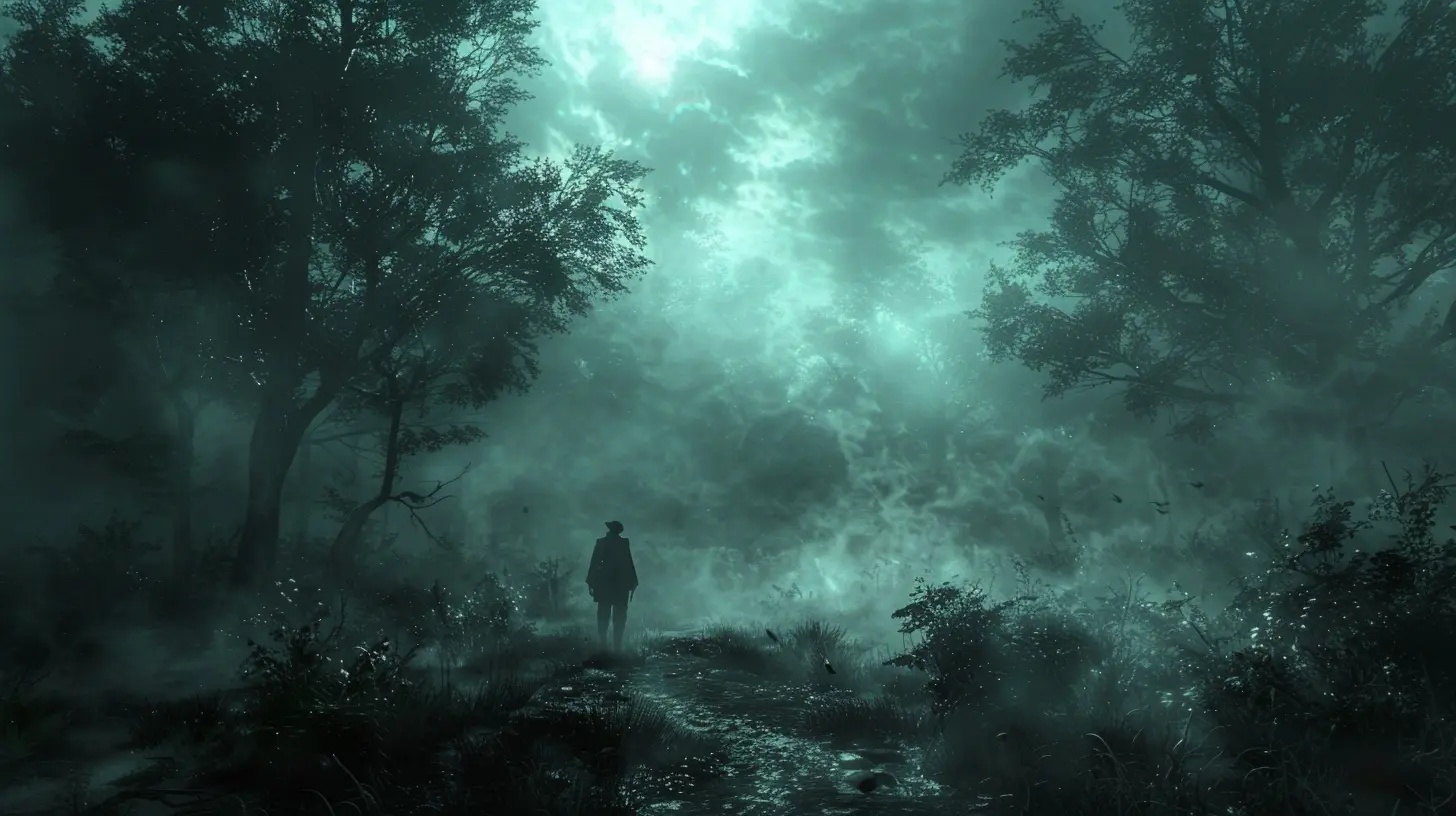
The Core Themes That Haunt Us
So, what are these dark threads that tie psychological thrillers together? Let’s pick apart the most common (and chilling) themes.1. Mental Illness and Breakdown
Bam — they go straight for the throat. Many psychological thrillers revolve around characters who are dealing with mental illness. We're not talking the cutesy Hollywood version, either. We’re talking about raw, gritty portrayals of anxiety, depression, schizophrenia, PTSD, and more.Games like Hellblade: Senua’s Sacrifice offer a mind-bending journey through psychosis, letting players experience auditory hallucinations and delusions firsthand — it’s unsettling, eye-opening, and unforgettable.
But here's the thing: these portrayals walk a fine line. When done respectfully, they foster empathy and insight. When done poorly, they end up reinforcing harmful stereotypes.
Still, mental instability adds an unpredictable layer to any narrative — and in thrillers, not knowing what's real is half the fun.
2. Identity Crisis
Ever woken up and felt like you weren’t yourself? Imagine that sensation dialed up to 100.Identity fragmentation is a major theme in psychological thrillers. Characters often question who they are, what they’ve done, and what’s been done to them. Think about Fight Club — it’s not just a story about underground boxing; it’s a deep dive into identity, masculinity, and consumer culture.
Video games like Spec Ops: The Line do something similar. What starts as a military shooter quickly spirals into a psychological descent, challenging the player’s moral compass and sense of self.
3. The Unreliable Narrator
Now this is where things get spicy. The unreliable narrator is the bread and butter of psychological thrillers. Why? Because we love being lied to — in fiction, at least.This technique yanks the rug out from under the audience. It forces us to reevaluate everything we thought we knew. We're not just observers — we're participants trying to piece together the truth.
Games like Bioshock Infinite and Doki Doki Literature Club use this trope masterfully, forcing players to question the very nature of the story they’re a part of.
4. Paranoia and Control
You ever feel like someone’s watching you? That your every move is being tracked?Paranoia is the heartbeat of psychological thrillers. Whether it’s a character being gaslit (Shutter Island, anyone?) or manipulated by unseen forces, the theme of control creates a constant sense of unease.
In Papers, Please, you're a border guard deciding who gets to cross a fictional authoritarian state's border. Simple, right? Not quite. The ethical dilemmas start stacking, and paranoia creeps in. Can you trust your superiors? The people in line? Yourself?
5. Trauma and Repressed Memories
Let’s not sugarcoat it — trauma is a potent narrative engine.In psychological thrillers, past trauma often drives the plot. Sometimes it’s buried so deep that even the character doesn’t know about it until it erupts like a volcano. These stories unpack how trauma shapes identity, memory, and behavior.
Games like The Medium and Amnesia: The Dark Descent build entire mechanics around repressed memories and the slow revelation of past sins.
This theme hits hard because it’s rooted in reality. We might not be battling literal demons, but we all carry emotional scars. And seeing them reflected in these stories? It’s powerful.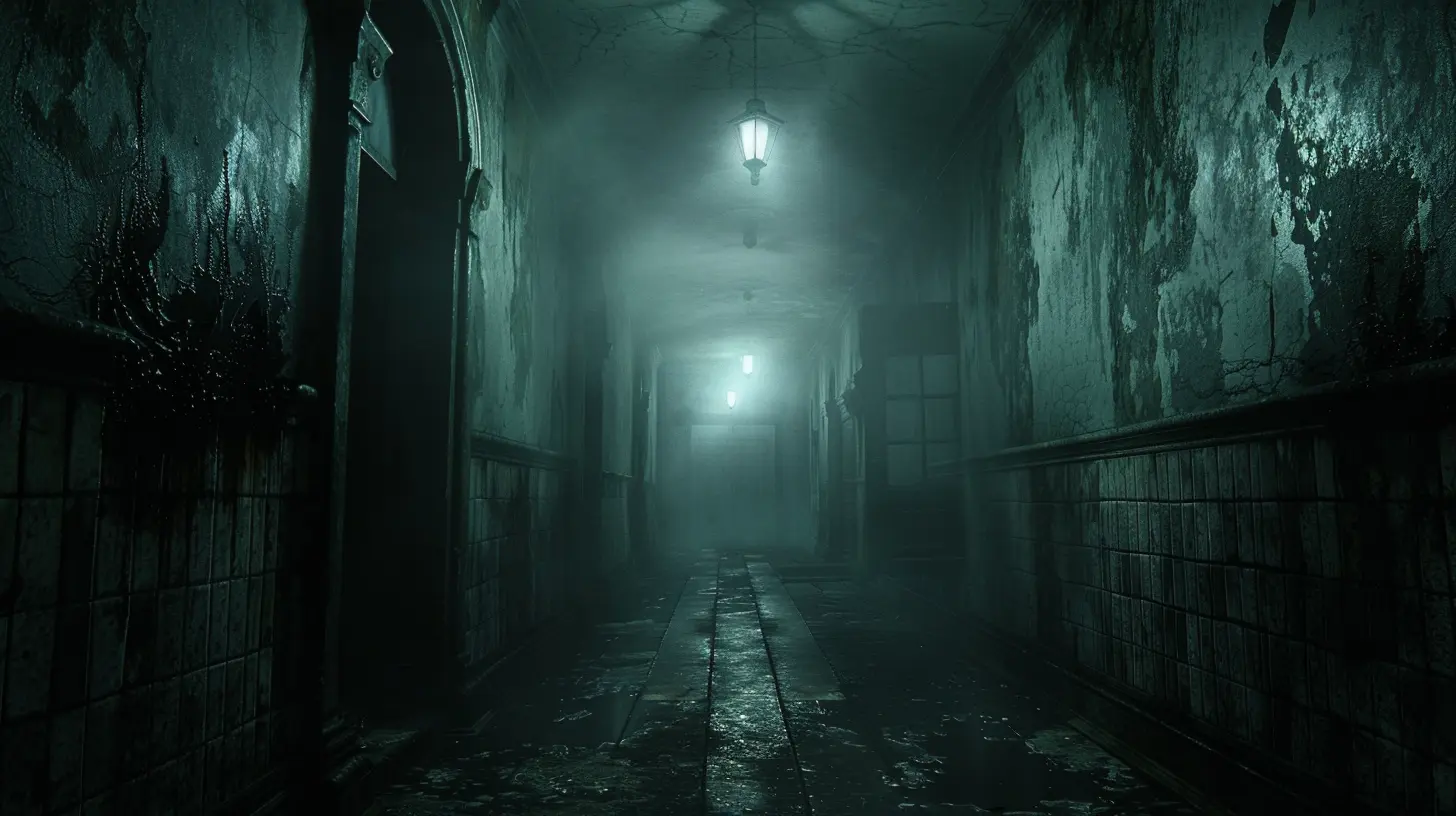
How Games Bring Psychological Thrillers to Life
Let’s talk about video games, because man — when it comes to psychological thrillers, this medium is crushing it.Unlike movies or books, games force you to participate. You don’t just watch the descent into madness — you live it.
Immersion is Key
When a character in a game breaks the fourth wall, talks directly to you, or changes the UI on purpose (looking at you, Eternal Darkness), it gnaws at your sense of reality.Suddenly, you’re not just guiding a character. You are the character. And that blurring of lines? That's what makes the experience unforgettable.
Moral Choices and Consequences
Many psychological thriller games present you with tough moral choices. And I’m not talking about “save the puppy or the kitten” choices. I’m talking about decisions that stick with you, make you question your ethics, and maybe even keep you up at night.Titles like The Walking Dead, Until Dawn, or Heavy Rain toy with this in deliciously dark ways. Every action ripples out. Every choice matters.
The Aesthetic of Darkness
Let’s not forget how important the look and feel of psychological thrillers is. It’s not just about story — it’s about mood.Dreary lighting, fractured mirrors, empty hallways, old journals scrawled with cryptic messages — the aesthetic is a character on its own. It puts you on edge before anything even happens.
Sound design, too, plays a massive role. Whispered voices, sudden silences, ambient static — it's like the game is breathing with you… or maybe against you.
Why the Genre Matters More Than Ever
In recent years, psychological thrillers have exploded in popularity. And it's no coincidence.We’re living in a world full of uncertainty, anxiety, and mental health conversations. These stories reflect that. They don’t shy away from messy truths or complicated emotions.
They challenge us to think deeper, empathize more, and confront fears we often suppress in daily life.
So while it might seem twisted to say, these dark tales are doing important work. They’re not just creepy. They’re cathartic.
Final Thoughts: Embrace the Darkness
Psychological thrillers aren’t just about entertaining us with twisted plots or shocking reveals. They dig deeper.They make us uncomfortable, and in doing so, they make us reflect. They whisper questions we’d rather not ask ourselves, then dare us to answer anyway.
And yeah, the genre might be dark — but in that darkness, there’s a strange kind of truth.
So next time you find yourself knee-deep in a game or story that’s slowly unraveling your sense of reality, pause for a second and smile. You’re exactly where the creators want you to be.
Confused. Tense. Unsettled. And totally hooked.
all images in this post were generated using AI tools
Category:
Game Reviews ArchiveAuthor:

Madeleine McCaffrey
Discussion
rate this article
2 comments
Harley McCloud
Great read! Delving into dark themes in psychological thrillers adds so much depth to gameplay. I love how these narratives challenge us and make us think. Looking forward to more insights!
June 13, 2026 at 4:54 AM
Madeleine McCaffrey
Thanks for the kind words! I'm glad you enjoyed the exploration of those themes. There's so much to unravel in these narratives... Stay tuned for more!
Alana McGivern
Dark themes in psychological thrillers really pull you in. It's fascinating how game developers craft such intense narratives that keep us on the edge of our seats... love it!
May 19, 2026 at 5:13 AM
Madeleine McCaffrey
I completely agree! The dark themes add so much depth, drawing us into those intense narratives. It's amazing how they keep us captivated. Glad you love it!