Exploring the Magic Behind Open World Adventures
26 April 2026
Are you the type of gamer who skips the main quest just to see what’s beyond that mountain in the distance? Ever found yourself chasing sunsets in virtual worlds or following a side quest rabbit hole for hours? If that sounds like you, then you’ve experienced the enchantment of open world adventures. These games aren’t just about missions or objectives—they’re massive playgrounds where creativity, curiosity, and chaos can run wild.
Let’s dive deep into what makes open world games so magical, why we can't get enough of them, and how they've evolved into something much more than just digital landscapes.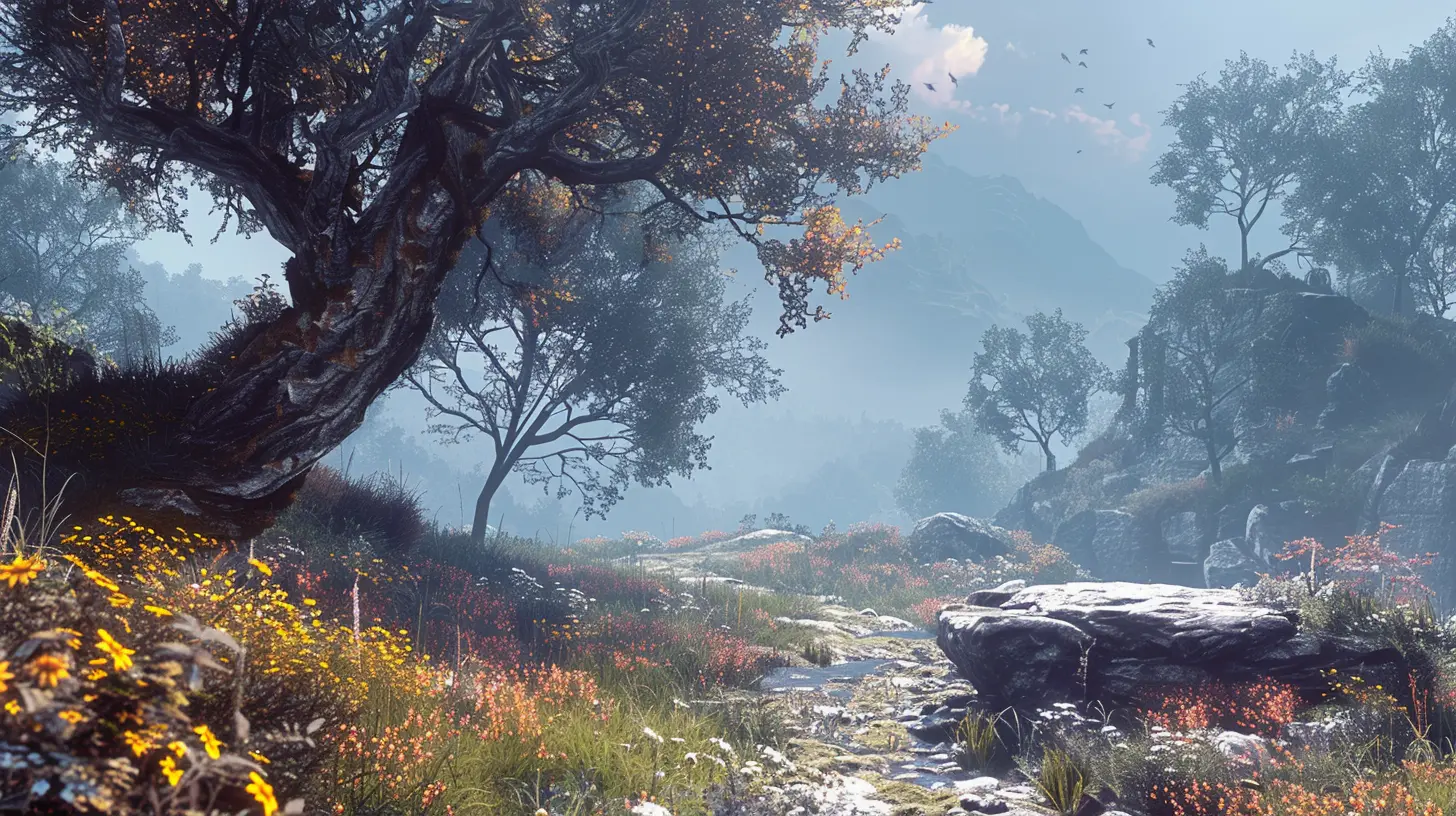
What Exactly Is an Open World Game?
Before we geek out too much, let’s quickly define it. An open world game is a type of video game where players have the freedom to roam vast, often seamless environments. Unlike linear games, where you follow a strict storyline or path, open world games allow you to explore at your own pace. Think of it more like a sandbox than a railroad.Key Characteristics:
- Non-linear gameplay- Expansive maps
- Freedom of choice
- Side missions and world events
- Dynamic environments and NPCs
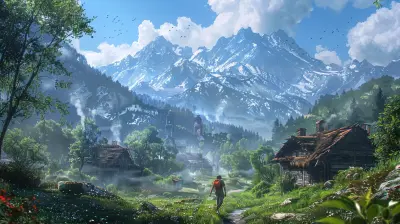
Open world games offer the digital equivalent of stepping outside your front door with a backpack and no set destination—anything is possible.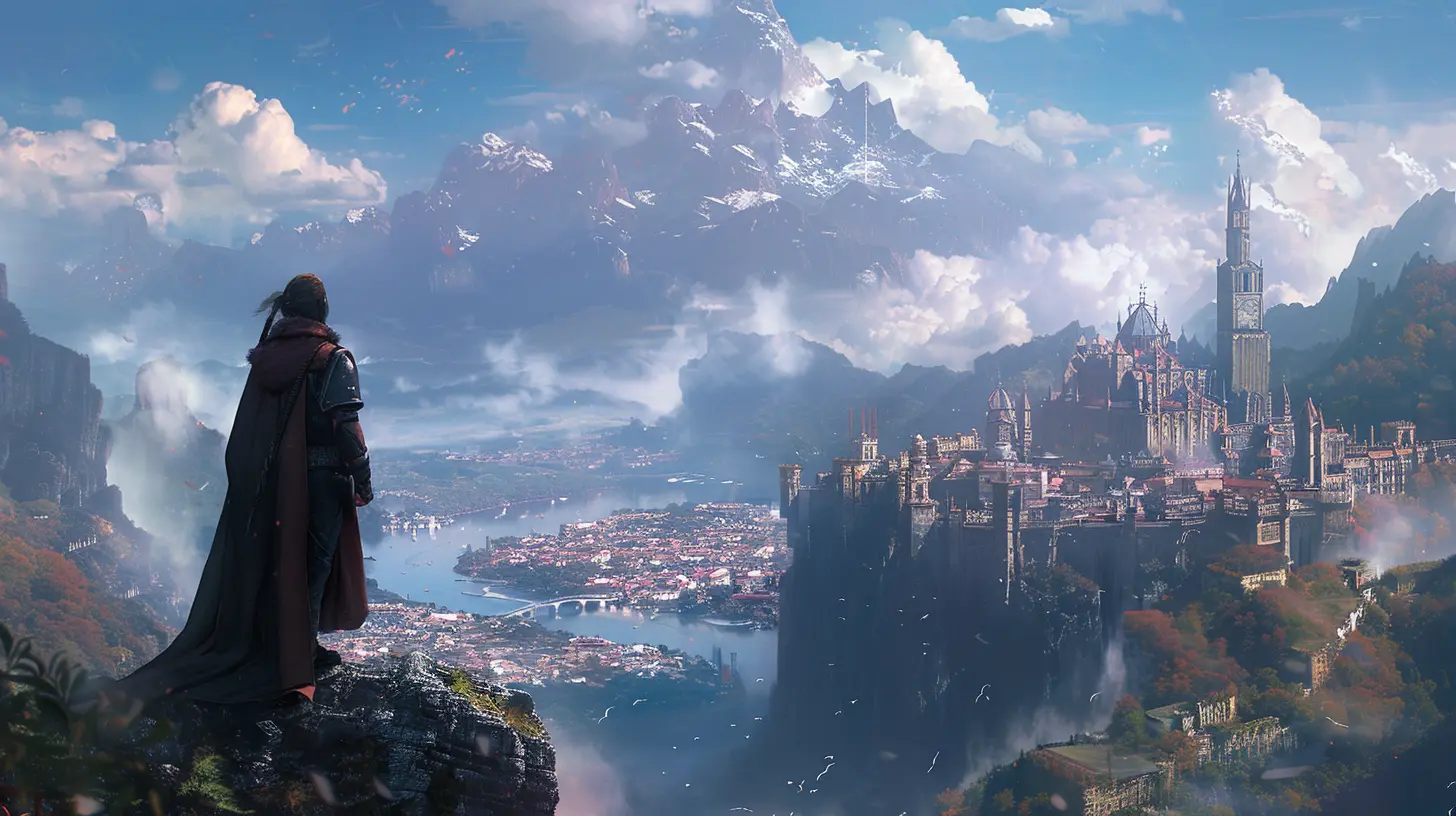
The Evolution of Open World Games
Take a trip back in time, and you’ll see how far these games have come. Remember the pixelated landscapes of early RPGs? Titles like “The Legend of Zelda” and “Ultima” laid the groundwork. Fast-forward to today, we have titles like The Witcher 3, Red Dead Redemption 2, and Elden Ring that redefine immersion and storytelling.Games have moved from 2D scrollers to multi-layered, 3D universes filled with dynamic weather, day-night cycles, and AI-driven ecosystems. Technology didn’t just level up—it leveled the entire playing field!
Why Open World Games Feel So Magical
So, what is it that makes open world games feel so dang enchanting? Sure, it’s impressive technology, but it’s more about how it makes us feel. Here's where the real magic kicks in.1. Freedom to Choose Your Adventure
Ever wish life had a fast-travel option or a restart checkpoint? Open world games give you that sense of control. You decide when, where, and how the story unfolds. You could spend hours fishing in a remote lake when the main storyline is literally on fire somewhere else.It’s that level of autonomy that makes each player’s journey unique. No two saves are ever the same.
2. Immersion That Pulls You In
Great open world games don’t just show you a map—they drop you into living, breathing worlds. You smell the rain, hear the wind rustling through trees, and feel the grit as your boots hit the muddy trail.Developers work hard to create environments that feel real. From ambient sounds and realistic lighting to believable NPC behavior, it all adds up to complete immersion. And once a game gets its hooks in you like that, it’s tough to let go.
3. Side Quests With Soul
Let’s be honest—sometimes side quests in linear games feel like busywork. Go here, fetch that, kill this. But in open world adventures, side quests often come with their own little stories, surprises, and twists.Take The Witcher 3, for example. Some of its most memorable moments aren’t even part of the main story! That weird haunted house you accidentally walked into turned out to be a heart-wrenching tale of loss and redemption. Who knew?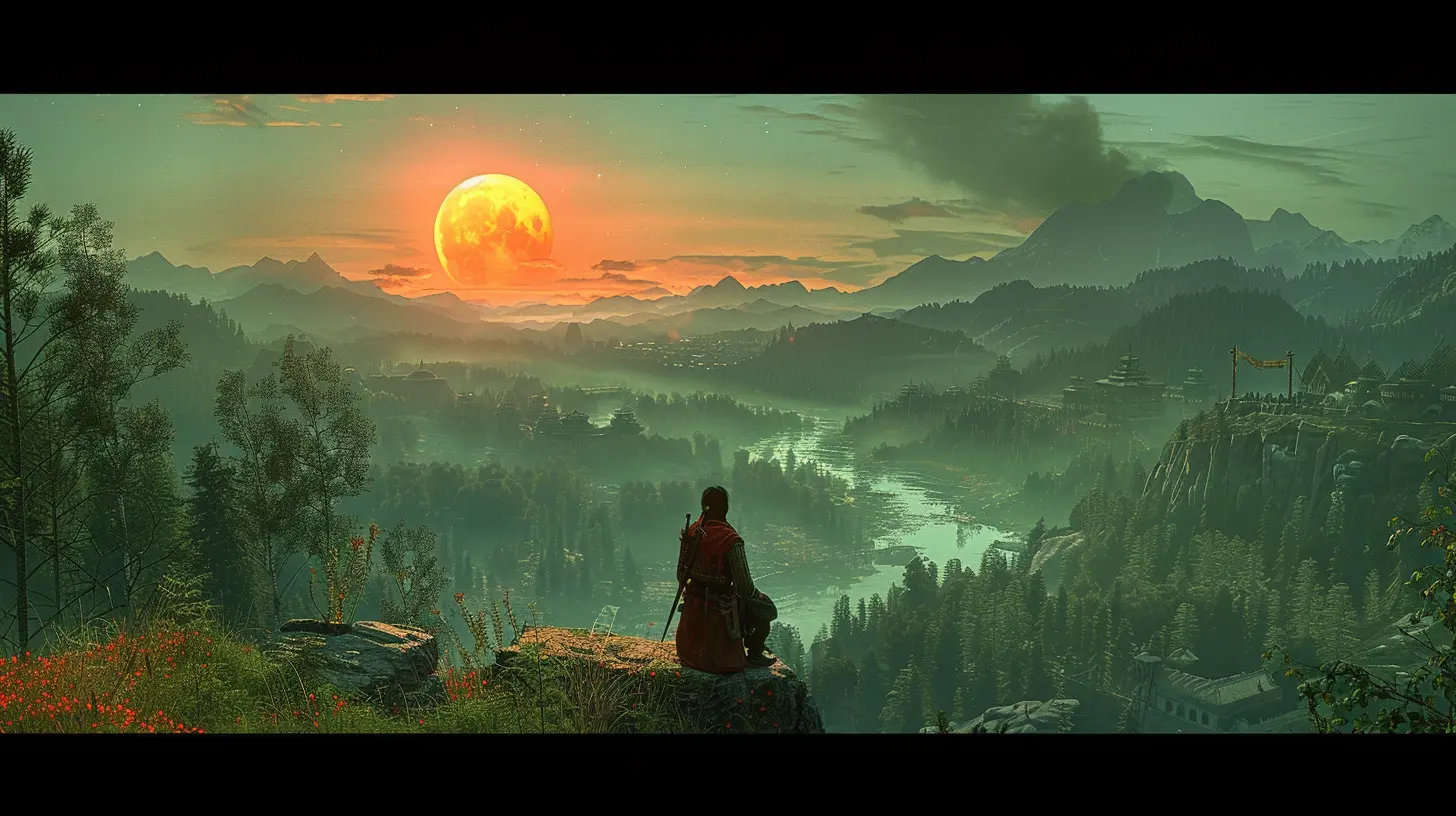
The Role of Environment in Open World Design
Okay, this is where things get juicy. The environment isn’t just a backdrop, it’s an unsung character in the game.1. Verticality and Exploration
Gone are the days when you’d hit invisible walls or “You can’t go there yet” messages. Now, if you see a mountain, you can typically climb it. Games like Breath of the Wild excel at this, turning the environment into a vertical puzzle playground.This encourages creativity. How you get somewhere is just as important—and fun—as getting there.
2. Biomes and Diversity
Open world games often take you across deserts, forests, snowy peaks, and abandoned cities—all in one map. Not only does this variety keep things interesting, but it also sets the tone and atmosphere.Switching biomes feels like changing chapters in a book, each with its theme and challenges. Whether it's sandstorms that mess with visibility or icy terrain that slows you down, these changes make you adapt and think on your feet.
NPCs That Feel Like Real People
One of the best things about open world adventures? The characters that populate them. From quirky shopkeepers to mysterious wanderers, NPCs now have lives. They wake up, go to work, have conversations, and sometimes—even die when you’re not around (yep, looking at you, Skyrim mods).This adds layers of depth and believability. You’re not just the hero in a static world—you’re a part of a wider, ever-changing story ecosystem.
Emergent Gameplay: When the Game Writes Itself
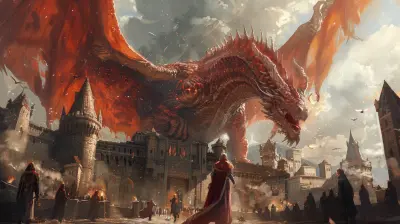
Ever tried to sneak past guards in a stealth mission, only to trigger a chain reaction of chaos that ends with a dragon crash-landing and roasting everyone? That’s emergent gameplay.It’s when systems in the game interact in ways even the developers didn’t fully plan. Physics engines, weather, AI behavior—all these things can collide to create unique, unplanned moments. And those moments? They’re often the ones we remember the most.
Multiplayer Open World: The More, The Merrier?
Traditionally, open world games were solo experiences. Just you and the great digital unknown. But multiplayer has started to creep in, and the results are… mixed, but promising.Games like GTA Online and Red Dead Online allow players to explore massive worlds together. While it can sometimes feel chaotic or grief-heavy, there’s something undeniably fun about teaming up to pull off a heist or just goofing around in the wild west.
Top Open World Games Worth Experiencing
Let’s be honest—there are a lot of open world games out there. Some good, some great, and a few that totally blew our minds. Here’s a quick shoutout to some of the best:1. The Witcher 3: Wild Hunt
A masterclass in storytelling, world-building, and character development. Geralt’s world is grim, gorgeous, and full of heart.2. The Legend of Zelda: Breath of the Wild
A reinvention of a classic. This game made every rock, mountain, and tree feel like a puzzle waiting to be solved.3. Red Dead Redemption 2
Arthur Morgan’s redemption story, paired with insanely rich world interactivity, sets a gold standard for immersive open worlds.4. Elden Ring
FromSoftware’s dive into open worlds brings their signature challenge to a massive, mysterious land that rewards exploration like no other.The Future of Open World Games
With tech moving faster than ever, what’s next?We’re seeing AI-generated landscapes, more dynamic weather, and even better NPC behavior. VR might just take open world immersion to the next level, where you’re not just playing the world—you’re living in it.
And let’s not forget procedural generation—a system that builds content on the fly, making each playthrough unique. Games like No Man’s Sky are already leaning into this, offering entire galaxies to explore.
Could we be heading toward limitless digital universes? Honestly, it’s starting to feel like that.
Conclusion: Why We Keep Coming Back
Open world games offer something rare: the chance to be part of a story that feels like your own. Whether you're scaling snowy peaks, taming wild beasts, or just watching the sunset from a cliffside hut—you’re in the driver’s seat.They’re more than just games. They’re experiences. They’re journeys. And most of all, they’re a reminder that sometimes, the best adventures are the ones you never planned.
So next time you boot up an open world game, don’t rush. Wander a little. Look around. Talk to strangers. Climb the mountain just because you can. Because that—right there—is where the magic lives.
all images in this post were generated using AI tools
Category:
Game Reviews ArchiveAuthor:

Madeleine McCaffrey
Discussion
rate this article
2 comments
Nadia McGrady
Love these immersive open worlds so much!
April 30, 2026 at 4:49 AM
Madeleine McCaffrey
I'm glad you enjoy them! There's something truly special about getting lost in those worlds.
Olive Mason
Open world adventures ignite our imagination, offering limitless possibilities. They invite us to explore, create, and forge our own paths—unleashing the adventurer within!
April 26, 2026 at 3:02 PM
Madeleine McCaffrey
Absolutely! Open world adventures truly inspire us to dive deep into our creativity and experience new worlds in our own unique ways.