Exploring the Success of Asymmetrical Multiplayer Titles
29 December 2025
Let’s be real for a second—video games have come a long way since the days of Pong and pixelated plumbers hopping barrels. Today, we’ve got sprawling open-worlds, ultra-realistic physics, and online battlegrounds that rage on 24/7. But one genre that’s stealth killed the competition and quietly risen to power? Yeah, asymmetrical multiplayer games.
You’ve probably already played a few without even realizing it. Think titles like Dead by Daylight, Friday the 13th, and Evolve. These games flipped the multiplayer script on its head by making teams uneven on purpose, running with different roles, different goals, and very, very different vibes.
So, let’s peel back the layers on what makes asymmetrical multiplayer games so damn appealing—and why gamers can’t get enough of them.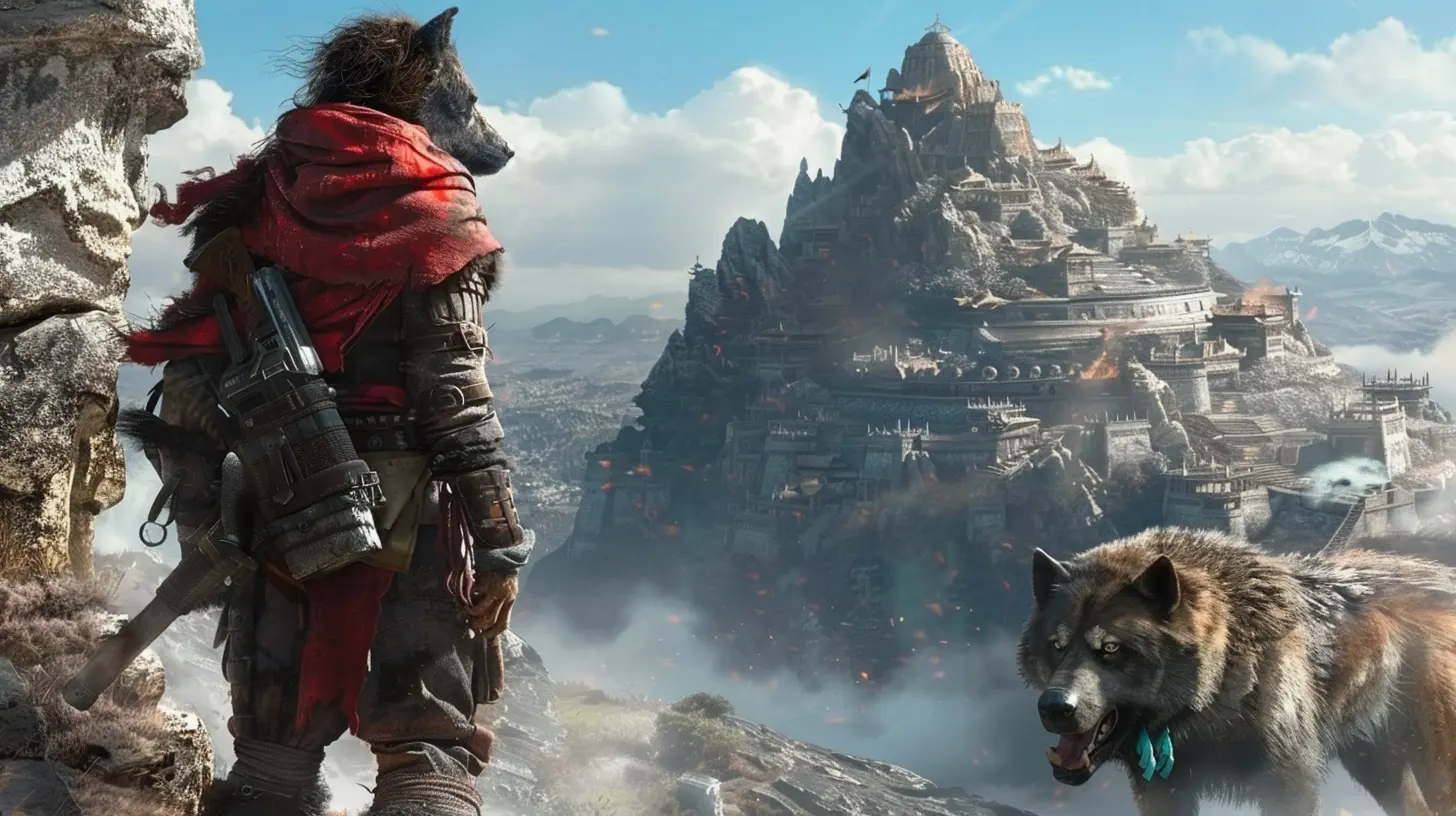
What Exactly Is Asymmetrical Multiplayer?
Okay, let’s get the basics out of the way first. Asymmetrical multiplayer games aren’t your typical team deathmatch scenarios. Nope. They pit players in uneven teams and roles—think 1 vs 4, or even 2 vs 8—with wildly different abilities, objectives, and mechanics.Imagine being the monster hunting down a group of survivors, or vice versa. It's not just about who has the better aim—it's about strategy, tension, and outsmarting your enemy. It’s the cat and mouse game on steroids.
The Appeal of Power (and Powerlessness)
You know what’s oddly satisfying? Feeling like an unstoppable killer one match, and a terrified, flashlight-wielding survivor the next. These games toy with player psychology in a big way. There’s a thrilling balance between power and vulnerability—and the flip-flop between the two is exhilarating.Let’s break it down:
- When You’re the Hunter: You feel like the literal apex predator. Your job? Wipe the floor with the opposing team.
- When You’re the Prey: You’re on edge, every second counts, and coordination is key. It’s pure adrenaline.
That emotional rollercoaster is no accident. It’s built into the design of these games. And honestly? It’s addictive.
Why Gamers Are Obsessed (Spoiler: Variety)
One of asymmetrical multiplayer's biggest flexes is replayability. Since players can take on completely different roles with each match, the experience always feels fresh. No two games are alike.Think about it—you could play dozens of rounds and still discover new strategies, hiding spots, or who among your friends is a backstabbing genius.
And here’s where it gets spicy: asymmetrical games often drip-feed content like new killers, new heroes, fresh maps, and perks. You’re always coming back for “just one more round,” and before you know it, it’s 3 AM and you’re wide awake, heart racing.
Let’s Talk about the Big Boys: Titles That Nailed It
1. Dead by Daylight – The Undisputed King 🔪
This game is the OG that keeps on slashing. Four survivors attempt to escape while one killer hunts them down. The tension is thick enough to slice with a chainsaw (which, ironically, is also a weapon in-game).What makes DBD a legend?
- A massive roster of killers, including iconic horror legends like Michael Myers, Freddy Krueger, and Pyramid Head.
- Survivors have to repair generators, hide, and work together, while the killer thrives on chaos and separation.
- Regular updates, events, and crossovers that make horror fans fangirl hard.
2. Friday the 13th – A Slasher Film in Game Form 🎥
Even though its development hit a few legal roadblocks, Friday the 13th: The Game carved out a gory legacy.Playing as Jason? You’re basically unstoppable. Playing as a teen counselor? You’re praying, running, hiding, and hoping your friend doesn’t lock the cabin door on you (which they absolutely will).
It’s tense. It’s chaotic. It’s a scream.
3. Hunt: Showdown – Yeehaw! Gothic Horror Goes Wild West 🤠
This one’s for the hardcore. “Hunt: Showdown” blends PvP with PvE in an eerie, swampy battleground. Players hunt monsters, but here’s the kicker—they’re ALSO hunting each other.It’s slow-burn suspense meets quick-trigger shootouts.
4. Predator: Hunting Grounds – If It Bleeds, You Can Play It
How do you make an iconic alien hunter fresh in 2024? Simple: Let players become the Predator. Or be the poor military squad desperately trying to not end up as trophies.It’s a nostalgic throwback wrapped in modern gunfire.
These games don’t just work—they thrive because they bring something fresh to the digital table.
What Makes a Good Asymmetrical Multiplayer? (Hint: Balance Is Everything)
So, what separates a great asymmetrical title from a buggy mess of unbalanced chaos? It’s all about tension and fairness. Yeah, even when the teams are uneven, the experience can’t feel unfair.Here’s the checklist:
- Unique Roles that Feel Powerful in Their Own Way: Nobody wants to be the designated cannon fodder.
- Strategic Objectives over Simple Combat: These games are less about high kill counts and more about smart plays.
- Player Communication: Survivors rely on teamwork. Killers rely on mind games. Everybody wins (or dies trying).
- Regular Updates and Meta Shifts: The grind stays real when there’s always something new to master.
Balance is a slippery slope. You don’t want to make the killer invincible, but they also shouldn’t be swatted like a fly. It’s a never-ending tug-of-war—and when developers get it right, it’s magic.
Asymmetry Builds Community… and Drama
You know what keeps games alive longer than fancy graphics? Community.Asymmetrical multiplayer games create fanbases who are ride or die. Why? Because these games are storytelling goldmines. Epic escapes, jaw-dropping betrayals, killer clutch wins—every match becomes a war story.
Players create memes, share highlights, theorycraft strategies, and… occasionally rage at each other (it’s part of the charm, okay?).
Also, let’s not ignore the streamers and YouTubers who feed off the drama. These games make for amazing content—which fuels interest, fuels hype, and fuels sales. It’s a beautiful cycle.
Challenges? Oh, There’s a Few.
Alright, it’s not all sunshine and generator repairs. Asymmetrical games, bless their chaotic little hearts, come with hurdles:- Imbalance Issues: If one side starts winning more often, people get salty. And salty players? They leave.
- Matchmaking Woes: No one wants to wait 15 minutes to play just one round.
- Toxic Players: A well-timed tea-bag or unfair camping strategy can sour the experience.
Still, the best devs listen to their communities and patch those cracks. The genre’s growing pains are real, but so is its resilience.
The Future Is Looking… Twisted
Asymmetrical multiplayer isn’t going anywhere. In fact, it’s just warming up. With tech improvements, AI enhancements, and developers now fully leaning into this genre, expect even more mind-bending titles on the horizon.Some trends to keep an eye on:
- More licensed tie-ins (think horror franchises, sci-fi IPs, maybe even superheroes)
- Better AI roles to fill gaps in matchmaking
- Cross-platform play to keep the queues full
- Narrative-driven asymmetry that blends storytelling with multiplayer mayhem
The genre is evolving—and fast. Every update, every patch, and every new title is a sign that asymmetry isn’t just a gimmick. It’s a pillar.
Final Thoughts: Why Asymmetrical Multiplayer Is Killin’ It 💥
Let’s wrap this up, shall we? Asymmetrical multiplayer games are the adrenaline-soaked, strategy-dripping, drama-packed answer to stale 5v5 shooters. They thrive because they offer something wild, unpredictable, and endlessly entertaining.Whether you’re the terror that stalks the night or the last survivor limping toward the exit, these games hit differently. They challenge conventions. They build stories. And they make us scream—sometimes with frustration, but mostly with joy.
So next time you're booting up a game and you want something a little unbalanced, a little chaotic, and a whole lot of fun? Go asymmetrical. Trust me, you'll never look at plain ol’ team deathmatch the same way again.
all images in this post were generated using AI tools
Category:
Game Reviews ArchiveAuthor:

Madeleine McCaffrey
Discussion
rate this article
3 comments
Astoria King
Asymmetrical multiplayer games offer unique experiences, but balance remains crucial.
April 10, 2026 at 4:39 AM
Madeleine McCaffrey
Absolutely. Balance in asymmetrical multiplayer is key to keeping gameplay fair and engaging, ensuring everyone enjoys the unique dynamics.
Levi Collins
Asymmetrical multiplayer games have carved a unique niche in gaming, fostering intense competition and teamwork. Their innovative mechanics and diverse roles offer players fresh experiences, proving that imbalance can lead to exhilarating gameplay and memorable moments.
January 14, 2026 at 4:00 AM
Madeleine McCaffrey
Absolutely agree! Asymmetrical multiplayer games create dynamic interactions that keep players engaged and excited. They really push the boundaries of traditional gameplay.
Zyana McMichael
Asymmetrical multiplayer games offer unique experiences, but uneven balance can frustrate players.
December 30, 2025 at 5:04 PM
Madeleine McCaffrey
That's a valid point. While asymmetrical multiplayer games provide engaging and varied experiences, maintaining balance is crucial to ensure player satisfaction and retention.