Fighting Games That Revolutionized Competitive Play
16 April 2026
Fighting games have carved out their own throne in the kingdom of competitive gaming. They're fast, intense, and oh-so-satisfying when you finally land that combo you’ve been practicing for days. These games aren't just about mashing buttons—they're about timing, strategy, mind games, and reactions honed to perfection. Over the years, some titles have completely flipped the script, redefining what fighting games could be at the competitive level.
So, what are the fighting games that actually changed the game? Let's talk about the real titans of the genre—the ones that sparked global tournaments, built communities, and created legends.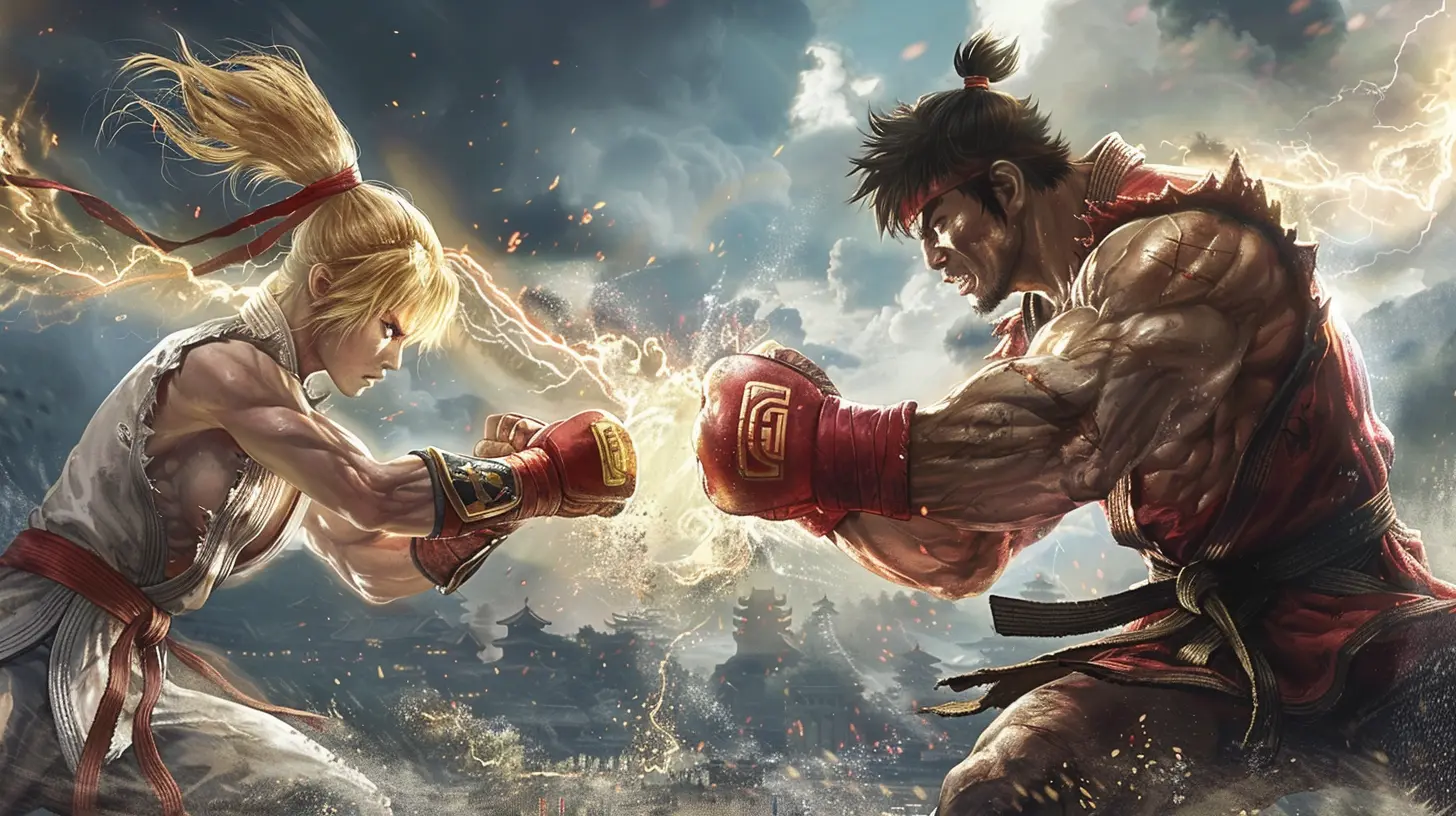
The Rise Of Fighting Games In Competitive Esports
Before diving into specific titles, we need to understand the scene they helped shape. Fighting games were among the first to bring players together in competitive settings. From smoky arcades in the ’90s to massive esports arenas today, the genre has evolved into something special.What makes fighting games unique in the esports world? Unlike team games like MOBAs or shooters, it’s just you and your opponent, face to face. It's pure competition at its core—like chess with fists. And these revolutionary fighting games set the standard for what competitive gameplay could be.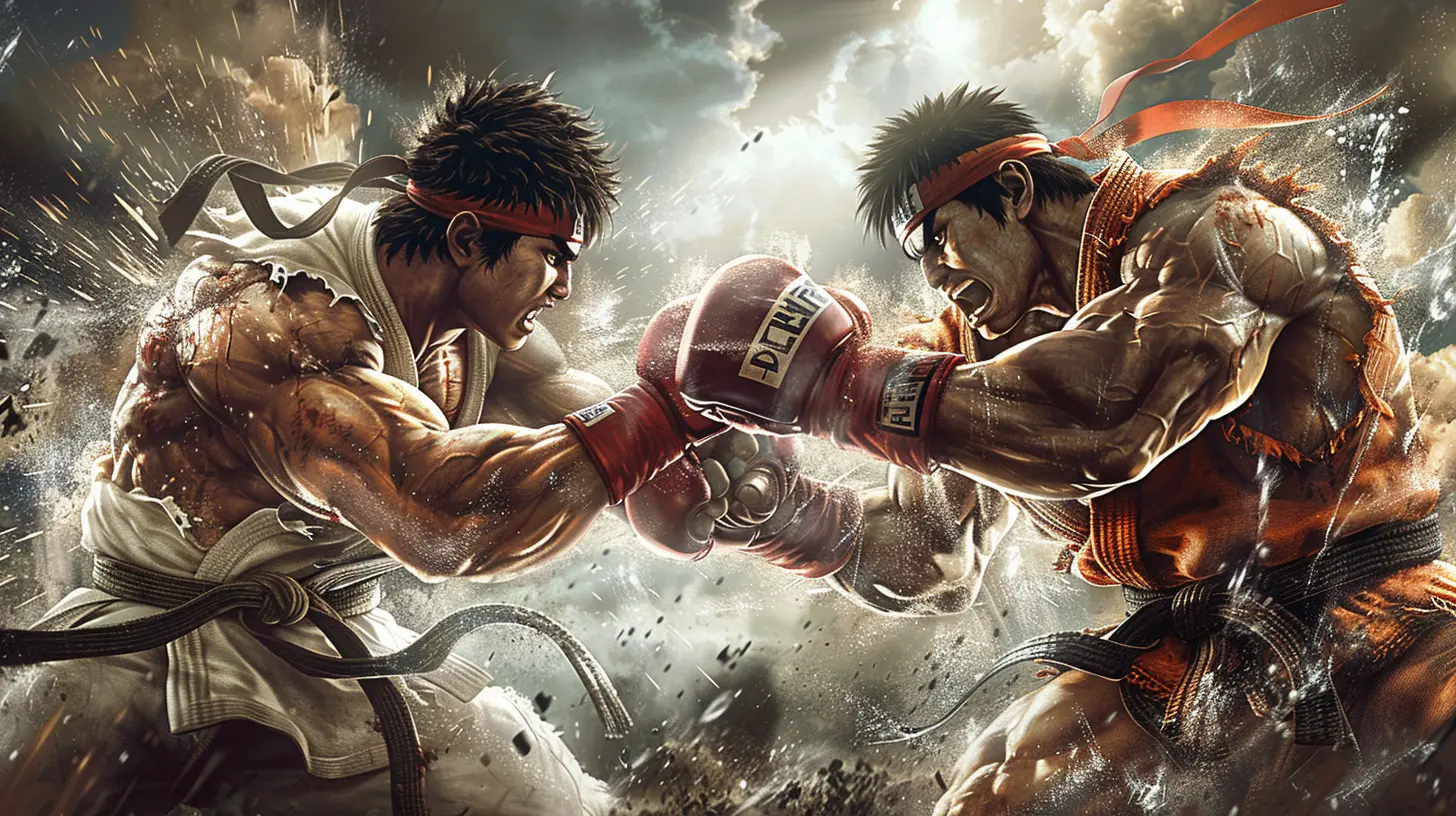
1. Street Fighter II: The Godfather of Competitive Fighting
Let’s start at the top. If there’s a Mount Rushmore of fighting games, Street Fighter II is front and center. Released in 1991, this game didn’t just make fighting games popular—it made them mainstream.What Made It Revolutionary?
- Balanced Cast: SFII had a diverse roster with characters like Ryu, Chun-Li, and Guile, each with unique fighting styles.- Combos: This was one of the first games where players discovered combo mechanics, adding depth and skill to fights.
- Tournaments: The game practically invented competitive fighting with local and international competitions springing up across the globe.
The arcade scene blew up thanks to Street Fighter II. You weren’t just playing for fun; you were playing to earn respect—one quarter at a time.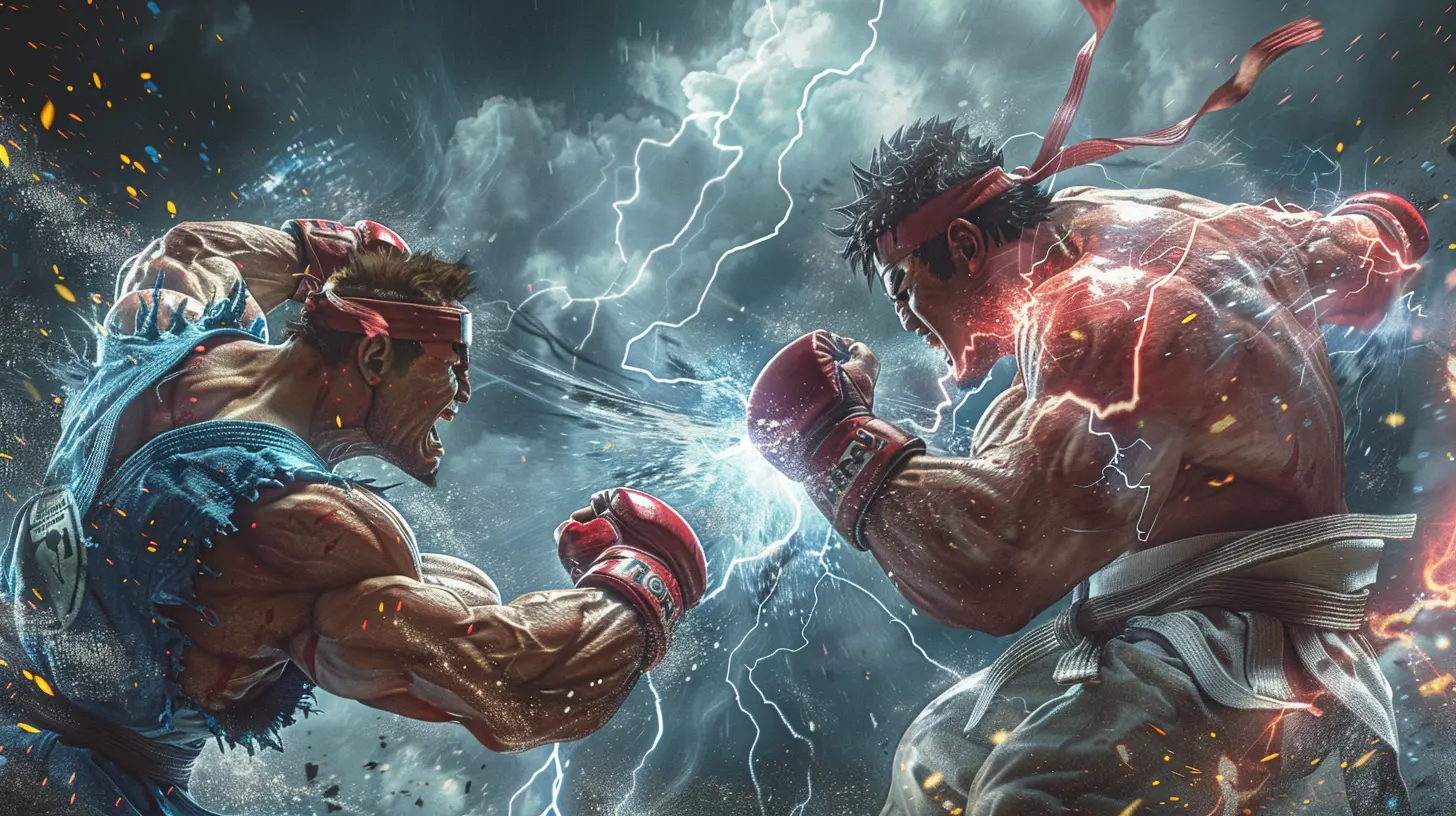
2. Super Smash Bros. Melee: A Party Game Turned Competitive Staple
Now, this one might surprise some people. When Super Smash Bros. Melee hit the GameCube in 2001, it was supposed to be a fun, casual party game. What fans did with it, though? That was next level.Why Was Melee a Game-Changer?
- Unintended Mechanics: Techniques like wave-dashing and L-canceling weren’t designed to be competitive features, but skilled players turned them into strategic tools.- Speed and Precision: Melee is fast—like, blink-and-you-miss-it fast. It demands lightning reflexes and deep character knowledge.
- Longevity: Despite newer entries, Melee still has a loyal pro scene more than 20 years later.
Melee was proof that players could shape a game’s competitive potential, even if the developers didn't plan for it.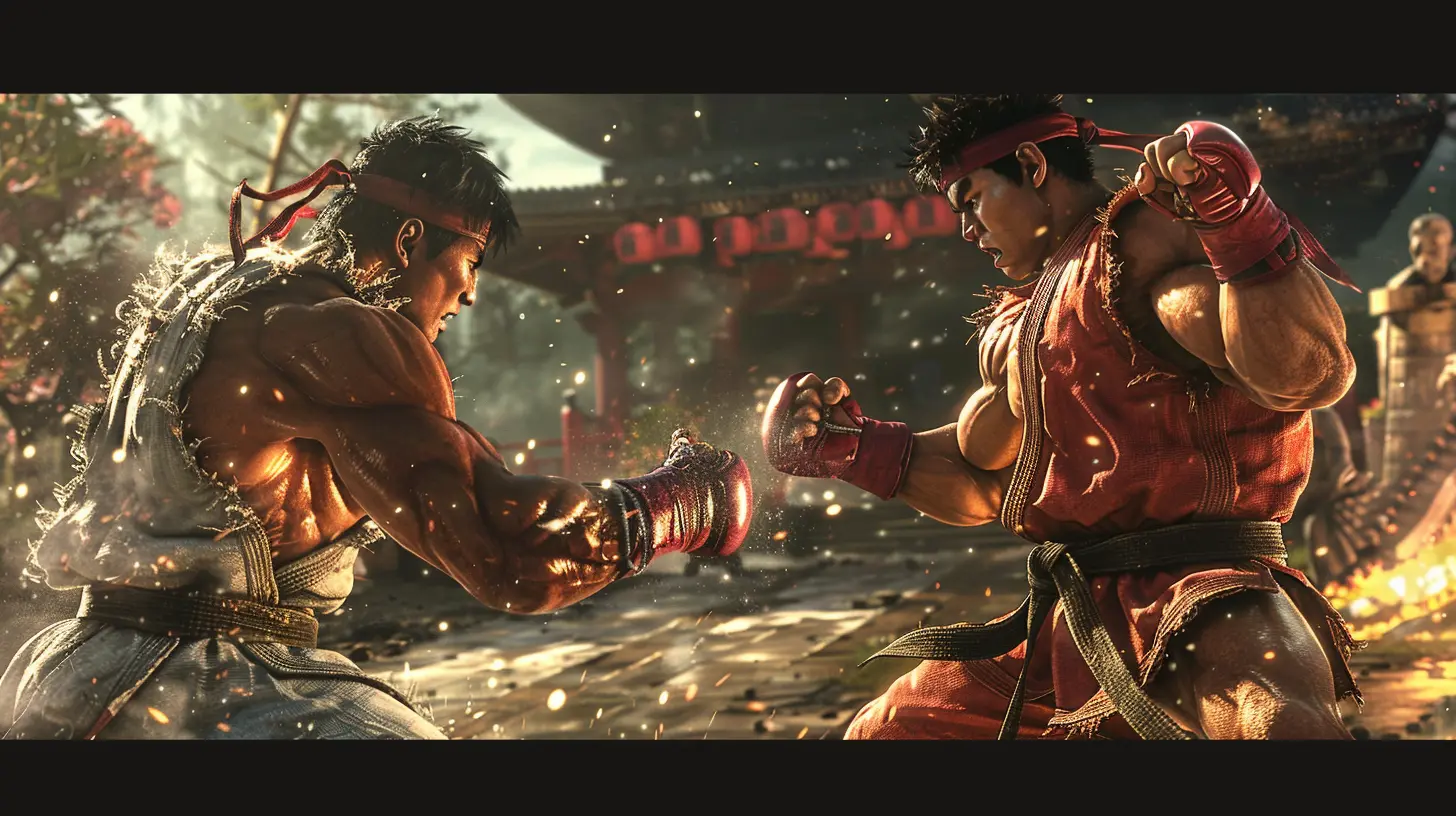
3. Tekken 3: The 3D Fighting Revolution
Tekken wasn’t the first 3D fighter, but Tekken 3 (released in 1997) was definitely the one that got everyone to pay attention.What Set Tekken 3 Apart?
- Depth of Gameplay: We're talking over 20 characters, directional movement (not just left-right), juggles, and intricate combos.- Smooth Animation: Movements were silky smooth. Matches felt like a dance—one wrong step and it was over.
- Competitive Precise Inputs: Unlike some button mashers, Tekken 3 rewarded precision and timing.
This was one of the first fighting games to bring serious depth to 3D movement, and it’s a blueprint that Tekken still builds on today.
4. Mortal Kombat: Bringing Spectacle To The Stage
You can’t write a list like this without mentioning Mortal Kombat. From its gory visuals to its iconic “Finish Him!” moments, Mortal Kombat made a name for itself by doing things differently.Why Did It Matter?
- Unique Identity: While other games were doing flashy kicks and fireballs, MK leaned into dark, gritty violence.- Competitive Framework: Over time, especially with Mortal Kombat 9 and onwards, the franchise matured into a competitive powerhouse.
- Easy to Learn, Hard to Master: Basic moves were approachable, but high-level play required strategy and precision.
MK brought cinematic drama to competitive fighting. It’s not just about who wins—it’s about how spectacularly they do it.
5. Marvel vs. Capcom 2: The Combo King
Let’s just say it—Marvel vs. Capcom 2 is chaos. Beautiful, deliberate chaos. Released in 2000, it turned heads with its speed and massive 56-character roster.What Made It So Special?
- Team-Based Fighting: Pick three characters and swap them on the fly. It’s like tag-team wrestling with superheroes.- Insane Combos: You weren’t just fighting—you were orchestrating long, explosive combo strings.
- Visual Flair: Every hit was a firework. Every super move felt like an event.
It’s hard to think of a game with more style. MvC2 wasn’t just competitive—it was electric. And it still has a cult following to this day.
6. Guilty Gear X: The ArcSys Revolution
For anime fighters, Guilty Gear is the holy grail. Guilty Gear X (2000) was a huge leap forward—both artistically and mechanically.Why Did This Game Matter?
- Distinct Art Style: It looked like you were playing an anime.- Rock-Solid Mechanics: It introduced concepts like Roman Cancels and air dashes, which added immense depth.
- High Skill Ceiling: Learning Guilty Gear meant investing time, but the payoff was huge.
Arc System Works poured heart and soul into these games. If you wanted speed, style, and complexity all in one, Guilty Gear was where you went.
7. Street Fighter IV: The Revival
After a quiet few years for the genre, Street Fighter IV came along in 2008 and sparked a renaissance.Why Was SFIV A Game-Changer?
- Ultra Moves: Comeback mechanics became a big thing, adding suspense to every match.- Online Play: It brought competitive fighting into the online era in a big way.
- Global Tournaments: SFIV helped spawn events like EVO into the juggernauts they are.
This game rebuilt the fighting game scene. It brought back veterans, recruited new fans, and created a global community with a shared language of jabs, uppercuts, and Hadoukens.
8. Dragon Ball FighterZ: Anime Meets Esports
When Dragon Ball FighterZ launched in 2018, people went wild. It was flashy, fast, and—most importantly—fairly deep.Why Was It Different?
- Visuals Straight from the Anime: Seriously, it looked just like the show.- Approachable and Technical: Easy combos for beginners, complex systems for pros.
- Esports Focused: Balanced with tournaments in mind from the start.
This was the first time many casual anime fans crossed into competitive gaming, and it created a vibrant new corner of the community.
9. Killer Instinct (2013): The Underdog That Delivered
This one doesn't always get the love it deserves, but the 2013 reboot of Killer Instinct deserves props.Why Was It Important?
- Dynamic Combo System: It introduced a unique “Combo Breaker” mechanic that added mind games to every fight.- Free-to-Play Model: Helped more players get into the game at launch.
- Balance and Support: Constant updates kept it fair and fresh for years.
It was lightning-fast and incredibly fun to watch, making it a hidden gem in the competitive scene.
The Legacy Of Competitive Fighting Games
Each of these games didn’t just succeed on its own—they built something bigger. They laid the foundation for massive events like EVO, Combo Breaker, and CEO. They inspired streamers, YouTubers, and pro players alike to push the envelope of what's possible.And most importantly? They created community. Whether you're watching Daigo's legendary comeback in Street Fighter or cheering for a wild Tekken grand finals, you're part of something that transcends pixels on a screen.
Fighting games are more than just games—they're battles of will, skill, and raw determination.
The Future Of Competitive Fighting Games
With games like Street Fighter 6, Tekken 8, and Project L on the horizon, the future’s looking bright. Developers are increasingly designing games with competitive balance, rollback netcode (thank you!), and esports potential in mind.Fighting games have never been more accessible or more exciting—and thanks to the trailblazing titles above, the genre isn't going anywhere.
Final Thoughts
So, what makes a fighting game revolutionary? It’s not just about flashy moves or big rosters. It’s about shifting the way we view competition. It’s about forging tight-knit communities, sparking rivalries, and creating moments that live on forever.Whether you're a casual fan or someone who’s been grinding in the lab for years, these games showed us just how far fighting games could go. And you know what? The next revolution might just be around the corner.
all images in this post were generated using AI tools
Category:
Game Reviews ArchiveAuthor:

Madeleine McCaffrey
Discussion
rate this article
2 comments
Tank McTiernan
Great article! It's fascinating to see how these fighting games shaped competitive play and influenced the gaming community. Each title truly brought something unique to the scene.
April 17, 2026 at 4:11 AM
Madeleine McCaffrey
Thank you! I'm glad you found it fascinating. Each game truly has left a lasting impact on the community.
Delta Hunter
Great article! It’s inspiring to see how these games shaped competitive play and continue to influence gamers today.
April 16, 2026 at 3:42 AM
Madeleine McCaffrey
Thanks for reading! I'm glad you found it inspiring. Those games really have had a lasting impact on the scene.