Games That Help Teens Build Strategy Skills
16 July 2026
Let’s be real for a second—teenagers today aren't just glued to their screens for mindless fun. A lot of them are quietly becoming little masterminds behind their computer monitors and consoles. The secret sauce? Games. But not just any games—strategic ones that train the brain like a gym workout for your mind.
If you’re a teen, a parent, or even an educator curious about how digital play can actually sharpen thinking, increase patience, and build laser-sharp focus, you’re in the right place. We’re about to break down the most engaging games that level up strategic thinking skills. And no, we’re not talking about boring educational games. These are fun, challenging, and addictive—in a good way.
So grab your controller or mouse, and let’s dive into the immersive world of games that help teens build real-life strategy skills.
Why Strategy Games Are a Big Deal for Teens
Before we get into the game titles, let’s talk about why strategy in gaming is such a brain-booster. Teens are at that golden age where their decision-making skills are still maturing. They’re learning how to weigh pros and cons, handle pressure, and think long-term—whether they know it or not.Strategy games are like mental obstacle courses. They nudge teens to:
- Plan ahead
- Solve complex problems
- Adapt when things change suddenly
- Compete without losing focus or giving up
Think of it as turning a teen's free time into a secret training ground for critical thinking, time management, and even leadership skills. Not bad for something that comes with side quests.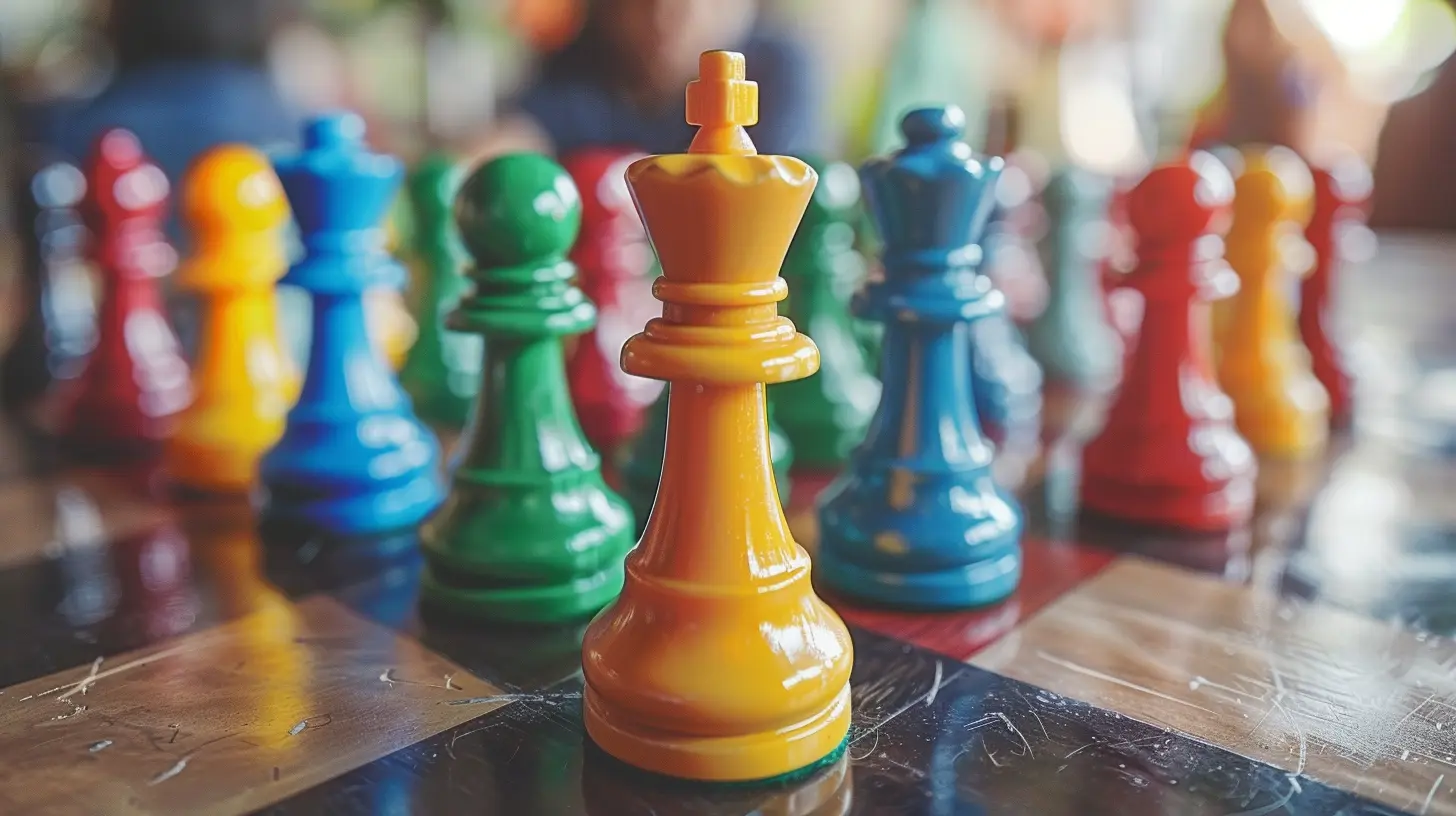
1. Chess (Yes, the Classic One)
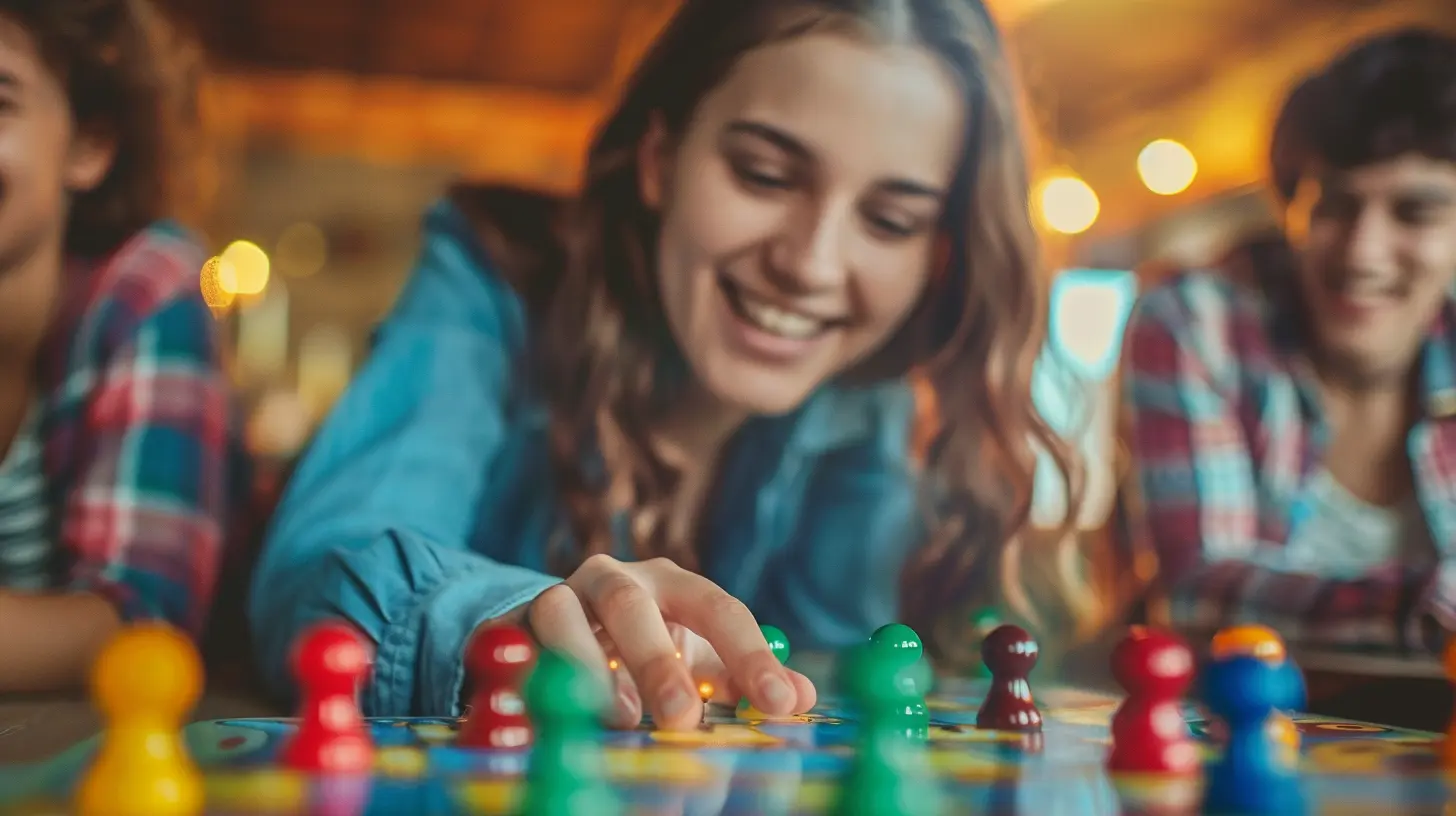
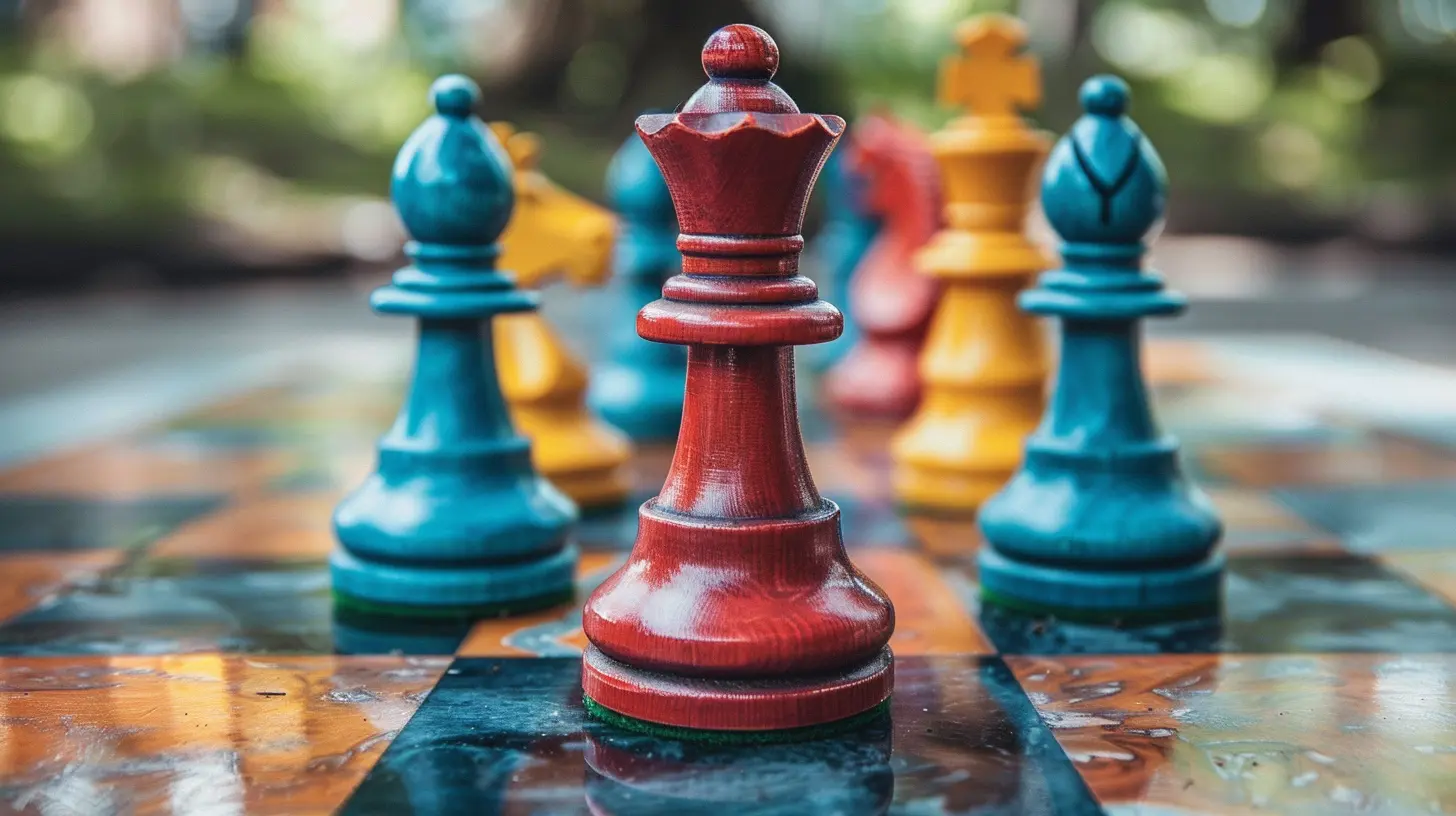
Let’s start old-school. Chess may not have flashy graphics, but it’s still one of the best strategy games out there. Every piece has a role, and every move counts. Teens who get into chess start sharpening their foresight, patience, and planning skills without even realizing it.With tons of online platforms like Chess.com offering puzzles, lessons, and real-time matches, getting started has never been easier. Plus, chess has that cool “I’m-smart-and-I-know-it” vibe going for it.
Why It Works:
- Builds long-term planning- Teaches actions have consequences
- Improves cognitive memory
2. Civilization VI
This one’s for the teens who want to rule the world—literally. In Civilization VI, you build an entire empire from scratch. You manage resources, engage in diplomacy, explore technology trees, and prepare for war.It’s history, economics, and global politics all rolled into one epic game. Teens learn to think big-picture while managing micro-actions every turn.
Why It Works:
- Encourages decision-making based on long-term goals- Balances creativity with logic
- Teaches compromise and negotiation
3. StarCraft II
StarCraft II is the real-time strategy (RTS) game that separates the casual gamer from the pro thinker. Here, milliseconds matter. You’ve got to manage resources, build units, scout enemies, and execute flawless tactics—in real time.Great for teens with a competitive edge, this game builds fast thinking, multitasking, and the ability to stay calm under pressure.
Why It Works:
- Increases mental agility- Sharpens tactical execution
- Develops situational awareness
4. Fire Emblem: Three Houses
This game is like chess but with swords, magic, and a lot more drama. Set in a fantasy world, Fire Emblem has players managing relationships, battling in grid-based factions, and leading a team of warriors.Every decision impacts your team’s trust in you and their performance in battles. Perfect for teens who enjoy narratives with emotional depth.
Why It Works:
- Combines emotional intelligence with logical strategy- Encourages foresight and calculated risks
- Strengthens leadership and team management
5. Into the Breach
This indie gem may look simple, but don’t let the pixel art fool you. Every move you make is crucial. It’s like playing chess, but every match is different and you’re saving humanity from enormous aliens.It’s a turn-based tactics game that punishes lazy thinking and rewards careful planning.
Why It Works:
- Offers high-stakes scenarios with limited resources- Forces precision and efficiency
- Builds adaptability and risk assessment
6. Total War Series
History buffs, this one’s for you. The Total War series mixes turn-based empire building with real-time historical battles. Teens take on the role of generals, politicians, and kings. It’s all about choosing when to fight, when to ally, and when to sit tight.From Rome to feudal Japan, every title in the series lets teens experiment with different styles of leadership and strategy.
Why It Works:
- Merges macro strategies with tactical combat- Enhances time management and planning
- Introduces consequences of war and diplomacy
7. Minecraft (in Survival Mode)
Hear me out. Minecraft isn’t just building blocky houses—it’s an incredible strategy sandbox in Survival Mode. Players have to gather resources, craft tools, create shelter, and fend off monsters.Planning, creativity, and even basic engineering principles get rolled into one pixelated world.
Why It Works:
- Encourages creativity backed by logic- Teaches resource management under pressure
- Promotes trial-and-error problem solving
8. XCOM 2
Aliens have taken over Earth, and you’re leading the resistance. No pressure. XCOM 2 is a tactical combat game where losing a single soldier can cost you dearly. Every move in battle—and every decision outside of it—has consequences.This is perfect for teens who like games that challenge their brain and gut instinct at the same time.
Why It Works:
- High-stakes decision making- Resource and personnel management
- Forces prioritization under uncertainty
9. Portal 2
While it’s more of a puzzle-platform game than a traditional strategy game, Portal 2 deserves a spot for how brilliantly it teaches problem-solving under constraints. Teens must figure out how to escape rooms using only their brains and a teleportation gun.The physics-based puzzles are sneaky—they build strategic thinking by making teens think differently.
Why It Works:
- Enhances logic and spatial reasoning- Encourages out-of-the-box thinking
- Builds patience and perseverance
10. Clash Royale
Looking for a strategy game that teens can play on their phones? Clash Royale is a real-time card-based battle game that combines elements of tower defense and deck building.Despite short battle durations, the thinking is deep. Every card played is a micro-decision in an evolving tug-of-war.
Why It Works:
- Builds strategic thinking in high-speed matches- Encourages real-time problem-solving
- Teaches resource deployment and timing
11. The Legend of Zelda: Breath of the Wild
While Zelda games are mostly action-adventure, Breath of the Wild pushes teens to strategize their every move. Whether it’s figuring out how to scale a mountain, when to engage in combat, or how to solve intricate shrine puzzles—this game is about creative problem solving at its best.Why It Works:
- Combines exploration with puzzle-solving- Encourages planning before action
- Enhances spatial and strategic awareness
What Teens Really Gain From Strategy Games
It’s not just about the win screen or leaderboard. Strategy games nurture some seriously valuable life skills:- Critical Thinking – Figuring out what works and what doesn’t, and making better decisions next time.
- Patience – Not everything happens fast. Some victories take hours—or weeks.
- Resilience – You’re gonna fail. But that one extra try might turn it all around.
- Focus – Strategy games demand attention to detail and long-term vision.
- Teamwork – Many of these games teach cooperation, delegation, and leadership.
These aren’t just “game skills”; they’re life skills. They help teens become better students, communicators, and even future professionals.
How to Encourage Strategic Gaming (Without the Guilt)
Worried about screen time? You’re not alone. But here’s a tip: it’s not always about how long teens play—it’s what they play and how they engage with it.Here’s how to make strategy games a positive part of life:
- Set clear boundaries for screen time
- Balance gaming with outdoor or physical activities
- Play the games together—you’ll be surprised how fun that is
- Use games as a reward for completing homework or chores
- Talk about the decisions they made in-game and ask what they learned
Remember, the goal isn’t to turn your kid into a pro gamer (unless they want that). It’s about letting them sharpen their minds while doing something they love.
Final Thoughts
Gaming often gets a bad rap, but strategy games are the quiet heroes of digital play. They’re not just time-fillers—they’re brain-builders. Whether it’s ruling empires, surviving alien wars, or solving physics puzzles, these games make teens think, adapt, and grow.So the next time you see a teen deep in a mission, don’t assume they’re zoning out. They might just be building the strategic skills that’ll take them far in life—one carefully planned move at a time.
all images in this post were generated using AI tools
Category:
Games For TeensAuthor:

Madeleine McCaffrey
Discussion
rate this article
2 comments
Patrick Hubbard
It's interesting to see how games can serve as more than just entertainment. They really do foster critical thinking and strategy skills in teens, preparing them for real-life challenges.
September 5, 2026 at 4:39 AM
Madeleine McCaffrey
Absolutely! Games can be a powerful tool for skill development, teaching teens how to think critically and approach challenges creatively. It's exciting to see their potential beyond just fun.
Tamara Kane
It's great to see games highlighted for their educational value. Teens can really benefit from strategy-based gameplay, enhancing their critical thinking and decision-making skills while having fun. A perfect blend of learning and entertainment.
July 16, 2026 at 3:43 PM
Madeleine McCaffrey
Absolutely! Games can be a powerful tool for learning while keeping things enjoyable for teens. Its exciting to see this balance getting the recognition it deserves.