Games That Introduced Innovative Combat Mechanics
28 April 2026
Alright, let’s be honest for a second — there are games, and then there are game-changers. You know, the titles that don’t just slap a fancy sword and shield in your hands and tell you to swing mindlessly, but instead, make you stop and say, “Whoa… this is different.”
Combat is the backbone of so many games. Whether you're flinging fireballs, dodging flying punches, or executing pixel-perfect parries, if your combat system is trash, the game feels stale real fast. But every once in a while, a developer comes along and throws out the tired old playbook. They rip it up, light it on fire, and give us something bold, something fresh, something downright revolutionary.
So buckle up, because we’re diving head-first into the most innovative combat mechanics to ever grace our consoles and PCs. These are the games that dared to be different — and nailed it.
1. Dark Souls – Risk vs Reward Combat With Stamina Management
Let’s kick things off with the godfather of modern melee combat innovation — Dark Souls. If you haven’t at least heard of this game, chances are you've been living under a rock that probably has skeletons hiding behind it.Dark Souls didn't just make combat difficult; it made combat meaningful. Every swing of your sword, every dodge, and every block comes with a cost — your stamina. Run out? Too bad, buddy. You’re about to eat a face full of medieval steel.
This stamina-based system forced you to think before you swing. It’s not just about button mashing — it’s about timing, spacing, and commitment. And let’s not forget the weight of your gear. Heavy armor turns you into a walking tank, but good luck rolling out of danger.
The whole thing turned combat into a tense, methodical, almost chess-like experience — and man, did it feel good when you nailed it.
2. Batman: Arkham Asylum – Freeflow Combat That Feels Like Dancing
Remember the first time you played Arkham Asylum and got into a fight with a dozen thugs? Yeah, you felt like freakin' Batman.Rocksteady’s Freeflow Combat System was pure genius. You press one button to attack, another to counter, and the game does the rest — turning your button taps into cinematic excellence.
It’s not just the animations that made it slick. The system reads your input and adjusts on-the-fly, letting you chain together punches, kicks, and throws like you're choreographing your own superhero movie. And the best part? It never feels out of control.
Plenty of games since have copied this system — Shadow of Mordor, Spider-Man, even Assassin's Creed — and for good reason. It's clean, it's intuitive, and it makes you feel like an unstoppable martial arts machine.
3. Superhot – Time Moves When You Move
If someone told you that standing still could give you bullet time powers, you'd laugh, right? Well, Superhot made that a reality.This minimalist, first-person shooter mashed together action and puzzle-solving in the most mind-blowing way possible. In Superhot, time only moves when YOU move.
Seriously, stop moving mid-shootout, and the enemies freeze in place. Take a step, and suddenly the fight kicks back into gear. It's like being the director of your own John Wick movie, where every action is deliberate, every kill is stylish, and every mistake is on you.
It completely flipped the FPS genre on its head — not by adding more guns or explosions, but by rethinking time itself.
Talk about bending the rules.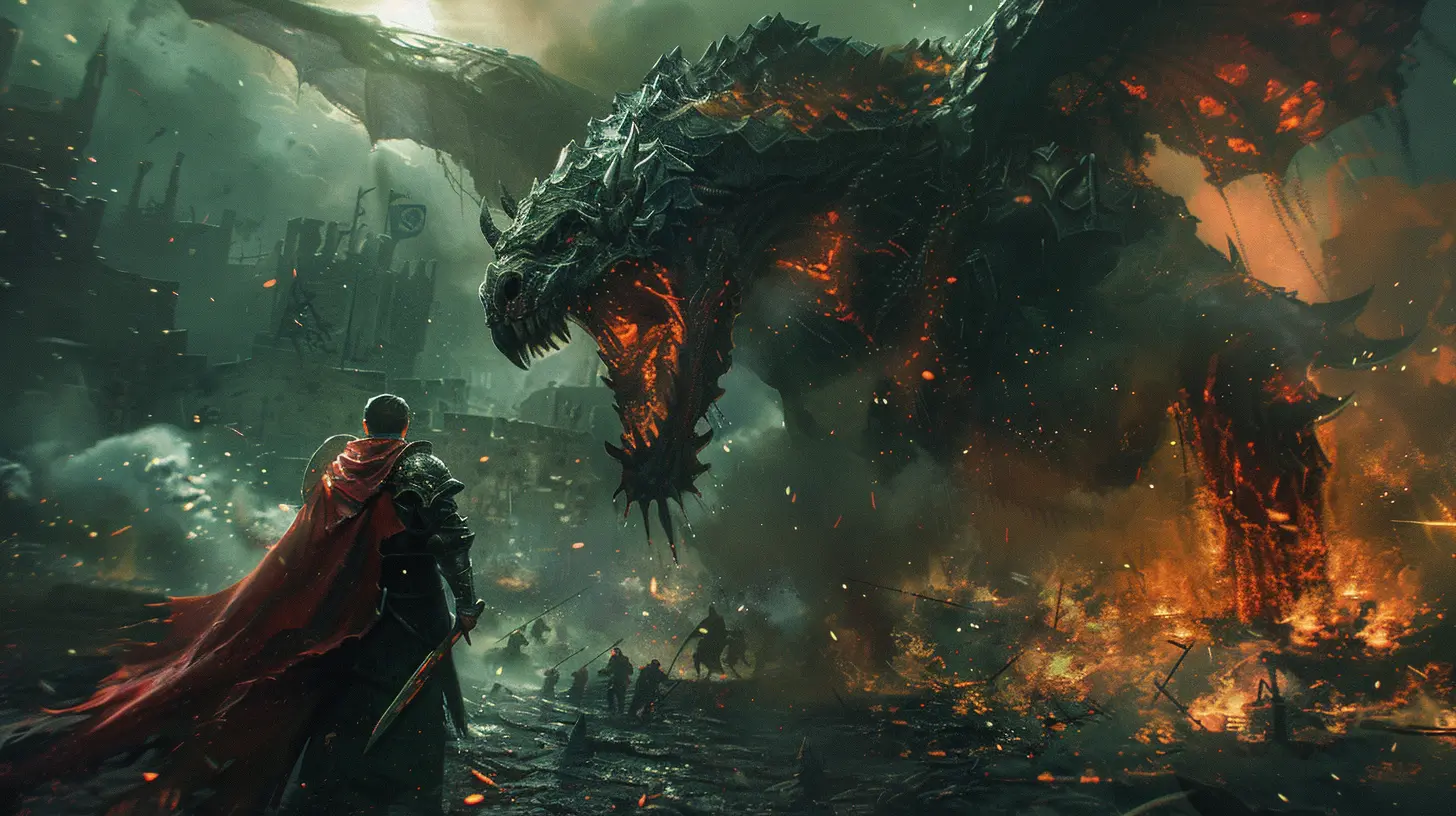
4. Metal Gear Rising: Revengeance – Precision Sword Cutting
Let’s take a moment to appreciate how absurdly cool Metal Gear Rising: Revengeance was.You’re Raiden. You’re half-cyborg, half-ninja, all attitude. You’ve got a katana that can slice literally anything — and I mean anything — thanks to a mechanic called Blade Mode.
This isn't your typical hack-n-slash. Blade Mode lets you slow down time and control the exact angle of your sword swings. Wanna slice an enemy vertically into sushi? You can. Prefer a horizontal decapitation? Go for it. Feeling cheeky and want to draw smiley faces on watermelons? Weird, but you can.
It wasn’t just about violence — it was about expression. Combat became a canvas, and your sword was the brush. Stylish, brutal, and strangely satisfying.
5. For Honor – Art of the Duel Combat System
Ubisoft took a wild swing (literally) with For Honor, a game that dared to say, “What if fighting was like fencing — but with axes and flails and samurai swords?”The big innovation here was the "Art of Battle" system — a directional combat mechanic that let you guard and attack from three directions. It felt more like a 1v1 fighting game than a typical action game.
Add in different classes with their own unique combos, parries, and stamina mechanics, and suddenly every battle feels like a tense, sweaty duel between bloodthirsty warriors.
It’s a game that said, “Let’s make melee combat more like chess… but with way more decapitations.”
6. Shadow of Mordor – The Nemesis System Makes Combat Personal
Technically, Shadow of Mordor’s basic combat is borrowed straight from Batman’s Freeflow, but what set it apart? The Nemesis System.Every time you fought an orc captain, win or lose, the game REMEMBERED. They’d come back later, scarred from battle, trash-talking you, craving revenge. Sometimes they’d even adapt and become immune to your favorite moves.
This introduced dynamic storytelling through combat. You didn’t just fight to win — you fought to shape your personal world of rivalries. Combat wasn’t just about killing enemies, it was about making history with them.
No two players had the same story. That’s next-level design.
7. Punch-Out!! – Timing-Based Puzzle Boxing
Let’s rewind the clock to a classic — Punch-Out!!Yeah, it might look cartoony and simple compared to today’s heavy hitters, but the core of its combat was surprisingly deep.
You didn’t just fight by mashing buttons. You had to watch your opponent, learn their patterns, dodge at the right time, land a hit when their guard slipped, and then capitalize hard. It was like a rhythm game had a baby with a boxing sim.
It taught an entire generation that combat wasn’t about being faster — it was about being smarter.
8. Monster Hunter – Tactical Body-Part Targeting
When you play Monster Hunter, you're not just fighting monsters — you're dissecting them mid-fight.Every beast has weak points, breakable limbs, and patterns that need to be carefully studied. The combat isn't fast for the sake of being flashy. It's slow, methodical, and brutally tactical.
You need to prep, pick the right weapon, bring the right items, and know when to strike and when to run like your life depends on it (because it does).
Each fight feels like a boss battle, and every win feels earned through blood, sweat, and broken monster teeth.
9. Devil May Cry – Style-Based Scoring System
Devil May Cry didn’t just ask you to kill demons. It asked you to do it with flair.The heart of DMC's combat? The Style Rank System. The better and more diverse your combos, the higher your score. Repeat the same move? You’re just a scrub. Mix it up, juggle enemies mid-air, and taunt in between — now you’re cooking.
It turned combat into a performance. You weren’t just trying to win — you were trying to be the most stylish slayer in town.
10. Apex Legends – Mobility-Based FPS Combat
First-person shooters had a pretty standard formula. Then Apex Legends came in and said, “Let’s go vertical.”With sliding mechanics, zip-lines, wall climbs, and hero abilities, Apex turned every gunfight into a chaotic parkour ballet. You’re not just shooting — you’re gliding, climbing, teleporting, and flanking with precision.
It added depth without complicating the controls. Combat became fast, fluid, and unpredictable — in the best way.
11. Undertale – Bullet Hell Meets Turn-Based RPG
Imagine playing a turn-based RPG, and suddenly the enemy’s attacks hit you with a bullet-hell mini-game.That’s Undertale.
Instead of just watching your health disappear, you dodge attacks in real time using a tiny heart symbol inside a box. It’s weird, it’s wacky, and it's weirdly effective.
Plus, the option to spare or fight enemies added emotional tension to every battle. You weren’t just thinking about tactics — you were thinking about morals.
It flipped RPG combat on its head using charm, creativity, and just a touch of chaos.
Why Do Innovative Combat Mechanics Matter?
Because after the 500th generic sword swing or recycled quick-time event, you start craving something more. Innovation keeps the genre alive. It keeps us pushing buttons, drawing swords, casting spells, and pulling triggers — not just because we can, but because we want to see what happens next.Innovative mechanics make combat deeper, smarter, weirder, and more personal. Sometimes they even tell a story without a single line of dialogue.
Final Thoughts
These games didn’t just tweak the formula — they ripped it apart and rebuilt it. They challenged the norm and reminded us that combat should be more than flashy animations and blood splatter. It should make us think, adapt, and feel something.So next time you dive into a new game and the combat hits differently… thank one of these pioneers. They walked — or slashed, or shot — so others could run.
all images in this post were generated using AI tools
Category:
Game Reviews ArchiveAuthor:

Madeleine McCaffrey
Discussion
rate this article
2 comments
Paige McClary
Innovative combat truly changes gameplay; it keeps us engaged.
May 4, 2026 at 5:12 PM
Madeleine McCaffrey
Absolutely, innovative combat can transform a game, making each encounter feel fresh and exciting. It's all about keeping players on their toes.
Uri McNaughton
This article beautifully captures the essence of creativity in gaming. Innovative combat mechanics not only elevate gameplay but also immerse players in unique experiences. It's exciting to see how far games have come, and I can't wait for what's next.
May 4, 2026 at 3:41 AM
Madeleine McCaffrey
Thanks for your thoughts! I'm glad you enjoyed the article and share my excitement for the future of gaming.