How Battle Passes Are Changing the Way We Game
28 December 2025
Gaming isn't just about pressing buttons anymore. It's a lifestyle, a community, and—let's be honest—a bit of a grind. If you've spent any time in modern multiplayer games, you've probably come face-to-face with one phrase again and again: “Battle Pass.” They’re everywhere, and they’re shaking up the way we experience games—both the good and the not-so-good.
But what exactly is a battle pass? Why is every game from shooters to MOBAs hopping on the trend? And how is it shaping the future of gaming? That’s exactly what we’re diving into.
What Is a Battle Pass, Anyway?
Let’s break it down. A battle pass is a progression system in video games that rewards players for completing challenges, leveling up, or just playing the game regularly. It usually splits into two tiers:- Free Tier: Offers some basic rewards like cosmetics or XP boosts.
- Premium Tier: Costs real-world money and gives access to exclusive gear, skins, and other goodies.
Think of it like a season-long loyalty program—play more, unlock more.
A Brief History: Where It All Started
While the term “battle pass” has become trendy recently, the idea isn't totally new. It actually evolved from older systems like loot boxes and monthly subscriptions. But the real turning point? That was Fortnite.Epic Games introduced the battle pass model in Fortnite back in 2017. It was a game-changer. Suddenly, instead of random loot boxes, players could earn rewards through gameplay—no gambling involved.
And guess what? Players loved it. Developers loved it even more.
Why Developers Are All-In on Battle Passes
Let’s be honest: Making games is expensive. Battle passes offer a sweet spot between free-to-play accessibility and monetization. Here’s why developers are flocking to this model:1. Steady Revenue Stream
Unlike one-time purchases, battle passes are tied to seasons—usually lasting 2 to 3 months. That means recurring income. Think of it like Netflix for gamers, but instead of binge-watching shows, you’re grinding XP to get that ultra-rare skin.2. Better Engagement Rates
Players don’t just buy a battle pass and leave. Nope. They're coming back daily, weekly, grinding out missions so they can unlock everything they’ve paid for. It keeps players hooked without feeling like a chore (most of the time).3. Lower Barrier Than Loot Boxes
Let’s be real—loot boxes have a bad rep. Battle passes are more transparent: you know what you’re working toward, and you can see your progress. No shady RNG mechanics here.
How Battle Passes Are Changing Player Behavior
So how does all this affect us, the players? Oh, in so many ways.1. We Play More Often (Even When We Don’t Want To)
It starts innocent enough. You think, “I’ll just hop in for a quick match.” Next thing you know, it’s 2 AM and you’re grinding out your last daily mission to hit Tier 34 before the week resets.The psychology behind battle passes is clever. They tap into our fear of missing out (that good ol’ FOMO), and let’s face it—it works. Missing out on that exclusive animated skin sucks.
2. Time Is More Valuable Than Skill
Here’s a twist. In traditional games, skill was king. With battle passes, playing time often outweighs performance. A casual player playing daily can unlock more than a high-skill player who only logs in once a week.This shifts the power dynamic. It’s not just about who’s better, but who’s around more.
3. They Shape Our Gaming Agenda
Remember when we played games just to have fun? Now, it’s like we’ve got to-do lists. "Complete 3 sniper kills in a single match,” “Capture 5 flags today"—these challenges guide how we play, who we play with, and even which mode we choose.It’s productivity disguised as playtime.
The Good Side: Why Battle Passes Work
Okay, so we’ve talked about how battle passes can feel like a grind. But let’s give credit where it’s due—they also do a lot right.1. Rewarding Consistency Over Spending
Unlike loot boxes that weigh heavier on your wallet, battle passes mostly reward your time. You pay once per season (usually $5 to $10), and every reward is achievable through gameplay. For many, that feels way more fair.2. Drives Creative Cosmetics and Themes
Because battle passes refresh every season, developers put extra love into each one. Themed skins, colorful emotes, fancy weapon wraps—it keeps things visually fresh. Some of the most iconic cosmetics in games like Fortnite, Apex Legends, and Warzone came from seasonal passes.3. Community Engagement
When everyone’s grinding the same challenges, it builds a shared experience. You and your squad talk strategies, chase the same goals, and share the same excitement when unlocking that final, legendary-tier reward.The Flip Side: Are We Being Manipulated?
Let’s not sugarcoat it. Battle passes aren’t perfect.1. Time-Gated Pressure
That seasonal countdown timer? It’s stressful. Some players end up treating their favorite hobby like a second job. If you miss a few weeks, you might not unlock everything—bye-bye, cool skin you already paid for.2. Exclusivity and Artificial Scarcity
When an item is only available in one battle pass season, it becomes permanently unavailable after that. This creates artificial scarcity, nudging players to commit even if they’re not fully into the game.Basically, it weaponizes FOMO.
3. Grind vs. Fun Balance
Let’s be real—sometimes, the grind isn’t fun. When objectives feel repetitive or uninspired, it turns into checking boxes rather than enjoying the gameplay. The joy of gaming can get buried under a pile of daily tasks.The Effect on Game Design Itself
Interestingly, battle passes aren’t just affecting how we play. They’re influencing how games are being built from the ground up.1. Games as a Service (GaaS)
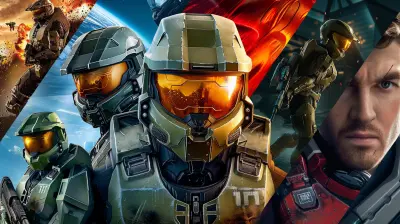
More developers are shifting away from complete, standalone games to evolving live-service models. Titles like Destiny 2, Warframe, and Halo Infinite all utilize seasonal content tied closely to their battle passes.This encourages ongoing development, but also means some games may feel incomplete at launch.
2. Content Cadence Matters More Than Ever
You can’t just drop a battle pass and ghost your community. Players expect new content regularly—maps, modes, characters, cosmetics. This forces developers to plan their content pipelines months, if not years, ahead.3. Changing Monetization Ethics
There’s a constant tug-of-war between monetization and player goodwill. Some battle passes are generous and fair. Others? Not so much. The industry is still figuring out that balance.Will Battle Passes Stick Around?
In short? Yes.Battle passes aren’t going away anytime soon. They're evolving. We’ve already seen hybrid models where games mix battle passes with subscriptions (looking at you, Fortnite Crew), or include multiple concurrent passes (like in Call of Duty).
Some games are also experimenting with legacy progression systems—you don’t lose your pass progress if you buy previous seasons later. It’s more flexible, more player-friendly.
So while the exact shape and form may change, the core concept is here to stay.
What Gamers Want from Future Battle Passes
As battle passes settle in as the new norm, we’re starting to see a wish list from the gaming community:- Better reward diversity (not just skins)
- More time to complete passes
- Option to pause or bank progress
- Cross-game passes for franchises (imagine one Ubisoft pass across all their titles!)
- Transparency in value and pricing
The message is clear: we’re on board, but only if it respects our time and money.
Final Thoughts: A New Age of Gaming
Look, gaming has come a long way from the cartridge days. Battle passes, like any big change, bring both innovation and controversy. They’ve redefined progression, monetization, and even how developers interact with their communities.But at the core, it’s still about playing, sharing, and having fun. Whether you’re all-in on every season or just dipping in occasionally, battle passes are becoming the blueprint for modern gaming.
Just remember—whether it’s missions, milestones, or match wins—don’t let the grind steal the fun.
all images in this post were generated using AI tools
Category:
Battle PassesAuthor:

Madeleine McCaffrey
Discussion
rate this article
3 comments
Eloise Snow
Interesting perspective, thanks for sharing!
April 8, 2026 at 5:06 AM
Madeleine McCaffrey
Thanks for reading! I'm glad you found it interesting.
Avery Robinson
Great article! Battle passes really enhance the gaming experience by providing exciting challenges and rewards, keeping players engaged and motivated. Keep up the good work!
January 9, 2026 at 4:23 PM
Madeleine McCaffrey
Thank you! I'm glad you enjoyed the article and found the insights on battle passes engaging!
Layla McKay
Battle Passes: the only thing standing between us and our social lives! Who knew unlocking virtual outfits could feel so much like a part-time job? At this rate, I’m expecting a 401(k) with my next season's pass!
January 6, 2026 at 4:04 PM
Madeleine McCaffrey
You're not alone! Battle Passes can definitely feel like a second job, blending gaming with commitment. It's fascinating how they transform our engagement with games!