How Battle Passes Influence Game Design
23 January 2026
If you've played a video game in the last few years—especially a live service or free-to-play title—you've probably stumbled across a battle pass. Whether it's Fortnite, Apex Legends, Call of Duty, or even mobile hits like Clash Royale, battle passes are practically everywhere.
But have you ever stopped to think about how much the existence of a battle pass actually changes a game's design?
Battle passes aren't just a monetization tool—they’re reshaping how developers build games from the ground up. From how we progress to what keeps us logging in every day, battle passes influence mechanics, player behavior, and even how long we spend in-game.
So, let’s break it down. How do battle passes really influence game design?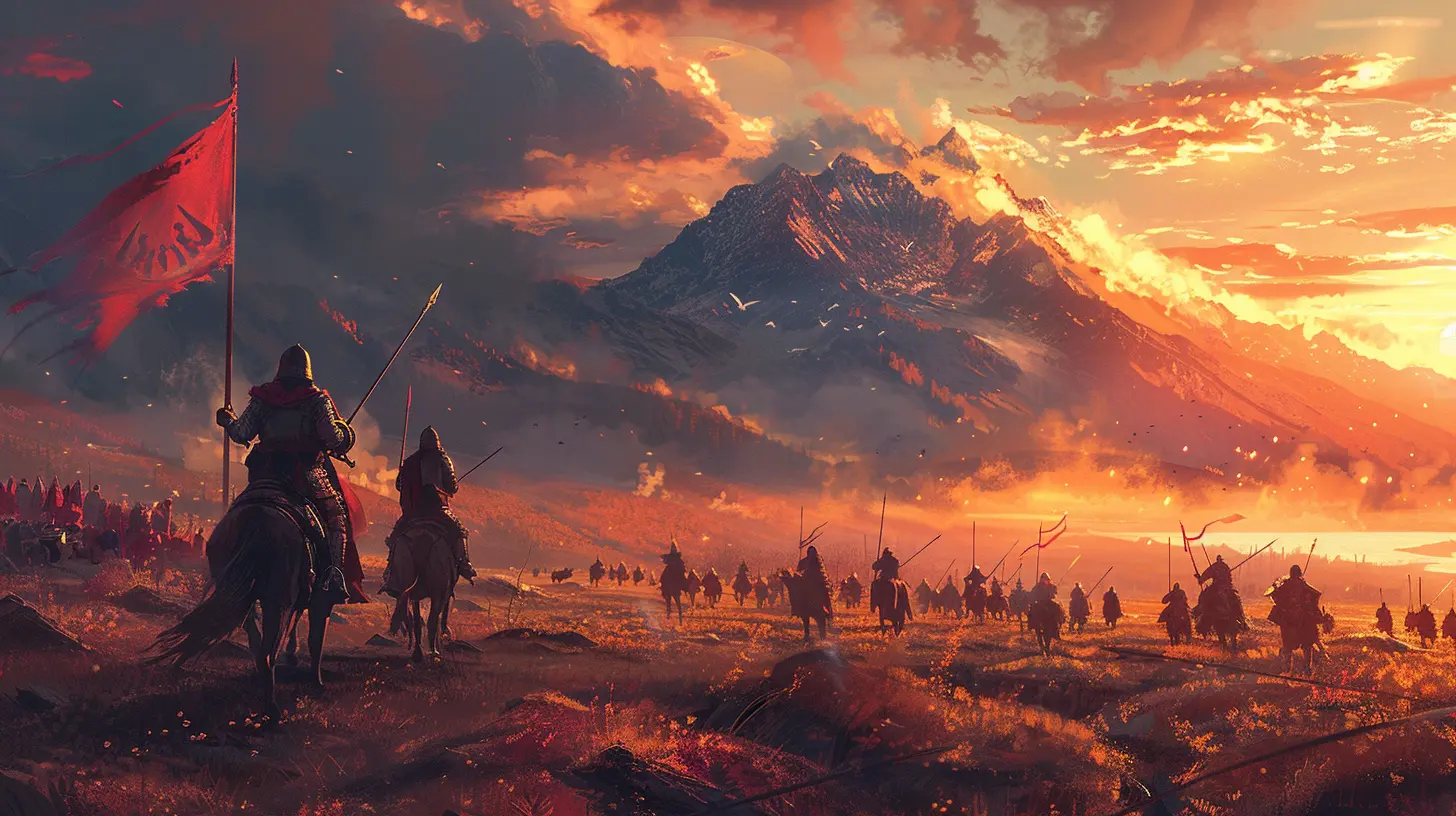
What’s a Battle Pass Anyway?
Before we dive deep, let’s quickly catch up in case you’re unfamiliar.A battle pass is a tiered reward system that players progress through by completing challenges or gaining experience. There’s usually a free tier and a premium tier. The free tier gives you a taste of the goodies, while the premium tier—usually around $10—offers the real treats: skins, emotes, weapon blueprints, and other cosmetics.
It’s like a seasonal subscription that rewards your time and commitment.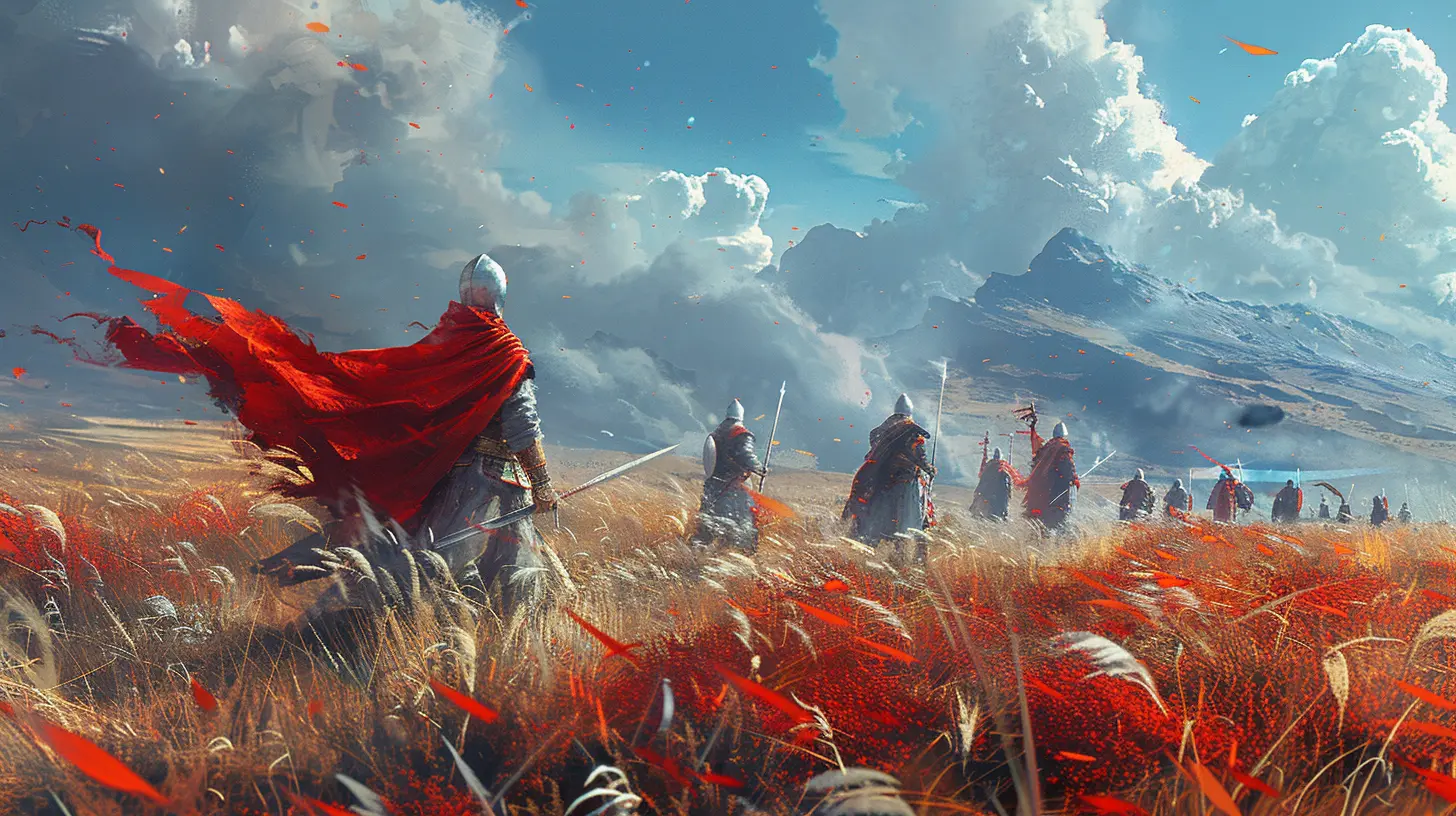
The Psychological Grip of Progression
Let’s be real—humans love progression. We’re wired to chase goals.Battle passes tap into this by offering a structured ladder of achievements. See that flashy skin at level 100? Yeah, you want it. And you’re willing to grind for it.
So, developers structure their games to make that grind feel good. It’s a bit like feeding pigeons breadcrumbs; each reward is just enough to keep you pecking forward.
And you know what? It works.
Progression Over Power
Interestingly, most battle pass rewards are purely cosmetic. They don’t give you a gameplay advantage (well, at least they’re not supposed to). This keeps games fair but also subtly influences how developers handle progression.Instead of powering up your character or gear, you’re powering up your drip. Your cool factor.
Because of this, level design, challenges, and missions are built around XP gains rather than stat boosts. That’s a big shift from traditional RPG progression models.
Daily, Weekly, Monthly Hooks
One of the biggest shifts battle passes bring to game design is the focus on retention.Games don’t just want you to buy the pass—they want you logging in regularly to complete your objectives.
Enter daily and weekly challenges.
FOMO is Real
Ever felt that “Oh no, I only have two days left to finish Tier 89!” panic? That’s not an accident. Battle passes are designed to create FOMO—Fear Of Missing Out.To counteract that, players log in religiously. Even if you didn’t feel like playing today, boom—there’s a challenge that’ll give you a fat XP boost. Now, you’re hooked.
And designers love this. It means more consistent player numbers and better engagement metrics.
Game Loops and Player Behavior
A traditional game might have a steady gameplay loop: play missions, level up, get loot, repeat.With a battle pass in place, that loop gets a twist. You’re not playing just for the thrill anymore—you’re playing for that sweet Tier 100 skin.
Shift in Core Mechanics
Developers start to adjust the core game loop to accommodate battle pass progression. That might mean:- XP-based match rewards
- In-game events tied to pass progress
- Challenges encouraging use of certain weapons or heroes
- Seasonal content that refreshes the objective list
Suddenly, you’re not just playing how you want—you’re playing how the game wants. Whether that’s good or bad depends on your perspective.
Seasonal Game Design
Battle passes are typically tied to seasonal content—each pass lasts around 2 to 3 months.That forces developers to structure their updates around these cycles. Every new season often brings:
- New characters or classes
- New maps or game modes
- Seasonal events
- Lore updates
A Double-Edged Sword
On the plus side, this keeps the game feeling fresh. There’s always something new on the horizon.But on the flip side, this can burn out developers and players alike. Maintaining a regular content schedule isn’t easy, and expectations only grow.
Still, for many live-service games, seasonal design is now the norm. And it's the battle pass that anchors it.
Monetization Without Pay-To-Win
One of the appeals of battle passes is they offer a way for developers to earn revenue without resorting to pay-to-win tactics.Premium tiers are usually loaded with cosmetics, currency, and sometimes exclusive content—but they don’t typically provide competitive advantages.
The “Fairness” Illusion
Players feel like they’re getting a fair deal. "Hey, I only paid $10, and I earned a ton of stuff!"From a design standpoint, this is genius. It monetizes engagement. The longer you play, the more value you extract from your purchase—encouraging more playtime and loyalty.
Battle passes have almost replaced loot boxes in many circles because they're more transparent and goal-driven.
Encouraging Wider Gameplay
Ever notice how battle pass challenges push you to do stuff you wouldn't normally try?Use a certain character? Play a specific mode? Get 10 headshots with a gun you never touch?
That's no accident.
Expanding the Player Experience
Battle pass challenges are carefully curated to nudge players out of their comfort zones. This does two things:1. Increases game longevity by showcasing all aspects of the game.
2. Balances player populations across modes and characters.
You might grumble about having to play Capture the Flag, but you’ll do it for that juicy XP boost. And who knows? You might end up liking it.
Cosmetic Design Takes Center Stage
In the age of battle passes, cosmetics aren’t just icing on the cake—they are the cake.Visual Identity = Player Identity
Players love standing out. A rare skin from Season 2? That’s a badge of honor.Game artists now spend massive amounts of time designing cool, meme-worthy, and collectible cosmetics. These aren’t just extras—they’re a core part of the product.
And this changes design priorities. Developers may spend more time making 100 battle pass rewards than they do balancing maps or tweaking mechanics.
Community Hype and Content Creation
Let’s talk buzz.Battle passes create regular waves of hype. Every season is an event. New trailers drop. Content creators make “Top 10 Tier 100 Skins” videos. Everyone’s talking.
Built-In Marketing Machine
Each season becomes a mini-launch. That means more eyes on the game, more media coverage, more returning players.From a design perspective, developers plan big events and updates around the battle pass timeline. It’s not just about gameplay—it’s about keeping the community excited and active.
The Pressure on Developers
Now, it’s not all sunshine and XP. Battle passes can put serious pressure on development teams.Maintaining a battle pass means constant content, strict deadlines, and an expectation of consistent quality.
Crunch Culture Concerns
When every 10 weeks a new season MUST drop, burnout and crunch become real risks. Players might never see the toll it takes, but behind the scenes, it’s tough.Some studios manage it better than others, but the pressure is very, very real.
Are Battle Passes Here to Stay?
Short answer? Absolutely.Battle passes have proved to be a win-win for many developers and players. Players enjoy steady rewards and structured progression, while devs get consistent revenue and engagement.
But like all tools, they need to be used wisely.
If they feel too grindy or manipulative, players will bounce. If they’re generous and engaging, players stick around (and happily spend).
The key lies in balance.
Wrapping It Up
Battle passes have done more than add a shiny reward track to your favorite games—they've reshaped how those games are designed from the ground up.From progression and cosmetics to retention mechanics and seasonal updates, battle passes influence nearly every part of modern game design. Some changes are amazing for long-term engagement, others... less so.
But love them or hate them, one thing’s clear: battle passes aren’t going anywhere, and they’ll keep influencing how games are made for years to come.
Next time you grind out your weekly challenges, think about all the hidden levers behind that system. Game design is evolving, and battle passes are at the heart of it.
all images in this post were generated using AI tools
Category:
Battle PassesAuthor:

Madeleine McCaffrey
Discussion
rate this article
3 comments
Barbara O'Brien
In the dance of pixels and plans, Battle Passes weave their subtle strands. They shape our quests, our paths entwined, A commerce of joy and time defined. In each challenge, a spark ignites— Crafting worlds where our dreams take flight.
April 15, 2026 at 5:15 PM
Madeleine McCaffrey
Your poetic take beautifully captures the essence of how Battle Passes enhance gameplay. They truly transform our experience, turning challenges into adventures. Thanks for sharing!
Amira McClellan
Battle passes can shape game design by incentivizing player engagement and monetization strategies. However, they risk prioritizing profits over player experience, potentially leading to repetitive content and diminishing gameplay quality if not implemented thoughtfully.
January 28, 2026 at 4:55 PM
Madeleine McCaffrey
Thank you for your insights! You're right; while battle passes can enhance engagement and revenue, it's crucial for developers to balance profitability with player experience to avoid content stagnation. Thoughtful implementation is key!
Jet McWhorter
Great insights! I appreciate how you've highlighted the nuanced ways battle passes shape game design, balancing monetization with player engagement. Looking forward to more discussions on this topic!
January 27, 2026 at 4:04 PM
Madeleine McCaffrey
Thank you! I'm glad you found the insights valuable. Excited for more discussions ahead!