How E-Sports Players Train Like Traditional Athletes
24 December 2025
So, you thought gamers just sit in dark rooms all day, drowning in energy drinks and yelling at their screens, huh? Well, bless your pixel-deprived soul. It’s time to shatter that stereotype like a noob's K/D ratio in Call of Duty. Welcome to the real world of esports, where the “athletes” don’t run sprints or lift weights (well, sometimes they do), but they hustle harder than your gym bro’s leg day… which, let's be honest, he probably skips.
Yes, dear reader, professional esports players actually train like traditional athletes. Not in the “I just played Fortnite for 12 hours and my thumb hurts” kind of way, but in a structured, intense, and science-backed manner that would make even Tom Brady raise an eyebrow. Intrigued yet? Buckle up, buttercup. We’re diving headfirst into the arena where reflexes are honed like ninja swords, and mental toughness is pushed to the limit—all while sitting down. Kinda.
Gamers vs. Athletes: Wait… They're the Same?
Traditionally, when people think “athlete,” they imagine sweat-drenched jerseys, roaring stadiums, and maybe some Gatorade endorsements. Now, throw in a pair of noise-cancelling headphones, an RGB-lit keyboard, and a caffeine-fueled brain firing off 300 APM (actions per minute)—and boom, you've got yourself an esports athlete.While the tools of the trade have changed (no one’s doing suicides on a football field here), the grind remains eerily similar. Esports athletes undergo rigorous training, follow specialized diets, schedule rest and recovery, and even have coaches and analysts breathing down their necks. The only difference? Instead of breaking ankles, they’re breaking necks—in the game, of course. Calm down.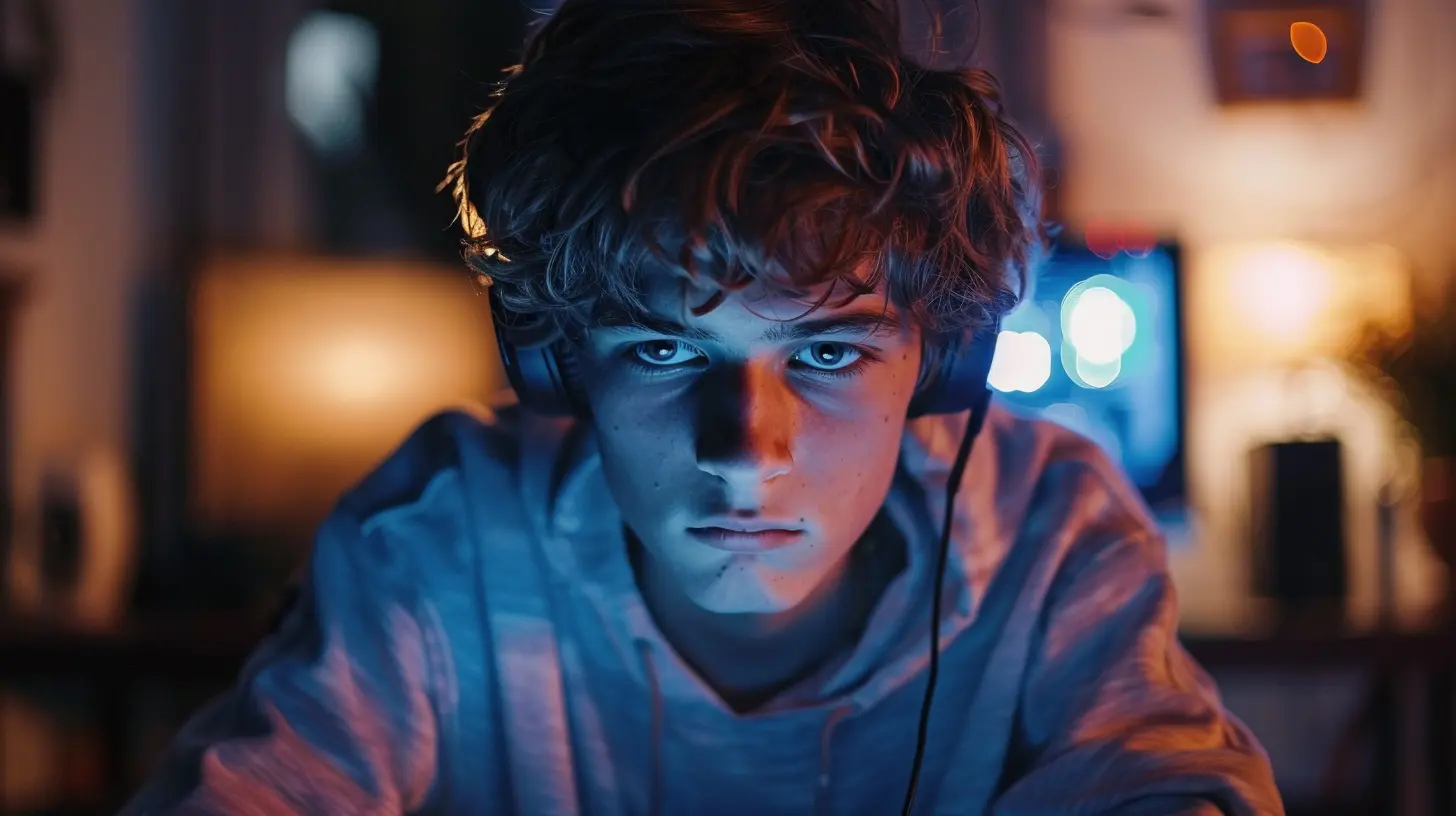
Physical Conditioning: Yes, They Actually Do Move
Let’s squash the myth: esports players aren't just chair-bound sloths. In fact, physical fitness is kind of a big deal in competitive gaming. Why? Because sitting for 10 hours a day while micro-managing a strategy better than Napoleon takes a physical toll. Your back, neck, arms, and even your precious wrists are in for a world of hurt if you’re not in shape.Many esports teams now hire personal trainers who help players with:
- Posture correction (because hunchback gamer isn't a good look)
- Stretching routines
- Cardio improvements for stamina
- Strength training for endurance
So yes, they lift. Maybe not deadlifts at 300 lbs, but enough to keep their bodies from turning into Twitch-streaming Jell-O.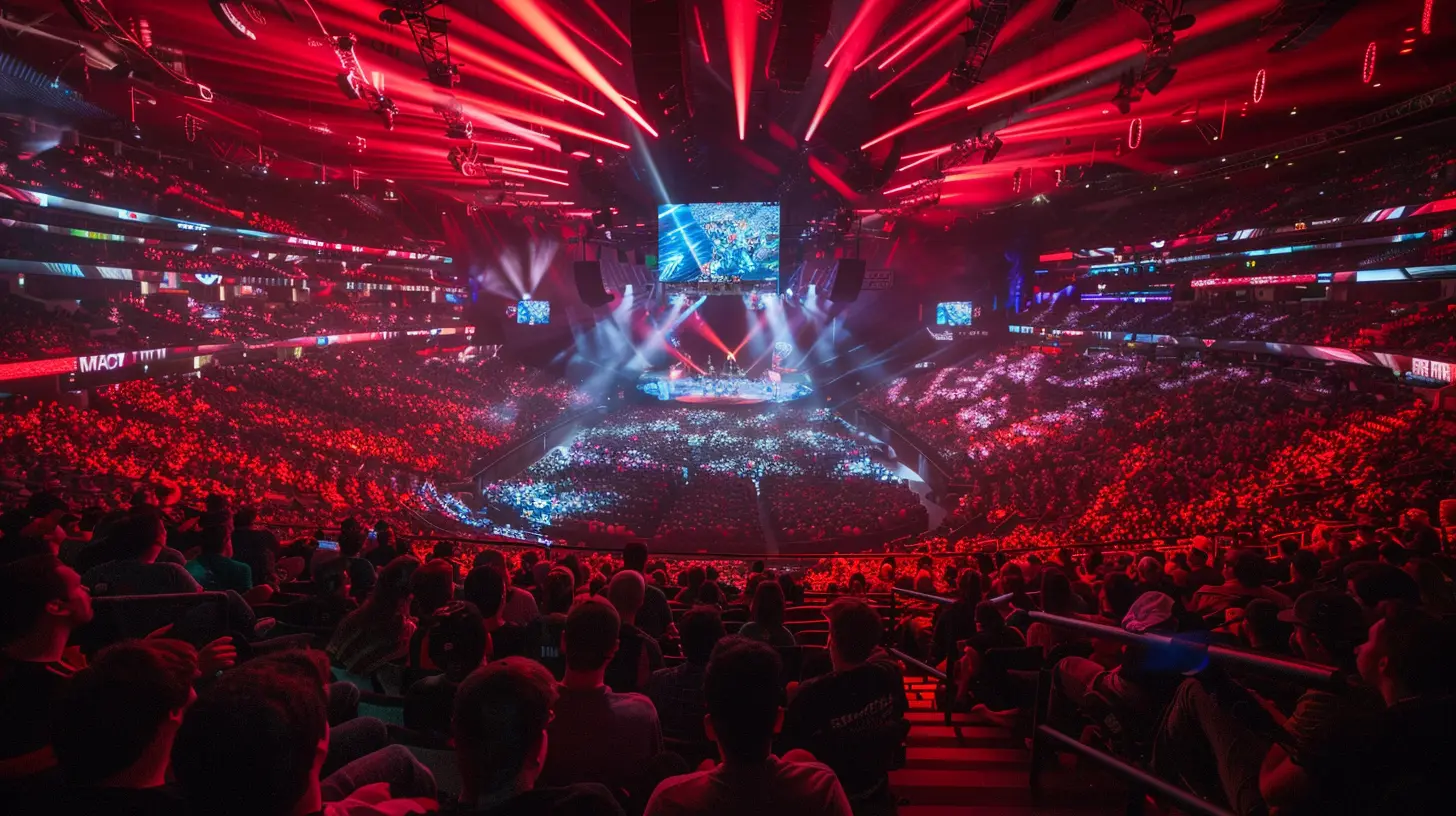
Nutrition: Pizza Rolls Are Not a Food Group
I know, I know. Gaming and junk food go together like lag and rage quits. But in pro esports, that stereotype is dying faster than your character in Elden Ring. Today’s players are swapping greasy snacks for balanced meals consisting of lean proteins, whole grains, and mood-stabilizing omega-3s. Why? Because brain fuel is a real thing, and Mountain Dew doesn’t count.Nutritionists often work with players to maintain:
- Stable blood sugar levels (rage spikes aren’t ideal mid-match)
- Mental clarity and focus
- Reduced fatigue during long tournaments
You’ll even find some pros sipping green smoothies and munching on almonds before a match. It’s basically the kale-worshipping gym culture… but in sweatpants.
Mental Training: The Real Battlefield
Here’s where things get juicy. While traditional athletes deal with pressure, pain, and the occasional drunk fan, esports players battle a more subtle but equally intense demon: mental fatigue.The gameplay is fast, decisions are made in milliseconds, and tilting (basically rage-quitting, but with more internal screaming) is very much a thing.
That’s why esports athletes work with:
- Sports psychologists (yes, they’re a thing)
- Mindfulness coaches
- Cognitive trainers
You want sharp reflexes and steely nerves when the fate of a $2 million prize pool rests on your final headshot. Think snipers, but with Red Bull and RGB lighting. If that’s not stressful, I don’t know what is.
Game-Specific Drills: Less Yoga, More APM
Every athlete drills their craft. Basketball players shoot free throws. Esports players? They run drills in reaction time, map awareness, and mechanical precision.Take a look at what this might include:
- Aim trainer software like Aim Lab or Kovaak’s. It’s like shooting practice but with more pixels.
- VOD reviews to analyze gameplay, just like quarterbacks review game film.
- Scrims (aka practice matches) for team synergy.
They literally train to click heads faster than you can blink. If you’ve ever been insta-sniped by some 14-year-old with a Twitch channel, guess what? That wasn’t luck. That was raw, practiced destruction.
Sleep: The Silent OP Buff
If you think grinding until sunrise makes you more hardcore, think again. Sleep is the silent OP buff that boosts everything from reflexes to reaction time to decision-making. That’s why professional teams don’t just suggest a full night's sleep—they enforce it.Some even:
- Ban screens after a certain hour
- Use sleep-tracking devices
- Optimize sleep environments
Gone are the days of “sleep is for the weak.” Welcome to Version 2.0, where a lack of REM sleep could be the reason you lost that tournament and your dignity.
Coaching Staff: Not Just Some Guy Named Chad
Believe it or not, coaching isn’t just for Little League dads who peaked in high school. Esports teams have an entire entourage of specialists:- Head Coaches for strategy and leadership
- Analysts who break down match data like it's the freakin’ NFL
- Mental Coaches to keep players zen
- Nutritionists so no one OD’s on energy drinks
These coaches monitor every stat, every move, and every decision. You’re not just playing; you’re performing under scrutiny. Welcome to the big leagues, where even your mouse grip is a matter of team discussion.
Teamhouses and Bootcamps: Like Summer Camp, But Sweatier
Many esports teams live together in what are affectionately (and terrifyingly) called “teamhouses.” Picture a frat house mixed with a tech startup and a military training camp. Players live, eat, sleep, and train together—all day, every day.And if that wasn’t intense enough, there are bootcamps: pre-tournament training marathons where players scrim endlessly, review hours of footage, and basically become one with the keyboard.
Oh, and sometimes these happen overseas, with jet lag adding an extra delightful layer of pain. Fun, right?
Injury Prevention: Gamers Get Hurt Too, Okay?
Laugh all you want, but wrist injuries are the Achilles’ heel of the esports world. Carpal tunnel, tendonitis, eye strain—you name it, they’ve probably iced it.That’s why injury prevention is taken as seriously as in any physical sport. We’re talking:
- Ergonomic gear setups
- Regular physical therapy
- Hand exercises
- Eye relaxation techniques (20-20-20 rule, baby!)
So yeah, you can retire the “what, did he sprain his finger?” jokes now.
Media Training: Because No One Wants Another “Gamer Rage” Headline
Ever see an MMA fighter lose and then calmly thank their opponent at the press conference? Yeah, esports athletes have to do that too… except maybe with fewer black eyes.Media and PR training ensure that players can:
- Handle interviews professionally
- Speak for the brand
- Avoid PR nightmares (looking at you, Twitter rants)
Turns out, being a gamer god doesn’t mean you can forget how to human in front of a camera.
The Schedule: Spoiler—It’s Brutal
A typical day in the life of an esports pro might involve:1. Morning workout (yes, even gamers stretch now)
2. Strategy meeting with coaches
3. Warm-up drills
4. Scrims (several hours of practice matches)
5. VOD reviews and feedback
6. Solo training or streaming
7. Team bonding or mental health activities
8. And finally… sleep (Thank God!)
It’s not a 9-to-5. It’s more like a 10-to-midnight, with few breaks and zero mercy. Still romanticizing the idea of “playing games for a living”?
The Payoff: Fame, Glory, and… Early Retirement?
Top-tier esports athletes can make millions, gain sponsorships from global brands, and command massive online followings. But the trade-off? Burnout is real, the pressure is intense, and careers are often short-lived.That’s why many pros retire young and transition into streaming, coaching, or sobbing on a beach somewhere with all their prize money.
Final Thoughts: So, Are Esports Players Real Athletes?
If it trains like an athlete, eats like an athlete, sleeps like an athlete, and cries like an athlete after a loss—well, looks like we’re dealing with a new breed of jock.Sure, they may not be dunking basketballs or running touchdowns, but they are performing high-stakes, ultra-competitive feats of mental and mechanical mastery. So maybe, just maybe, it’s time to retire the “lazy gamer” cliché and give these digital warriors their due.
Now, if you’ll excuse me, I need to stretch my wrists. These blog posts don’t write themselves, you know.
all images in this post were generated using AI tools
Category:
E SportsAuthor:

Madeleine McCaffrey
Discussion
rate this article
3 comments
Oriel James
This article compellingly highlights the parallels between e-sports and traditional sports, emphasizing rigorous training, mental conditioning, and teamwork. It underscores the evolving recognition of e-sports as a legitimate athletic discipline.
April 5, 2026 at 2:38 AM
Madeleine McCaffrey
Thank you for your insightful comment! I’m glad you found the parallels between e-sports and traditional sports compelling. Both require dedication and teamwork to succeed!
Kassidy Patel
This article beautifully highlights the dedication and discipline e-sports players embody. Their commitment to training parallels traditional athletes, showcasing that passion and hard work thrive in every competitive arena. Great read!
December 25, 2025 at 5:24 AM
Madeleine McCaffrey
Thank you! I appreciate your insight on the parallels between e-sports and traditional sports training. It's great to see the dedication recognized!
Chantal McIlwain
Who knew gaming required more than just lightning reflexes? E-sports athletes are redefining ‘training’—sweat, strategy, and stamina make for a whole new kind of game face!
December 24, 2025 at 5:48 PM
Madeleine McCaffrey
Absolutely! E-sports training indeed mirrors traditional sports, emphasizing physical fitness, mental stamina, and strategic preparation to enhance performance.