How Game Developers Create Suspense in Stealth Titles
17 February 2026
Ever played a stealth game where you’re sneaking through a dark corridor, your heart pounding with every step? You hold your breath as a guard walks by, just inches away, and you wonder—how do developers make you feel that tension so intensely? Well, suspense doesn't happen by accident. Stealth games are crafted like a perfectly tuned symphony, where every note, shadow, and footstep adds to the experience.
In this post, we’re diving deep into how game developers create those nail-biting moments in stealth titles. So whether you’re a developer, a gamer, or just someone curious about what goes on behind the curtain, you're in the right place.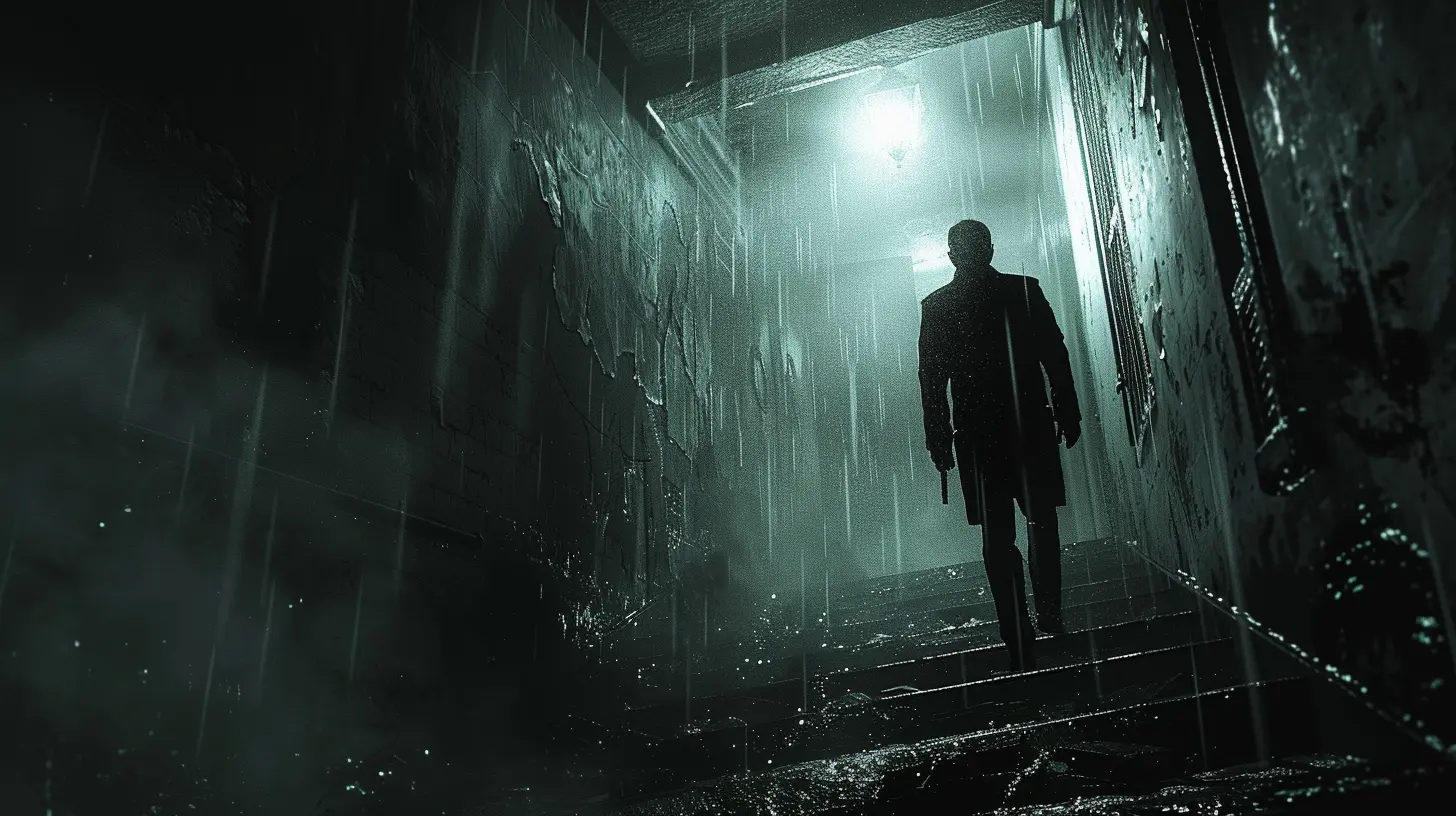
The Art of Suspense: Why It Matters in Stealth Games
Let's be real—without suspense, a stealth game just feels like hide-and-seek with better graphics. Suspense is the emotional engine of any good stealth title. It's what makes us grip our controllers a little tighter, hold our breath without even realizing it, and feel a rush of adrenaline when we barely slip past detection.But how is that suspense built? It's all about manipulating emotions, and developers have mastered the playbook.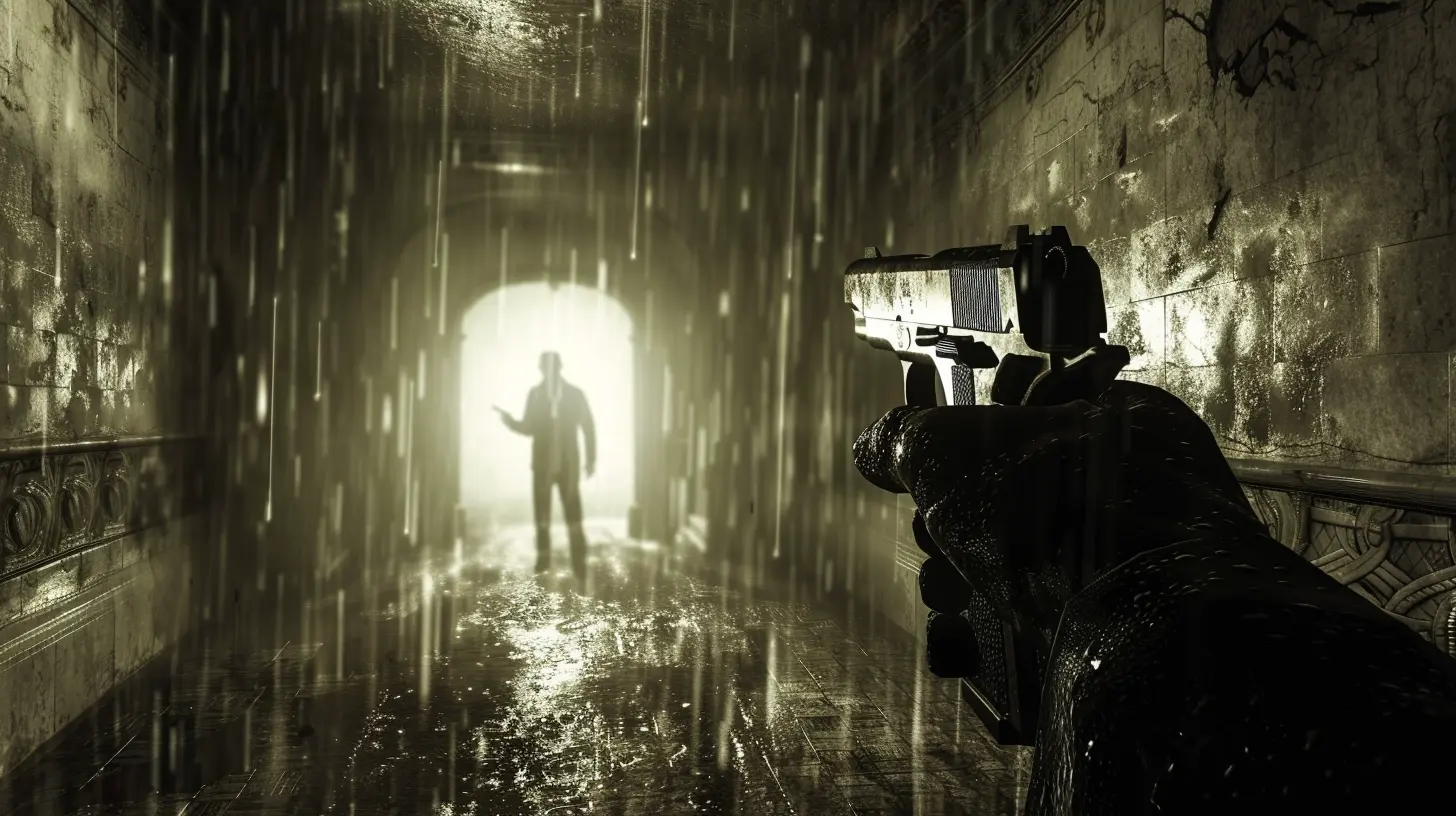
1. Level Design: The Foundation of Tension
Maze-Like Structures
Have you noticed how stealth levels often feel like complex puzzles? That’s no accident. Developers design environments with multiple pathways, choke points, and blind spots. These layouts force players to make calculated moves.Think of a stealth level as a living, breathing maze where the walls can move (guards), the traps are alive (security cameras), and every wrong turn could be your last.
Verticality and Line of Sight
Adding vertical layers, like rafters or vents, gives players more to consider. Suddenly, you’re not just thinking in two dimensions—you’re thinking in 3D. That unknown above or below amps up the tension.Line of sight is also key. Designers make great use of corners, shadows, and narrow hallways to limit what you can see. Why? Because fear of the unknown keeps players on edge.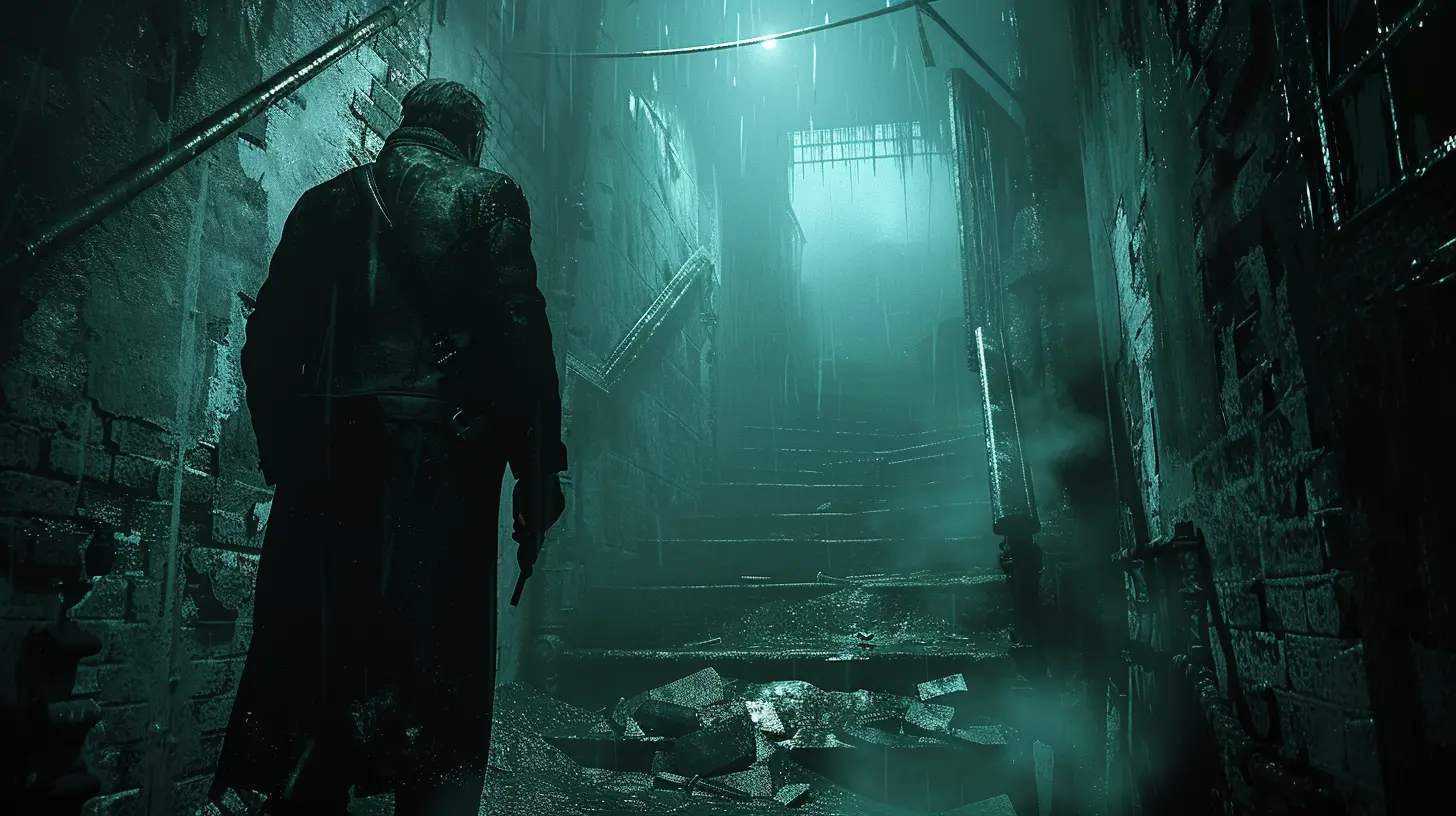
2. Sound Design: Your Ears Are Part of the Game
Let me say this loud and clear—sound is EVERYTHING in stealth games.Directional Audio
Good sound design makes you paranoid. You'll hear a guard coughing behind a wall or footsteps echoing down a hall. Sometimes, that faint sound is the only clue you have. Directional audio allows you to "see" through your ears, letting you plan your moves even when the visuals are limited.Adaptive Music
Ever played a stealth game and noticed how the music shifts? One second, it’s calm and ambient, and the next, it ramps up, signaling that something’s wrong. That’s adaptive music in action.Developers use this to increase suspense. The tempo often changes based on player visibility or threat level, and it subconsciously tells your brain to panic.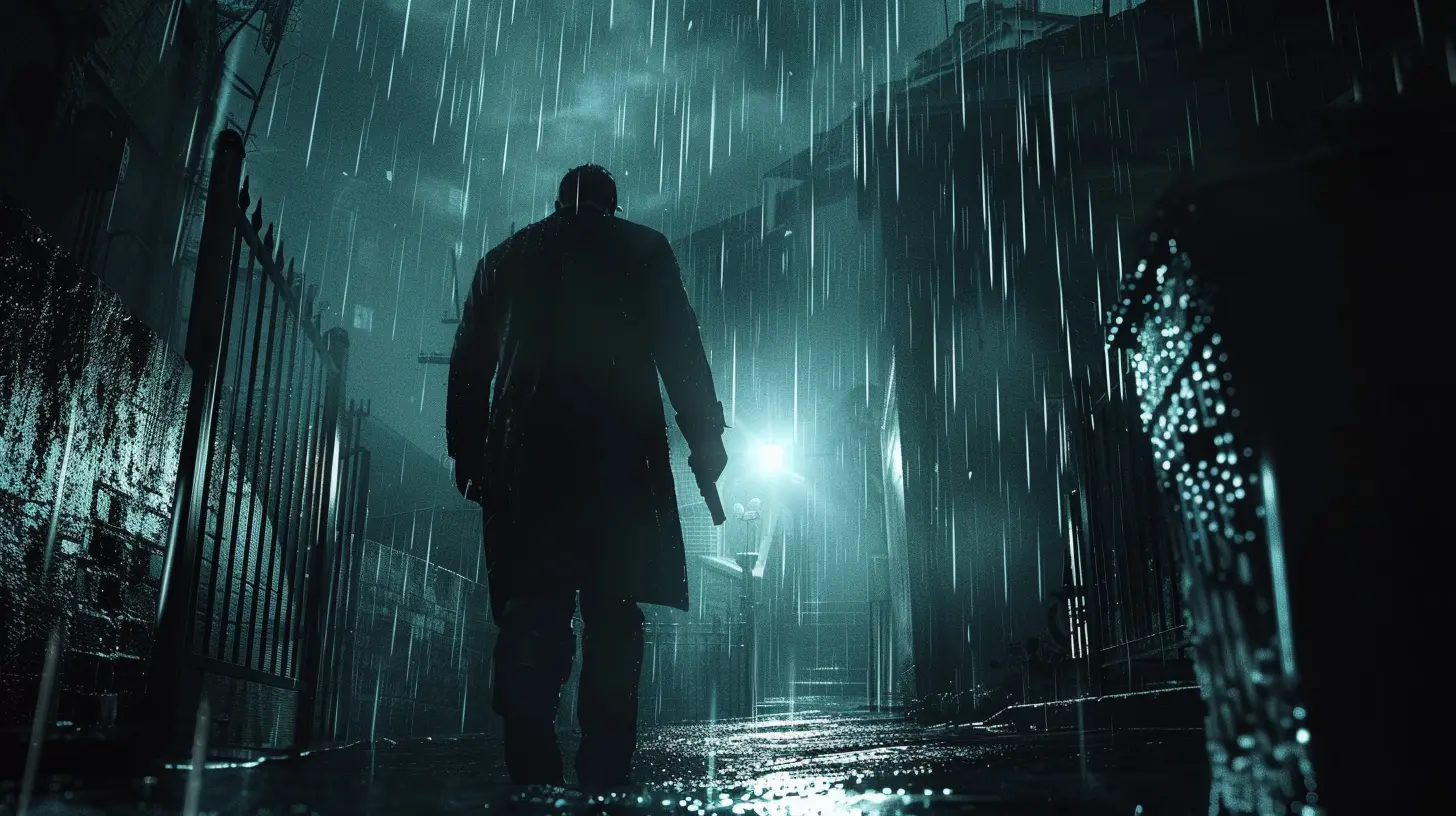
3. AI Behavior: The Brains Behind the Guards
AI can make or break a stealth game. If enemy behavior is predictable or too dumb, it kills the suspense. But when done right? Pure magic.Patrol Patterns
Guards with randomized patrol routes keep players guessing. You'll never quite feel safe because you don’t fully know what to expect. Developers use these patterns to force players to wait, observe, and strike only when it’s truly safe—or at least, safe-ish.Realistic Reactions
Today’s AI is smarter. If you make a noise, they investigate. If they see something out of place, they check it out. The best stealth games take advantage of this realism to elevate the stakes. You’re playing against a living world, not just code.4. Visual Feedback: Seeing Without Being Seen
Light and Shadow Mechanics
You’ve seen this a lot—hiding in the shadows makes you practically invisible, while stepping into the light could get you caught. It’s basic, but still super effective. Developers use lighting not just to set mood, but as a gameplay tool. The contrast between dark and light spaces adds strategy and suspense.Visibility Indicators
Some games use UI elements to show how hidden you are—a bar that fills up, a silhouette that fades, or a simple "Detected" prompt. This feedback loop keeps the player on edge and constantly evaluating risk.5. Minimalist HUDs: Less Info, More Anxiety
Ever notice how many stealth games ditch traditional HUDs? There’s a reason for that.When your screen isn't cluttered with maps, arrows, and indicators, you’re forced to rely on your senses. That raw experience makes every decision feel more intense. Developers often strip away comfort to make you feel vulnerable—and it works like a charm.
6. Pacing: The Rollercoaster of Emotion
Good stealth games know when to slow things down and when to speed them up. It’s like a horror movie—you can’t just keep screaming; you need quiet moments to really feel the next scare.Moments of Calm
These let you breathe, gather your thoughts, maybe even feel a little confident. This lull is necessary—and deceptive.Sudden Escalation
Then, bam! You’re spotted, alarms go off, and you’re scrambling. The switch from calm to chaos heightens emotional stakes. Developers often script these moments intentionally to make the payoff more intense.7. Narrative Stakes: Why You Care in the First Place
You can have all the scary guards and moody lighting in the world, but if the story doesn’t make you care, the suspense falls flat.Personal Investment
Developers tie gameplay into narrative elements—rescue this person, steal that data, escape before dawn. When the mission has emotional stakes, players are more engaged. It's not just about winning; it's about succeeding for a reason.Character Vulnerability
Characters in stealth games are often "normal" people or at least not tanks. They’re not meant for combat; they’re meant for sneaking. That vulnerability adds to the suspense. One shot could end it all, and you feel that weight in every movement.8. Player Tools: Empowerment with Limits
Limited Gadgets
Sure, you might have cool tools—noise makers, cloaks, sleep darts—but you can’t use them endlessly. Developers give you just enough to feel capable, but not invincible. That balance keeps you nervous.Risk-Reward Choices
Do you quietly knock out the guard and risk making noise? Or do you sneak by and leave him be, knowing he could spot you later? Every decision carries consequences. That constant calculation is suspense in action.9. Timing and Tension: The Power of the Countdown
Timers are sneaky little features. Whether it's counting down a bomb or waiting for a door to unlock, they ratchet up stress. Developers love using countdowns to push players out of their comfort zone, forcing quick decisions while your heart races.10. Replayability: New Threats Every Run
Dynamic Environments
To keep suspense fresh, some games alter enemy placement or tweak objectives on replay. You might breeze through once, only to find it way harder (and more tense) the second time. This unpredictability keeps players engaged and always on edge.The Takeaway
Creating suspense in stealth games is no small feat. It’s a perfect cocktail of sound, sight, design, and storytelling. Game developers are like illusionists, crafting environments where fear, tension, and emotion are just as real as bullets and smoke bombs.Next time you're crouched in a bush, watching a guard walk by, take a moment to appreciate the craft. That pulse-pounding suspense you feel? It’s built on countless hours of intentional design. And if you’re a dev looking to capture that feeling—now you know where to start.
Final Thoughts
Suspense is the heartbeat of every great stealth title. It’s not just about hiding—it's about feeling like every second counts, every choice matters, and every step could be your last. When developers pull it off, the result is unforgettable gameplay that sticks with you long after you've powered down your console.So go ahead, boot up your favorite stealth game. And this time, look beyond the shadows—see the decisions and details that make the suspense so real.
all images in this post were generated using AI tools
Category:
Stealth GamesAuthor:

Madeleine McCaffrey
Discussion
rate this article
2 comments
Duke McCullough
Masterful tension, endless thrills!
February 18, 2026 at 5:41 PM
Madeleine McCaffrey
Thank you! Creating suspense is all about balancing gameplay mechanics and player emotions. I'm glad you enjoyed the insights!
Spencer Lynch
This article effectively outlines the various techniques game developers employ to build suspense in stealth titles. From sound design to environmental cues, the strategies highlighted enhance player immersion and tension. It's fascinating to see how these elements work together to create a gripping gameplay experience. Well done!
February 17, 2026 at 5:44 AM
Madeleine McCaffrey
Thank you for your thoughtful feedback! I'm glad you found the techniques informative and impactful for enhancing player immersion.