How Historical Settings Enhance Stealth Gameplay
23 December 2025
Stealth games have always held a special place in the hearts of gamers who love the thrill of sneaking, hiding, and striking from the shadows. But have you ever noticed how some of the best stealth games are set in historical time periods? Think about it: Assassin’s Creed, Dishonored, Ghost of Tsushima — these titles don’t just throw you into a high-tech future. Instead, they drop you into times long past, where espionage truly meant staying in the shadows, blending into a crowd of robed monks, or eavesdropping under candlelight in a war-torn palace.
So, what is it about historical settings that make stealth gameplay shine? Why does creeping through an 18th-century Parisian street feel more immersive than tiptoeing through a modern security facility full of lasers and cameras?
Let’s dive deep into the past (pun intended) and uncover exactly how historical settings enhance stealth gameplay.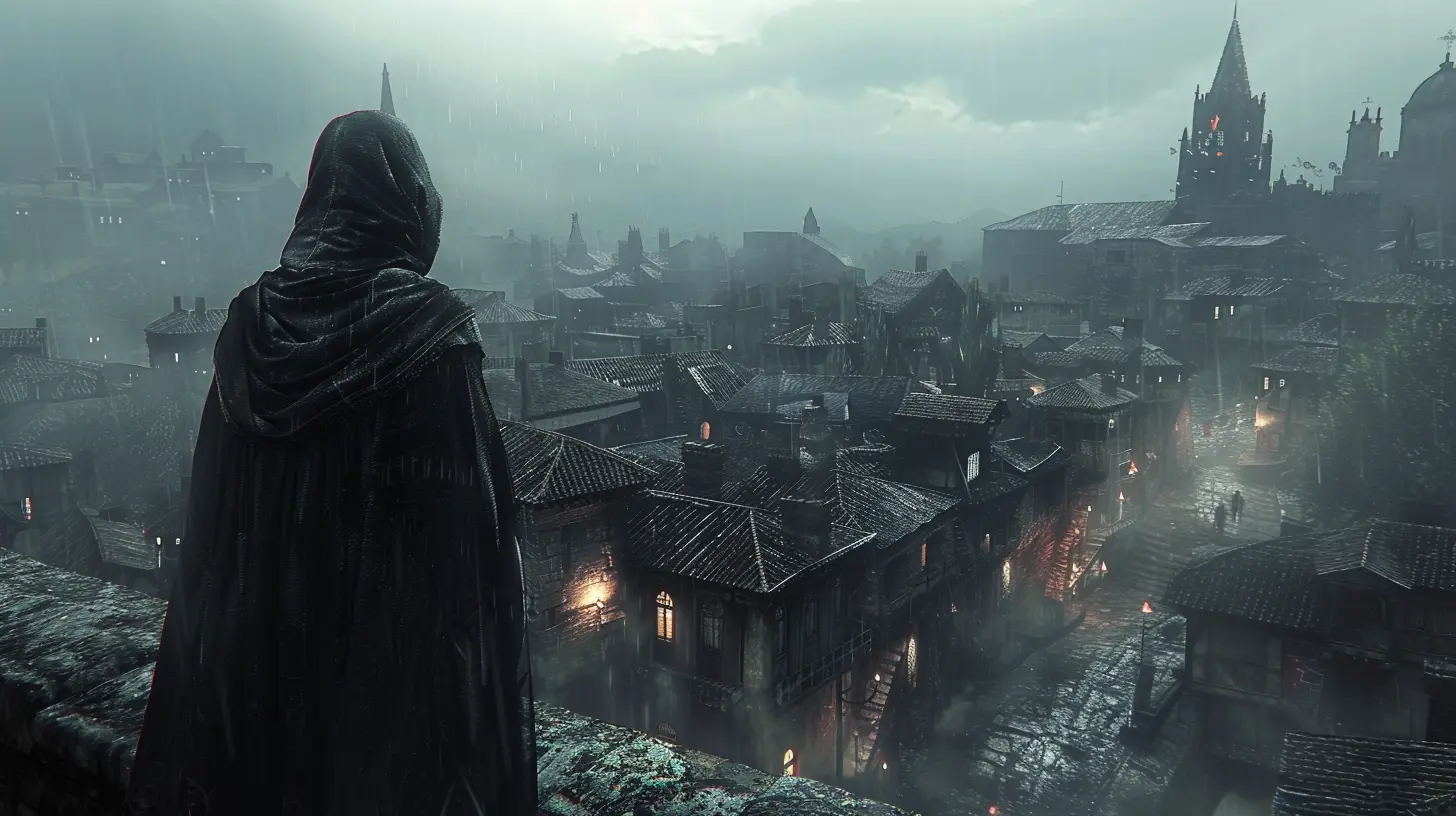
The Appeal of Stealth: Why Do We Like Sneaky Games?
Before we get to the historical bit, let’s talk about why we love stealth in the first place. There’s something irresistibly satisfying about outsmarting the AI, slipping past guards undetected, or setting up the perfect silent takedown. It’s not just about fighting — it’s about thinking, planning, adapting, and mastering the environment.Stealth gameplay is all about tension and release. You creep through the shadows, your heart pounds when a guard walks nearby, and the relief you feel when you slip past unnoticed? Priceless. Now, blend that with a richly detailed historical setting, and you get an experience that's both thrilling and immersive.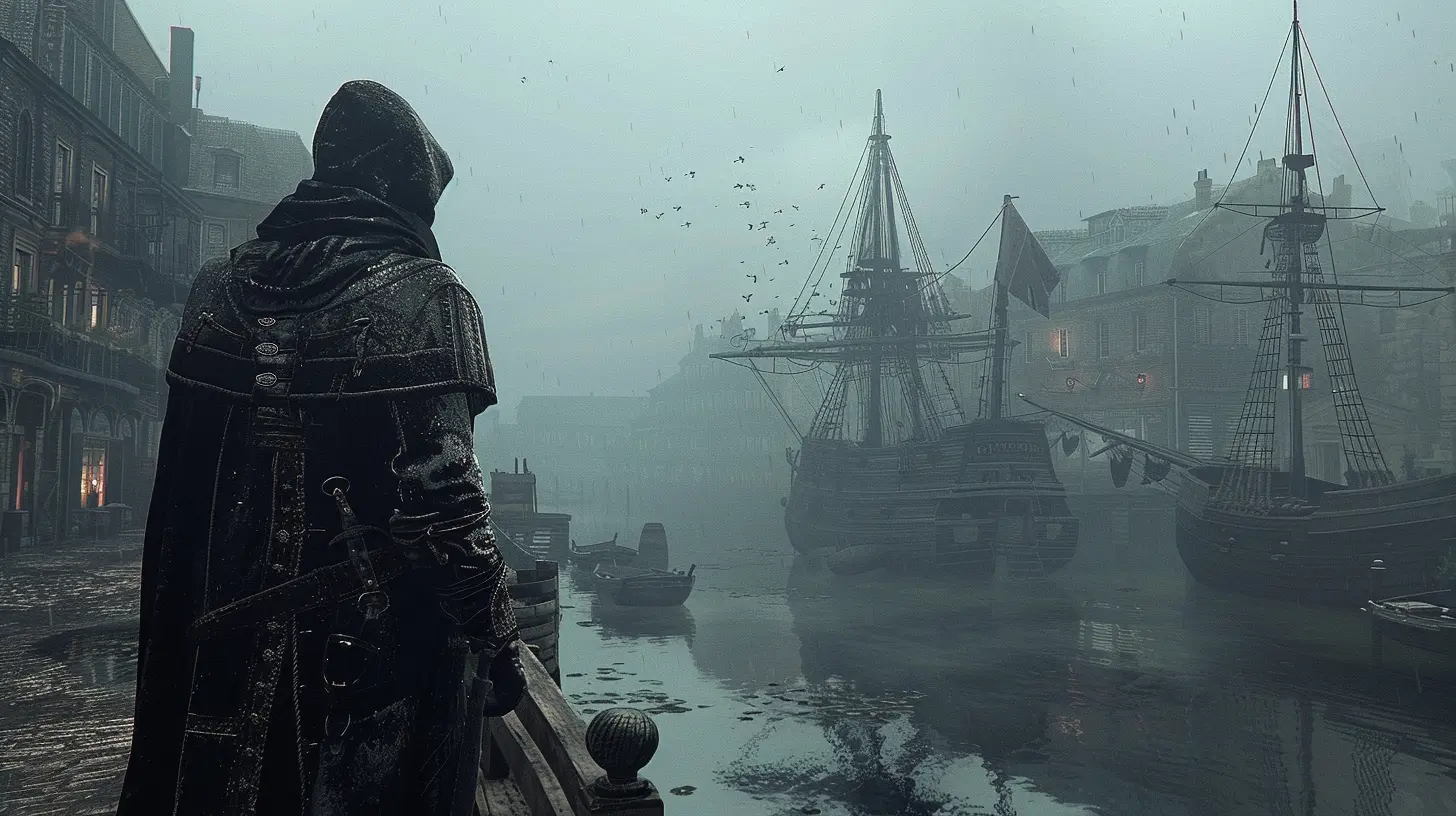
No Gadgets, No Problem: Using Environment as Your Toolbox
Let’s face it — many modern stealth games hand you a Swiss Army knife of gadgets. Infrared vision. Noise-making drones. Cloaking tech. Cool, yes, but sometimes those tools remove the challenge. Now, take all that away and throw your character into 15th-century Italy. You don’t have a gadget to distract guards — instead, you have crowds, shadows, alleyways, and architecture.In historical settings, you rely more on your surroundings. A haystack becomes a hiding spot. A market crowd can hide your escape. A candlelit hall forces you to move with the light and shadows.
It’s almost like turning the world itself into your stealth playground.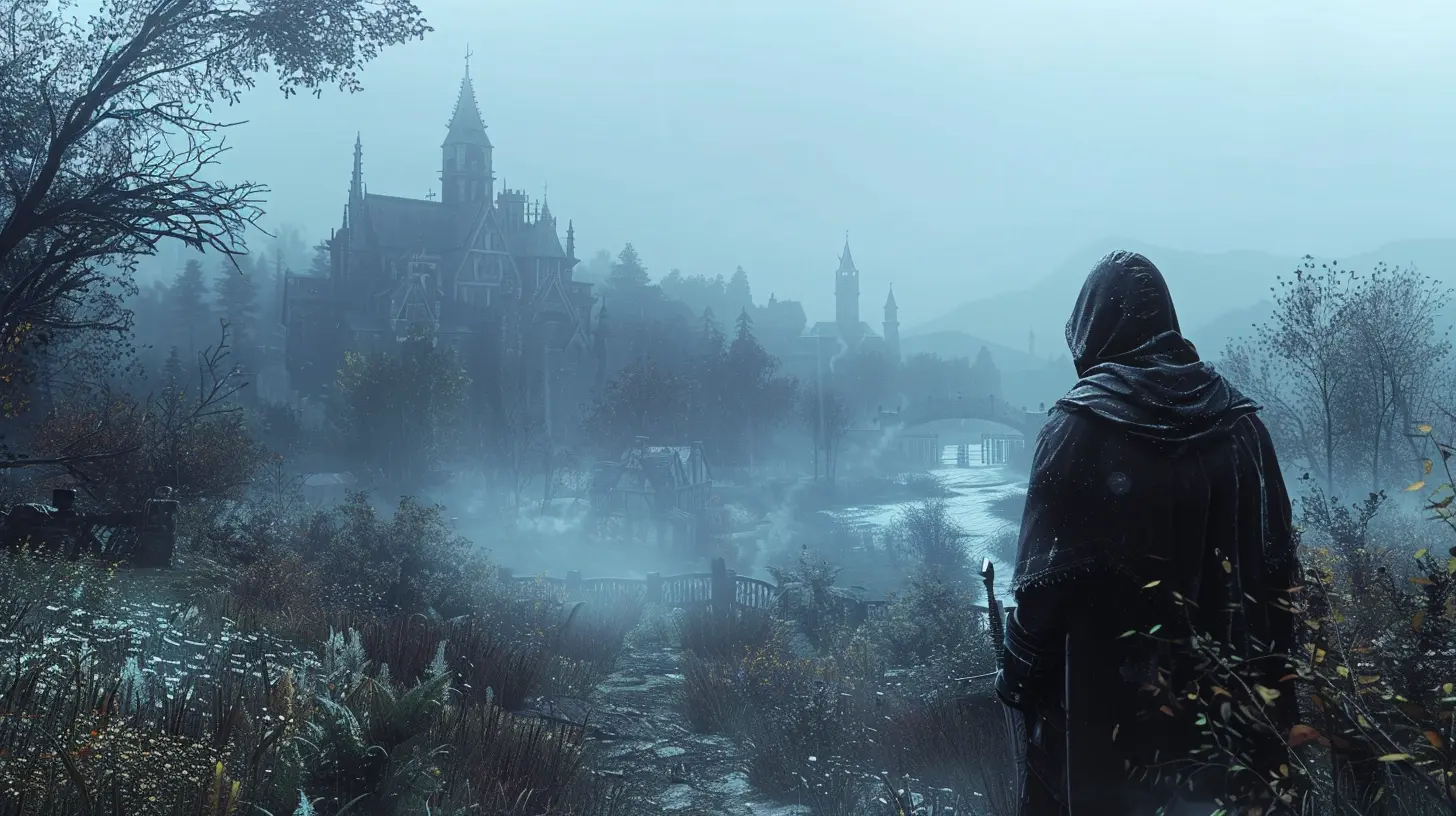
Built for the Shadows: Architecture that Encourages Stealth
Historical architecture wasn’t built with security cameras in mind. It was built for function, beauty, and defense. Castles with secret passages. Narrow alleyways in medieval towns. Labyrinthine sewers beneath civilizations. Cathedrals with high rafters and shadowy alcoves.These environments are naturally stealth-friendly.
For example, in Assassin’s Creed, rooftops are more than just set dressing — they become highways. You scale walls, leap between buildings, and stay one step ahead from above. In contrast, many modern-day structures just aren’t as conducive to stealth — everything is too open, too glassy, too exposed.
Historical structures, with their low lighting, tight corridors, and hidden doors, practically beg you to go full ninja.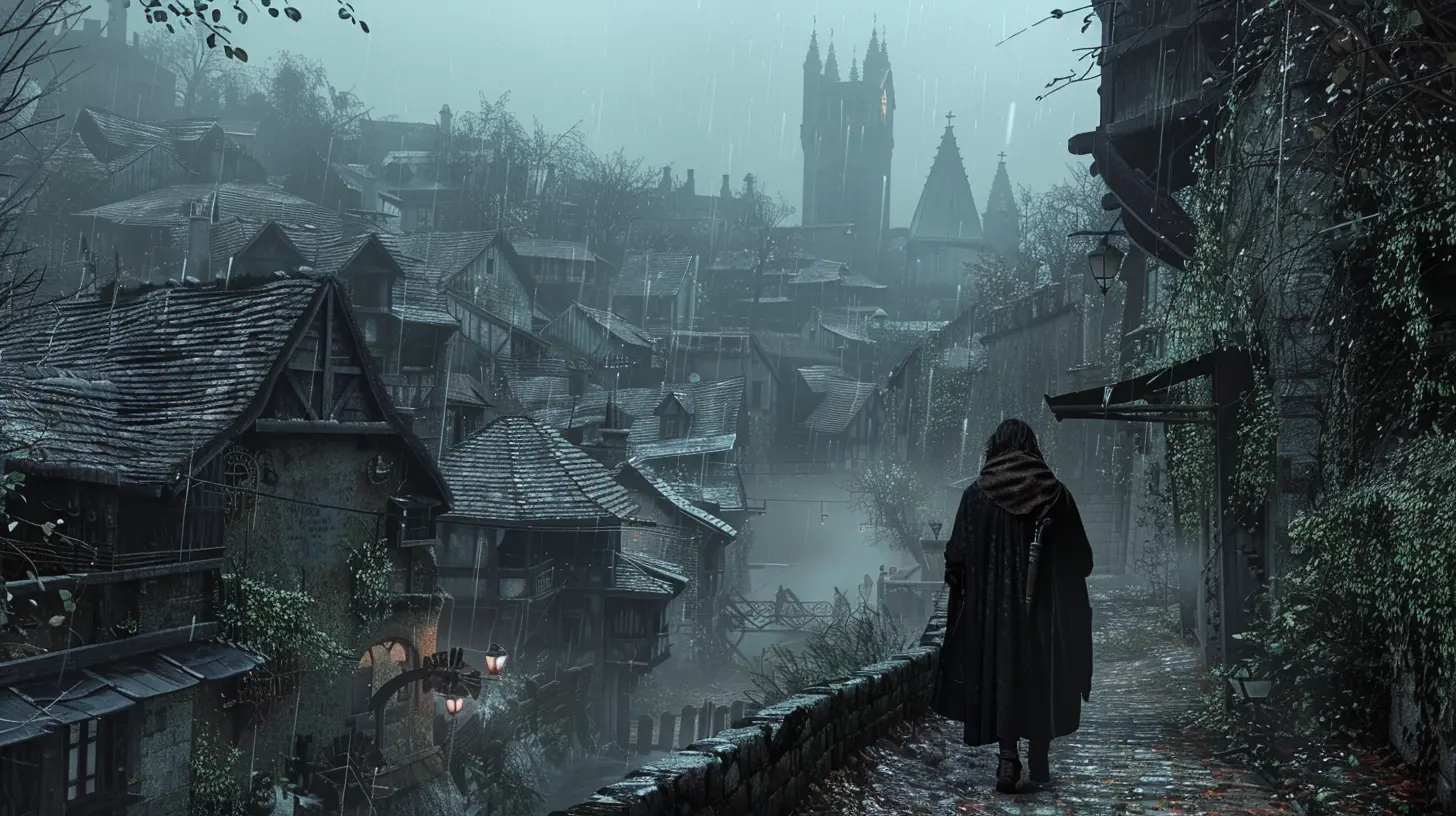
Immersion Amplified: History Feels Real
Let’s be honest — there’s something magical about slipping into another era. When a stealth game is set in a well-researched historical period, it adds layers of immersion. You’re not just sneaking past guards — you’re navigating the politics of Renaissance Venice, dodging samurai patrols in feudal Japan, or eavesdropping on British officers during the American Revolution.Good historical stealth games build rich environments filled with NPCs, props, and ambient noise that all scream “you are here.” And that immersion makes your stealth tactics feel more meaningful. When you blend into a crowd of praying monks, it’s not just a gameplay mechanic — it’s a window into cultural norms of the time.
It’s like time traveling with a cloak of invisibility.
Storytelling With Stakes
History is full of drama, intrigue, and conflict. That’s a goldmine for any stealth game developer.You're not just completing random missions. You're influencing revolutions, assassinating corrupt leaders, and exposing secret cults. The missions feel like they matter more because they’re tied into actual events or realistic scenarios.
Having real historical figures, social tensions, and war-torn cities as a backdrop boosts the emotional weight of your actions. You’re not just a sneaky guy in a costume — you’re a cog in the historical machine, nudging events from the shadows.
The Power of Limited Technology
Here’s a fun paradox: less tech often means more creative gameplay.In a modern setting, why crawl under floorboards when you can hack a security camera and fly a drone? It’s neat, but it can feel like cheating. But in a historical game, you’re forced to think differently.
You might use a candle to start a fire and cause a distraction. Or throw a coin to lure guards. Or scale a drainpipe to reach the rooftops. You work with what you’ve got — and that builds tension, creativity, and big brain moments.
Historical settings make low-tech feel high-stakes.
Blending In Feels Meaningful
Stealth games often involve blending into crowds or using disguises. But in a futuristic world, that mechanic can feel a bit... artificial. Smart suits and holograms don't carry the same weight.In historical settings, blending in is a form of social stealth. Wearing a monk’s robe to evade detection in Assassin’s Creed II feels organic. Pretending to be a peasant in a war camp adds depth to your infiltration. These situations use period-appropriate disguises and behavior, making stealth feel grounded in the real world.
You don’t just look the part — you play it.
Less is More: The Minimalist Approach to Tension
In a historical stealth game, there’s usually less UI interference. Fewer HUD indicators. More reliance on your senses. You listen for footsteps, you watch guard patterns, you peek around corners. There's no magical stealth meter to rely on.And you know what? That makes the tension real.
You’re not playing against a “system.” You’re playing against the world. A guard turns his head. A dog barks. A floorboard creaks. Everything matters.
Historical settings force you to engage with the environment in a way that’s raw and visceral.
Games That Got It Right
Let’s give some love to a few titles that absolutely nailed this combo of stealth + history:- Assassin’s Creed Series – From ancient Egypt to Victorian London, this franchise thrives because it merges historical accuracy with stealth gameplay. Parkouring across ancient cities while taking out targets in silence? Timeless.
- Ghost of Tsushima – While technically more samurai than stealth, the game nails the tension of sneaky infiltration in feudal Japan. Especially when you ditch honor for shadows.
- Dishonored – A fictional world inspired by Victorian England, but it's so drenched in historical atmosphere that the stealth gameplay feels like it belongs in that period.
- Thief Series – Even though the world is fictional, it heavily borrows from real historical architecture and social structures. And as far as stealth goes? It’s the OG.
These games demonstrate the power of turning history into a stealth playground.
Future of Historical Stealth Games
With the power of modern hardware, game designers can create even more sprawling, immersive historical worlds. Imagine a stealth game set in ancient Mesopotamia — slipping past guards under the moonlight of Babylon. Or how about medieval India, sneaking through Mughal palaces?The possibilities are endless.
As long as developers keep tapping into the richness of history and marrying it with clever, suspenseful gameplay, stealth-loving gamers will always have something to look forward to.
Final Thoughts: The Past is a Playground for Stealth
So, how do historical settings enhance stealth gameplay? In just about every way. They strip away modern conveniences, force players to rely on brains over brawn, and drop them into believable, immersive worlds. The architecture, the atmosphere, the NPC behavior — it all feeds into creating the ultimate cat-and-mouse experience.And let’s be real — it feels more badass to sneak through a candlelit castle in silence than to spam gadgets in a glass skyscraper.
So next time you boot up a stealth game set in the past, take a moment to appreciate the time-traveling tightrope you’re walking. Because sometimes, being stuck in the past is exactly where a stealth game belongs.
all images in this post were generated using AI tools
Category:
Stealth GamesAuthor:

Madeleine McCaffrey
Discussion
rate this article
3 comments
Emmett Rosales
Historical settings add depth to stealth gameplay by immersing players in rich environments, offering unique tactics and challenges that modern settings often lack.
April 5, 2026 at 4:28 PM
Madeleine McCaffrey
Thank you for your insight! Indeed, historical settings enrich stealth gameplay by providing immersive environments and diverse tactical opportunities that enhance the overall experience.
Annabelle Banks
Great read! Historical settings really do add depth and tension to stealth gameplay. Can’t wait to see more!
January 7, 2026 at 4:48 PM
Madeleine McCaffrey
Thank you! I'm glad you enjoyed it. Historical settings truly bring a unique layer to stealth gameplay. Stay tuned for more insights!
Thalia McPhail
Historical settings breathe life into stealth gameplay, immersing players in rich narratives and authentic environments. They challenge us to think creatively and adapt, transforming every mission into a thrilling journey!
December 27, 2025 at 4:07 PM
Madeleine McCaffrey
Thank you! I'm glad you enjoyed the exploration of how historical settings enrich stealth gameplay, making each mission not just a challenge, but an immersive adventure.