How Indie Studios Are Challenging AAA Dominance
20 June 2026
The gaming world is going through a pretty wild transformation. For years now, AAA studios — those big-name developers backed by even bigger budgets — have dominated the space. They’ve set the rules, controlled the trends, and basically had a monopoly on what “success” looks like in gaming.
But guess what? The tables are turning.
Enter the indie studios. These small, passionate teams (sometimes even solo devs) are coming in like underdog gladiators, shaking things up, rewriting the playbook, and proving you don’t need a billion-dollar budget to make a hit game.
Let’s dive into how indie studios are giving AAA giants a run for their money — and why gamers are paying close attention.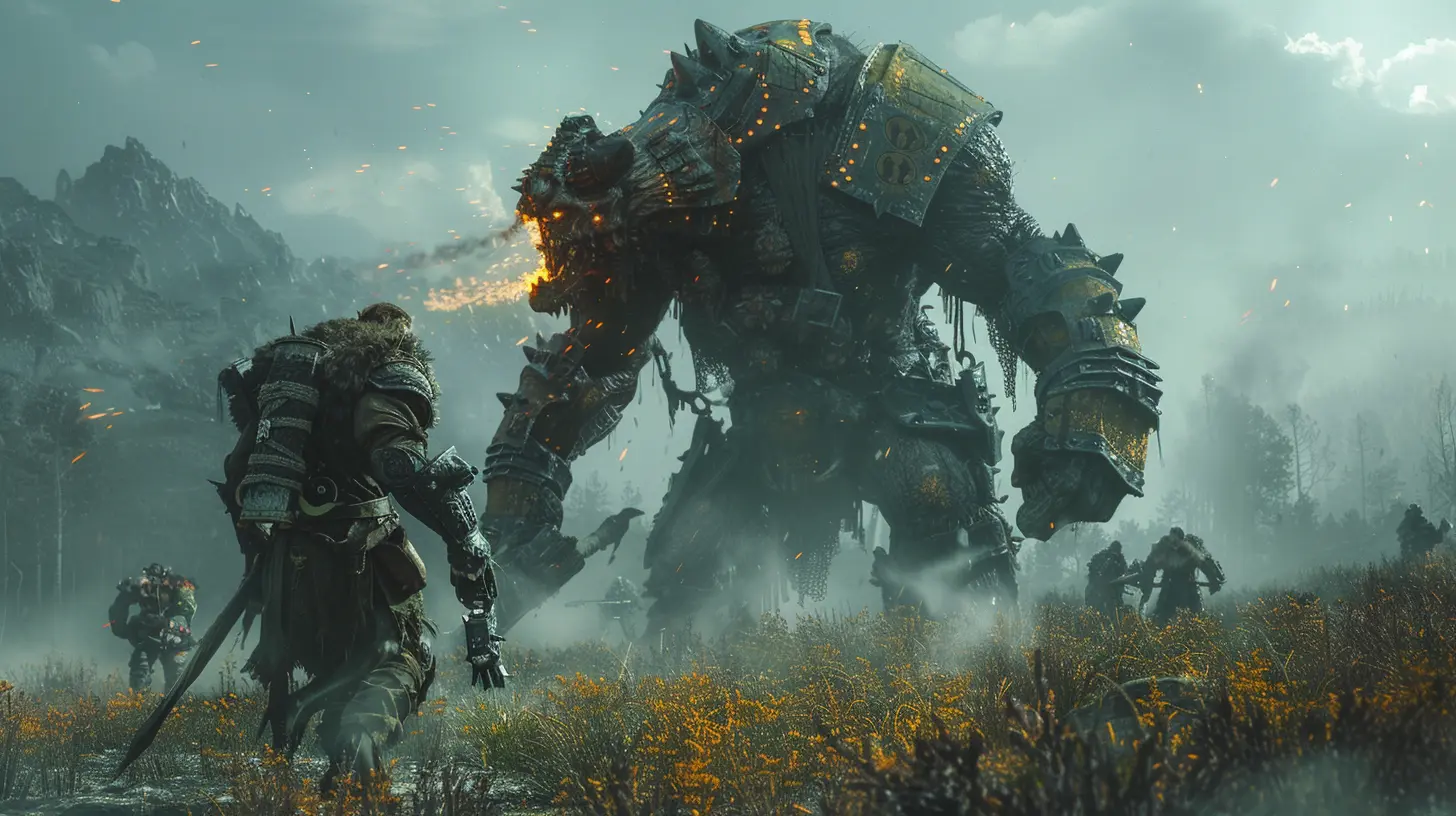
What Even Is "AAA" and "Indie" in Gaming?
Before we dig deep, let’s break down the basics.- AAA Games: These are the blockbuster titles. Think games like Call of Duty, Assassin’s Creed, or FIFA. Big dev teams, sky-high marketing budgets, and often, very safe game mechanics.
- Indie Games: Short for “independent,” these are games developed by small studios or individuals without the backing of a massive publisher. Think Hollow Knight, Stardew Valley, or Hades.
Now that we’ve got that sorted, let’s talk about how these tiny teams are catching — and in some cases, overtaking — the big dogs.
Creativity Over Cash
Let’s be real — when you don’t have millions to throw at a game, you’ve gotta get creative. And indie devs? They thrive on that.While AAA studios often play it safe (because a failure could cost them millions), indie developers are free to take risks. They craft unique stories, experiment with gameplay mechanics, and push artistic boundaries. That’s how we get gems like:
- Undertale – A quirky RPG made by one guy that turned the genre on its head.
- Celeste – A heartfelt platformer that mixes tight gameplay with a beautiful narrative about mental health.
- Disco Elysium – A dialogue-heavy RPG with no combat, yet it’s one of the most gripping detective games ever.
These titles didn’t need lifelike graphics or enormous open worlds. They just needed soul — and they delivered.
Tight Budgets Breed Innovation
Here’s an interesting paradox: limited resources often lead to ground-breaking results.Indie teams are scrappy. With usually small budgets, fewer team members, and tighter deadlines, they’re forced to think outside the box. The result? Fresh ideas. New perspectives. Gameplay that dares to be different.
AAA studios have the pressure of pleasing shareholders. So, they often churn out sequels and stick to formulas that are “proven to sell.” Meanwhile, indie devs are shaping the future of gaming by creating things no one’s seen before.
Ever wondered why so many AAA games feel the same nowadays? It’s because they play by the same old rulebook. Indies? They’re writing new rules altogether.
The Power of Community and Word-of-Mouth
Gone are the days where giant ad campaigns were the only way to market games. Social media, YouTube, Twitch, and Reddit have leveled the playing field.Indie games often go viral, not because someone spent a million dollars on marketing, but because the gaming community genuinely loves them.
Let’s look at Among Us. It quietly existed for a couple of years before streamers and gamers suddenly made it blow up. Its success had nothing to do with high-budget ads — it was pure, organic hype.
Same with Vampire Survivors, Loop Hero, and tons of others. Gamers talk. They share. And when something’s good, it spreads like wildfire.
Game Engines Are Democratizing Development
Back in the day, creating a video game required some heavy-duty tools — many of which were out of reach for indie teams.Now? Not so much.
With engines like Unity, Unreal Engine, and Godot, anyone with a solid idea and some dedication can build something amazing. These platforms lower the technical barriers and let creativity shine. And guess what? Some indie games now look just as polished as AAA titles, even without the truckloads of cash.
Thanks to these tools, the quality gap between indie and AAA is closing fast.
Crowdfunding: The Indie Lifeline
Imagine pitching a game to a publisher and being told it’s “too niche” or “too risky.”That used to be the end of the line. Not anymore.
Now, indie devs can go straight to gamers through platforms like Kickstarter and Indiegogo. If players like the idea, they fund it. Simple as that.
Games like Shovel Knight, Bloodstained: Ritual of the Night, and The Banner Saga were all made possible because fans believed in them.
Crowdfunding doesn’t just raise money — it builds a loyal, invested community from day one. That’s pure gold.
Digital Distribution and the Indie Boom
Let’s thank digital storefronts for creating a stage for indie games.Steam, Epic Games Store, itch.io, and even Nintendo’s eShop have become launchpads for indie titles. You don’t need to land a GameStop shelf anymore to reach players.
And with services like Xbox Game Pass offering more and more indie games, millions of players are being introduced to these hidden gems daily.
The playing field? It's never been more balanced.
Indie Games Offer Unique, Personal Experiences
Want a game that challenges your emotions? Or one that tells a deeply human story?Indie titles often tackle themes that AAA games shy away from. These devs dare to get personal — to tell stories about depression, identity, love, grief, and more. Games like:
- Spiritfarer — A cozy management game about dying.
- To the Moon — A short but emotional journey through memory and regret.
- Oxenfree — A supernatural thriller with an eerie, unforgettable vibe.
These aren't your typical “shoot-and-loot” games. They leave you thinking. Feeling.
Flexibility and Speed: The Indie Edge
AAA developers are like cruise ships. Once they set a direction, it takes ages to change course.Indie studios? They’re speedboats.
They can pivot quickly, update often, and respond to player feedback in real-time. Some even release in Early Access, letting the community shape the game as it’s being built.
That level of agility makes indie games more responsive, dynamic, and in tune with what players want — not just what execs think will sell.
The Rise of Hybrid Indies
Here’s a cool trend: some indie studios are leveling up, adopting elements of AAA while staying true to their indie roots.Take Supergiant Games, creators of Hades. Their polish? AAA-level. But their heart? Pure indie.
These “hybrid indies” are showing that you can scale up without selling out. They’re proof that indie doesn’t mean small — it means smart, soulful, and bold.
Why Gamers Are Choosing Indie Over AAA
There’s a shift happening.Gamers are getting tired of half-baked AAA launches, microtransaction madness, and cookie-cutter sequels. They're looking for something... real.
Indie games, with their charm, innovation, and authenticity, are hitting that sweet spot.
Here’s what draws players in:
- Price: Most indie games are cheaper, often around $15–$30.
- Originality: Every game feels different.
- Passion: You can feel the love and effort poured into every pixel.
- Connection: Devs often interact directly with fans on Twitter or Discord.
It’s like buying art from a local creator instead of from a factory. You’re not just playing; you’re part of something special.
Not Without Challenges
Let’s not romanticize it too much — indie dev life isn't all rainbows.Funding is tough. Burnout is real. Discovery can be a nightmare with so many games flooding the market.
But despite the odds, these devs keep pushing forward. And with the right mix of passion, community, and innovation, they’re shaping the future of gaming — one pixel at a time.
Final Thoughts
Look, AAA games aren't going anywhere. They’ll always have their space, their fanbase, and their jaw-dropping production values.But indie studios? They’re not just tagging along anymore. They’re leading, inspiring, and redefining what games can be.
And the best part? They’re just getting started.
So the next time you scroll past a pixel-art game or a weird little title with no marketing behind it — give it a shot. Who knows? It might just blow your mind.
all images in this post were generated using AI tools
Category:
Game Reviews ArchiveAuthor:

Madeleine McCaffrey
Discussion
rate this article
2 comments
Drake Cain
Indie studios bring fresh ideas, shaking up the gaming landscape beautifully.
August 7, 2026 at 4:53 PM
Madeleine McCaffrey
I completely agree! Indie studios are redefining creativity in gaming and offering unique experiences that challenge the status quo.
Aubrey McNaughton
Indie studios are like the plucky underdogs of gaming, sneaking in through the backdoor with fresh ideas and unique charm. Who needs a blockbuster budget when you have creativity and heart?
June 22, 2026 at 3:09 AM
Madeleine McCaffrey
Absolutely! Indie studios bring a refreshing perspective and innovation that often outshines big budgets. Their creativity and passion can lead to truly unique gaming experiences.