How Level Design Impacts Stealth Gameplay
27 July 2026
Let’s be real—stealth games can either be a thrilling cat-and-mouse chase where you're the mastermind predator, or a frustrating mess where you end up triggering every alarm and running for your digital life. So, what separates a smooth stealth experience from a chaotic one? Two words: level design.
If you’ve ever tiptoed through the shadows in games like Metal Gear Solid, Hitman, or Dishonored, then you’ve experienced firsthand how much environment can make or break your stealth game. Level design isn’t just about making things look pretty—it’s the beating heart of how stealth gameplay works.
In this post, we’re taking a deep dive into how level design impacts stealth gameplay, why it’s so damn important, and what makes a stealth-friendly map tick. Ready to sneak in? Let’s go.
Stealth Games 101: Why Level Design Matters
Before we jump into the nitty-gritty, let’s get one thing straight: stealth gameplay is all about strategy and patience. It’s not about rushing in guns blazing. It’s about observing, planning, and executing. And for all that to work smoothly, the level you’re playing in better be designed with purpose.Imagine trying to play hide-and-seek in an open football field. Not much fun, right? That’s what a poorly designed stealth level feels like—no real options, no tension, just frustration. Good level design provides hiding spots, alternate paths, enemy patterns, and tools in your environment to stay unseen and feel like a genius while doing it.
The Anatomy of a Great Stealth Level
Let’s break down what makes a level ideal for stealth gameplay. Think of it like building a house of cards—every piece of the design needs to support the rest or the whole thing falls apart.1. Multiple Paths = More Player Control
One of the first rules of thumb in stealth game design is giving the player options. Linear levels kill creativity. You don’t want to walk down the only hallway just to get spotted by a guard with no way around.A well-designed stealth level gives you multiple paths to your goal:
- Crawl through vents
- Climb up to a rooftop
- Swim through a sewer
- Hack a door and sneak in
These paths don’t just offer variety—they help you feel clever and in control. You’ll often hear designers talk about the “player agency,” and that’s really what this is all about. The player gets to choose how to tackle the problem, not just follow a script.
2. Clear Sightlines and Cover Options
Stealth is all about visibility—what you can see and what can see you. A level that communicates sightlines clearly gives players a better sense of risk and safety.Ever played a game where you thought you were hidden, but still got spotted? That usually comes down to bad level feedback. Good level design includes:
- Shadows and lighting (dark = safe)
- Plenty of cover like crates, walls, and furniture
- Elevated areas to get a better view
Games like Splinter Cell absolutely nailed this with dynamic lighting and an easy-to-read visibility meter. You knew when you were hidden and when you weren’t.
3. Enemy Patrol Routes and AI Behavior
Guards that just stand still aren’t fun. But neither are ones that randomly spin around or sprint across the map. Balanced AI movement makes stealth gameplay feel like a puzzle that you can crack with observation and timing.Level designers usually work closely with AI developers to:
- Create predictable patrol patterns
- Make sure enemies have logical paths
- Add “safe zones” to plan your sneak attacks
A great example? Hitman levels. They’re basically clockwork machines. Once you study the environment and guard routines, you can pull off the perfect silent takedown or sneaky disguise switch.
How Verticality Changes the Game
Remember when stealth games used to be flat? Like, you either went forward or backward. Now? You’ve got rooftops, vents, ladders, zip lines, and balconies. Verticality adds a whole new layer to gameplay—literally.Climbing up high in a level gives you:
- Better visibility of the area
- Ways to bypass tougher enemies
- New hiding spots or entrances
Games like Dishonored or Assassin’s Creed absolutely own this concept. You can peek into rooms from above, drop down for a quick knockout, or escape across the rooftops. It’s sneaky, it’s stylish, and it feels damn good.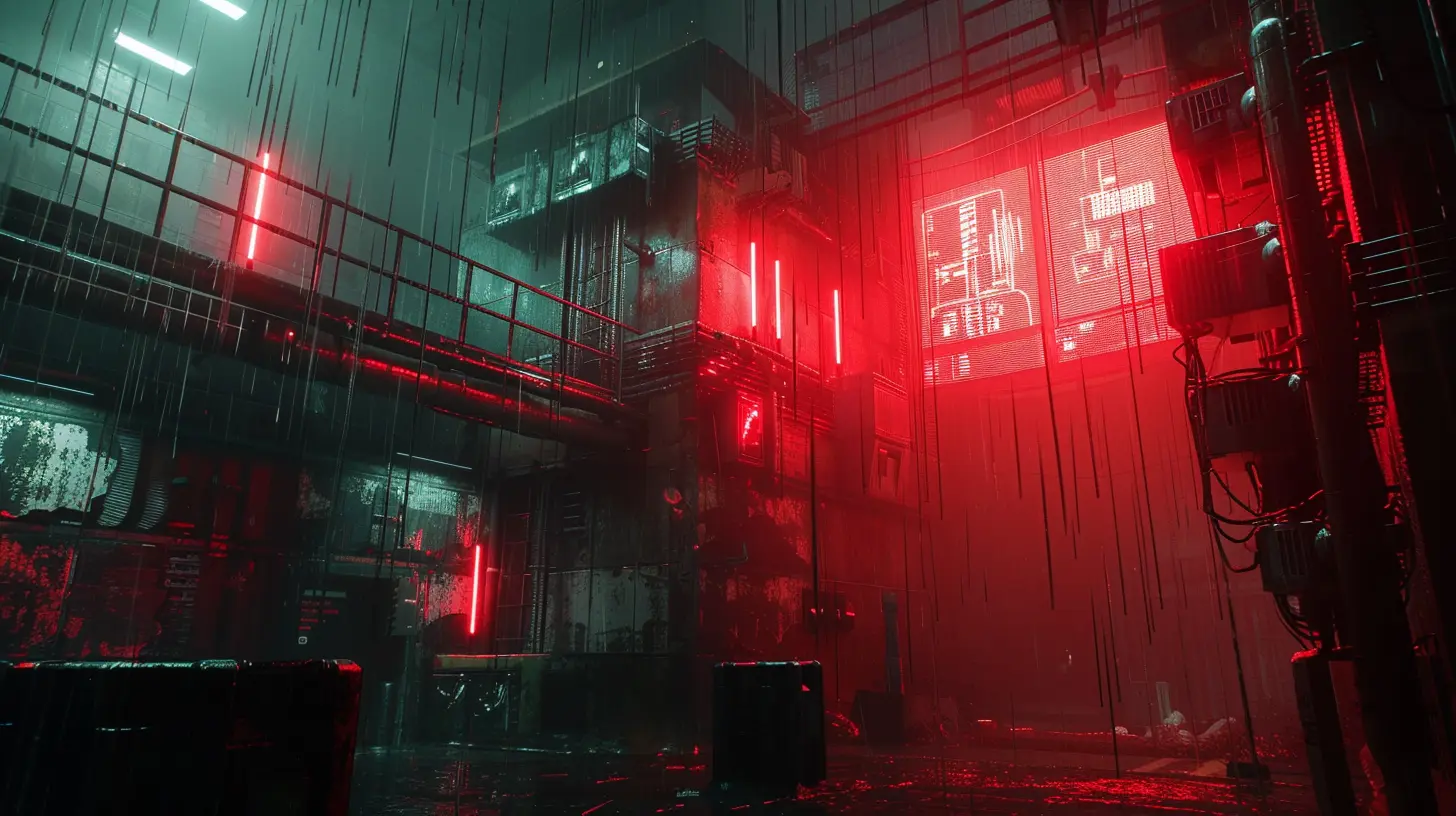
Environmental Storytelling in Stealth Levels
Great stealth levels don’t just function—they tell stories. Maybe you find a guard’s note revealing a secret passage, or overhear a conversation that hints at patrol changes. This kind of storytelling pulls you deeper into the world without stopping the game.Stuff like:
- Blood trails leading to secret tunnels
- Scratched walls near moveable bookcases
- Hidden clues that reward exploration
These design elements turn the player into a detective, not just a ninja. They also give you more confidence to try creative approaches.
Sound Design: The Invisible Level Element
Okay, this one’s not technically level design, but it’s so closely tied to stealth that we need to talk about it. In stealth games, sound is just as important as visuals. And the level has to support that with solid acoustics.Good stealth level design includes:
- Floors that make noise (like creaky wood or gravel)
- Sound-dampening environments (carpeted rooms, etc.)
- Interactive noise sources (radios, TVs, generators)
Games like The Last of Us Part II use sound in super-smart ways. If you step too loud, enemies hear you. If you throw a bottle, you can lure guards away. All this works because the level was designed to support that kind of interaction.
The Role of Gadgets and Tools
Now let’s talk gear. What’s a stealth game without some cool toys? Whether it’s EMP grenades, tranquilizer darts, or simple noisemakers, these tools only work if the level supports their use.If the level is too open, gadgets feel weak. If the level is too cramped, you don’t get to experiment. Good stealth levels make sure:
- There are choke points where luring enemies makes sense
- Enemies are spaced out just enough to take down quietly
- There’s room to use gadgets creatively (distract, bypass, eliminate)
In Deus Ex: Human Revolution, for example, you can use hacking tools to create diversions, find secret vents, or disable alarms. The levels are literally built around making those tactics feel effective.
Risk and Reward: Sneaky Payoffs
Stealth gameplay works best when there’s a reason to stay silent. If you can go full Rambo and still get through the level, what’s the point? That’s why level design often hides juicy rewards behind stealthy paths.Think:
- Hidden armories
- Secret collectibles
- Alternate story routes
When a level rewards you for staying quiet with exclusive goodies, it reinforces the vibe. You’re not just sneaking for the challenge—you’re doing it for the loot, lore, or bragging rights.
How Modern Games Are Evolving Stealth Level Design
Stealth games have come a long way from pixelated guards yelling “who’s there?” Today, developers are crafting more open-ended levels, realistic AI, and hybrid mechanics that mix stealth with other gameplay types.Open-World Stealth
Games like Ghost of Tsushima or Far Cry let you approach missions however you want—loud or stealthy. That freedom demands smarter design. Instead of set corridors, designers create sandbox areas with multiple entry points, vertical plays, and sound-based mechanics.Dynamic Environments
We’re also seeing more dynamic level features:- Light sources you can shoot out
- Destructible walls to create new paths
- Interactive AI that reacts to previous player behavior
That kind of flexibility means every stealth scenario can play out differently, adding replayability and depth.
Final Thoughts: Stealth Lives or Dies by its Level Design
Stealth gameplay isn’t just a genre—it’s an experience. It builds tension, rewards patience, and gives you that rush of outsmarting your enemies. But all of that hinges on solid level design.If the paths are too narrow, if the AI is too dumb, if there’s no cover or alternate routes—it falls apart. But when developers craft levels with intention, everything clicks. You go from a player to a ghost, moving through the world like a shadow with purpose.
So next time you're sneaking past guards in a dark hallway or dropping silently from a rooftop, take a moment to appreciate the design beneath your feet. It’s not just a map—it’s a playground for your inner stealth master.
all images in this post were generated using AI tools
Category:
Stealth GamesAuthor:

Madeleine McCaffrey
Discussion
rate this article
2 comments
Fallon McAllister
Great insights on level design and stealth gameplay! The way environments shape strategy can really elevate the experience. It's amazing how a well-crafted space can enhance tension and creativity in players. Keep up the awesome work!
September 17, 2026 at 4:10 PM
Madeleine McCaffrey
Thank you! I'm glad you enjoyed the insights. Level design really does play a crucial role in shaping player experience. Your support means a lot!
Micah Anderson
Level design is the heartbeat of stealth gameplay. It shapes every choice, every tension-filled moment. When crafted with intention, environments become more than just backdrops-they transform into strategic puzzles that challenge players to think creatively and act decisively.
July 28, 2026 at 3:35 PM
Madeleine McCaffrey
Absolutely, well-designed levels are crucial. They create the tension and decisions that define stealth gameplay, turning spaces into dynamic challenges.