How Narrative Choices Shape the Player Experience
28 February 2026
Ever found yourself staring at two dialogue options, heart pounding, wondering if you're about to make the biggest mistake of your virtual life? If so, you're not alone. Narrative choices in video games have evolved far beyond simple good-or-evil decisions. These choices have become a powerful tool that shapes the way we experience, remember, and connect with games.
Whether you're negotiating peace with ancient aliens or deciding who lives and who dies in a zombie apocalypse, the path you take can transform the entire game—and your emotional journey through it. Let’s dive into how narrative choices truly shape the player experience, and why they matter more than ever in modern gaming.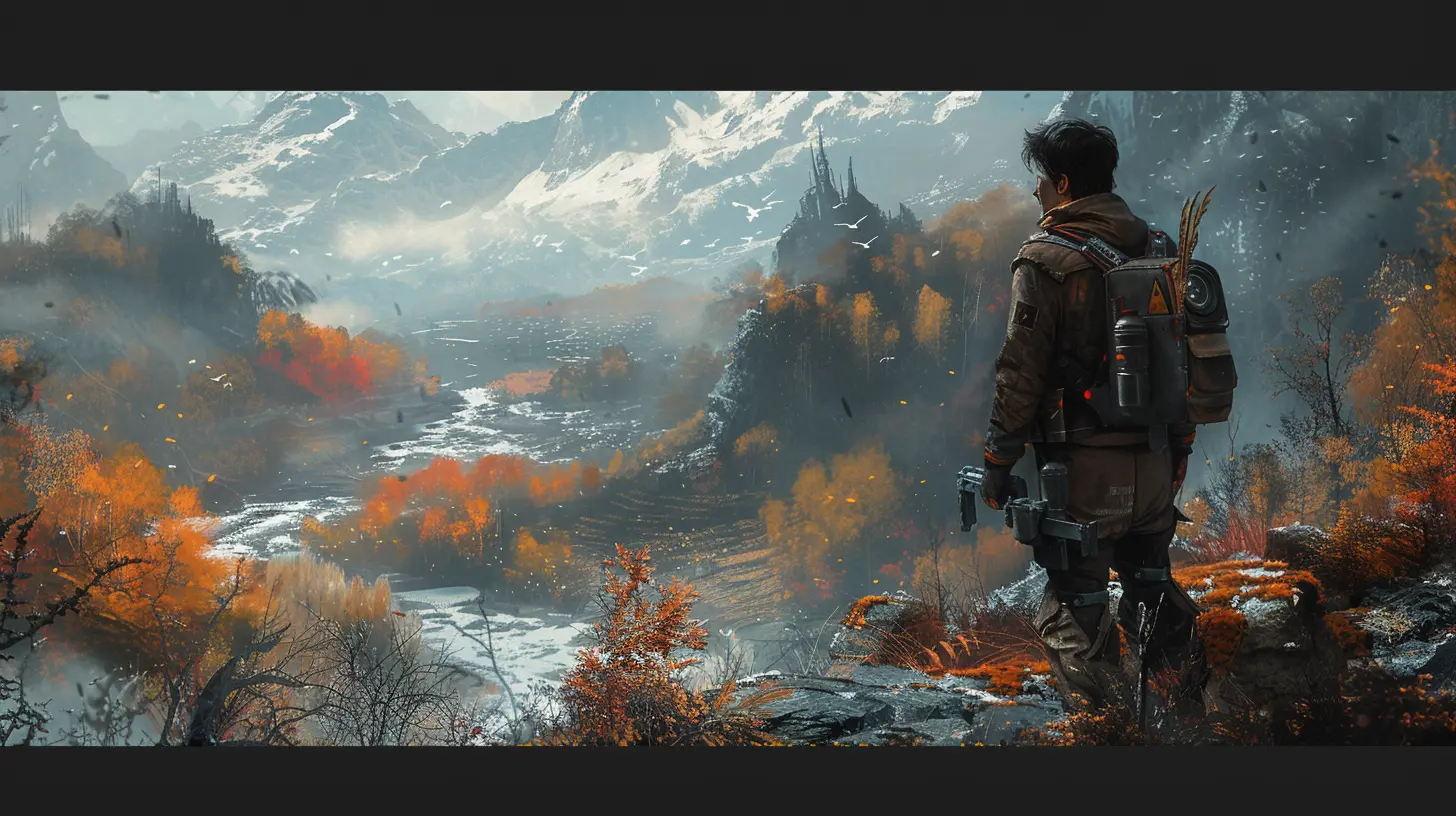
The Rise of Choice-Based Storytelling in Games
Back in the day, linear storytelling ruled the gaming world. A to B to C—no deviations, no questions. You just followed the script. Games like Super Mario Bros. or Doom had killer gameplay, but the story? It was more of a backdrop than the main dish.Fast forward to now, and choice-driven narratives are everywhere. Titles like Mass Effect, The Witcher 3, Detroit: Become Human, and Life is Strange put you in the driver's seat. The story isn’t happening to you. You’re composing it.
This shift has opened the floodgates to deeper emotional engagement. When your choices actually matter, you care more. Suddenly, the game isn’t just a hobby—it’s a personalized story that mirrors your decisions and values.
Why Do Narrative Choices Matter?
1. Emotional Ownership
When we make choices in games, we become emotionally invested. Think about it: in The Walking Dead by Telltale Games, deciding whether to save Carly or Doug isn’t just a gameplay mechanic—it’s a moral gut-punch. That choice stays with you, and it colors your entire gaming experience.Now imagine if the game made that decision for you. Would you feel as connected? Probably not.
2. Meaningful Consequences
Great narrative choices come with consequences. Not the fake kind where you choose between a red and blue button and end up with the same cutscene. We're talking real, story-altering ramifications.Remember the Mass Effect trilogy? Your early choices echo throughout the series, shaping alliances, character fates, and even the ending. It’s like planting a story seed that blooms (or dies) based on how you nurture it.
3. Personalized Storylines
When a game adapts to you, it starts to feel yours. It’s the difference between watching a movie and being the lead actor.In Undertale, for example, whether you choose a pacifist, neutral, or genocide route literally changes the game's tone, characters’ reactions, and the final outcome. It’s not just a game—it’s your story.
The Psychology Behind Narrative Choices
Games tap into something deep in our psyche. We love control. We crave agency. And when we’re given the reins, we invest more—emotionally, mentally, and even physically.The Illusion of Choice
Not all games offer full-blown branching narratives (and that’s okay). Some games employ what's called the “illusion of choice.” You feel like your choices matter, even if the outcome is largely the same. This still works because it engages your brain, making you feel like your opinion counts.And here’s the kicker: studies show that when players believe their choices matter—even if they don’t—they’re still more satisfied with the game.
Moral Dilemmas as Emotional Hooks
Games like Spec Ops: The Line or This War of Mine force you to make impossible decisions. There’s no “right” answer—only consequences. This creates a tension that hooks players deeper than any loot drop ever could. You’re not just fighting enemies; you're battling your own conscience.
Designing Impactful Choices: What Makes Them Work?
Not every game nails it. Some offer what we like to call "checkbox choices"—decisions that look exciting on the surface but don’t really do much. So what separates a forgettable choice from an unforgettable one?1. Stakes That Matter
If every choice leads back to the same outcome, players feel cheated. The best games make you sweat because you know every decision counts. In Dragon Age: Inquisition, choosing which faction to side with can change entire missions, allies, and outcomes.2. Nuanced Morality
Gone are the days of cookie-cutter good vs. evil. Modern games thrive in the grey zone. You’re not just choosing between light and dark—you’re choosing between what you believe is right and what the game world demands.Games like Disco Elysium excel at this. You're making choices not just for the plot, but for who your character becomes. Are you a corrupt cop? An idealist? A drunken mess trying to make sense of the world?
3. Consistency in World-Building
Choices only resonate in believable worlds. If the game’s universe reacts inconsistently or ignores your decisions, you lose immersion. The Fallout series, for instance, lets you shape relationships with factions in ways that drastically alter your path. Consistency in reactions helps build a world that feels reactive and alive.Narrative Branching: Too Much of a Good Thing?
Here’s a hot take: sometimes, too much choice can be overwhelming. Ever sat frozen at a dialogue wheel for five minutes because each option might steer the story in a wildly different direction? Same.Branching Hell
Developers call it “narrative spaghetti” for a reason. As choices branch out, keeping them coherent and meaningful becomes a Herculean task. That’s why some games opt for converging branches—multiple paths that slowly merge back into a single storyline.It’s a smart compromise: give the illusion of vast choice while keeping the narrative manageable. Players still feel like their journey is unique, even if major story beats are shared.
Player Fatigue
Too many choices can lead to decision fatigue. When every moment is a moral dilemma, the game stops being fun and becomes a chore. Balance is key. Sometimes, players just want to kick back, enjoy the ride, and not be burdened by existential questions every ten minutes.Choice vs. Narrative Cohesion: Walking the Tightrope
One of the biggest challenges in game writing is balancing player choice with narrative cohesion. Give too much freedom, and you risk a messy, incoherent story. Give too little, and players feel like their actions don’t matter.Games like The Witcher 3 strike this balance beautifully. There’s freedom, but also a strong central narrative to guide you through. Geralt's personality remains consistent, but your choices still shape relationships and outcomes in meaningful ways.
Multiplayer Games and Emergent Storytelling
Narrative choices aren’t limited to single-player experiences. In multiplayer and online games, choices often emerge organically through player interactions.Think about DayZ, Rust, or Sea of Thieves. There’s no scripted story, but each session tells a different tale. You choose whether to help a stranger or stab them in the back. These unscripted choices create player-driven narratives that are just as powerful—if not more—than any written storyline.
Accessibility and Replayability
Narrative choices don’t just shape the moment—they shape the value of the game overall.Boosting Replay Value
Games with branching storylines naturally invite multiple playthroughs. Did you choose to save the village? What happens if you let it burn? Want to see the other ending?Titles like Until Dawn and Heavy Rain practically beg you to replay and uncover all the paths you missed.
Making Stories More Inclusive
The rise of choice-based narratives has also opened doors for more inclusive storytelling. Players can often choose gender, background, and moral alignment, allowing for stories that reflect a broader spectrum of human experience.This personalization helps more players see themselves in the game—and that’s a powerful thing.
The Future of Narrative Choice in Gaming
We're just scratching the surface. With advancements in AI, machine learning, and procedural storytelling, the future of narrative choice is about to explode.Imagine a game where NPCs remember every interaction permanently. Or where AI dynamically generates dialogue that adapts to your moral compass. We’re talking about truly living narratives that respond in real time.
Moreover, games are increasingly becoming platforms for storytelling experimentation. Interactive fiction hybrids, such as Road 96 or Norco, blend linear storytelling with branching mechanics, offering new ways to engage with narrative without overwhelming the player.
Final Thoughts
Narrative choices aren't just bells and whistles—they're the soul of modern gaming. They empower us to shape worlds, explore identities, and navigate moral landscapes in ways no other medium can offer. Whether you’re saving the galaxy or deciding who gets the last candy bar in a post-apocalyptic wasteland, your choices matter. And that’s what makes gaming so uniquely powerful.So the next time you're sitting agonizing over a dialogue option, remember: you’re not just making a choice. You’re forging a path—one that might just stick with you long after the credits roll.
all images in this post were generated using AI tools
Category:
Game Reviews ArchiveAuthor:

Madeleine McCaffrey
Discussion
rate this article
2 comments
Vito Larsen
This article insightfully highlights how narrative choices enhance player engagement and emotional investment. By emphasizing the impact of decision-making on storytelling, it invites readers to appreciate the intricate relationship between player agency and narrative depth, ultimately enriching the overall gaming experience. A thought-provoking read!
March 3, 2026 at 5:01 AM
Madeleine McCaffrey
Thank you for your thoughtful feedback! I'm glad you found the article insightful and appreciated the connection between narrative choices and player engagement. Your engagement means a lot!
Zephyrian Stone
Great read! Narrative choices truly transform gameplay, allowing players to shape their own stories and outcomes. It's fascinating how these decisions create emotional connections and impact player engagement. Developers should continue exploring this aspect to enhance storytelling and player immersion in future games.
March 1, 2026 at 3:43 PM
Madeleine McCaffrey
Thank you for your insightful comment! I'm glad you found the exploration of narrative choices engaging and crucial for enhancing player immersion. Your thoughts on the importance of emotional connections in gameplay resonate deeply with the article's focus.