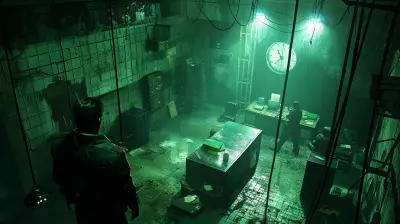
How Stealth Games Improve Your Problem-Solving Skills
18 May 2026
Stealth games aren't just about hiding in the shadows and sneaking past guards—they’re a mental workout disguised as entertainment. Have you ever sat for 30 minutes, watching patrolling enemies, planning your move, only to have it all fall apart in seconds? That's not failure—it's growth. Playing stealth games builds real-life skills, especially when it comes to problem-solving. And today, we’re diving deep into how these sneaky, edge-of-your-seat experiences actually turn you into a better, sharper thinker.
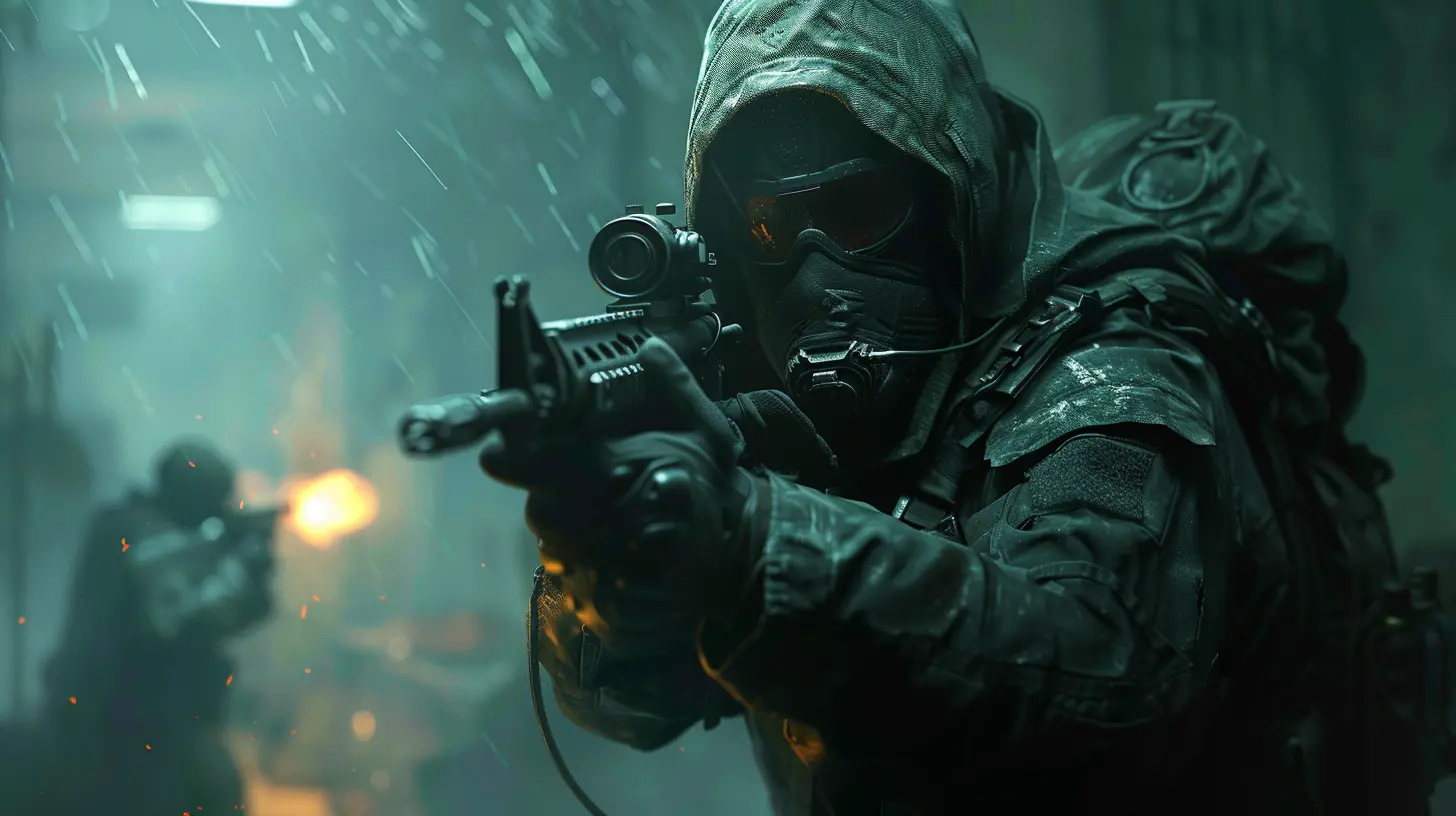
What Makes Stealth Games So Unique?
Let’s start with a simple question: Why do stealth games feel so different from, say, a run-and-gun shooter or a fast-paced arcade game?The main difference lies in pace. Stealth games slow things down. They force you to think before you act. Whether it’s slipping past cameras in Metal Gear Solid or choosing your approach in Dishonored, you’re almost always making conscious decisions. You're not reacting; you're anticipating. That slow-burn tension creates the perfect environment for one particular skill to shine—problem-solving.
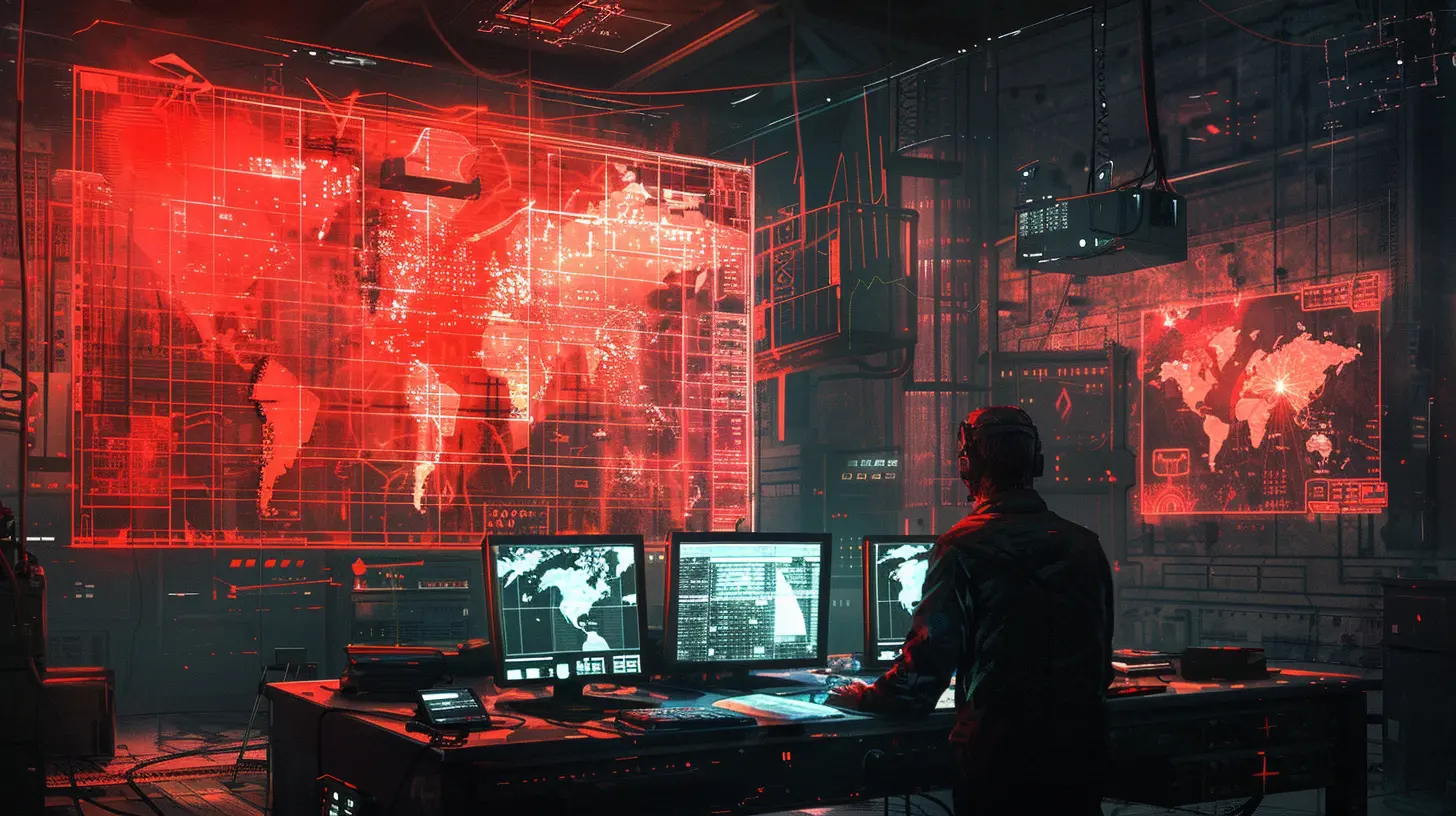
Every Scenario is a Puzzle
Ever play a stealth game where you had to disable a security system, sneak past laser grids, and neutralize guards without making a sound? Yep, that's not just gameplay. That’s critical thinking in full action.Stealth games present problems like puzzles. You know your objective—get from Point A to Point B—but the ‘how’ isn’t spelled out. You might have multiple paths, traps to avoid, or guards to distract. Your brain starts asking questions:
- Should I sneak past or eliminate that guard?
- Is there a hidden vent I can use?
- What tools do I have to make this easier?
What’s cool is that these challenges are rarely straightforward. There's no "one right solution." You’re constantly analyzing your environment, weighing the pros and cons of each action, and adapting as things unfold. This mirrors real-life problem-solving. It’s not about finding THE solution—it’s about finding YOUR solution.
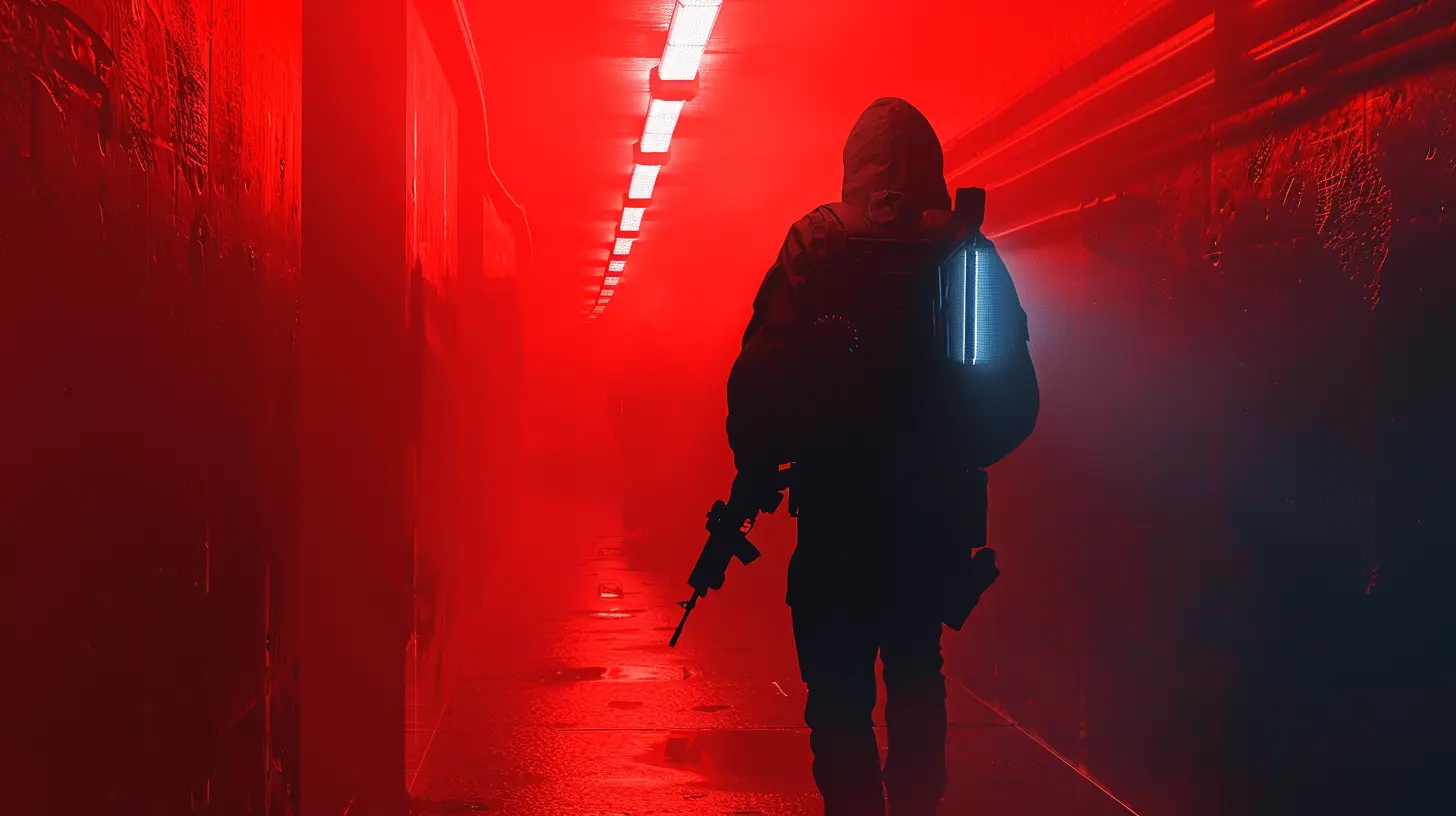
Planning and Strategy: Thinking Three Steps Ahead
One of the biggest takeaways from stealth games? Planning.If you think back to games like Hitman or Splinter Cell, you’ll recall how essential it is to plan your moves. You’re studying guard patterns, timing footsteps, using distractions—like tossing a bottle to get someone to investigate a noise—so you can slip by unnoticed.
That’s essentially strategic thinking.
In daily life, we often face complex, multi-step problems: Whether it’s planning a project at work, budgeting for a vacation, or even cooking dinner on a tight schedule. Stealth games help you develop those skills naturally by encouraging you to:
- Break large problems into smaller tasks.
- Prioritize actions based on risk and reward.
- Prepare a backup plan in case things go wrong (and they often do in stealth games).
This cultivates a flexible and resilient mindset—qualities essential to solving challenges on and off the screen.
Failure is a Lesson, Not a Setback
Let’s be honest. If you’ve played stealth games, you’ve failed. A lot.Maybe you stepped on a broken bottle. Maybe a guard saw your shadow. Maybe you panicked and hit the wrong button. Whatever it was, you probably reloaded your save and tried again. And again. And again.
But here's the magic: Every failure teaches you something. That guard patrols every 12 seconds. The dog always sniffs out the vent. The camera has a blind spot if you crouch.
You start internalizing these lessons like instinct. Slowly, you stop repeating mistakes. That’s real growth.
This process of trial and error builds resilience and perseverance—skills that are invaluable when solving real-life problems. You stop being afraid to try, and you start seeing failure not as defeat, but as feedback.
Encouraging Creative Thinking
A lot of the time, stealth games don’t give you the answers. They give you a sandbox and some tools. In games like Deus Ex or Assassin’s Creed, you can climb walls, blend into crowds, or hack devices to set traps. The point is, you’re free to experiment.Don’t want to fight that guard? Cause a distraction. Don’t want to sneak? Find a climbing path over the rooftops. Want to go full pacifist? Use sleep darts and never get caught.
You’re solving the same problem from different angles. That’s the essence of creative problem-solving.
You start thinking outside the box. You become more confident in trying non-traditional approaches, even in your everyday life. And suddenly, you're not just following the rules—you’re rewriting them.
Adapting Under Pressure
Let’s talk about something stealth games do amazingly well: throwing you into the deep end.You could have the perfect plan. Maybe you scouted the route, memorized patrols, even disabled the cameras. But then—bam! Someone sees you. An alarm blares. Backup is coming.
What do you do? You make split-second decisions. You adapt.
In stealth games, nothing ever goes 100% according to plan. And honestly? That’s the best part. These moments force you to stay calm under pressure, think fast, and act decisively. You're not just solving problems—you’re solving them at high speed with limited information.
Adaptability is a huge part of real-world problem-solving, especially in unpredictable situations. Whether it’s a last-minute change in your schedule or a sudden work crisis, you need the same skill set that stealth games constantly push you to develop.
Strengthening Memory and Attention to Detail
Here’s a fun side effect of playing stealth games: Your brain gets better at storing and using information.You memorize guard paths, layout maps in your head, remember where the cameras are, and predict security responses. You pay attention to little things—footprints, sound cues, light sources.
This sharpens both your memory and your attention to detail.
You might find yourself noticing more in real life too. Maybe you remember where you last left your keys. Or you spot patterns in conversations, workflows, or even traffic. It’s subtle, but it’s there.
The more you practice in-game, the more those attention and recall muscles flex in the real world.
Emotional Control and Impulse Management
Let’s not forget the emotional side of the stealth genre. Have you ever sat in absolute silence, controller gripped tightly, watching a guard pass inches from your hiding spot? Your heart races. You want to move. But the game teaches you: Wait. Be patient. Think first.Stealth games reward patience and punish impulsiveness. The moment you act without thinking, you risk everything. That dynamic helps you develop emotional control.
In a world that praises speed, stealth games teach you the beauty of slowing down. They train you to manage your impulses, stay calm when it counts, and make rational decisions even when your adrenaline’s pumping.
And honestly? That’s a life skill more of us could use.
Real-Life Applications of Stealth Game Skills
You might be wondering, “Okay, so I’m better at sneaking around in video games. How does that help me in real life?”Great question.
Here’s the thing—those mental muscles translate. Problem-solving isn’t limited to puzzles or mission objectives. It’s in your job, your relationships, your personal goals.
Let’s break it down:
- Workplace Challenges: You’ll plan projects more efficiently, stay calm during deadlines, and think creatively when faced with obstacles.
- Social Situations: You’ll be more observant, empathetic, and strategic in navigating complex interactions.
- Self-Improvement: You’ll analyze setbacks without emotional baggage, adapt your routines, and stick to long-term goals with patience and discipline.
We often think of games as just “fun” or “time-wasters,” when in reality, they can be powerful teachers. Stealth games, in particular, offer a concentrated dose of problem-solving practice in a way that’s engaging, immersive, and effective.
It's Not Just a Game—It's Mental Gymnastics
Let’s face it, we all want to grow. Whether it's mentally, emotionally, or professionally, growth is a universal desire. Stealth games might seem like entertainment on the surface, but beneath that digital skin, they're training your brain in ways you might not even realize.You're learning to think critically, adapt quickly, stay calm under pressure, and make smart, creative decisions—all while having a blast.
So the next time someone tells you that gaming is a waste of time, you can smile, lean back, and say: "Actually, I’ve been improving my problem-solving skills. Thanks for asking."
Because at the end of the day, stealth games aren’t just about sneaking past enemies—they’re about outsmarting challenges, one thoughtful step at a time.
all images in this post were generated using AI tools
Category:
Stealth GamesAuthor:

Madeleine McCaffrey
Discussion
rate this article
2 comments
Stephen Morgan
Ever notice how in the shadows, every decision feels weighty? Stealth games blur the line between instinct and strategy, revealing hidden layers to both the gameplay and our minds...
June 24, 2026 at 5:07 AM
Madeleine McCaffrey
Absolutely, stealth games really make you weigh every choice. They push us to think critically and adapt quickly, enhancing our problem-solving skills in surprising ways.
Pia McIlroy
Stealth games are like puzzle boxes wrapped in excitement! They challenge your mind while keeping you on your toes. Embrace those sneaky strategies and watch your problem-solving skills soar. Who knew being a stealthy ninja could boost your brainpower too?
May 26, 2026 at 3:33 AM
Madeleine McCaffrey
Absolutely! Stealth games really do combine thrills with brain workouts. They make you think creatively and strategically, proving that sneaky gameplay is a smart way to sharpen your skills.