How Stealth Games Tackle Moral Choices
6 February 2026
Stealth games have always been a thrilling genre. It’s not just about sneaking through corridors or hiding in the shadows—there’s a lot more going on beneath the surface. One of the most fascinating elements of stealth games is how they force players to make tough decisions. You know, those gut-wrenching moments when you’re torn between doing what’s easy and doing what’s right?
Let’s dive headfirst into how stealth games tackle moral choices, and how they often make us reflect on our own values… all while crouching behind a stack of crates.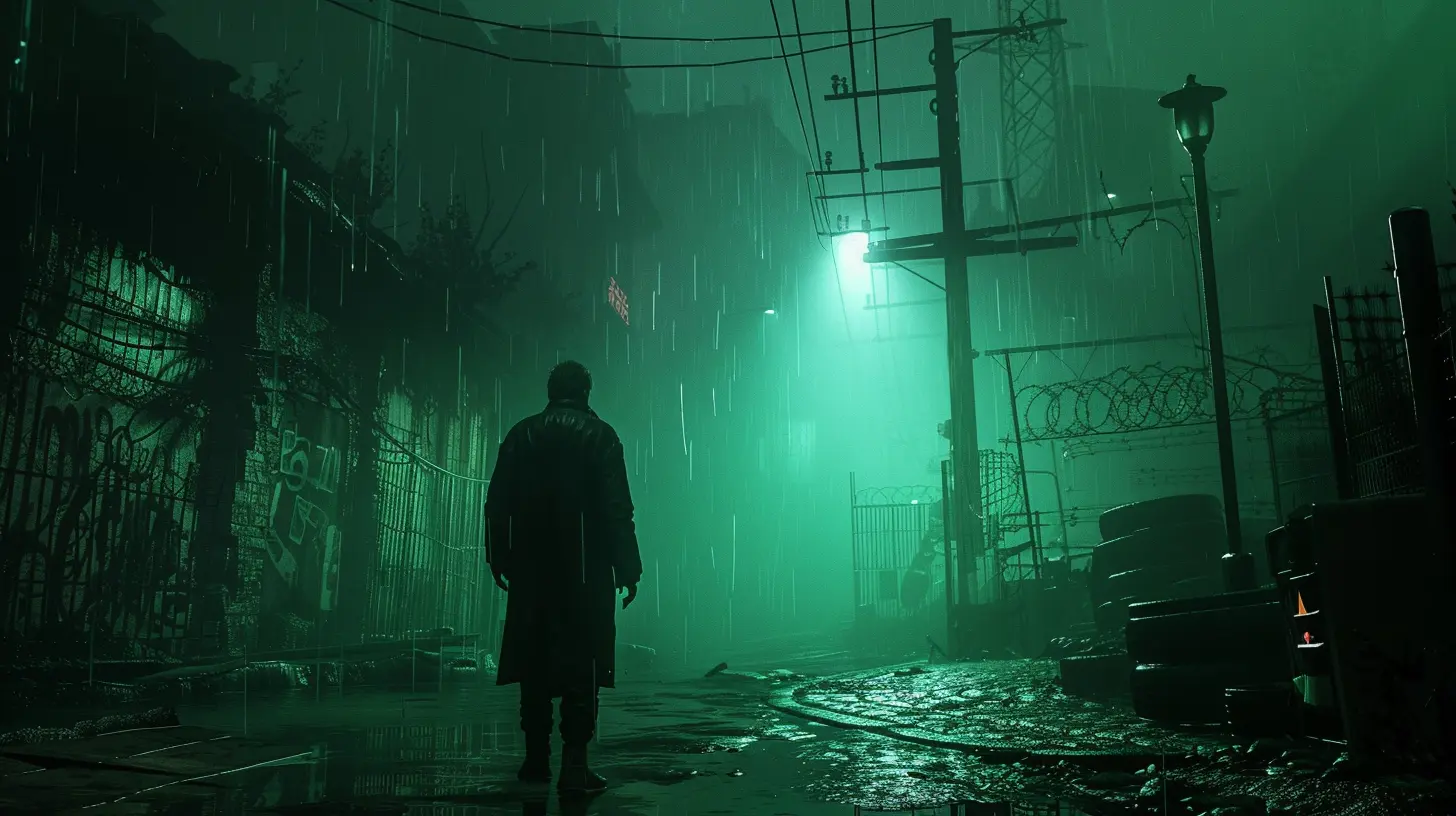
The Core of Stealth Gameplay: Choice and Consequence
At their heart, stealth games are all about choice. Do you go in guns blazing, or do you silently sneak past every guard without a trace? Most stealth titles reward players for taking the non-lethal, quieter route—but it’s not always the easiest.But that’s where the magic lies.
Stealth games put you right in the driver’s seat. You're not just following a pre-planned path—the game is watching how you play, and it reacts. These reactions often come in the form of moral consequences. Think of it like a mirror being held up to your decisions, showing you what kind of player (or person?) you really are.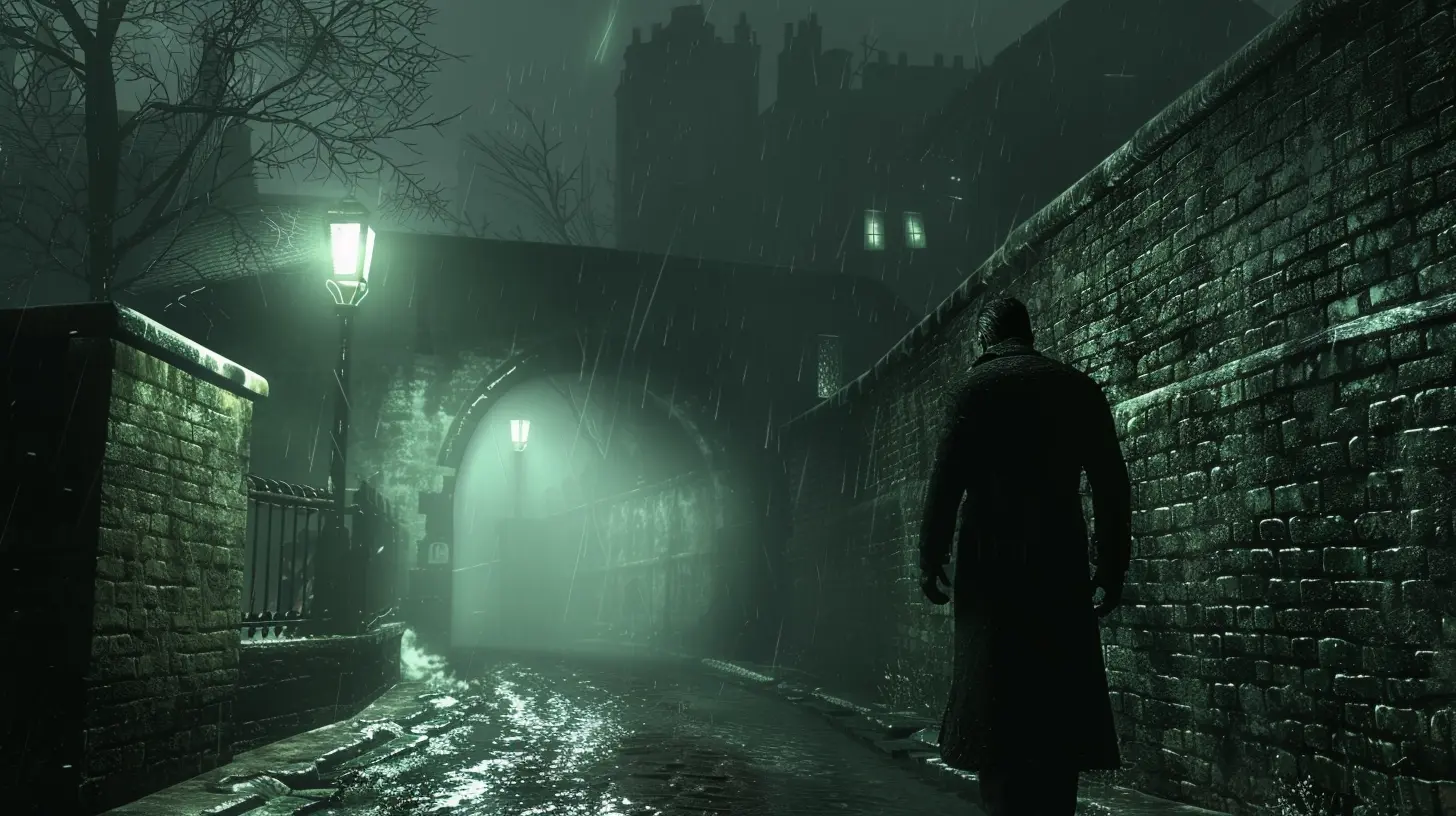
Morality Isn’t Always Black and White
One of the standout features of stealth games is the grey area they live in. Unlike traditional action games where bad guys are obvious and decisions are clear-cut, stealth games mess with your head a bit.You’re often given multiple paths to complete an objective, with each choice carrying its own weight. Let’s say you sneak into a heavily guarded building. You can knock out a guard and hide his body… or take him out permanently to avoid alerting others. Both are “viable” in gameplay terms, but morally? That’s up to you.
Games like Dishonored do a stellar job of this. The more people you kill, the darker (literally and metaphorically) the world becomes. More rats, more plague, more chaos. Your actions ripple out, affecting the storyline, the setting, and even the way NPCs treat you. Pretty wild, huh?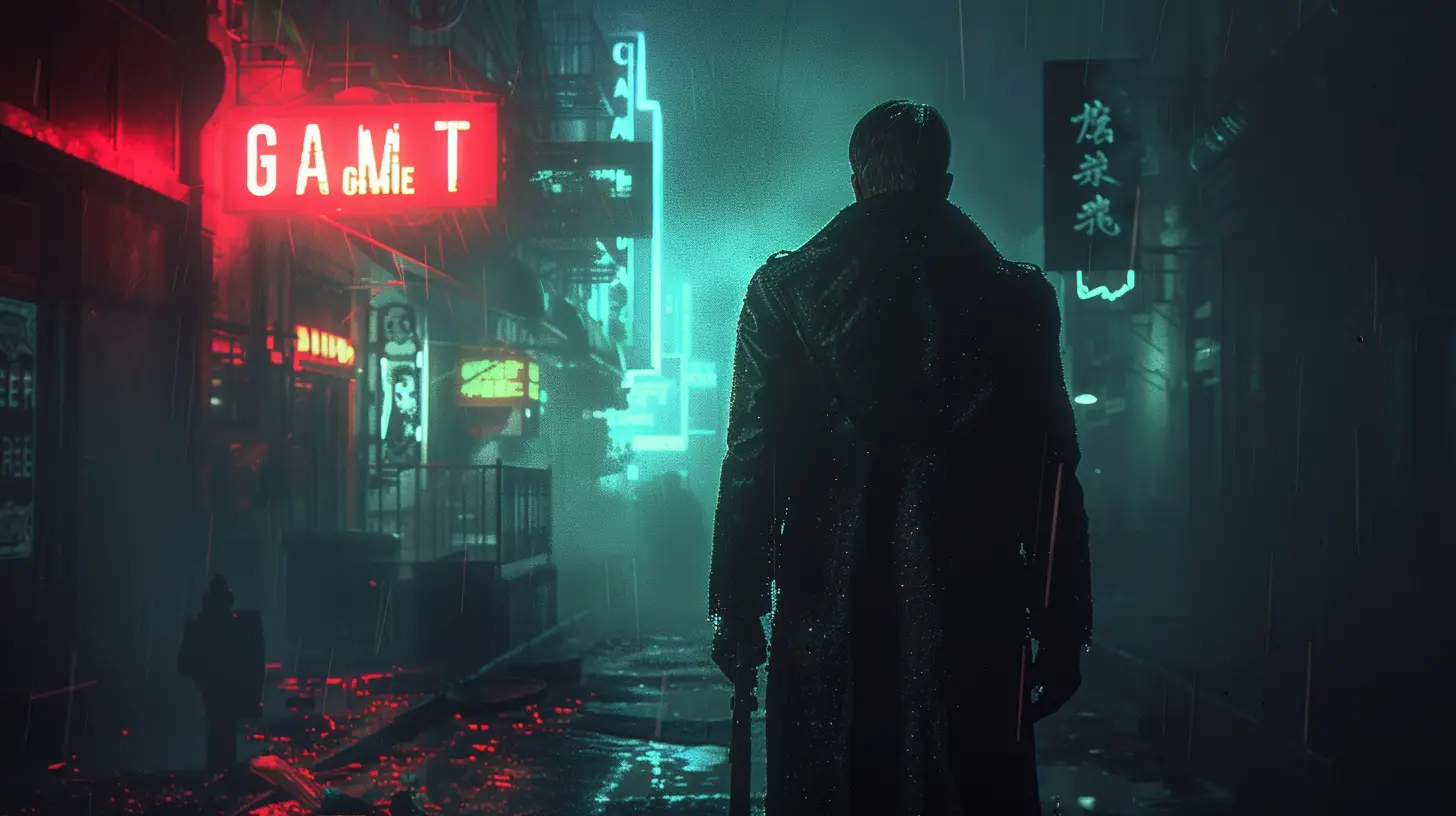
Player Agency Gives Weight to Decisions
Stealth games give you freedom—not just in movement but in ethics. That freedom makes everything feel more personal. When you make a tough choice, it’s not because the game forced you into a cutscene. Nope. You chose it.That’s huge.
Take Metal Gear Solid V, for example. You can tranquilize enemies, use non-lethal takedowns, or go full-on Rambo. But the game also lets you reflect on those decisions through themes of war, revenge, and sacrifice. It doesn’t explicitly say you’re wrong for choosing violence, but it makes you feel it.
When games give you the agency to be merciful—or brutal—and then show you the aftermath… that’s when they climb into your brain and stay there long after you’ve powered down your console.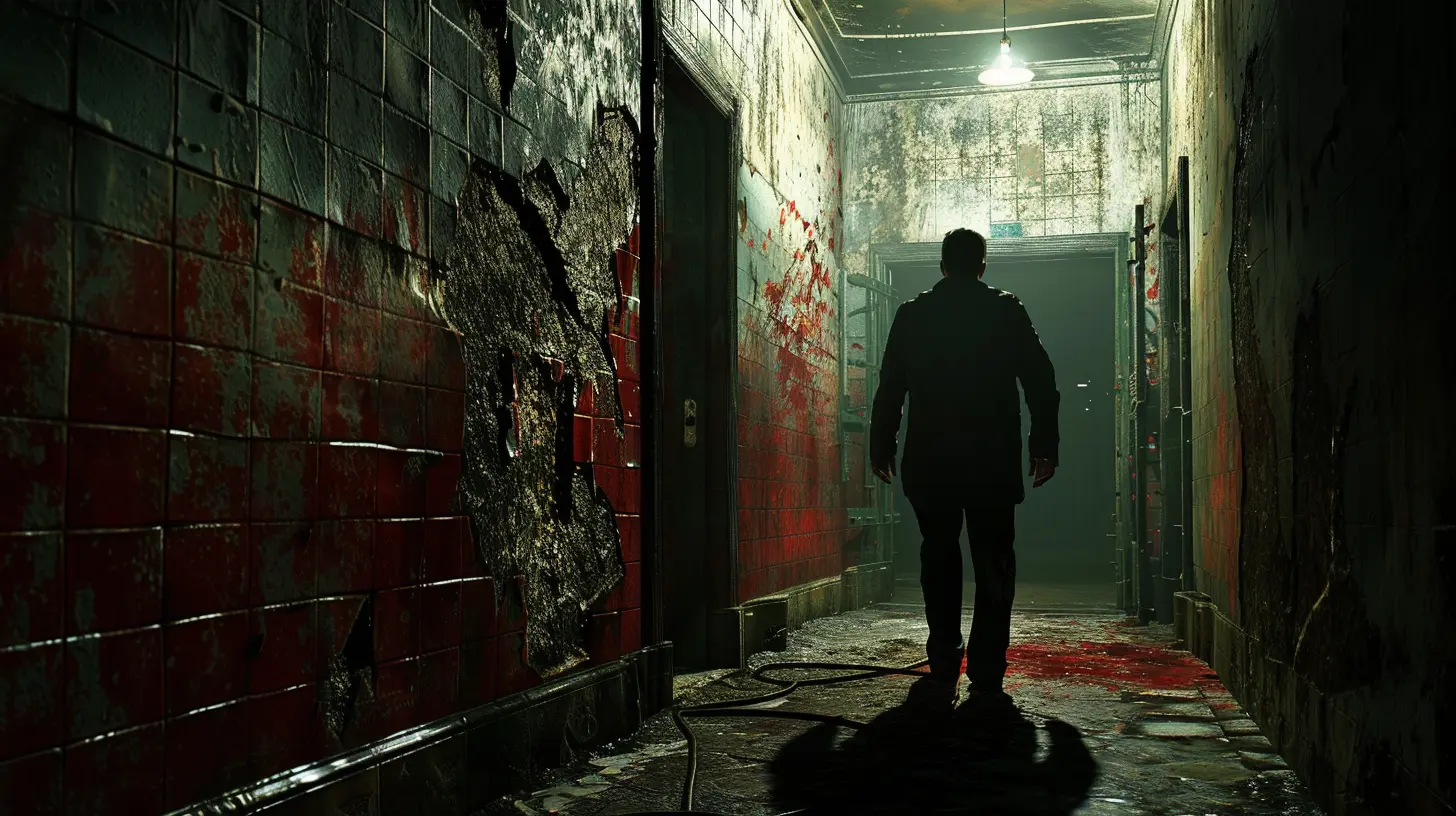
Non-Lethal vs. Lethal: More Than Just a Playstyle
On the surface, choosing between non-lethal and lethal tactics might seem like a simple gameplay mechanic. Want a challenge? Go non-lethal. Want to move quickly? Take them out.But many games add layers of morality to this choice.
In Hitman, for instance, you’re a professional assassin. It’s your job to take out targets. But the game often rewards points or bonuses for using creative, non-noticeable methods. You might poison your mark’s drink rather than shoot them in broad daylight. You’re still doing the dirty deed, but now you’re being ethical about it?
It sounds crazy, but stealth games mess with your sense of righteousness like that. They’re masters at blurring the lines.
The Illusion of Control (And How It Shapes Morality)
Sometimes, stealth games hand you a decision that feels like a moral choice… but it’s actually a narrative device. And that’s not a bad thing.Let’s take The Last of Us Part II. While not traditionally a stealth-only game, a lot of its mechanics and storyline rely heavily on stealth and choice. During some sequences, you’re forced to make a decision that might leave you feeling uneasy. You didn’t want to hurt that character, but the game needed you to.
What makes this powerful is how it makes you feel like you were in control. Even though you weren’t, the emotional impact is real. That illusion can be just as impactful as true agency.
Games That Handle Moral Choices Brilliantly
Let’s shine a spotlight on a few standout titles that absolutely crush it when it comes to moral complexity in stealth gameplay.🔥 Dishonored Series
From the get-go, Dishonored makes it clear: your actions have consequences. It’s a game where choosing non-lethal routes leads to better outcomes—not just in gameplay, but in the world around you. The city suffers more if you go on a killing spree. NPCs react differently. You shape the story with your morality.It’s like the butterfly effect… with swords and rats.
🔥 Metal Gear Solid Series
Hideo Kojima’s masterpiece isn’t just about sneaking through enemy lines—it’s a philosophical rabbit hole. Metal Gear Solid often tackles big themes like the cost of war, loyalty, and vengeance. The beauty? How these massive ideas are woven into your gameplay choices.Can you still call yourself the good guy after taking out dozens of guards just to complete one mission? That’s a question the game asks subtly… but relentlessly.
🔥 Deus Ex Franchise
Deus Ex is all about choices—dialogue trees, hacking or sneaking, lethal or peaceful routes. But it goes deeper. The game constantly pokes at your beliefs. Is it okay to kill in the name of freedom? Should you trust authority or rebel against it?Every mission feels like a test of your values.
🔥 Assassin’s Creed Games
Especially in the earlier titles, the Assassin’s Creed series blends history with stealth and moral complexity. You’re part of a secretive brotherhood fighting for peace… by assassinating people. Yep, that irony isn’t lost on players.The more you dig into the story, the more you question whether you’re truly the hero or just another pawn.
When Games Let You Reflect
It’s not just about what you do—it’s about how the game lets you sit with your decisions.Some stealth games go out of their way to make the aftermath of your actions impactful. Maybe an NPC mentions how you spared their friend. Or maybe the world changes in ways that make your choices obvious. These moments make everything feel meaningful.
When a game allows room for reflection, the experience goes from entertaining to transformative.
The Power of Subtle Storytelling
Let’s not forget one of the stealth genre’s secret weapons: subtlety.Unlike loud, boom-bang shooters, stealth games often take their time. They whisper where others shout. And this quietness is the perfect stage for nuanced moral storytelling.
You're not just running around with a gun—you're reading guard routines, listening in on conversations, piecing together backstories from notes and clues. That makes every takedown feel more personal, every choice more calculated.
It’s like being inside a living, breathing novel where you write the next chapter based on your ethics.
Why This Matters
So, why does all this matter? Games are entertainment, sure. But they’re also one of the most interactive storytelling mediums we’ve ever had.Stealth games, in particular, slow things down. They make you think. They make you question yourself. And honestly? That’s something special.
We live in a world where moral choices are rarely black and white. Stealth games reflect that back at us in clever, creative, and sometimes uncomfortable ways. And that reflection is a mirror we often don’t realize we’re looking into.
Last Thoughts: The Quiet Revolution
Stealth games might not shout the loudest in the gaming industry, but they speak volumes when it comes to storytelling and ethical depth. Whether you're a pacifist ghosting through levels undetected or grappling with the consequences of your silent strikes, these games offer more than just entertainment. They offer introspection.Next time you boot up a stealth game, think about what choices you’re making—and what they say about you. It's not just your character's story. In many ways, it's yours too.
all images in this post were generated using AI tools
Category:
Stealth GamesAuthor:

Madeleine McCaffrey
Discussion
rate this article
2 comments
Zacharias Sanchez
Stealth games: where choices whisper loudly!
February 7, 2026 at 5:43 AM
Madeleine McCaffrey
Exactly! Stealth games excel at highlighting moral dilemmas, allowing players to navigate complex choices with subtlety.
Paul Vance
This article offers an insightful perspective on how stealth games intertwine moral choices with gameplay. The examples you provided highlight the complexity of decision-making in high-stakes situations. I appreciate the exploration of player agency in these narratives—it's fascinating to see how choices can shape the overall experience. Thank you for sharing!
February 6, 2026 at 5:55 PM
Madeleine McCaffrey
Thank you for your thoughtful comment! I'm glad you found the exploration of moral choices in stealth games engaging. Player agency truly adds depth to the experience.