How Survival Games Challenge Teen Players
5 August 2026
Survival games—those epic digital adventures where you're dropped into the wild with little more than your wits—are more than just a test of reflexes. For teens, these games are thrilling, sure, but they’re also jam-packed with challenges that go way beyond just staying alive. From managing mental focus to unleashing creativity, survival games are like stealthy life lessons dressed up in pixelated danger.
So, if you’ve ever found yourself crafting a shelter out of sticks and vines while dodging zombies or rationing food during a virtual snowstorm, you’ve already been through the wringer. But hey, what exactly makes survival games such a unique challenge for teen players?
Let’s dive deep into the underbrush and find out.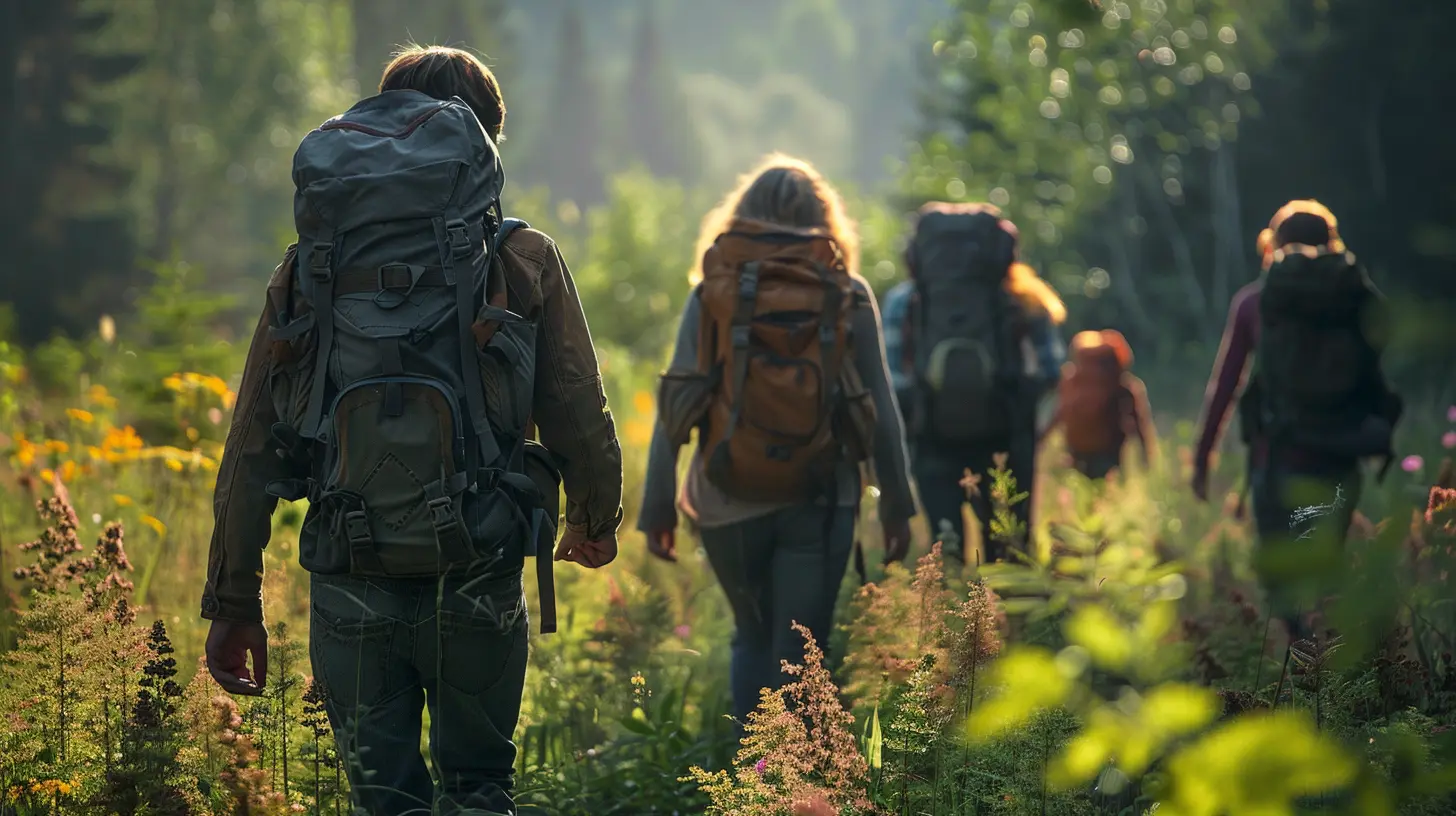
What Exactly Are Survival Games?
Before we get too far into the wild, let's quickly break it down. Survival games are a genre where, surprise—you’ve gotta survive. These games usually plop you into a hostile world, often with limited resources, unpredictable environments, and sometimes, creepy creatures that aren’t too friendly.You might know a few of the big names:
- Minecraft (yep, it counts!)
- ARK: Survival Evolved
- The Forest
- Rust
- Don't Starve
- Subnautica
Each has its own flavor of survival, from underwater exploration to post-apocalyptic nightmares. But the core challenge is the same: stay alive, adapt, and thrive.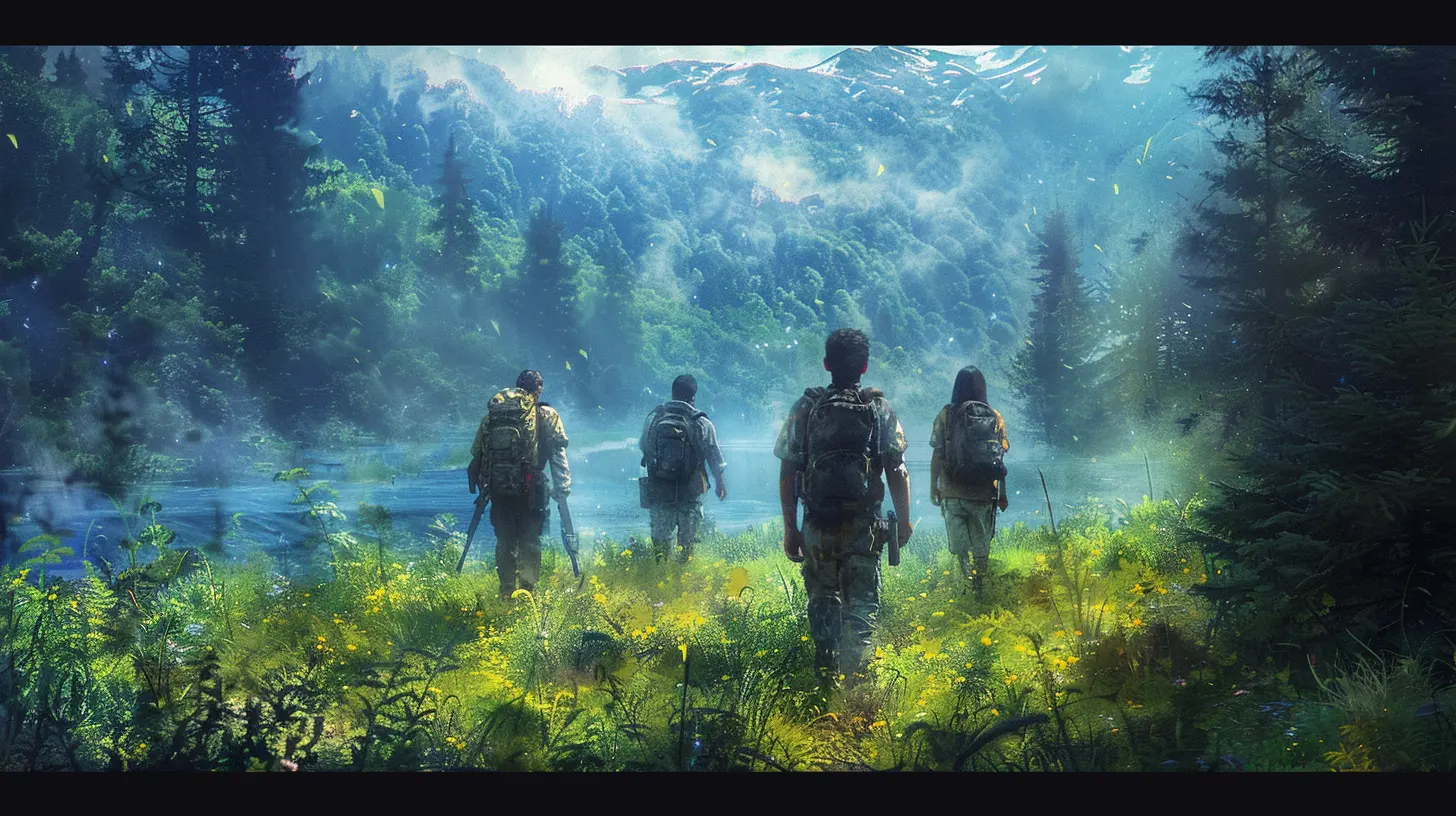
Mental Gymnastics: Survival Games Train the Brain
Think survival games are all about button-mashing and fast reflexes? Think again.These games seriously make you think. Whether it’s crafting, resource management, strategy, or quick decision-making, your brain stays in overdrive.
Strategic Thinking on the Fly
Most survival games don’t offer a how-to guide. Teens are dropped into a strange world with minimal instructions and have to figure things out fast. What do you build first: a fire or a weapon? Where’s the safest place to sleep? Who (or what) is trying to kill you now?This constant problem-solving is like a mental obstacle course—and spoiler alert: it’s exactly the kind of thinking that boosts real-world brainpower.
Adaptability Is Key
The only constant in survival games? Change.The in-game world shifts rapidly: storms roll in, supplies run out, nighttime gets… spooky. Teen players have to constantly adapt, pivot their strategy, and stay cool under pressure. It's basically stress management in a digital jungle.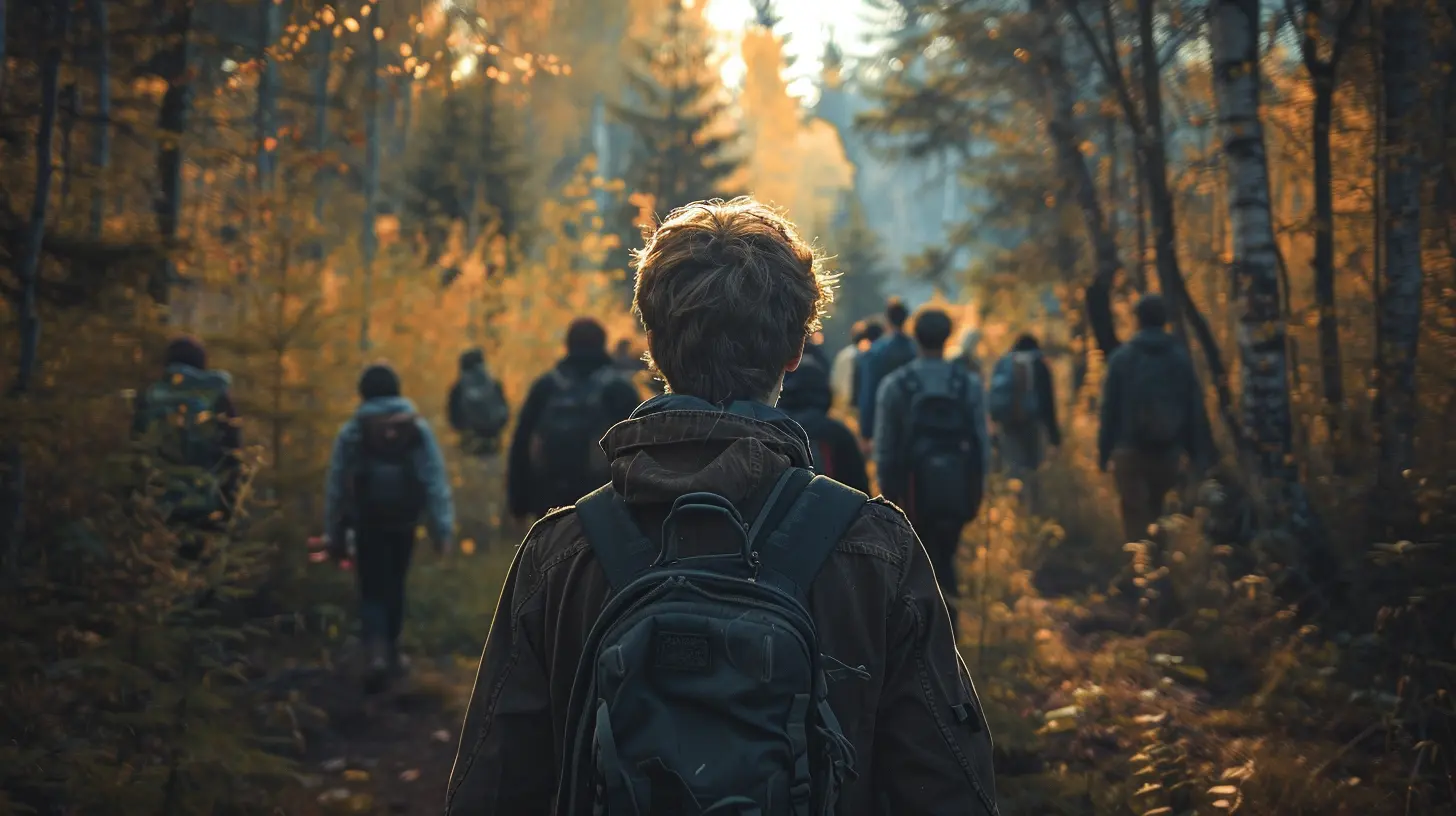
Teamwork Makes the Dream Work (And Keeps You Alive!)
While some survival games are solo adventures, the real fun—and challenge—kicks in when you're playing with others.Communication Skills Level Up
Picture this: you and a group of friends are trying to survive the night as cannibals lurk in the forest. You have to talk, divide tasks, and make decisions together. Otherwise? Well… you get eaten.Multiplayer survival games naturally teach communication, delegation, and trust. Teens not only learn to speak up and listen, but also to respect each other's playstyles. That’s low-key social skill development right there.
Leadership and Cooperation
Ever had to lead your group through zombie-infested territory because everyone else kept running in circles? Survival games can push teens into leadership roles they might not step into otherwise. They also teach the value of cooperation over competition—staying alive is often a team effort.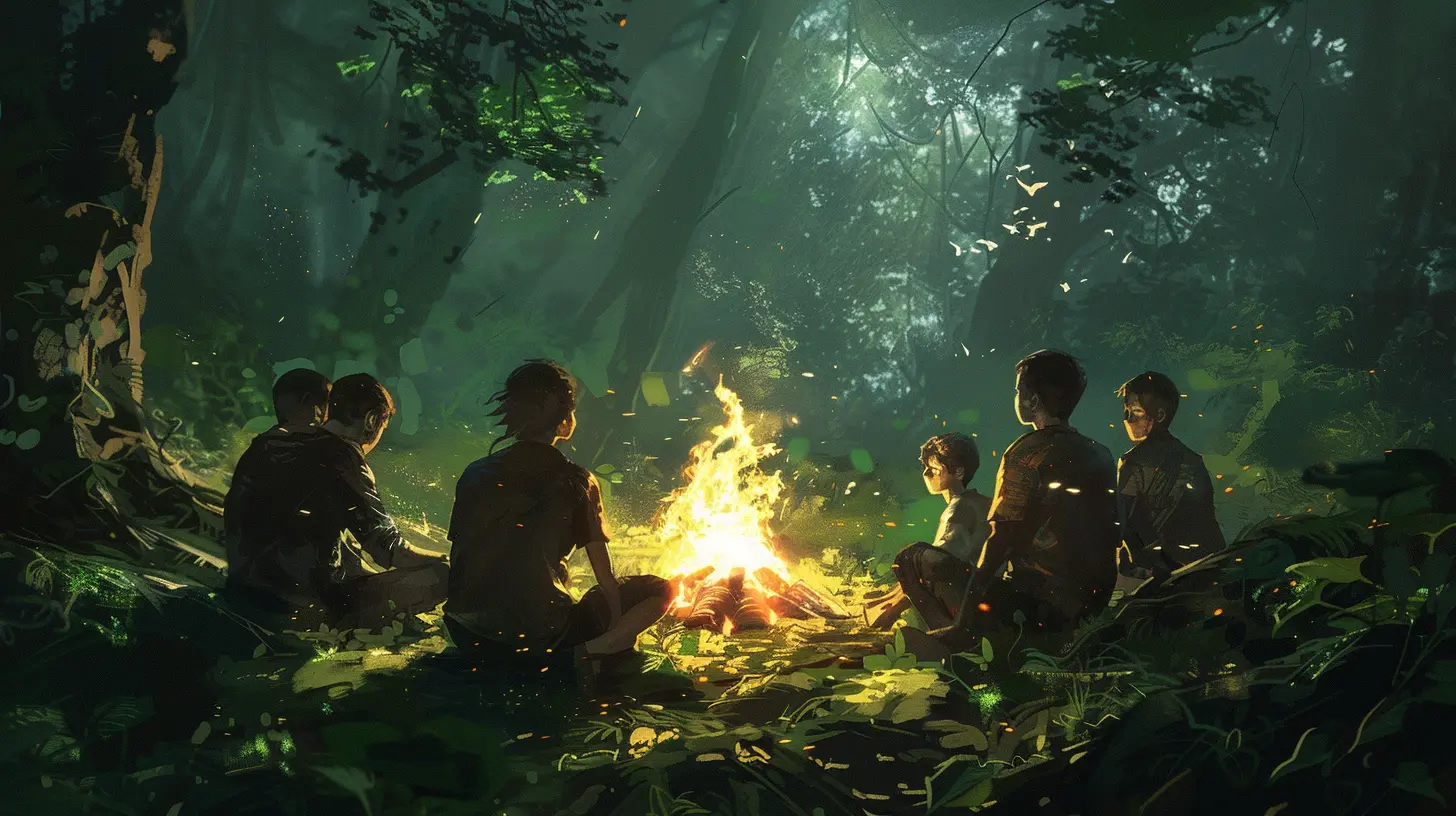
Emotional Rollercoaster? Yeah, That’s Part of It
Survival games aren’t just mentally and socially challenging—they hit the emotions too.Stress? Oh, It’s Real
When your food bar's empty, night’s falling, and your shelter’s halfway built… you feel it. Survival games put teens under pressure in safe, controlled environments. That helps build emotional resilience. Not to mention the rush of finally crafting that water filter or escaping a deadly ambush—pure dopamine!Dealing with Failure
In survival games, failure isn’t just likely—it’s expected. Teens might lose everything they’ve built in one wrong move, and that teaches a powerful lesson: fail fast, learn, and try again. That mindset? It’s solid gold IRL.Creativity Goes Wild
Let’s not forget, survival games unlock some serious creative potential.Building Worlds, One Block at a Time
Whether you're stacking blocks in Minecraft or rigging traps in The Forest, creative problem-solving is the name of the game. You’re not just surviving—you’re designing, improvising, and experimenting. Teens engage with their environment in a deeply interactive way. It’s kind of like being an artist, engineer, and architect all rolled into one.Storytelling Through Gameplay
Even though many survival games don’t have structured narratives, teens often build their own stories through gameplay. Remember that time your whole crew got lost in a storm and built a hilltop base? Boom—a tale of survival, friendship, and maybe a little chaos. These storytelling moments stick, and they spark imagination in a huge way.Real-Life Skills in Disguise
Here’s the best part: all these in-game challenges translate into pretty sweet real-life skills.Time Management
Do you gather wood or hunt for food? There’s only so much daylight. Survival games teach teens to prioritize and manage their time effectively—no timers or nagging parents required.Resource Management
Limited tools, dwindling food, one matchstick left. Teens learn fast that every decision in a survival game has consequences. This builds resourcefulness and awareness of risk vs. reward—skills that come in handy way beyond the screen.Basic Survival Knowledge
Believe it or not, some teens walk away from these games knowing how to purify water, avoid hypothermia, or build a basic shelter. While they (hopefully) won’t be stranded in the wild anytime soon, it’s still kinda cool to have an idea of what to do.Survival Games: Not Just for Entertainment
Look, survival games are fun—there’s no denying that. But they’re also a sneaky gateway to personal growth, skill development, and brain-boosting goodness.For teens, who are still exploring who they are and how they fit into the world, these games offer a safe playground to push limits, explore leadership, fail fantastically, and succeed spectacularly.
And let’s be real: there’s something special about yelling “I survived!” after a brutal night of pixelated danger, right?
Final Thoughts: Teens + Survival Games = Perfect Match
Survival games challenge teen players on every level—mentally, emotionally, socially, and creatively. They’re not just button-bashing marathons; they’re immersive worlds that demand thinking, planning, and adapting on the fly.So, next time someone says you’re wasting time playing “just a game,” smile and tell them you’re building teamwork, mastering resource management, and growing resilience. Because between dodging mutant wolves and collecting rainwater in a coconut shell, you’re actually leveling up at life.
Sounds like a win-win, don’t you think?
all images in this post were generated using AI tools
Category:
Games For TeensAuthor:

Madeleine McCaffrey
Discussion
rate this article
2 comments
Jett McKee
Survival games push teens to think critically, adapt quickly, and collaborate with others effectively.
September 17, 2026 at 5:13 AM
Korian Jones
Great insights on how survival games push teens to think critically and adapt. It's exciting to see such growth through gaming experiences. Keep it up!
August 9, 2026 at 3:43 PM
Madeleine McCaffrey
Thanks for your feedback! I'm glad you found the insights valuable. Gaming really does offer unique growth opportunities for teens.