Revisiting Classic Titles That Set the Benchmark
25 July 2026
Gaming has evolved tremendously over the past few decades—from pixelated 8-bit adventures to full-blown cinematic experiences that blur the line between reality and fiction. But let’s take a step back for a moment. Think about those unforgettable moments—the first time you stomped on a Goomba, survived a zombie outbreak, or hit that perfect combo that made you feel invincible. These moments were made possible by trailblazing games that didn’t just entertain us; they defined what games could be.
In this article, we’re diving deep into the past to revisit classic titles that didn’t just fill our childhood with joy—they set the bar for what great gaming looks like. Buckle up, because we’re going to connect some serious dots between the past and the present.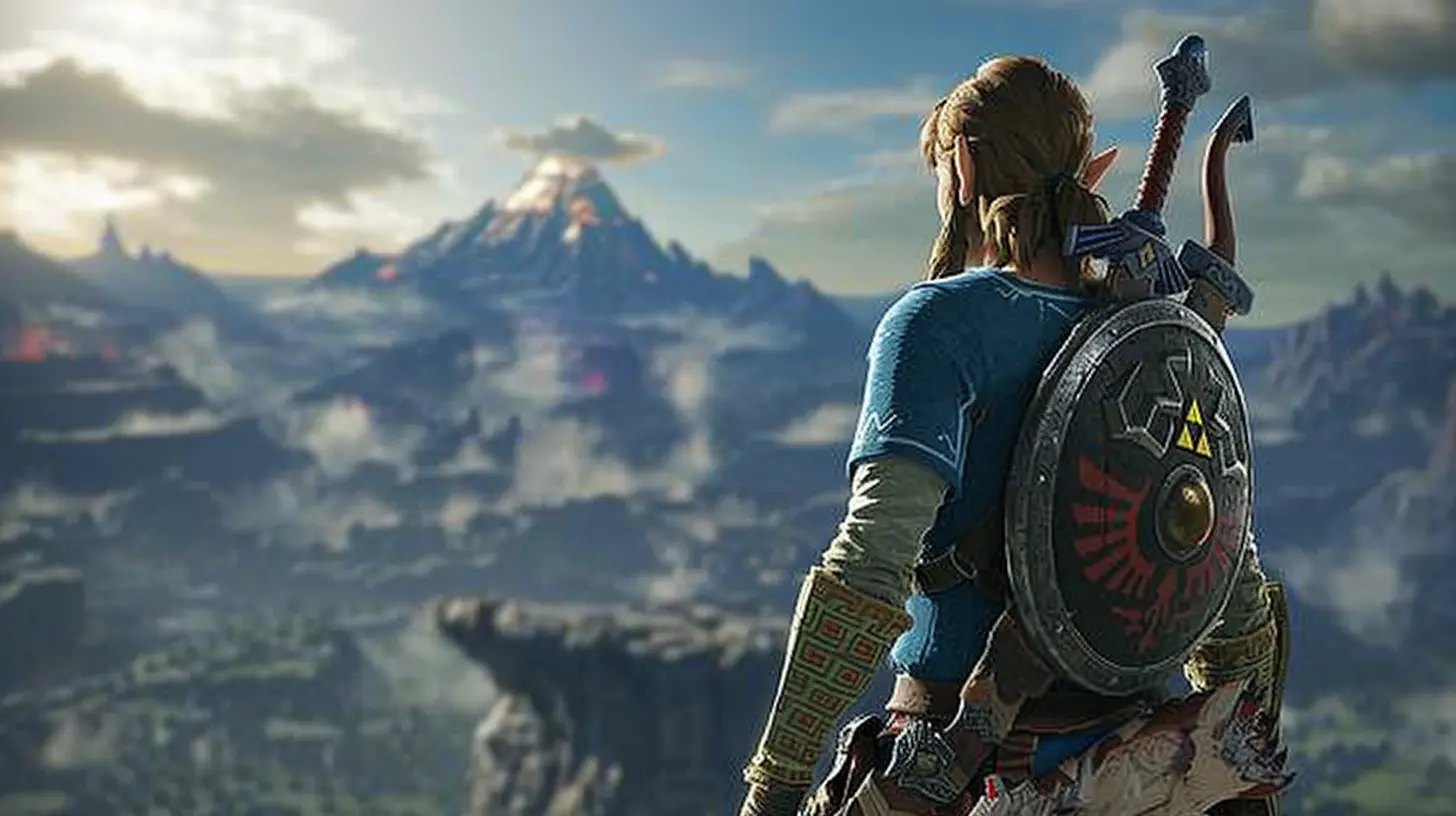
The Timeless Appeal of Classics
Let’s be real for a second—why are we still talking about games that are 20, 30, or even 40 years old? These games had simple mechanics and graphics that now look like cave paintings. So, what gives?They had soul. They had heart. And most importantly, they had gameplay loops so tight they could rival modern blockbusters. The magic lies in their simplicity and innovation. Yes, they were technically limited, but they made the most out of it. These titles didn’t just push boundaries—they built them.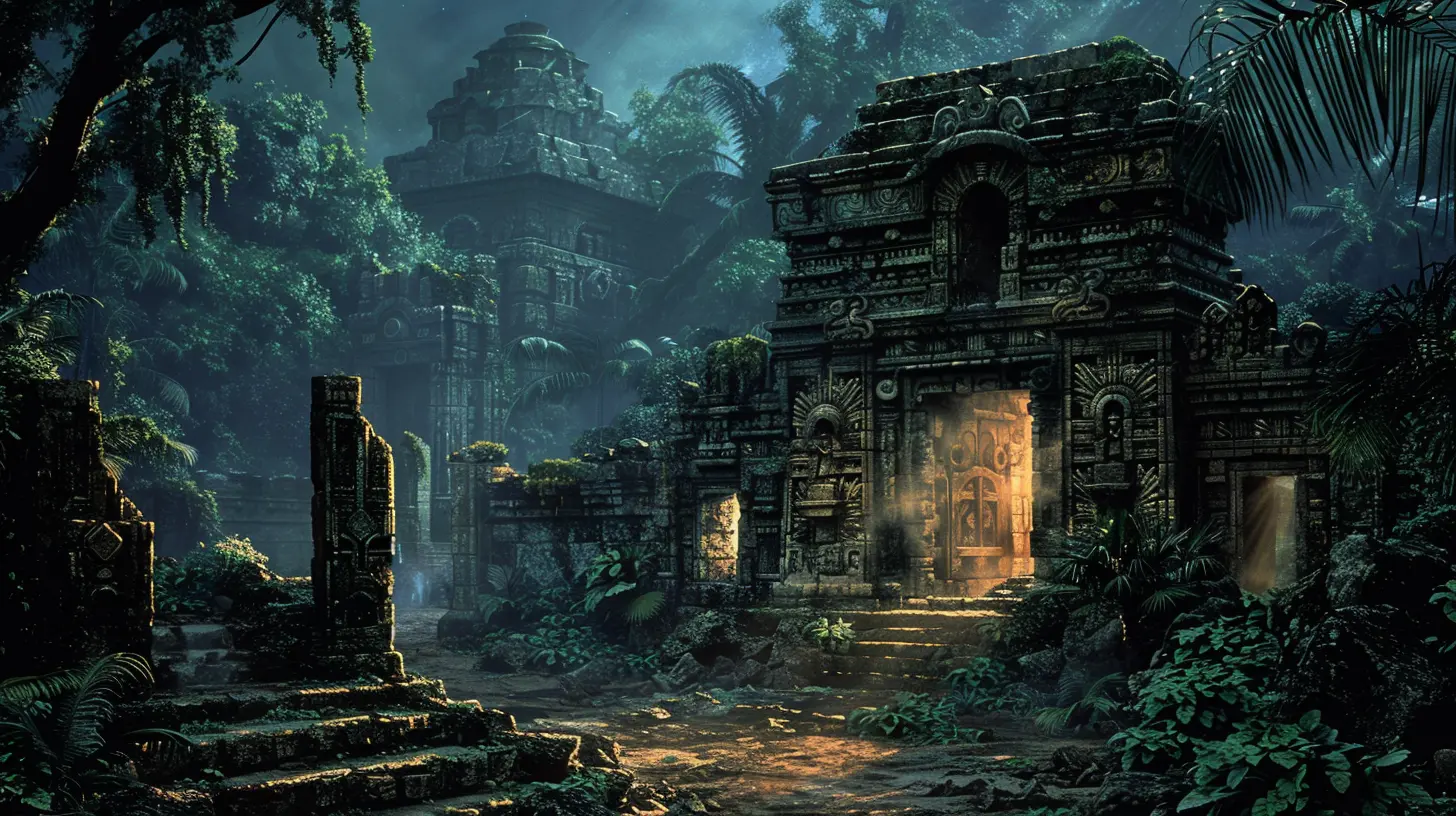
Super Mario Bros. (1985) – The Platforming Godfather
Back in 1985, Nintendo dropped what would become a cultural phenomenon. Super Mario Bros. wasn’t the first platformer, but it perfected the formula. The game introduced players to a side-scrolling world where timing, reflexes, and exploration mattered.You had:
- Tight, responsive controls.
- Progressive level design.
- Easter eggs that rewarded curiosity.
It’s not just nostalgia talking either. The design principles of Super Mario Bros. are studied even today by aspiring developers. You could say it’s the blueprint for how playability can outshine pixel count.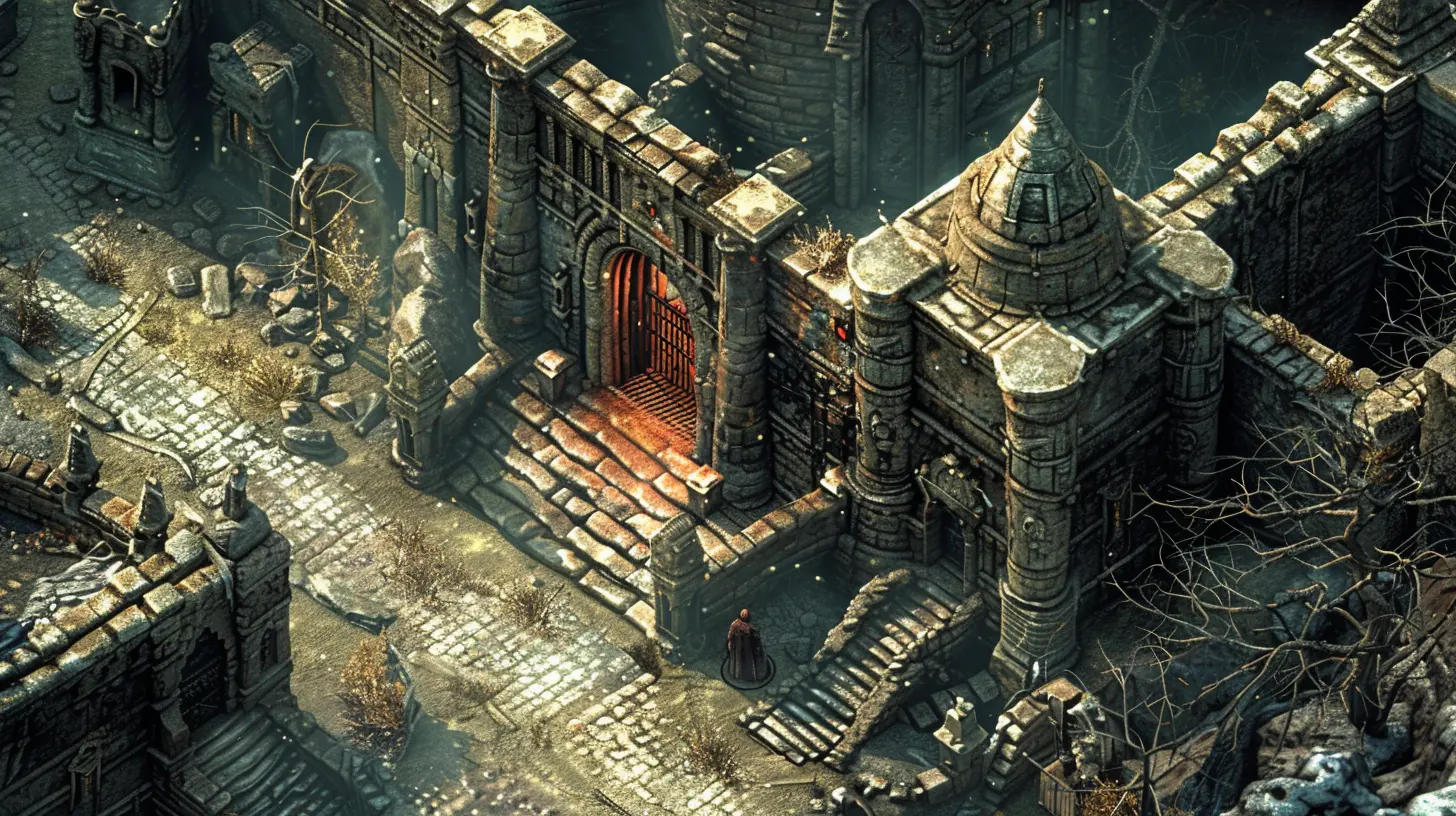
The Legend of Zelda (1986) – An Open World Before It Was Cool
Before open-world became a buzzword, The Legend of Zelda handed us a sword and said, “Go figure it out.” That sense of discovery and freedom? Iconic.While games today often lead players through extensive tutorials and hand-holding, Zelda offered mystery. It sparked curiosity, encouraged exploration, and created a sense of being part of something much larger than yourself.
We’re talking about:
- Non-linear gameplay.
- A deep inventory and upgrade system.
- A world begging to be explored.
Modern open-world titans like Breath of the Wild and Elden Ring owe a lot to this humble 8-bit origin.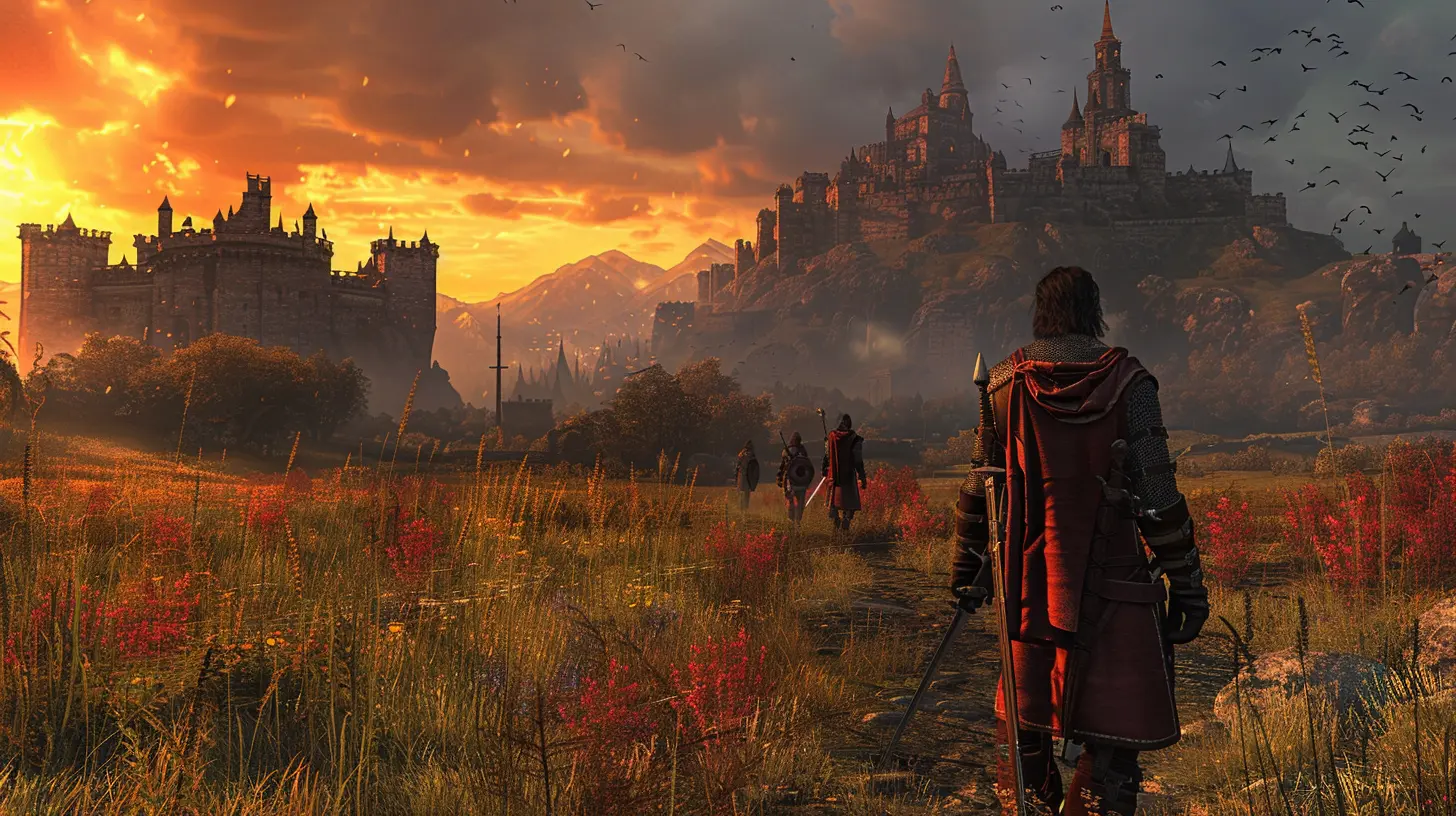
DOOM (1993) – The Birth of First-Person Shooters As We Know Them
The 90s gave us grunge, dial-up internet, and DOOM, a game that practically invented the FPS genre. Fast-paced, brutal, and unapologetically metal, DOOM redefined what it meant to feel power in a game.What made it benchmark-setting?
- Fast and fluid gunplay.
- Instant gratification through combat.
- Modding support that built a community.
DOOM’s engine may have been primitive by today’s standards, but it created a template for every FPS that followed—from Half-Life to Call of Duty. Without DOOM, where would multiplayer frag-fests be today?
Final Fantasy VII (1997) – When Games Got Emotional
Here’s where narrative took center stage. Final Fantasy VII was more than just turn-based battles and epic summons. It had heart-wrenching twists (yes, we’re still not over Aerith), complex characters, and cinematic storytelling.This game proved that video games could be just as emotionally compelling as movies or novels.
Key innovations included:
- 3D graphics blended with pre-rendered backgrounds.
- A narrative that tackled mature themes like identity and loss.
- An orchestral soundtrack that added dramatic weight.
The impact? RPGs were no longer niche. They burst into the mainstream, and emotional storytelling in games became the gold standard.
Metal Gear Solid (1998) – Stealth, Strategy, and Storytelling
When Metal Gear Solid came along, it was like someone kicked down the door of conventional game design and said, “Let’s get cinematic.” Hideo Kojima delivered a mix of stealth mechanics, gripping narrative, and insane plot twists that no one saw coming.The game’s highlights?
- The use of stealth over brute force.
- Breaking the fourth wall (remember the Psycho Mantis boss?).
- Complex characters and political themes.
Though stealth existed before, MGS made it polished, addictive, and, most importantly, integrated into storytelling. It showed future devs that gameplay mechanics and story can—and should—work hand in hand.
Half-Life (1998) – Pure Environmental Storytelling
Valve’s Half-Life wasn’t just another shooter. It felt different. It threw you into the chaos with no cutscenes, no breaks—just gameplay that told the story as it unfolded around you.Why it’s iconic:
- Seamless narrative integration.
- Immersive first-person experience.
- Intelligent enemy AI and puzzle-solving mechanics.
Today’s narrative shooters, like BioShock or Portal, owe their storytelling finesse to what Half-Life pioneered. It was storytelling through experience, not exposition.
Grand Theft Auto III (2001) – A Sandbox Revolution
GTA III gave us Liberty City and said, “You do you.” No rules. Just choices. This game revolutionized the concept of open-world gaming and player freedom.The secret sauce?
- A fully navigable 3D city.
- Side missions, chaos, and a dynamic police system.
- Voice acting and radio stations that enriched the world.
It wasn’t just a game; it was a cultural statement. It blurred the lines between structured gameplay and player-driven anarchy. And it paved the way for Skyrim, Red Dead Redemption, and even Cyberpunk 2077.
Minecraft (2011) – The Creative Benchmark
Flash forward a bit, and you get Minecraft—a game that lets your imagination run wild. With its blocky aesthetic and no set objectives, it became a blank canvas for creativity.Why it redefined everything:
- Procedural generation.
- Total freedom to build, explore, and survive.
- A global community that created, modded, and shared.
It’s not even about graphics. Minecraft thrives because it taps into that pure, child-like wonder of building something out of nothing. It’s digital LEGO with infinite possibilities.
Why Revisiting These Classics Matters
You know that saying, “You can’t know where you’re going if you don’t know where you’ve been”? That applies to gaming too.Revisiting these classics is more than just a nostalgic trip. It’s about:
- Understanding the foundation on which modern games are built.
- Appreciating the limitations and how developers overcame them.
- Gaining insight into how innovation often comes from restriction.
Plus, many of these classics still hold up. Not because they’re pretty, but because they’re well-designed. Gameplay. Soul. That’s what keeps them alive.
What Modern Developers Can Learn
Game developers today have access to tools that were unimaginable decades ago. But more power doesn’t always mean better games.From these classics, modern devs can learn:
- The value of tight game loops.
- How to make mechanics meaningful.
- The importance of player agency and discovery.
Basically, don’t reinvent the wheel if the wheel’s already close to perfect.
How You Can Revisit Them Today
Wanna take a trip down memory lane? You don’t need a time machine—just a bit of curiosity and maybe a solid internet connection. Many of these classics are available on:- Emulators and retro consoles.
- Remastered collections (like the Final Fantasy VII Remake).
- Digital stores like Steam, GOG, or Nintendo Switch Online.
Pro tip: Grab a controller, dim the lights, and let yourself get lost again. Whether it’s Link’s first adventure or a DOOM-fueled rampage, the magic is still there—waiting for you.
Final Thoughts – More Than Just Pixels and Code
Sure, the graphics were rough. The soundtracks were midi files. But these games? They were lightning in a bottle. They sparked imaginations, set new standards, and proved that games could be art, emotion, and above all—fun.In an era of live service games, season passes, and microtransactions, there’s something pure and refreshing about going back to where it all began. It reminds us why we fell in love with gaming in the first place.
So the next time someone says, “Old games are outdated,” let them know: some things get better with age—like wine, vinyl… and video games.
all images in this post were generated using AI tools
Category:
Game Reviews ArchiveAuthor:

Madeleine McCaffrey
Discussion
rate this article
2 comments
Porter McCracken
Classic titles truly shaped modern gaming standards.
September 13, 2026 at 3:18 PM
Madeleine McCaffrey
Absolutely, those classic titles laid the groundwork for so much we enjoy today. It's fascinating to see their influence even now.
Falkor Shaffer
Nostalgia hits hard; classics truly shaped the gaming landscape.
July 29, 2026 at 4:00 AM
Madeleine McCaffrey
Absolutely! Those classics laid the groundwork for so much we enjoy today.