Should Battle Passes Replace Microtransactions?
20 March 2026
Let’s be real for a second—microtransactions have become the gaming world’s necessary evil. Whether you love them or hate them, they're here, they’re everywhere, and they’re not going away anytime soon. But then came battle passes, sweeping into the scene like a caped hero promising a better, fairer way to monetize games. So now the big question floating around is: Should battle passes replace microtransactions?
In this deep dive, we’re going to break down both sides of the coin, dig into the nitty-gritty of how each model affects gameplay and player psychology, and see if battle passes are really the golden ticket—or just another cleverly disguised money-making machine.
What Are Microtransactions?
Before we get too ahead of ourselves, let’s make sure we’re on the same page.Microtransactions are small purchases players can make in-game. They usually range from a couple of cents to a few bucks and can include anything from cosmetic skins and weapons to XP boosts and even loot boxes. Sounds harmless, right? Well, they can be, but it really depends on how they’re implemented.
Games like Candy Crush, FIFA, or even Call of Duty have used microtransactions to incredible (and sometimes controversial) effect. In fact, it’s almost rare to see a free-to-play game that doesn’t rely heavily on these small buys to rake in profit.
Enter Battle Passes: The New Kid on the Block
Now picture this: instead of random loot drops or paying $5 for an outfit, you buy a season pass (aka battle pass) that lasts a few weeks or months. It lays out EVERYTHING you’ll get as you level it up—usually through regular gameplay. Cosmetics, XP boosts, emotes, and more are all laid out on a tiered reward system.Games like Fortnite, Apex Legends, and Call of Duty: Warzone have popularized this model. You pay once (usually around $10), and the more you play, the more rewards you earn. Simple, right?
So here comes the million-dollar question: Is this really better than microtransactions, or is it just another cash-grab in a cooler outfit?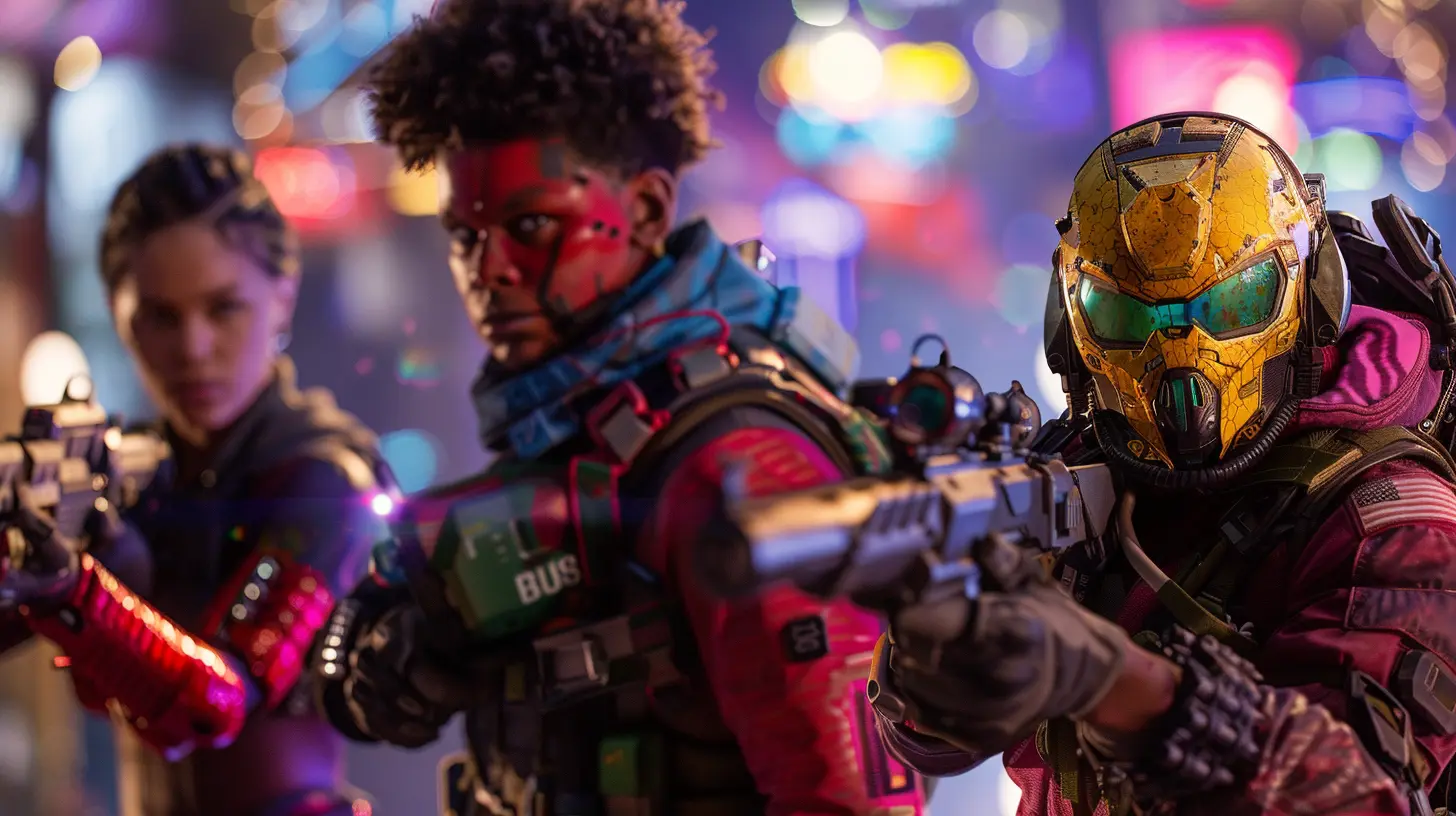
Why Players Love Battle Passes
1. Transparent Rewards
You know exactly what you’re getting the moment you buy a battle pass. It’s not a gamble like loot boxes.Imagine going to a vending machine and pressing a button, but instead of a random snack, you get exactly what you saw in the display. That’s the battle pass in a nutshell. Players love that transparency.
2. It Encourages Regular Gameplay
Battle passes are like digital gym memberships. You pay for them, and now you want to "get your money’s worth." So, you keep logging in, completing challenges, and grinding through tiers. It’s a neat way to keep players engaged without aggressively pushing them to spend more money each day.3. Better Value for Money
For around $10, you can earn dozens of cosmetic rewards, currency, and sometimes even enough in-game coin to buy the next battle pass. Compare that to paying $20 for a single skin in some games... yeah, it’s a no-brainer.
The Flip Side of Battle Passes
1. FOMO is Real
Here’s the thing—battle passes often run on limited-time seasons. If you don’t finish it? You lose those rewards forever. Cue the fear of missing out, or as we lovingly call it in gaming circles: FOMO.This creates pressure. It turns gaming from a hobby into a checklist. And for some players, that’s just not fun.
2. Still Kinda Pay-to-Win (Sometimes)
Not all battle passes are purely cosmetic. In some games, like mobile shooters or RPGs, battle passes might include things like powerful weapons or stat boosts. That’s a slippery slope back into pay-to-win territory.3. They Can Be a Grind
Sure, you’re getting stuff "for free" with your $10 pass… but you have to earn it. And some games make it really hard. Like, pull-your-hair-out hard. Suddenly you're not just playing for fun anymore—you're working for digital swag. It turns leisure into labor.Microtransactions: The Ugly Truth
Let’s not sugarcoat it—microtransactions can be predatory. Especially when they’re tied to randomized loot boxes or when you're constantly nudged to spend "just a few bucks more." It’s death by a thousand transactions.It’s not uncommon for players to spend hundreds—yes, hundreds—of dollars chasing cosmetic items, especially when rarity is involved. And when kids are involved? Yeah, it gets even murkier.
But Not All Microtransactions Are Evil
Believe it or not, when done right, microtransactions can coexist peacefully with fun gameplay. Buying a cool skin that doesn’t affect performance? That’s fine. Dropping $5 on a silly emote? Go for it. The issue arises when they’re exploitative or when developers design the game around pushing those purchases.So… Should Battle Passes Replace Microtransactions?
Here’s where the rubber meets the road.From a pure value standpoint? Battle passes are generally the better deal. They offer structured rewards, cost certainty, and encourage you to actually play the game instead of just emptying your wallet.
But let's be honest—battle passes aren’t perfect. They're slow, seasonal, and bring their own kind of pressure. Still, if we had to choose one model to stick around for the long haul, you'd probably want battle passes over the casino-style mechanics of microtransactions.
The Ideal World? A Hybrid Model
We might not need to choose one or the other. In fact, some of the biggest games already blend both. Fortnite offers a solid battle pass but also sells standalone cosmetics. The key is balance and player respect.Game developers should prioritize giving players choices and keep gameplay fun—not manipulative. Players are smart. They can see through shady tactics. Transparency matters. Value matters. And most importantly, respecting the player’s time matters.
How This Impacts Game Developers
From the developer’s point of view, monetization isn't evil—it’s necessary. Servers cost money, updates take time, teams need to be paid. Battle passes offer a more predictable revenue stream and can help fund future content without alienating the player base.They also allow devs to plan content around seasons, adding a rhythm and flow that keeps games feeling fresh. Done well, it's a win-win.
Launching a New Game? Choose Wisely
If you’re a game dev or indie creator thinking about which model to use, think hard.- Want quick money? Microtransactions will bring in bucks fast.
- Want long-term players and goodwill? Battle passes can build a loyal community.
And hey, if you respect your audience and find the right mix, you might just pull off both.
Final Thoughts: It’s All About Player Respect
So, should battle passes replace microtransactions? In many cases—yeah, they probably should. They offer a clearer, fairer, and more rewarding system, especially compared to the wild west of loot boxes and micro-spending.But no monetization model is perfect. It all comes down to how it’s implemented. Players are okay with supporting games—heck, most WANT to support them. But they want to feel valued, not milked.
At the end of the day, gaming should be fun first and business second. If a battle pass helps keep the lights on without turning players into wallets with legs, then maybe—just maybe—it deserves that victory royale over microtransactions.
all images in this post were generated using AI tools
Category:
Battle PassesAuthor:

Madeleine McCaffrey
Discussion
rate this article
2 comments
Valencia McDermott
Great insights! Battle passes could enhance gaming experiences significantly!
March 22, 2026 at 4:40 PM
Madeleine McCaffrey
Thank you! I agree that battle passes can provide structured incentives and enhance player engagement compared to traditional microtransactions.
Clementine McIlroy
Great article! Battle passes could enhance player engagement while providing value, but balance with fair pricing is essential.
March 20, 2026 at 4:43 PM
Madeleine McCaffrey
Thank you for the feedback! I agree—balancing player engagement with fair pricing is crucial for a successful battle pass model.