The Art of Designing Battle Pass Challenges
23 February 2026
Battle passes have become the heartbeat of modern gaming. From Fortnite to Call of Duty, Valorant to Apex Legends—just about every major online multiplayer game today uses a battle pass system. But have you ever stopped to think about what goes into crafting those addictive quests and objectives that keep you coming back for more?
Designing battle pass challenges isn't as easy as slapping random tasks onto a list. It’s a tightrope walk—balancing player enjoyment, progression, monetization, and time investment. If you’ve ever wondered what kind of magic developers sprinkle into these systems to keep you hooked, well, buckle up. We’re diving deep into the art of designing battle pass challenges.
What is a Battle Pass, Really?
First things first—what exactly is a battle pass?At its core, a battle pass is a tiered progression system that rewards players for playing the game. As you complete objectives or accumulate experience points (XP), you climb through the levels of the pass. Each tier unlocks new rewards—skins, emotes, weapons, currency—you name it.
There’s usually a free version and a premium version, and of course, the premium pass is packed with cooler gear. Battle passes are often seasonal, giving you a limited time to grind through the tiers.
But here’s the kicker: you’re not just paying for rewards. You’re paying for a reason to keep playing the game.
Why Battle Pass Challenges Matter
Sure, cosmetics are cool, but challenges are what drive engagement. They keep gameplay fresh, give you goals, and add just the right amount of FOMO (Fear Of Missing Out) to keep you logging in regularly.Think about it. Would you be as motivated to play ten back-to-back matches if there wasn’t a juicy XP drop waiting at the end? Probably not.
Battle pass challenges are the secret sauce of player retention. Done right, they enhance the overall experience. Done wrong? Players abandon ship, feeling like they're grinding a chore list instead of playing a game.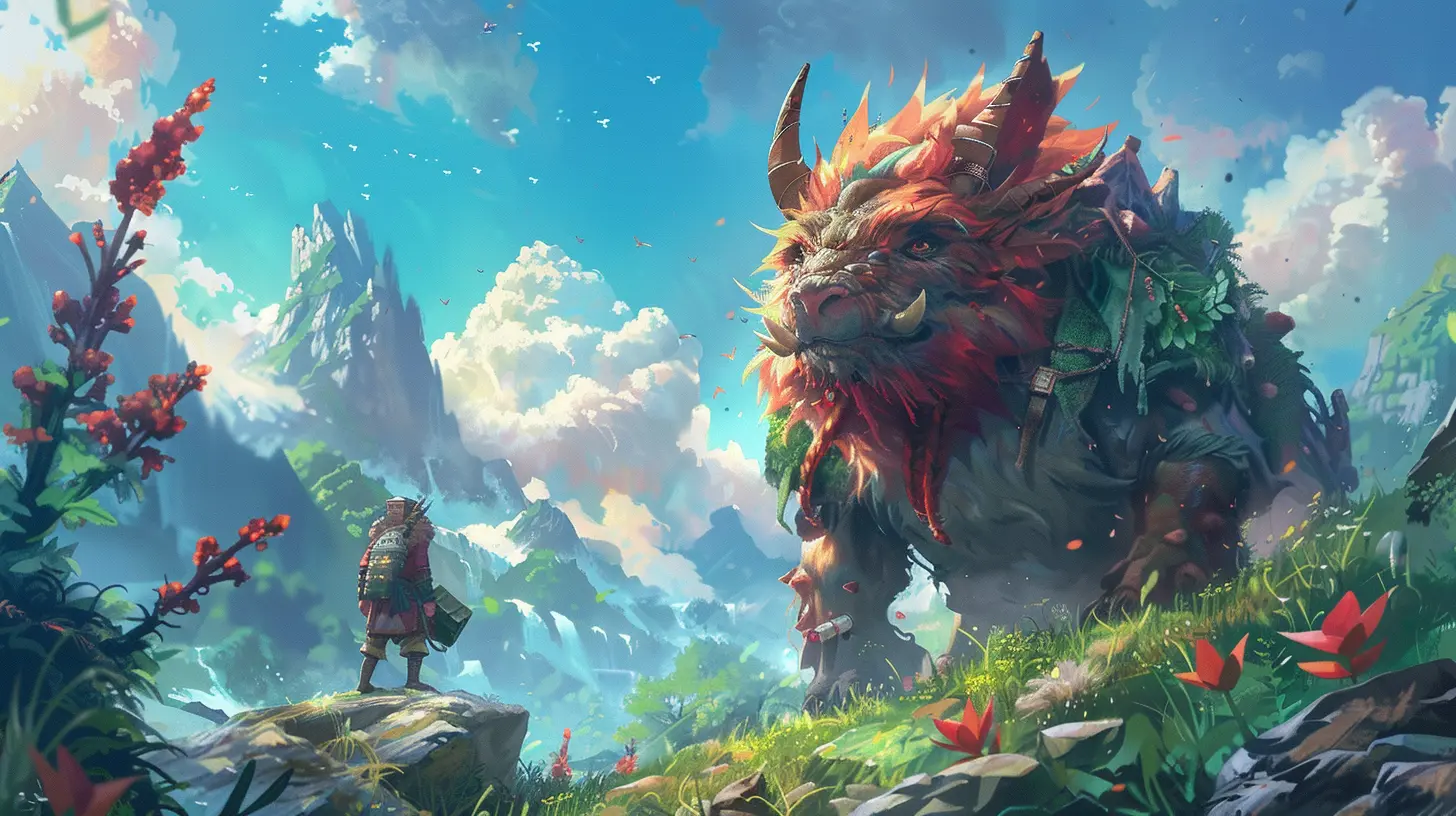
Core Principles of Battle Pass Challenge Design
So what separates a great challenge from a frustrating one? Let’s break it down.1. Balance Challenge and Fun
Battle pass designers walk a fine line. If a challenge is too easy, it becomes meaningless. Too hard, and it turns into a wall that kills motivation.The goal is to hit the “Goldilocks Zone”—challenges that are just difficult enough to be rewarding, but not so tough that they feel punishing. Think of it like leveling up in a gym workout. You want to feel the burn, not collapse in agony.
2. Encourage Varied Gameplay
No one wants to do the same thing a hundred times. That’s how you turn a passionate gamer into a burned-out button masher.Good battle pass challenges push players to try new stuff:
- Use different weapons
- Play underused characters
- Explore specific maps or modes
- Change playstyles (go aggressive one game, stealthy the next)
This not only keeps things interesting, but also helps players discover and appreciate more of what the game has to offer.
3. Make It Time-Respectful
Time is precious. Players have jobs, school, families, pet iguanas, you name it. Challenges that feel like they’re wasting a player’s time can backfire hard.Designers aim to make challenges that fit into regular gaming sessions. A few matches a day should move the needle. You shouldn’t need to quit your job just to reach tier 100.
Weekly and daily challenges are great at addressing this. They give bite-sized tasks that feel manageable and satisfying.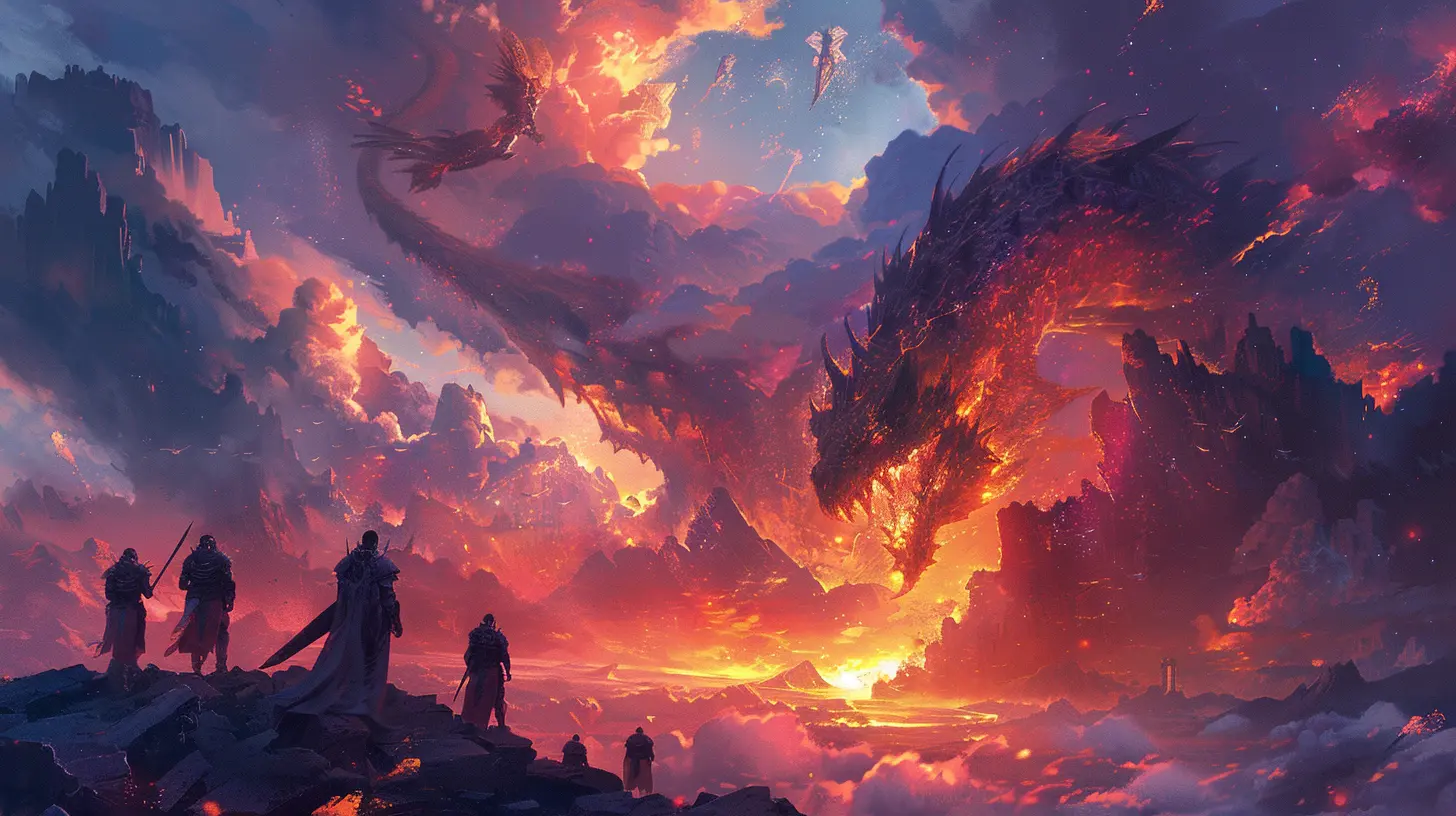
Types of Battle Pass Challenges
There’s no one-size-fits-all approach when it comes to challenges. Different games use different formats based on their mechanics and player base. Let’s look at the most common types.1. Daily Challenges
These are your quick hitters. Usually 1-3 tasks that refresh every 24 hours. Think “Get 5 kills using a shotgun” or “Win a match in under 10 minutes.”They’re perfect for casual players who just want to jump in and feel rewarded for short sessions.
2. Weekly Challenges
These are bigger and meatier. Often, they require a bit more planning and effort. “Complete 5 matches with a support character” or “Deal 10,000 damage with headshots.”Weekly challenges keep mid-core and hardcore players engaged, and reward consistent play over time.
3. Milestone or Seasonal Challenges
These span the entire season and usually involve huge goals. “Play 100 matches,” “Win 50 games,” or “Reach level 70.”These encourage long-term engagement and are typically tackled by players who are gunning for 100% completion.
Challenge Design: The Science Behind the Fun
Creating these challenges is both an art and a science. Game designers don’t just throw darts at a whiteboard. They use data, psychology, and player feedback to shape each one.Player Data & Analytics
Dev teams analyze heaps of player data. Which modes are most played? Which weapons are rarely touched? What’s the average session length?This data is gold. It helps designers create challenges that align with actual player behavior while nudging them toward underutilized aspects of the game.
Psychology of Motivation
Ever heard of the “variable ratio reward system?” It’s the same psychological trick used in slot machines. You're more likely to stay engaged when rewards feel unpredictable yet earned.Battle pass challenges often use this technique—offering surprises, dopamine hits, and that "just one more game" feeling.
Avoiding the Pitfalls
Even the best intentioned challenge system can crash and burn. Let’s look at a few traps designers should avoid.Overly Specific Objectives
“Get 3 kills while sliding with a sniper rifle on X map during a full moon?” No thanks.Challenges should be universal enough that they naturally occur during regular gameplay. If players are forced to play unnaturally (or worse, sabotage their own team just to complete a challenge), that’s a design fail.
Pay-to-Progress Traps
Some battle passes let you buy tiers. That’s fine—people have lives. But if the challenges are so grindy that paying is the only reasonable option, it feels like a scam.The best systems strike a balance: reward time investment, offer convenience for payment, and never make players feel like they’re being strong-armed.
Lack of Clarity
Clear wording matters. “Deal damage with explosives” should not count only grenade launchers and not grenades. Ambiguous challenges frustrate players and break immersion.Keeping Challenges Fresh Season After Season
Games that last more than a few seasons have to innovate constantly. Repeating the same “Win 3 matches” template every time gets stale fast.Here’s how devs spice it up:
- Theme Integration: Tie challenges into the season’s story or theme. If it’s a spy season, make stealth challenges. If it’s pirate-themed, throw in treasure hunts.
- Limited-Time Modes: Launch time-restricted challenges with quirky new game modes. Keeps things exciting and gives players a reason to log in right now.
- Community Challenges: Big collaborative goals like “As a community, get 10 million revives this weekend.” It builds camaraderie and keeps the player base engaged.
The Player’s Perspective: What Makes a Good Challenge?
From a gamer’s point of view, here’s what makes a challenge worth chasing:- It aligns with how they already play
- It encourages trying something new—but not in a forced way
- It offers a satisfying reward
- It’s clear and easy to track
- It respects their time
Simple, right?
When designers keep these in mind, battle passes become way more than just a list of chores. They’re a roadmap to fun.
Final Thoughts
Designing battle pass challenges is a subtle craft. It sits at the crossroads of game design, player psychology, and live service strategy. The best challenges not only drive engagement—they enhance the core gameplay loop.When done right, they become part of the game's DNA. A reason to log in. A reason to push yourself. A reason to stick around.
So the next time you log into your favorite game and see that shiny new list of battle pass challenges, give a little nod to the brains behind it. There’s a whole lot of thought—and heart—built into those objectives.
Happy grinding!
all images in this post were generated using AI tools
Category:
Battle PassesAuthor:

Madeleine McCaffrey
Discussion
rate this article
2 comments
Tessa McIlwain
Great insights on challenge design!
February 26, 2026 at 4:10 AM
Madeleine McCaffrey
Thank you! I'm glad you found the insights helpful!
Quill Gates
Great read! Designing battle pass challenges can be a tricky quest, but your insights make it feel like a fun adventure! Keep sprinkling that creativity and let the players feel the excitement of leveling up. Here’s to crafting epic challenges that keep everyone engaged! 🎮✨
February 24, 2026 at 4:35 PM
Madeleine McCaffrey
Thank you so much for your kind words! I'm thrilled you enjoyed the article and found the insights helpful. Here's to creating exciting challenges together! 🎮✨