The Art of Worldbuilding in Fantasy Games
10 July 2026
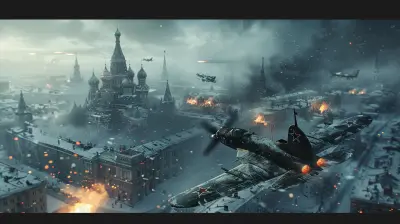
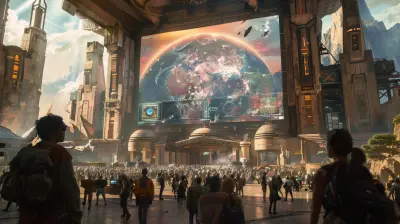
Let me ask you something—have you ever gotten so pulled into a fantasy game that you forgot what time it was? Maybe you were wandering through a forgotten elven city or navigating the back alleys of a bustling steampunk metropolis. That, my friend, is the magic of worldbuilding.
Worldbuilding isn’t just about creating pretty backgrounds or giving NPCs quirky dialogue. It’s the heart and soul of any great fantasy game. Done right, it transforms pixels and code into living, breathing worlds that players don’t just visit—they live in them.
In this deep dive, we’re going to break down the art of worldbuilding in fantasy games. From immersive lore and stunning landscapes to the tiniest of cultural details, we’ll dig into how game creators craft entire worlds from scratch and what makes players fall in love with them. Ready? Let’s go on an adventure.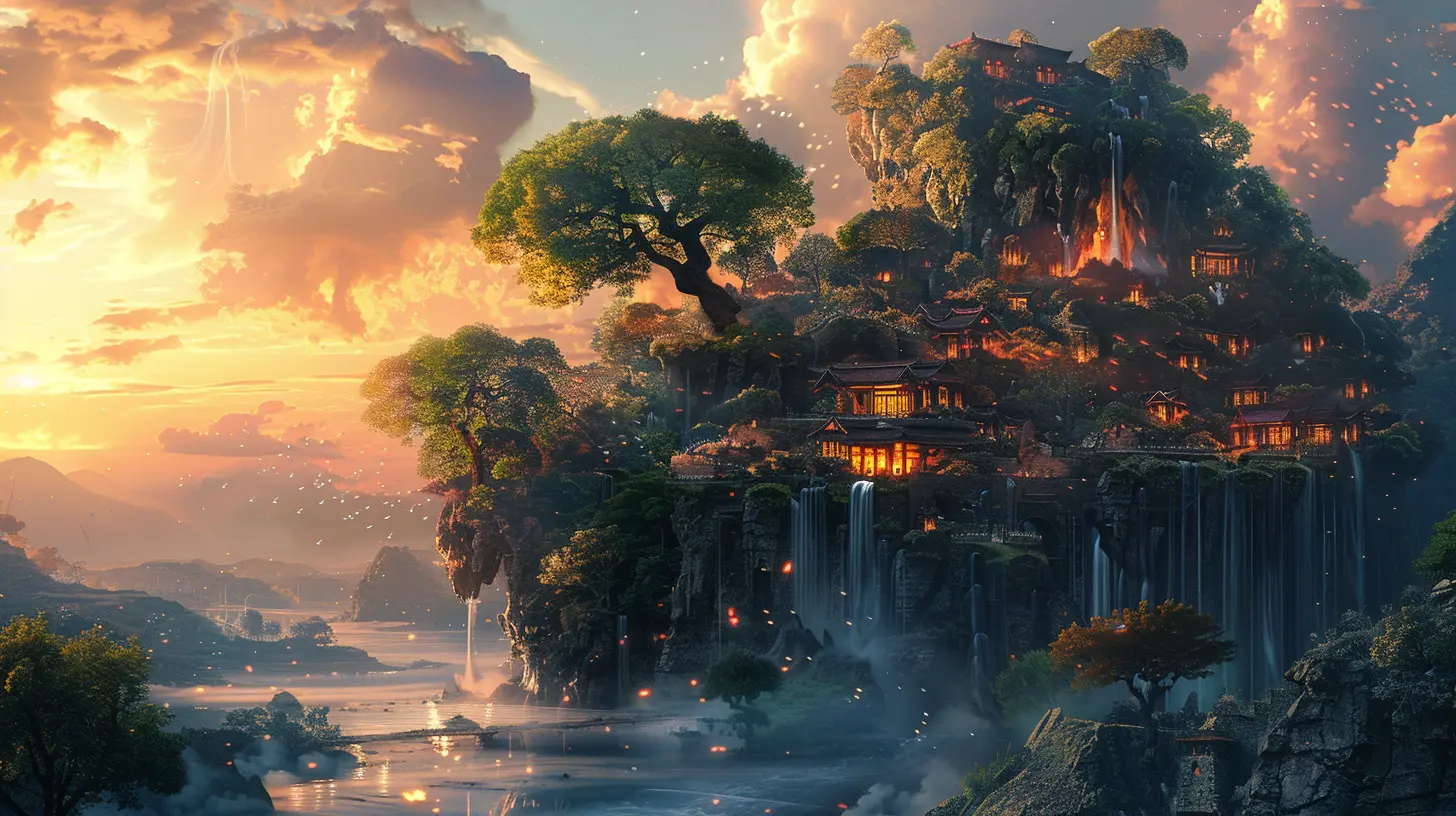
What Is Worldbuilding in Fantasy Games?
Worldbuilding is the process of constructing an imaginary universe that feels real, consistent, and captivating. In fantasy games, this usually means creating lore, geography, societies, history, magic systems—you name it. Basically, it’s everything that gives the game world depth and flavor.We’re not just talking about maps and monsters here (though those are super fun). We’re talking about ecosystems, religions, trade systems, languages, conflicts, and philosophies—all the stuff that makes a fictional world feel like it could exist just beyond our reality.
Think of it like cooking up a giant fantasy stew. You've got your ingredients (different races, cities, biomes), your seasoning (custom dialects and slang), and your secret sauce (that unique hook that makes your game world stand out).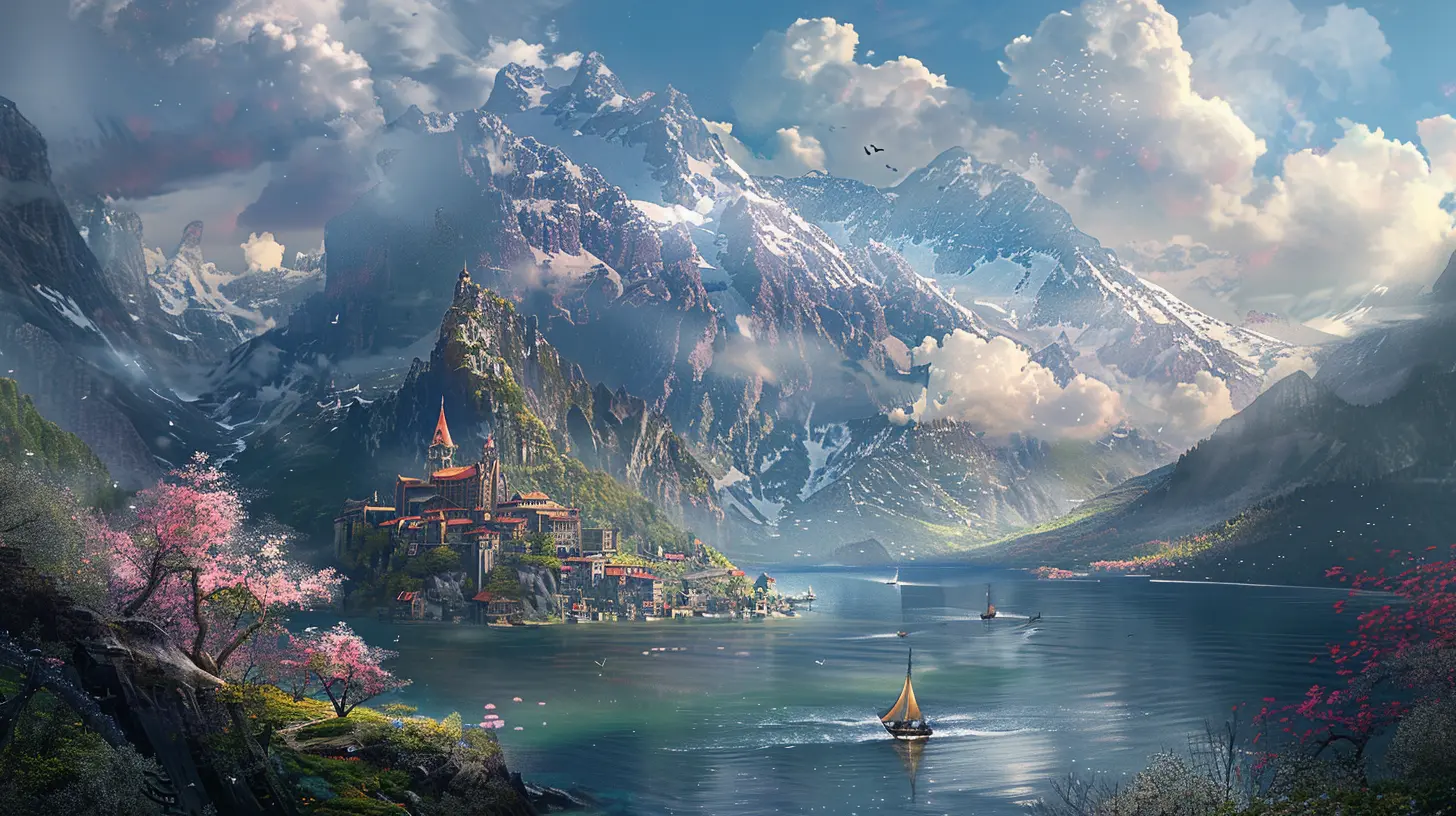
Why Great Worldbuilding Matters
Let’s be real—nobody wants to play in a cardboard cutout of a world.When worldbuilding is done right, it draws players in emotionally and mentally. They care more, explore more, and play longer. It’s what turns a game from a quick distraction into an unforgettable journey.
Here’s why compelling worldbuilding makes such a big difference:
- Immersion: A well-built world sucks you in. You start to feel like you're really there.
- Player Investment: The richer the world, the more players care about what happens in it.
- Replayability: Deep worlds beg to be explored again and again.
- Storytelling Power: A fully-realized world makes stories more impactful and believable.
When players lose themselves in the world, you've officially leveled up your game.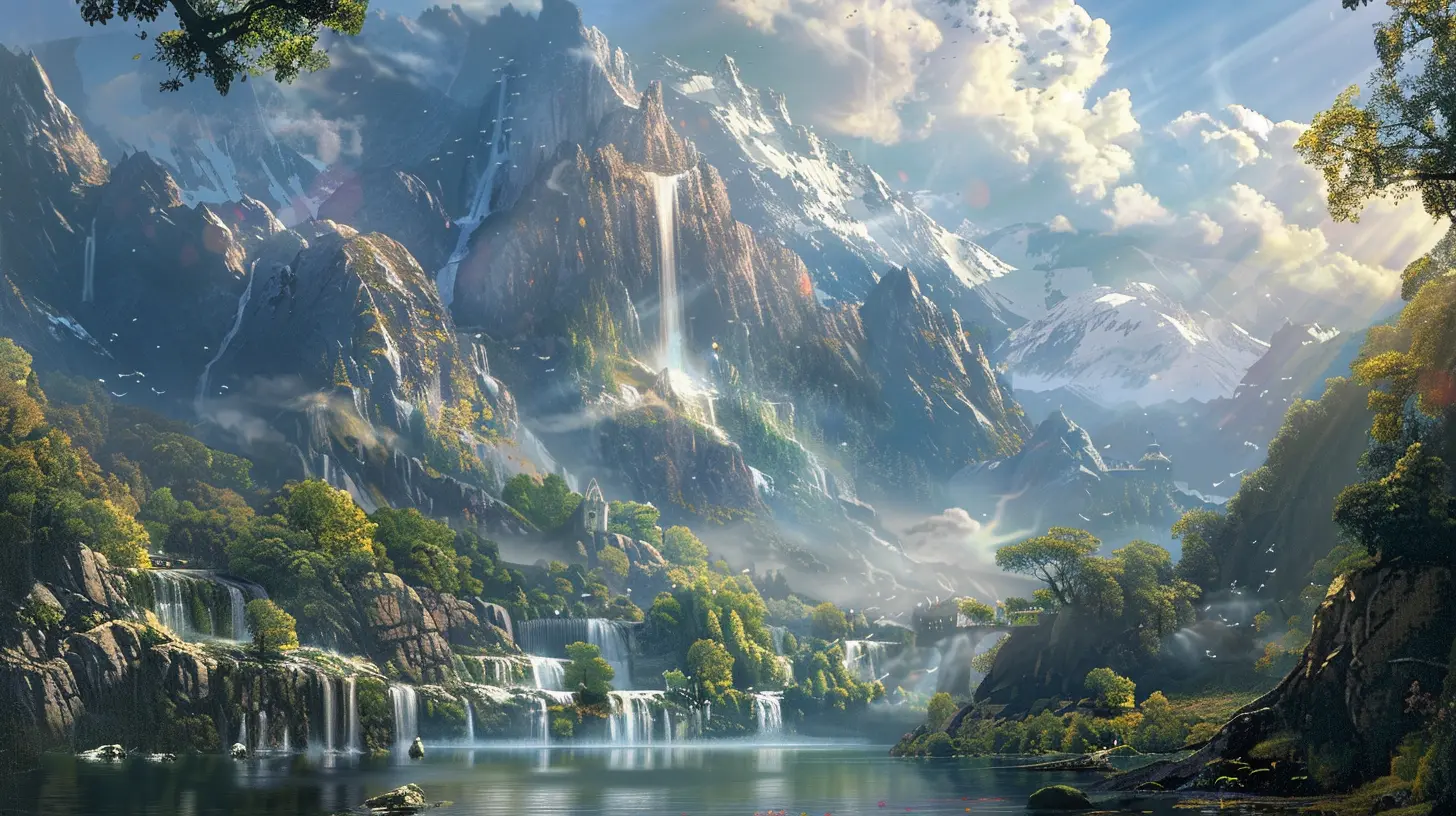
The Building Blocks of a Believable Fantasy World
Creating a fantasy world isn't just about imagination—it's about structure. You’ve got to mix creativity with logic. Let’s break down the core components that make up a solid fantasy game universe:1. Geography and Environment
Where does the game take place? Mountains, swamps, icy wastelands, floating sky islands—this is your stage. Geography sets the tone for the world and can influence everything from politics to fashion.Good maps aren’t just pretty—they’re functional. Players should feel like moving from one area to another makes sense. Bonus points if the terrain affects gameplay, like needing special gear to trek through a desert or navigating a stormy sea.
2. Lore and History
Every fantasy world needs a rich backstory. Think epic wars, ancient civilizations, fallen empires, and mysterious ruins. Lore gives context to the gameplay and makes the setting feel aged and alive.Plus, sprinkling lore around the game environment—like forgotten scrolls or murals—encourages players to discover it themselves. That’s way cooler than dumping it all in a long cutscene.
3. Cultures and Societies
Here’s where things get juicy. Cultures shape how NPCs behave, what they wear, what gods they worship, and how they treat strangers.Do the dwarves have a strict honor code? Is there a merchant guild that secretly controls a city’s government? These details give the world texture and personality.
Also, think about diversity. Not every culture should feel the same. Mixing different belief systems, languages, and customs? That’s what makes a world interesting.
4. Magic Systems and Fantasy Elements
In fantasy games, magic is often the big differentiator from real-life settings. But not all magic is created equal.A strong magic system should have rules and limitations. Can anyone use it, or do you need training? Does it pull from nature, or from a dark, forbidden force? The answers shape quests, characters, and conflicts.
Bottom line: magic should feel powerful, but not chaotic unless chaos is part of your world’s DNA.
5. Factions and Politics
Every good world has tension. Maybe there’s a kingdom at war, or maybe power is split between religious leaders and arcane scholars. Either way, factions give your world depth and conflict.Let’s not forget the shady underground networks, rebel groups, or ancient cults pulling strings behind the scenes. These dynamics keep the world feeling alive and ever-changing.
6. Characters and Creatures
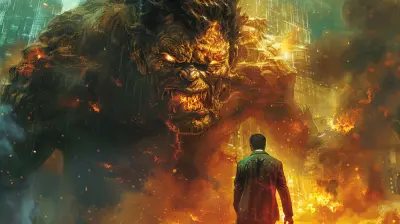
The people and monsters that roam your world are just as important as the land they walk on. From noble elves to savage orcs to mystical dragons, your world’s inhabitants breathe life into it.Make them feel real. Give NPCs believable motivations. Design monsters that feel like they evolved in your world—not just ported in from a generic fantasy template.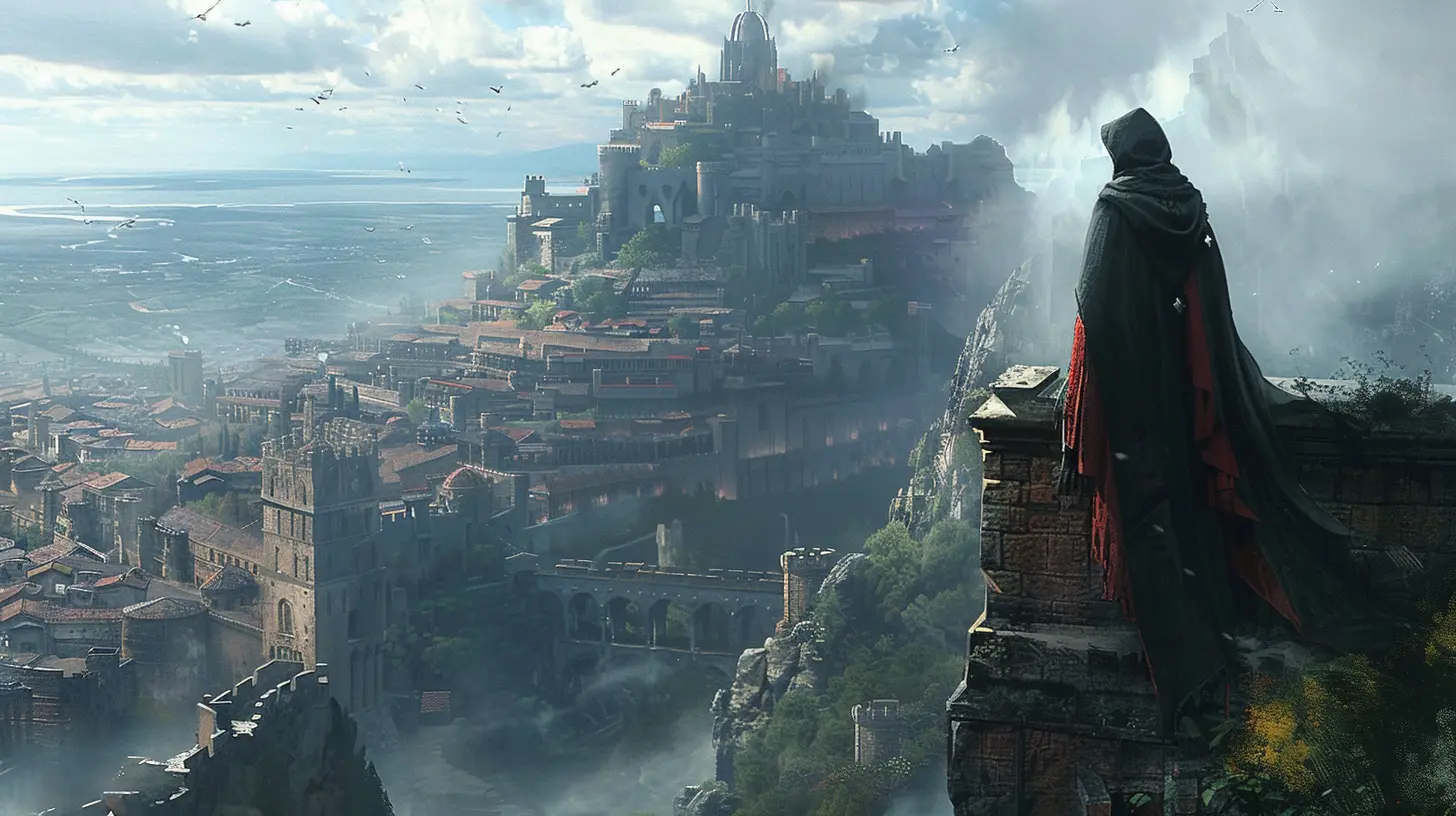
Techniques That Bring Fantasy Worlds to Life
So, how do game devs actually make all this stuff feel real? Let’s look at some of the techniques that can turn decent worldbuilding into something breathtaking.Environmental Storytelling
Not everything has to be spelled out. Sometimes a toppled statue says more about a fallen empire than a dialogue box ever could.Environmental storytelling uses level design, visuals, and placement to hint at deeper stories. It’s subtle, but it works—kind of like reading between the lines of a good book.
Consistent Internal Logic
Fantasy doesn't mean "anything goes." Worlds feel more real when they play by their own rules. If magic heals wounds, why would hospitals exist? If dragons are rare, why is every town handing out dragon-hunting quests?When the world makes sense, even if it's fantastical, players feel more immersed.
Interactive World Elements
Players love when the world reacts to them. Whether it’s a town cheering your return or a castle changing hands based on your choices, interactive world elements make the experience feel personal.Dynamic weather, shifting alliances, evolving economies—these elements turn static maps into living ecosystems.
Audio and Music
Never underestimate the power of sound. The haunting echoes of a cursed forest or the triumphant horns of a battle won can do wonders for atmosphere.Music tells you how to feel—tense, calm, curious, or emboldened. A great soundtrack tied to your world’s identity? That’s how you make memories.
Case Studies: Games That Nail Worldbuilding
Let’s give a little love to some games that totally crushed it in the worldbuilding department.The Elder Scrolls Series
Tamriel isn’t just a setting—it’s a legend. Each region has its own culture, history, and flavor. From Skyrim’s Nordic traditions to Morrowind’s bizarre alien landscapes, this series sets the gold standard.Books scattered across the world offer lore, but exploring is how you really learn what’s up.
The Witcher 3: Wild Hunt
This game showed us that gritty, grounded fantasy could still be magical. With political intrigue, racial tensions, and a lived-in world, The Witcher 3 made every village more than a waypoint—it made each one a story.Not to mention, the characters felt like actual people, not just quest machines.
Hollow Knight
A 2D indie darling with worldbuilding that rivals AAA titles. Hallownest is haunting, mysterious, and layered. The game says little, but shows a lot—and that’s what makes its lore so rich.Don’t Just Build a World. Make It Worth Exploring.
At the end of the day, fantasy game worldbuilding isn’t about overwhelming the player with trivia. It’s about giving them a place that feels alive—where every corner holds a secret and every town has a tale.Wanna build a world players never want to leave? Start with this:
- Build from the ground up, understanding the "why" behind every detail.
- Let players uncover the world at their own pace.
- Keep things consistent, but not predictable.
- Fill it with characters, creatures, and cultures that spark curiosity.
And remember—worldbuilding isn’t a one-time task. The best fantasy worlds evolve, deepen, and grow with the players who explore them.
Now go ahead, roll up your sleeves, and start crafting that next legendary realm. Your players are waiting to get lost in it.
all images in this post were generated using AI tools
Category:
Game Reviews ArchiveAuthor:

Madeleine McCaffrey
Discussion
rate this article
2 comments
Sasha Wheeler
Worldbuilding is such a crucial aspect of fantasy games. It draws players into immersive worlds and enhances the storytelling experience. Truly inspiring insights in this article!
August 31, 2026 at 5:09 AM
Madeleine McCaffrey
Thank you! I'm glad you found the insights inspiring. Worldbuilding really does make a difference in creating engaging experiences.
Olympia Patel
Worldbuilding is a powerful tool that breathes life into fantasy games. It sparks imagination and connects players to rich narratives. Keep exploring and sharing ideas, as the magic of creation is truly limitless.
July 21, 2026 at 4:59 AM
Madeleine McCaffrey
I completely agree! Worldbuilding really enhances the player experience, and there's always more to discover. Let's keep pushing the boundaries of our imaginations.