The Challenges of Organizing Large-Scale E-Sports Tournaments
16 January 2026
Let’s be honest—eSports is exploding right now. What once seemed like a niche corner of the internet is now packing stadiums, crashing Twitch servers, and offering prize pools that make traditional sports blush. But behind every perfectly lit stage and mind-blowing highlight reel is a mountain of stress, sleepless nights, and brutal logistics. Organizing a large-scale eSports tournament? It’s no walk in the park.
While from the outside these events might seem like a seamless celebration of gaming culture, from the inside, they’re kind of like juggling flaming swords while riding a unicycle… blindfolded. So buckle up, because we're diving headfirst into the wild world of planning massive eSports events—and trust me, it’s so much more than just plugging in consoles and calling it a day.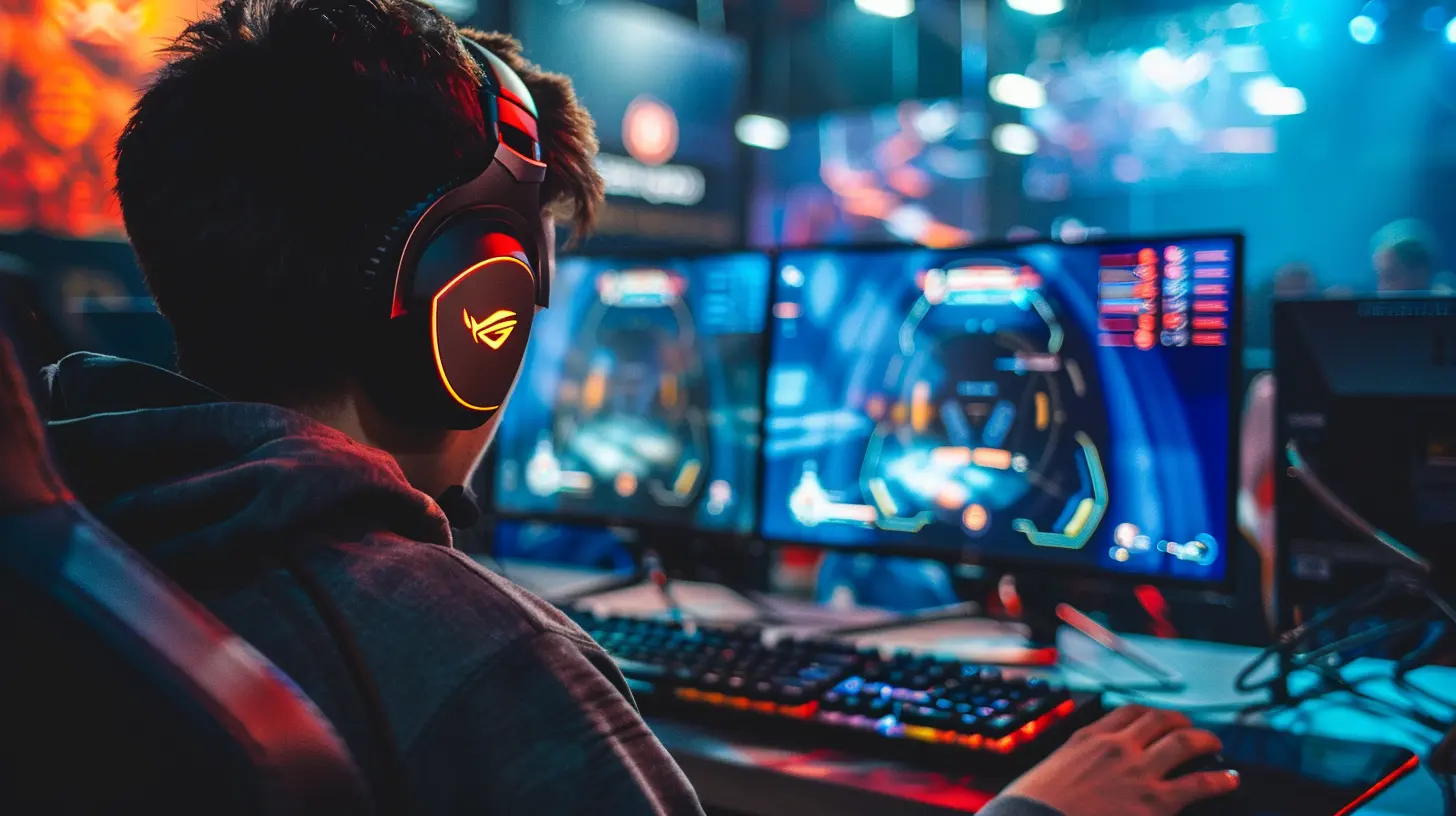
The Hype Is Huge—And The Pressure Is Real
Think about the last big tournament you watched—League of Legends Worlds, The International, maybe a Valorant Masters event. The production quality? Off the charts. The coordination required? Mind-melting. Fans expect a flawless, high-gloss experience. Broadcasters must deliver real-time stats, commentary needs to be engaging, and the schedule must flow like clockwork.And that’s just the front end.
Behind the scenes, organizers are dealing with tech failures, time zone disasters, missing players, Wi-Fi meltdowns, and a hundred other things that can go wrong… and probably will.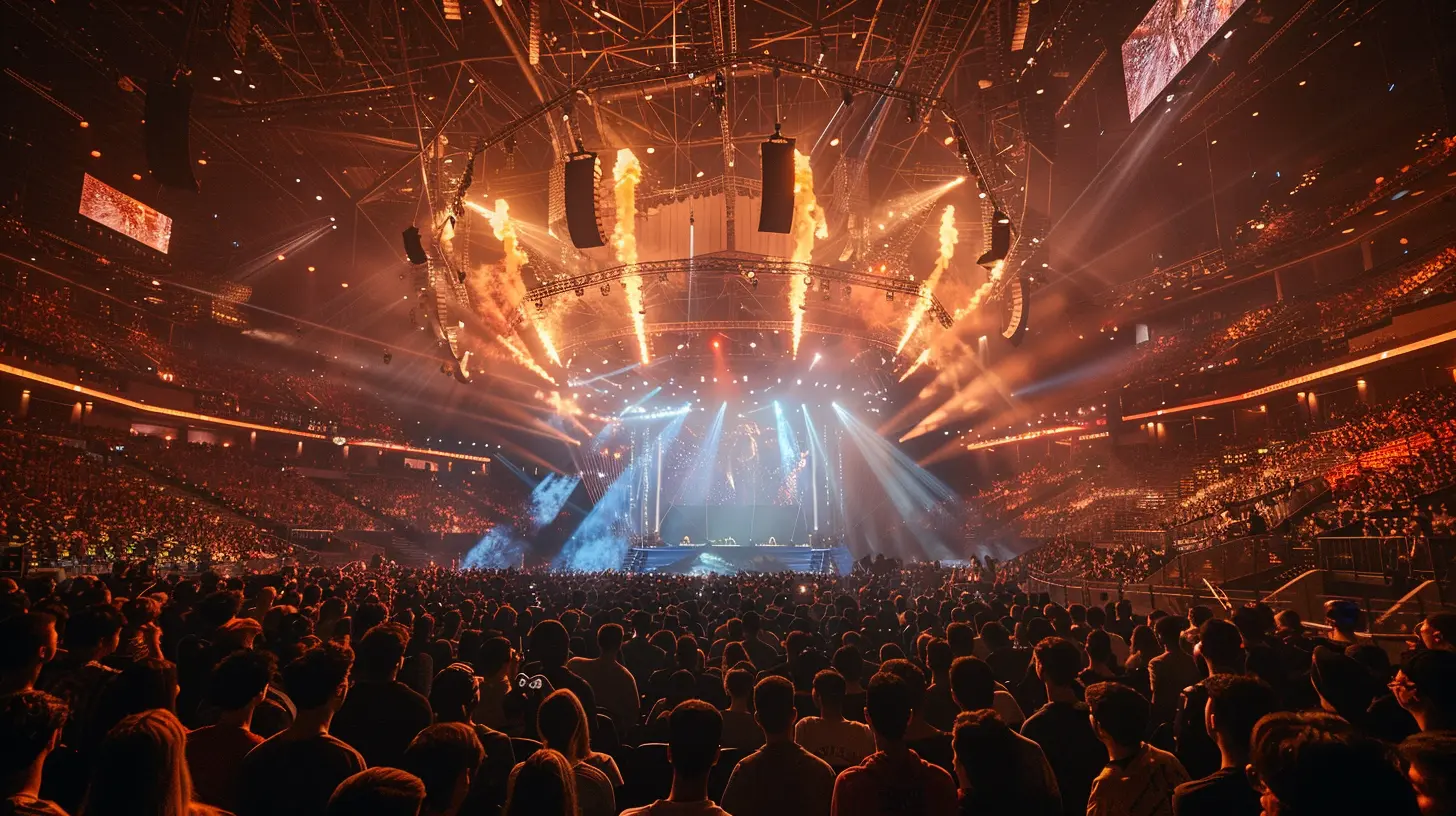
Venue Madness: Finding a Place to Play
You’d think booking a venue would be as simple as picking a big arena and locking it in. Nope. Not even close.For huge eSports events, the venue has to tick some very specific boxes:
- Massive internet bandwidth (like, "NASA called and wants their internet back" levels)
- Power capacity that can handle hundreds of machines
- Enough space for players, casters, fans, and multiple staging areas
Can’t forget broadcast requirements—like lighting rigs, camera setups, soundproof player booths. Then there’s audience seating, accessibility, vendor areas, and oh yeah… bathrooms.
It’s not just location. It’s infrastructure—and most traditional sports arenas weren’t built with LAN parties in mind.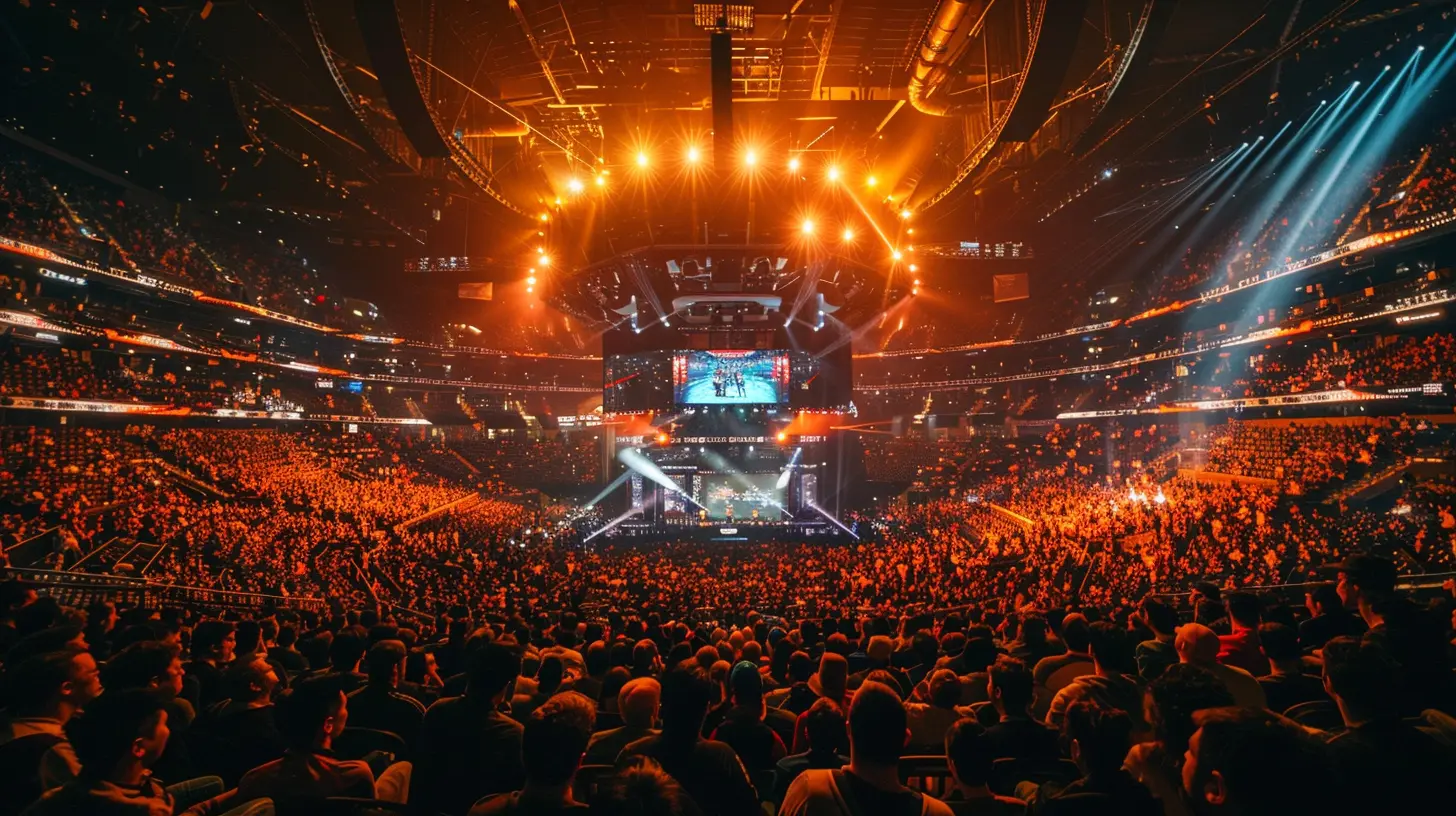
Tech Troubles: Hardware, Software, and Everything in Between
Let’s talk tech. It’s the backbone of the tournament—and also its single biggest point of failure.Every player’s rig has to be top-tier and identically configured. Nobody wants a “my FPS dropped during a clutch” excuse. Hardware inconsistencies can literally cause controversies. And we haven’t even gotten into software issues—patches dropping mid-tournament, bugs causing delays, or anti-cheat systems going haywire.
Plus, games rely on stable internet connections. A momentary lag spike can ruin a match. For online or hybrid tournaments, syncing players from different regions adds a whole new layer of complexity.
And heaven help the production team if the live broadcast crashes mid-final.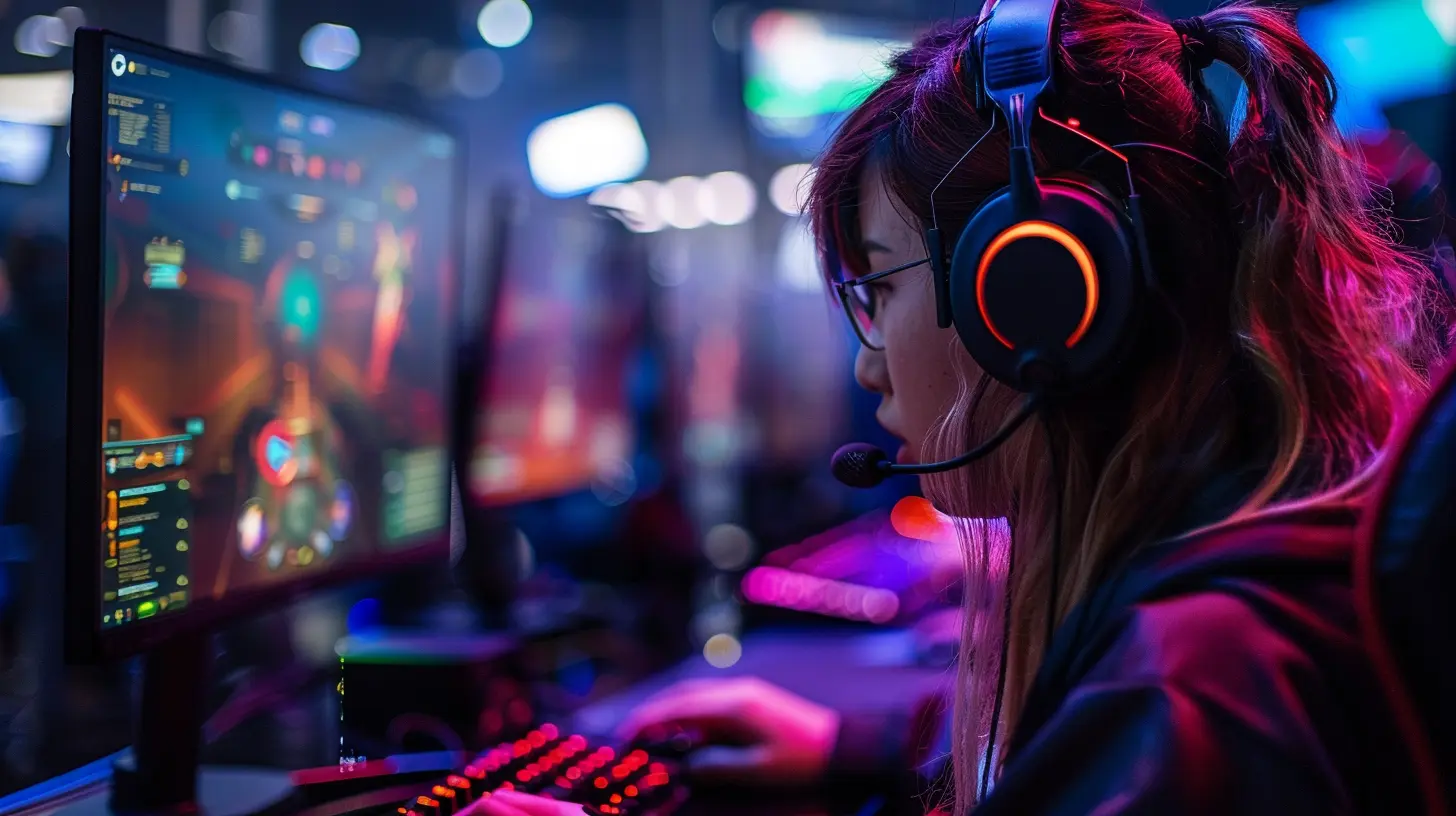
Scheduling Mayhem: A Global Puzzle
eSports is global. That’s awesome… until you have to schedule a tournament.Players might be from South Korea, Brazil, Europe, and the U.S.—and fans too. Organizers must juggle time zones, make sure teams aren’t playing at 3 a.m. local time, and try to please sponsors who want prime-time slots.
Then add delays—because there will be delays. Technical hiccups, extended matches, and tiebreakers can screw up even the most carefully planned schedule. It's a living nightmare for the backstage crew, who have to constantly revise timing on the fly.
And still keep fans happy? Yeah, good luck with that.
Player Management: Herding Digital Rockstars
Now imagine trying to coordinate a group of top-tier players—many of whom are still teenagers. Sounds fun, right?Players are often flying in from across the globe. That means handling visas, travel arrangements, hotel bookings, and dietary needs. Some players might have nutritionists, coaches, managers, or even fan entourages tagging along.
Then there’s practice time. Each team needs scheduled warm-up zones, scrim rooms, and rest areas. And don’t forget… players are humans. They get tired, sick, stressed. Someone’s bound to oversleep or miss a call time.
Keeping everyone on track while respecting their needs? That’s a full-time job on its own.
Security and Fair Play: Keeping It Clean
Cheating in eSports? Yeah, it’s a thing. Whether it’s hardware tampering, software exploits, ghosting streams, or even inside coaching—there are a ton of sneaky ways players can get an edge.So, security is tight. We're talking anti-cheat software, isolated networks, cameras in every room, and sometimes even on-site referees or marshals monitoring every move.
Then there's match integrity. Ensuring players aren't communicating with fans or coaches in unauthorized ways. Making sure no one is stream-sniping or using unapproved peripherals.
And let’s not even start on DDoS attacks. Cybersecurity has never been more crucial.
Broadcasting: Lights, Camera, Chaos
Streaming an eSports event isn’t just slapping a webcam on a monitor. It’s a full-blown media production—multi-cam setups, instant replays, real-time graphics, shoutcasters, interviews, and massive overlays.If even one audio feed dies, or the wrong screen goes live, or a graphic misfires—it can tarnish the entire viewing experience for millions.
Broadcasters need to coordinate tightly with tournament ops, player handlers, and tech teams in real time. One misstep? Twitter’s going to let you know... fast.
Sponsorships and Budgets: Chasing the Money
Let’s talk money, because it doesn’t rain Red Bull-branded stages and confetti canons for free.Sponsorships are the lifeblood of most tournaments, and they come with strings attached. Logos need to appear clearly. Branded segments must run on time. VIPs need seats. Activations have to be executed—flawlessly.
And if a partner is unhappy? That could mean major dollars lost… or worse, no funding for next year.
Plus, the sheer cost of running these events is bonkers. Between venue rental, equipment, travel, staff, security, and prize money—you’re easily talking about millions for the biggest events.
Balancing budget while delivering top-tier production? It’s financial gymnastics.
Community Expectations: Pleasing the Hardcore Fans
Gamers are passionate—and that’s putting it mildly. They know every stat, every patch note, and every nuance of competition. One wrong decision and the community will let you know… loudly.Favoritism accusations, bad format choices, perceived unfair rules—everything is under the microscope. Organizers have to keep fans informed, engaged, and excited from day one through to the final GG.
Social media? A full-time battlefield.
Mental and Physical Exhaustion: The Human Cost
Let’s not forget everyone working behind the curtain.Tournament organizers pull 18-hour days. Stage managers may not sleep for days leading up to the event. Tech teams are often stuck running crisis drills around the clock. Even shoutcasters can lose their voices from non-stop commentary.
All that glitz and glam? It comes with burnout, stress, and emotional tolls for all involved.
The Silver Lining: Why They Still Do It
So with all these challenges, why do people keep organizing massive eSports tournaments?Because it’s magical. There’s nothing like hearing a crowd roar after a clutch play, or watching a young team defy the odds and take home the gold. There’s a sense of community, achievement, and raw excitement that few other industries can match.
And sure, it’s chaos. Exhausting, back-breaking chaos. But it’s worth it—for the players, the fans, and the future of gaming.
Final Thoughts
At the end of the day, organizing large-scale eSports tournaments is like building a spaceship out of LEGOs during an earthquake. It’s hard, it’s messy, and it sometimes feels impossible.But when everything clicks—when the lights go down, the crowd counts down, and that final, game-winning moment hits the screen—it’s pure magic.
Behind the scenes, it’s one heck of a ride. But for those who love the game and the community, there's nowhere else they'd rather be.
all images in this post were generated using AI tools
Category:
E SportsAuthor:

Madeleine McCaffrey
Discussion
rate this article
3 comments
Paxton Cook
Organizing e-sports tournaments requires immense coordination and strategic planning.
April 13, 2026 at 2:40 AM
Madeleine McCaffrey
Absolutely, the complexity of logistics, scheduling, and team dynamics can't be underestimated in e-sports. It's a huge task that demands both creativity and precision.
Callisto Weber
Organizing large-scale e-sports tournaments is like herding caffeinated cats with gaming headsets—chaos, excitement, and the occasional power outage! But hey, if you can manage a rainbow of keyboard warriors and snack-fueled strategies, you’re basically a wizard in the digital arena!
January 25, 2026 at 6:16 AM
Madeleine McCaffrey
Absolutely! The unpredictability of e-sports events can feel like a wild ride, but it’s the exhilarating challenge that keeps us inspired. Thanks for capturing the chaos so perfectly!
Rosalind McWain
“Great insights on e-sports organization challenges!”
January 20, 2026 at 3:52 PM
Madeleine McCaffrey
Thank you! I'm glad you found the insights valuable.