The Duality of Choice in Stealth vs. Action Gameplay
12 June 2026
Let’s face it — when you’re deep into a game and the mission starts, you’ve probably asked yourself this question: “Do I sneak around like a ninja, or go in guns blazing?” That little voice in your head pulls you in two directions. You’ve got stealth on one hand, action on the other, and somewhere in the middle is your playstyle. That tug-of-war right there? That’s the duality of choice in stealth vs. action gameplay.
And honestly, it’s one of the most satisfying dilemmas in gaming.
Whether you're crawling through vents in Deus Ex or throwing grenades in Call of Duty, the choices we make impact not just the gameplay, but how we connect with the story, the character, and even ourselves as players. So, let’s unpack this — the beauty and brains behind stealth vs. action, and why game designers keep putting this decision in our hands.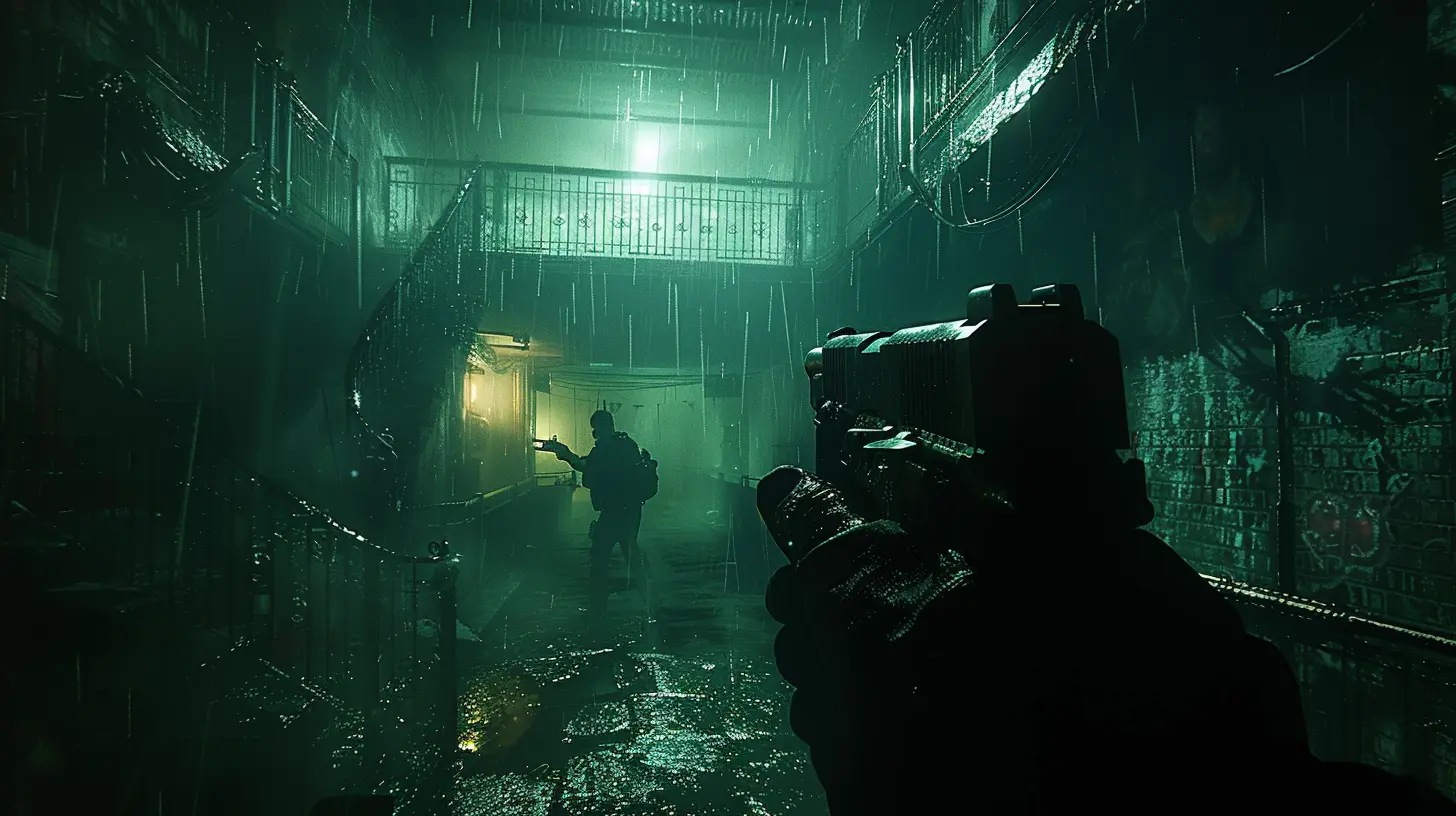
What’s the Big Deal with Stealth vs. Action?
Okay, before we dig deeper, let’s clarify something. This isn’t just a surface-level genre split. It’s a design philosophy. Stealth and action offer wildly different gameplay loops, emotional experiences, and even player satisfaction. Think of it like choosing between chess and dodgeball. Both are games — but they push you in totally different ways.Games like Dishonored or Assassin’s Creed (the earlier entries, at least) give you the option. You can sneak in, take out your target quietly and disappear without a trace, or charge in, sword swinging, and leave a pile of bodies behind you. The fact that players get to choose is what makes this duality so compelling.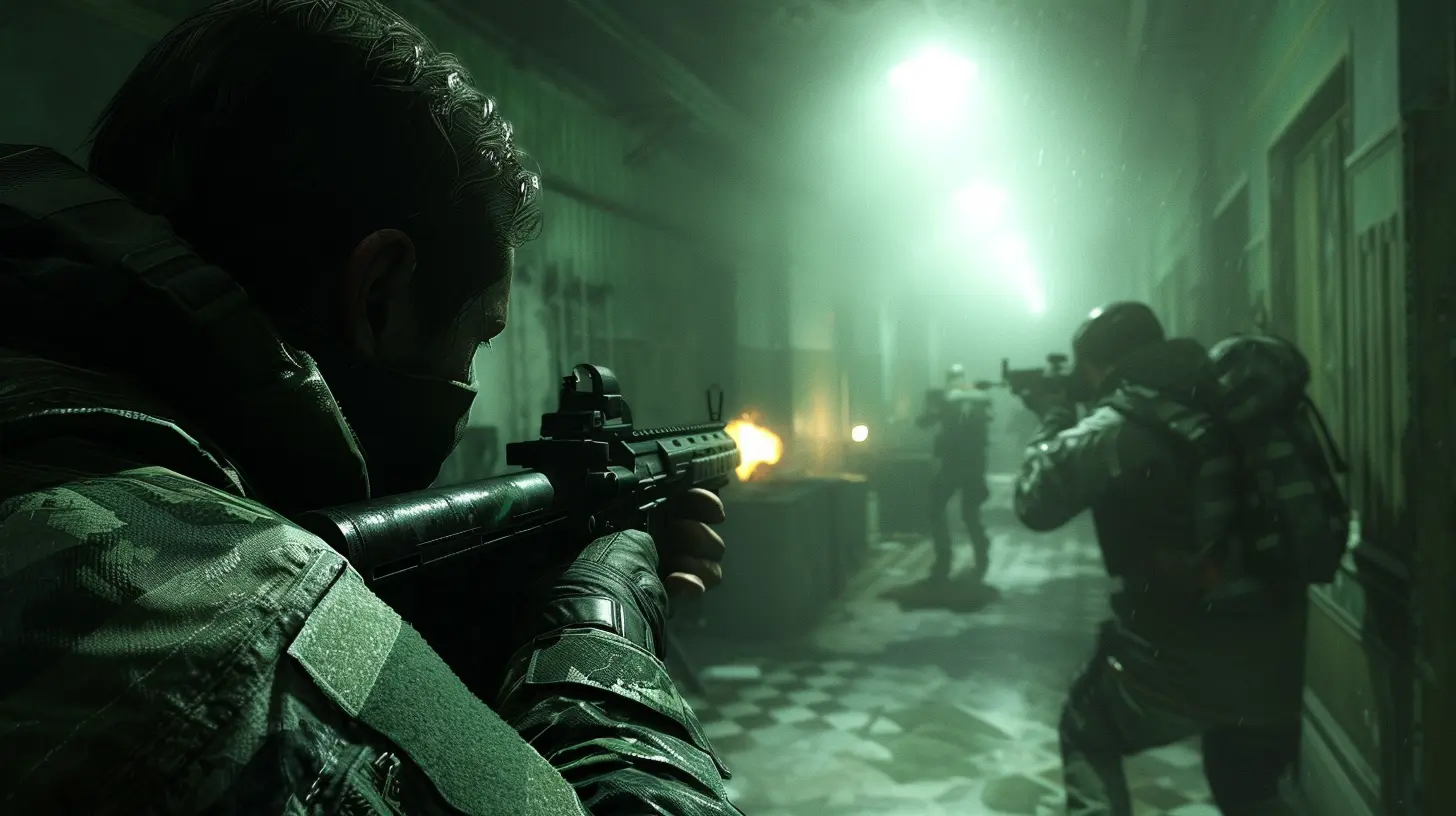
The Art of Stealth: Playing the Ghost
Stealth, man — it’s not for the impatient. It’s deliberate, methodical, and intensely personal.When you choose stealth, you're committing to observation. You’re scanning enemy patterns, hiding in shadows, and waiting for the perfect moment. It's almost like solving a puzzle: move here, distract that guy, slip past the patrol. And let’s be real — when it all comes together, it feels incredible.
Why Stealth Feels So Rewarding
Because it’s earned.You had to work for that perfect infiltration. No alarms, no alerts, just smooth execution. The satisfaction isn’t in the chaos; it’s in the control. You feel like a mastermind. Plus, stealth often ties into storylines where being seen has consequences. Think about Metal Gear Solid — getting caught could mess up entire missions.
But Let’s Not Sugarcoat It...
Stealth can be stressful and slow. One wrong move, and you’re toast. Or worse, you trigger the guards and now you’re stuck in an awkward fight because your character’s not built for combat. You probably reloaded more saves than you’d like to admit. We’ve all been there.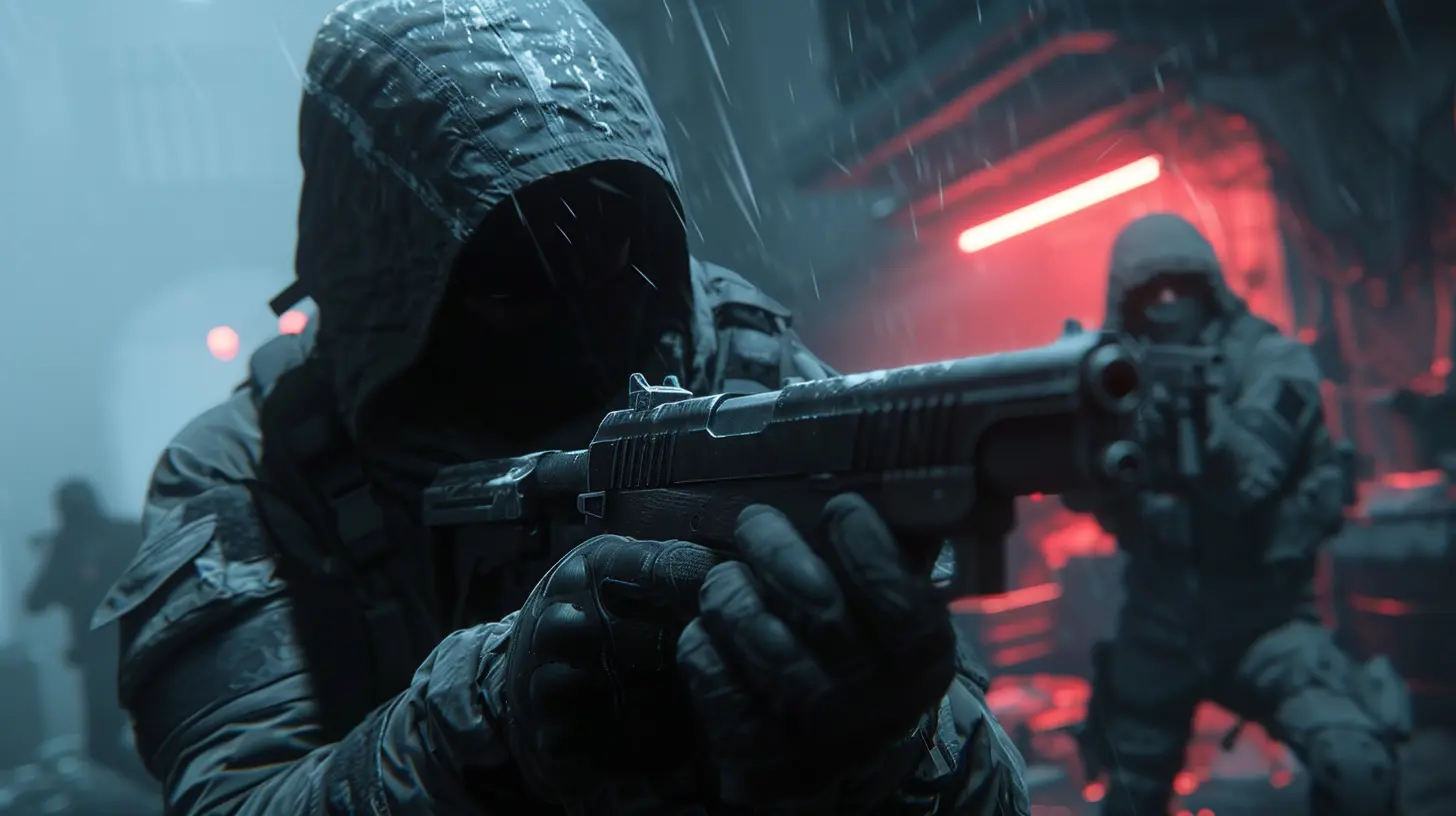
The Charm of Action: Chaos with Consequence
On the flipside is action gameplay — the noisy, explosive, “let’s make some noise” approach. When you choose action, you're opting for adrenaline. It’s fast, reactive, and incredibly satisfying in its own right.Why Players Love Going Loud
Because sometimes, you just want to blow stuff up. Power fantasies are a big part of gaming, and action scratches that itch. You get to feel like a badass. Think about running into a room in DOOM, double shotgun blasting demons while heavy metal slaps in the background. That’s the heartbeat of action gameplay — rhythm, momentum, and raw power.But Here's the Catch
Action can get repetitive. Spray, reload, duck, repeat. If a game doesn’t add layers — like tactical options, enemy variety, or interesting level design — it can feel hollow. Plus, charging in without a plan can backfire. Just because it’s loud doesn’t mean it’s smart.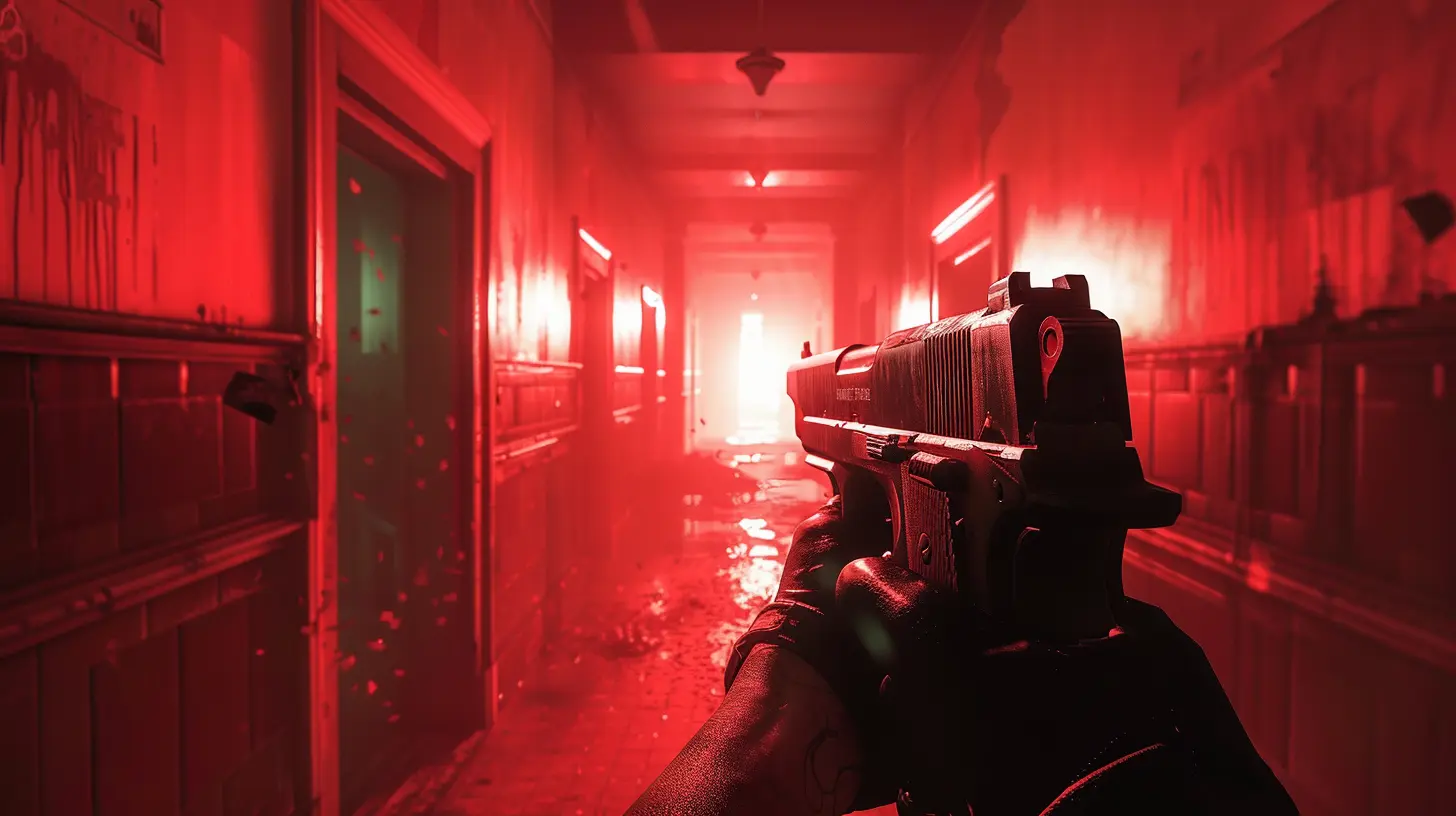
When Games Let You Choose: The Best of Both Worlds
This is where things get interesting — when a game doesn’t force your hand. Instead of saying “you must stealth” or “you must shoot,” it says, “up to you, fam.”Games like Hitman, Dishonored, Far Cry, Cyberpunk 2077, and even the rebooted Tomb Raider series all give players the freedom to decide how to approach a situation. And that freedom? It’s spicy. It adds replay value, encourages experimentation, and makes you feel in control.
But There’s a Catch: Not All Choices Are Equal
Here’s the thing — some games claim to offer choice, but one path is clearly better or more fun. Maybe stealth rewards you with better story outcomes or action gives you more satisfying feedback. When designers tip the scale too far, the “choice” becomes an illusion.True duality — the real, juicy kind — happens when both playstyles are equally viable, equally fun, and equally supported by the game’s mechanics.
Designing for Both: A Balancing Act
Game devs aren’t magicians (okay, maybe a little). Offering both stealth and action isn’t easy. You’ve got to build levels that support both approaches. Create AI smart enough to challenge a stealth player and robust enough to survive a shootout. And then there’s narrative — making sure the story doesn’t completely fall apart if you go loud vs. staying quiet.Level Design is Everything
Ever notice how levels in Dishonored practically beg you to try different strategies? Multiple entry points. Verticality. Environmental hazards. That’s intentional. A hallway can be deadly in action, but a shortcut for the observant stealth player.Adapting AI: Smart Enemies Make Better Choices
A big part of making both styles work is how the enemies behave. In stealth, they need to be alert but not psychic. In action, they should react to shots fired. The best games — like The Last of Us Part II — have enemies that adapt, flank, and even communicate, keeping you on your toes no matter how you play.Player Personality and Choice: Who Are You?
That moment when you decide to sneak or charge — it says something about you. Are you cautious or confrontational? Do you want control or chaos?Games that allow this choice don’t just give freedom; they let players project themselves onto the experience. That’s rare in other media. You don’t pause a movie and decide how the protagonist handles a situation. But in games? You're the director, the actor, and the audience.
And let’s not forget the role-play factor. Some players purposely play stealth on the first run and go full action on the second just to see how things shift. That duality taps into our curiosity. “What if I did it differently?”
The Evolution of Dual Playstyles
Stealth vs. action isn’t a new debate. It’s been around since Thief and Splinter Cell. But what’s cool is how it’s evolved. Where earlier games separated the two into different genres, now we’re seeing more fluid design.Modern games blend mechanics. Maybe you start stealthy, but escalation leads to action. Or maybe your gear (like silenced weapons or crowd control abilities) morphs how you engage. Titles like Ghost of Tsushima let you switch between samurai (honorable action) and ghost (stealthy assassin) styles mid-mission.
That’s not just gameplay innovation — that's giving the player authentic agency.
The Future: Where Do We Go from Here?
Honestly? The future looks bright. As tech gets better and devs continue to embrace emergent gameplay, we’ll probably see even deeper systems that respond to our choices.Imagine AI that remembers your preference for stealth and evolves to counter it. Or missions with dynamic consequences based on how you play — not just narrative outcomes but world-building changes. Some games are already hinting at this.
The dream? Games that feel like living sandboxes — where every choice really does have weight. Where stealth and action aren’t modes, but lenses through which to view the game world.
Final Thoughts: Embrace the Duality
Whether you’re a ghost in the shadows or a storm of bullets, the beauty lies in having that choice. Not every game nails the formula, but when it does? Magic happens.Stealth and action aren’t just two paths — they’re reflections of how we choose to engage with challenges, risk, and reward. And when a game lets us decide, it’s not just giving us a mechanic. It’s giving us a mirror.
So next time you fire up a mission and ask yourself, “Do I sneak or fight?” — smile. That question is proof you're about to play something special.
all images in this post were generated using AI tools
Category:
Stealth GamesAuthor:

Madeleine McCaffrey
Discussion
rate this article
2 comments
Mason McQuaid
Great article! I love how you captured the tension between stealth and action gameplay. It's always a thrill to weigh my options, whether sneaking past foes or going in guns blazing. Each choice feels so rewarding and adds layers to the experience... Keep up the good work!
July 31, 2026 at 3:17 PM
Madeleine McCaffrey
Thank you! I'm glad you enjoyed it. The tension between those play styles is so engaging. I appreciate your support!
Abram McNair
Stealth and action create unique narratives that shape player experiences differently.
June 12, 2026 at 3:50 PM