The Evolution of Battle Passes in Competitive Games
12 August 2026
There’s been a massive shift in the way we play and pay for games—especially competitive ones. Whether you’re dropping into a chaotic arena shooter, a high-stakes MOBA, or battling it out in a colorful battle royale, chances are you’ve seen (or bought) a Battle Pass. But have you ever stopped to wonder how we got here?
Let’s take a deep dive into the evolution of Battle Passes in competitive games—from their humble beginnings to the monetization juggernauts they’ve become today—and what it means for both players and developers.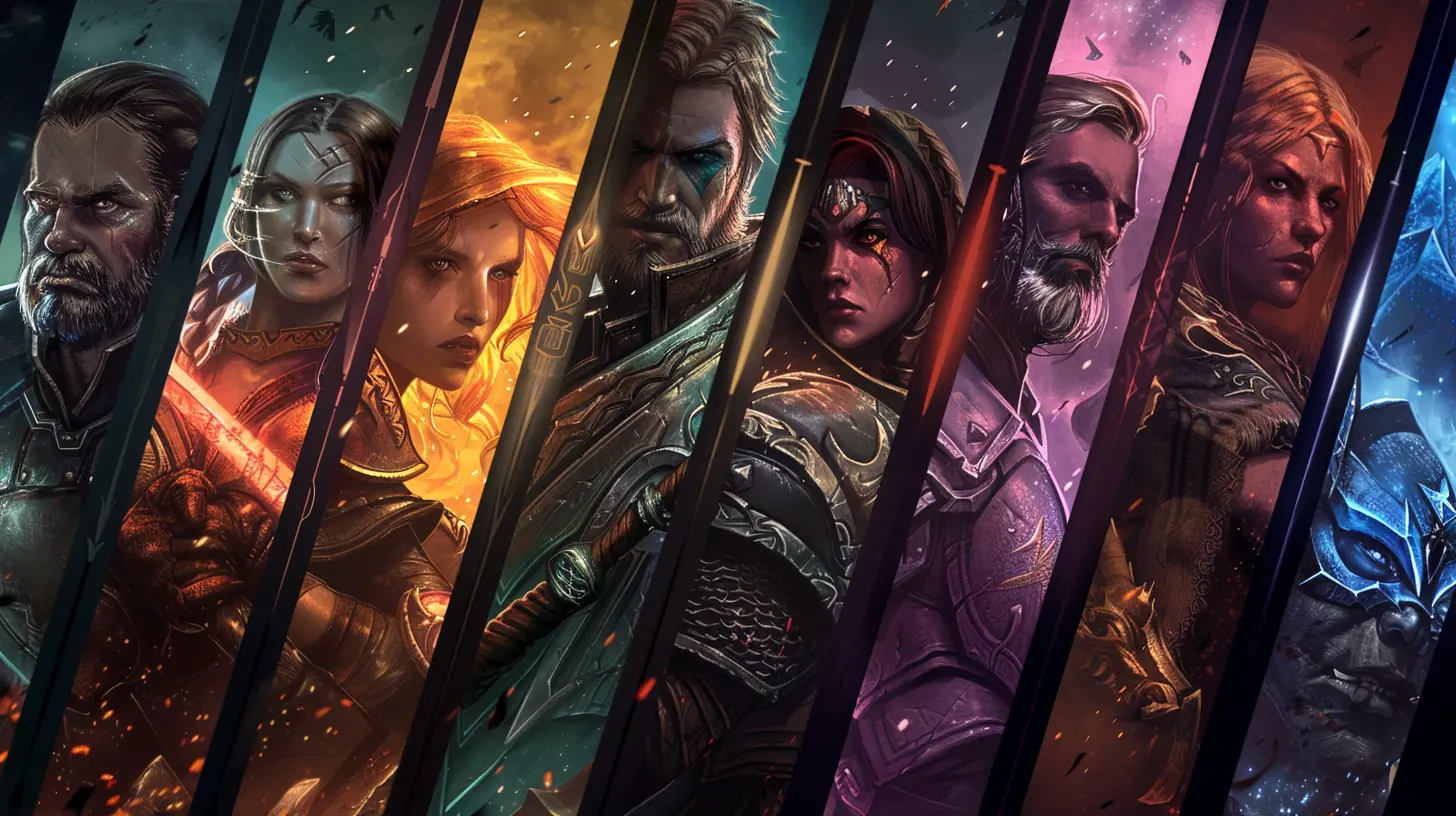
What Exactly Is a Battle Pass?
Alright, before we dive into history, let’s break it down.A Battle Pass is a tiered reward system, typically available during a specific time-limited season. You gain experience points (XP) or complete challenges to unlock rewards as you level up through the pass. These rewards can be anything from cosmetic skins, emotes, and weapon wraps to in-game currency and more.
Most Battle Passes have two lanes:
- Free Track: Limited rewards available to all players.
- Premium Track: Unlocks extra goodies for a fee—usually between $5 to $10.
It’s a way to keep players engaged, entertained, and—let’s be honest—spending money.
The Pre-Battle Pass Era: Paid DLCs and Loot Boxes
Believe it or not, the gaming world wasn’t always filled with colorful Battle Pass menus.? The DLC Era
Back in the 2000s, game developers monetized their games after release through downloadable content (DLC). This often included new maps, characters, or weapons. And while it made sense for expansion-based games, it started creating fragmentation in multiplayer communities. If you didn’t buy the new map pack, you couldn’t play with your friends.? The Loot Box Craze
Then came loot boxes. Oh boy.For a while, they dominated the monetization scene. Random item drops hooked players like a slot machine, blending gameplay with gambling mechanics (which sparked a lot of controversy). You’d pay real money for a chance at rare items, and while some found the thrill exciting, many felt cheated by the randomness.
Eventually, regulators and players pushed back. That’s when developers began eyeing a more transparent, fair, and rewarding model.
Enter: The Battle Pass.
The Birth of the Battle Pass Model
The first seeds of the Battle Pass were planted in Dota 2, thanks to Valve’s International Compendium in 2013. This early version didn’t call itself a Battle Pass, but it introduced a progression system tied to rewards. What set it apart? A portion of the revenue went directly to the esports prize pool—which players loved.But the real game-changer came in 2017 with the launch of Fortnite’s Battle Royale.
? Fortnite: The Blueprint
Epic Games flipped the industry on its head. Fortnite’s Battle Pass was cheap, offered tons of cosmetic rewards, and made leveling up feel incredibly satisfying. Most importantly—they ditched the pay-to-win mechanics. Everything was purely cosmetic.Players who engaged regularly could even earn enough V-Bucks (Fortnite’s virtual currency) to buy the next season’s Battle Pass for free. It was clever, accessible, and rewarding. And it worked.
Suddenly, everyone wanted to mimic that success—and they did.
The Battle Pass Boom: Every Game Has One
From Call of Duty to Apex Legends, Halo Infinite to Valorant, you’d be hard-pressed to find a competitive game today that doesn’t offer a Battle Pass.Why Do Developers Love Battle Passes?
Simple:- Steady Revenue Stream – Instead of one-time purchases, Battle Passes encourage ongoing payments.
- Increased Player Retention – Players are motivated to log in daily or weekly to chase the next reward.
- Balanced Monetization – No pay-to-win; just skins, voice lines, and other cosmetic flexes.
It’s a win-win—players get content and developers get funding.
But… Is It All Sunshine and Rainbows?
Not exactly.Some players feel trapped by the Battle Pass grind. You only have so much time to complete a season’s content before it disappears forever. Others argue it adds FOMO (Fear of Missing Out) pressure, turning games into a chore.
When progression is tied to engagement metrics, you’ve got to wonder—are we playing because we want to… or because we have to?
How Battle Passes Changed the Competitive Landscape
Battle Passes didn’t just change how we pay; they changed why we play.? The Rise of Cosmetic Culture
Back in the day, showing off meant owning rare achievements, top leaderboard rankings, or exclusive gear. Now? It’s all about that limited-time skin or animated player card from season four.Cosmetics have become the new clout. This visual bragging right adds a social layer to competition—it’s not just about winning, it’s about flexing while you win.
? Strategic Game Design
Developers now build progression systems, daily quests, events, and even meta-game modes around the Battle Pass structure. It’s less about “let’s make a great game,” and more “how do we keep players logging in for 12 weeks straight?”That’s not a bad thing—it keeps content fresh—but it does shift priorities.
The Dark Side of the Battle Pass
Let’s be honest—it’s not all roses.⏳ Time Sinks vs. Real Life
Sure, it’s nice to unlock cool stuff. But when you’re juggling school, work, or family, dedicating 10+ hours a week to grind out a pass can be unrealistic.Some players feel punished for not having the free time to “keep up.” It creates a weird tension: those with time are rewarded, those without… well, they miss out.
? Manipulative Design?
Some Battle Passes use psychology against us. Progress bars, tier unlock sounds, bright pop-ups with “Congratulations!”—they’re all designed to hook our brains on dopamine hits. It’s gamified progression on steroids.Again, it’s not inherently evil—but it's worth being aware of.
The Future of Battle Passes: Where Do We Go From Here?
So, what’s next?♻️ Non-Expiring Battle Passes?
Some games, like Halo Infinite, have experimented with “never-expiring” Battle Passes—you buy them once and complete them at your own pace. It’s a promising idea and a great middle ground for casual players.? More Customization
Imagine building your own Battle Pass. Pick the rewards you want, skip the ones you don’t care about. Developers are toying with modular passes to cater to individual player interests.? Community-Driven Passes
There’s also potential for more community-influenced content. Fan-created skins, emotes, and even in-game events tied to Battle Pass progression. It’s a way to bring players into development, not just on the receiving end.Final Thoughts: It’s All About Balance
The evolution of Battle Passes in competitive games reflects a deeper shift in gaming culture. We’ve gone from isolated, one-time purchases to ongoing, engagement-heavy ecosystems.Battle Passes—when done right—can be amazing. They offer value, encourage consistent play, and keep content fresh. But when abused, they can exploit player psychology and burn out the very audience they’re trying to retain.
In the end, it comes down to balance. As players, we should be aware of what we’re investing in—not just with our wallets, but with our time and attention.
And as developers, keeping the human side of the gamer experience in mind is more important than ever. Because after all, games are meant to be fun, not a second job.
So next time you're grinding through a Battle Pass, just ask yourself: *Am I enjoying this? Or just chasing the next tier?
all images in this post were generated using AI tools
Category:
Battle PassesAuthor:

Madeleine McCaffrey
Discussion
rate this article
2 comments
Melanie Reilly
The evolution of battle passes has transformed competitive gaming by enhancing player engagement and monetization. They've shifted focus to seasonal content, fostering a sense of achievement and community among players.
September 24, 2026 at 3:08 PM
Logan Yates
This article beautifully captures how battle passes have transformed gaming experiences. It's fascinating to see how they enhance engagement and bring communities together. I appreciate the insights and history you've shared here-it really resonates with me.
August 19, 2026 at 3:30 AM
Madeleine McCaffrey
Thank you for your thoughtful comment! I'm glad you found the insights on battle passes engaging and relatable. It's fascinating to see their impact on community and gameplay.