The Evolution of Horror Games in the Last Decade
9 February 2026
You know that feeling when you're walking down a dark hallway in a game, and every creaky floorboard or flickering light makes your palms sweat? That heart-pounding suspense has come a long way in the gaming world. Horror games have morphed in ways we could barely imagine a decade ago. Storylines have gotten deeper, jump scares smarter, and gameplay mechanics more immersive.
But how exactly have horror games evolved over the last ten years? Why are they scarier, smarter, and more immersive than ever before? Grab your flashlight—and maybe a spare pair of pants—because we're diving deep into the gory, gripping transformation of horror games from 2013 to 2023.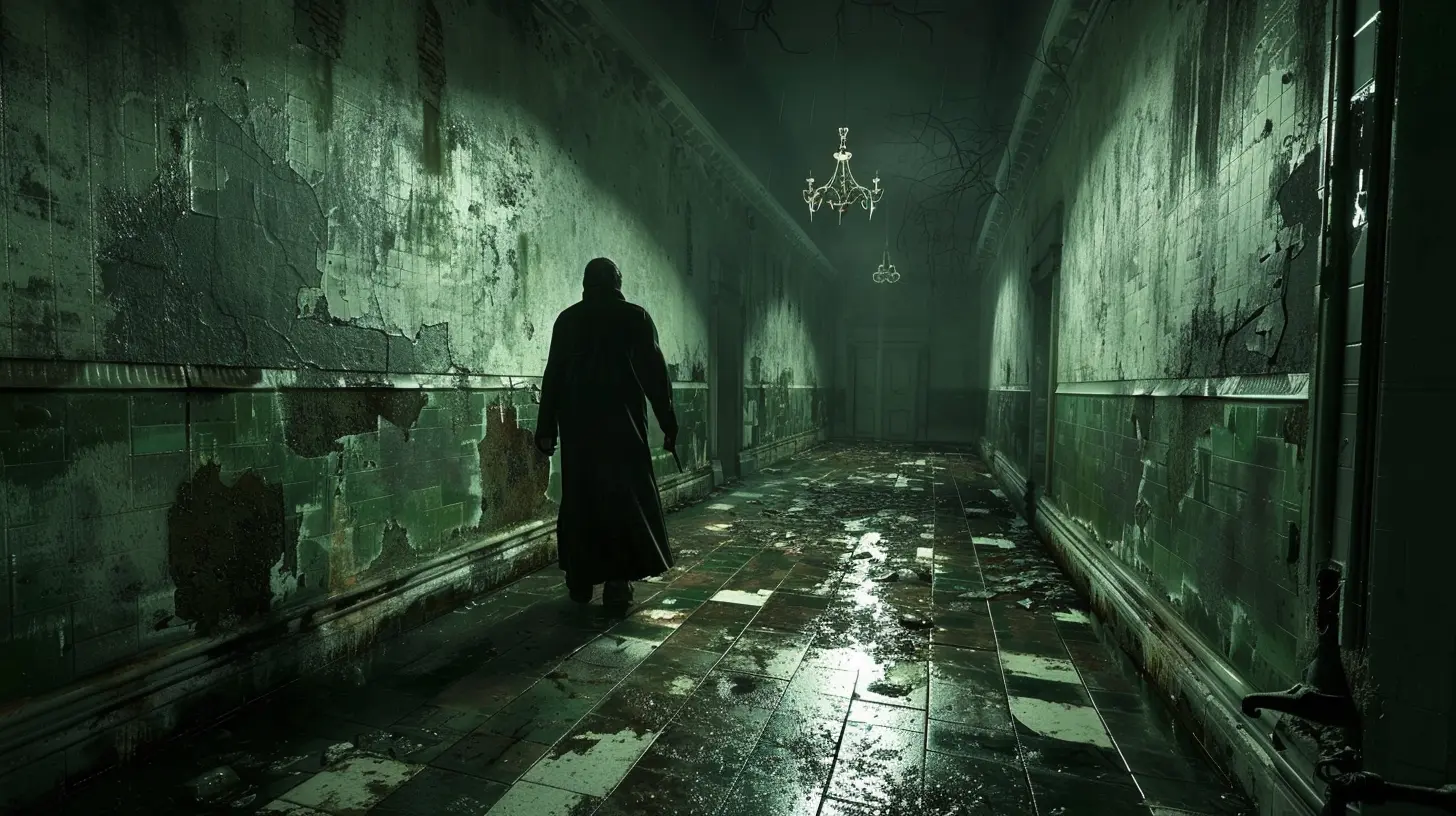
A Quick Look Back: The State of Horror Games in the Early 2010s
Let’s rewind to around 2013. At the time, horror games had a solid fan base but weren’t exactly at the forefront of the gaming scene. Franchises like Resident Evil and Silent Hill were big names, but survival horror was kind of in a weird spot. Resident Evil 6, for example, leaned more into action than horror, and players weren’t thrilled. The genre seemed to be losing its identity.But then, indie developers stepped in with fresh ideas. Amnesia: The Dark Descent (2010) had already shaken things up by removing combat entirely, forcing players to run or hide instead of fight. This trend continued into the next decade and helped reshape the core of what horror games could be.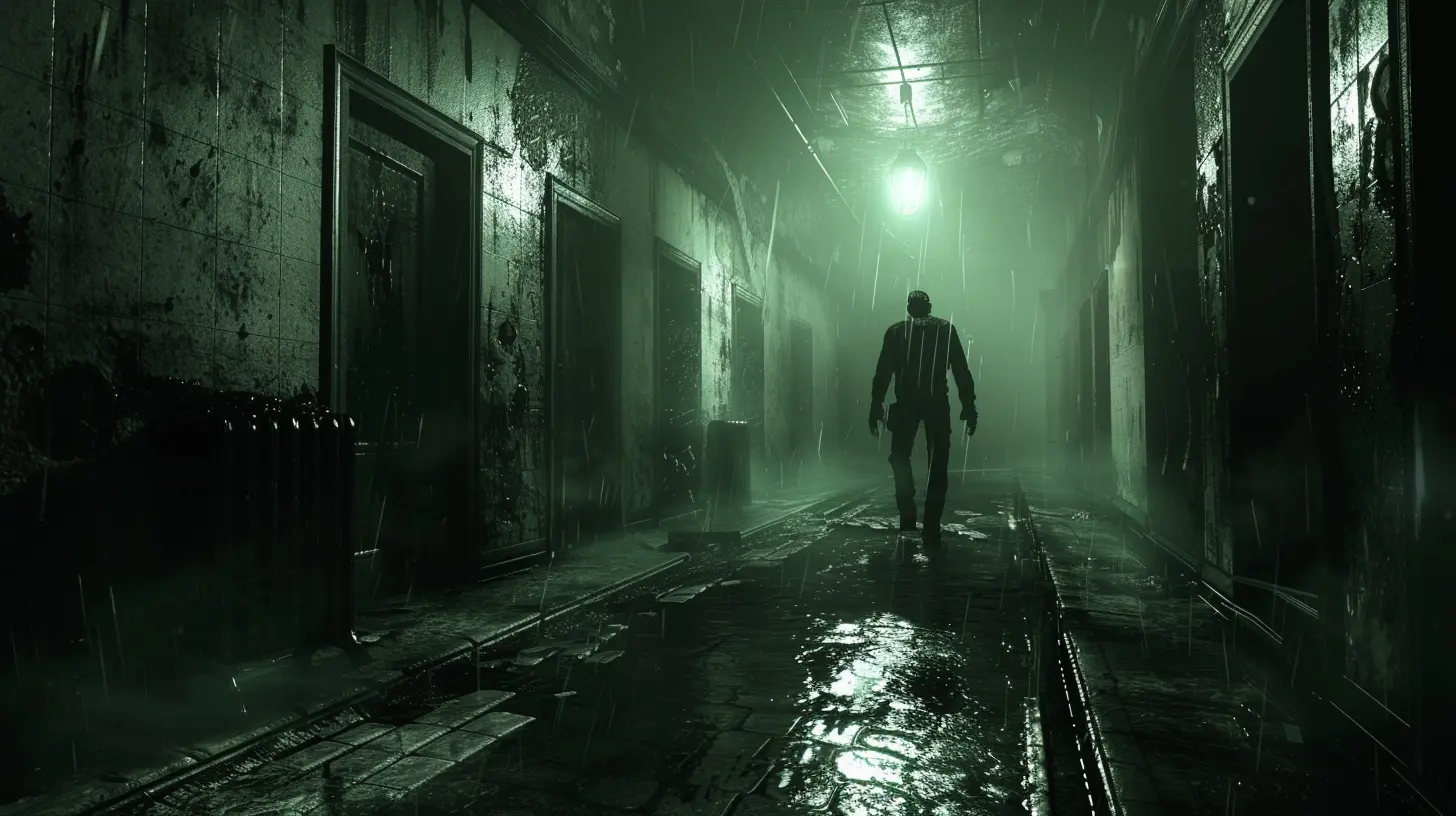
The Rise of Indie Horror: Less Budget, More Fear
When we think of horror games today, we can’t ignore the massive impact of indie studios. Titles like Outlast, Layers of Fear, and Five Nights at Freddy’s proved that you don’t need a blockbuster budget to terrify players. These games focused heavily on psychological fear and atmosphere rather than gore or action.Why It Worked So Well
Indie developers had something to prove, and they leaned into creativity hard. They exploited minimalism—because sometimes, not seeing the monster is much scarier than facing it head-on. Think about walking through a pitch-black hallway, hearing your own breathing in your headphones. You don’t see the danger, but it’s there, lurking. That’s the power of less-is-more, and indie devs mastered it.YouTube and Streaming Fuel the Fire
Let’s not forget the YouTube effect. When Five Nights at Freddy’s dropped in 2014, it blew up partly thanks to reaction videos. Watching someone scream in terror made horror games fun again—ironically because of the laughs that followed the screams. Streamers helped market these games in a way trailers never could.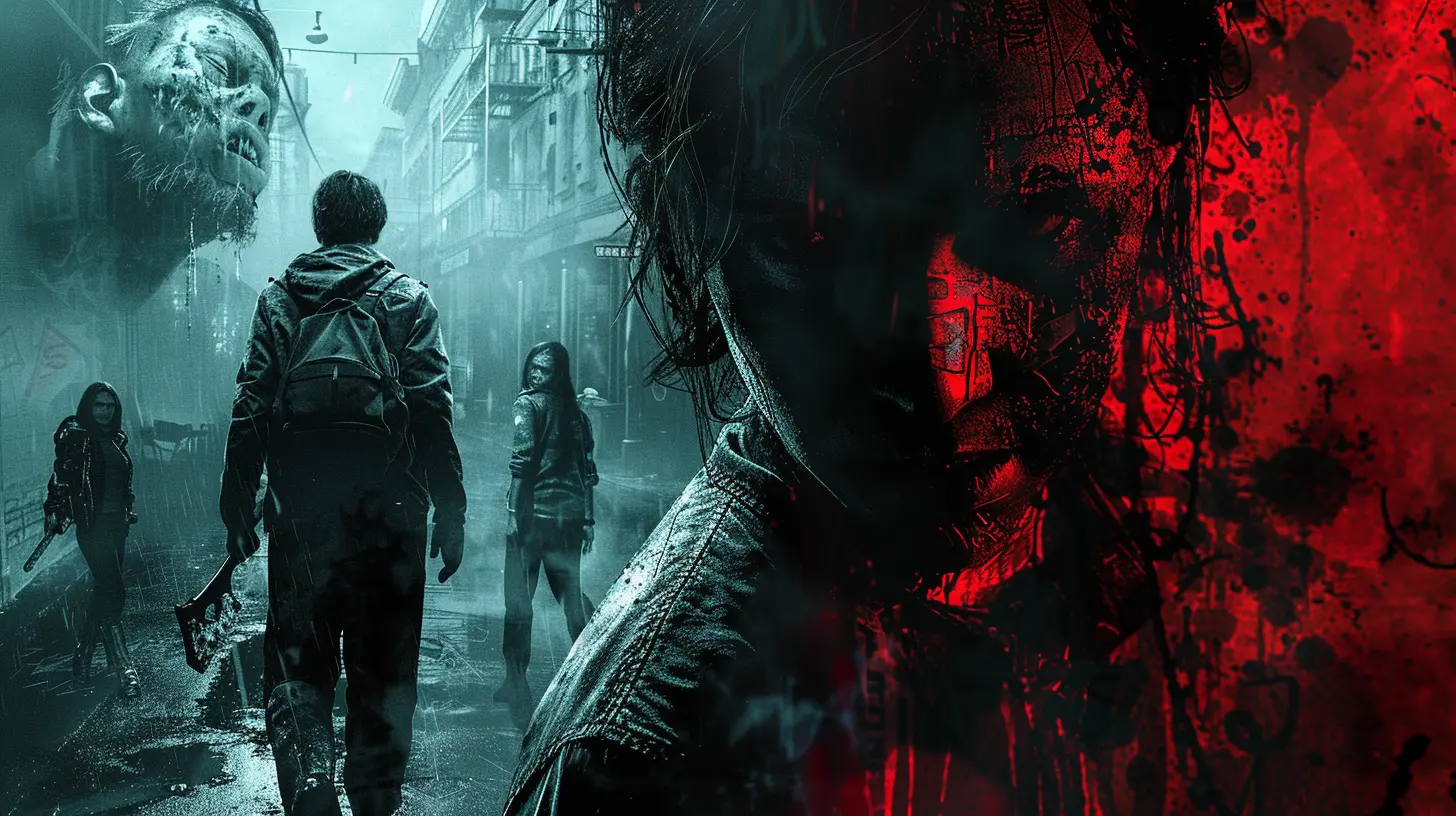
A Return to Roots: Survival Horror Finds Its Footing Again
While indie horror was having its golden era, AAA studios were taking notes. Big names like Resident Evil returned to their roots. Resident Evil 7 took a bold step by switching to a first-person perspective and focusing on isolation and dread. The creepy Baker family mansion was a far cry from the action-heavy mess of RE6, and fans were all in.Resident Evil’s Comeback
RE7 (2017) set the bar, and Resident Evil Village (2021) built on that formula with gothic horror elements, tense pacing, and a deeper narrative. More importantly, Capcom managed to strike a balance between old-school survival horror and modern gameplay mechanics. The remakes of RE2 and RE3 also brought old fans back while pulling in new ones with upgraded graphics and gameplay.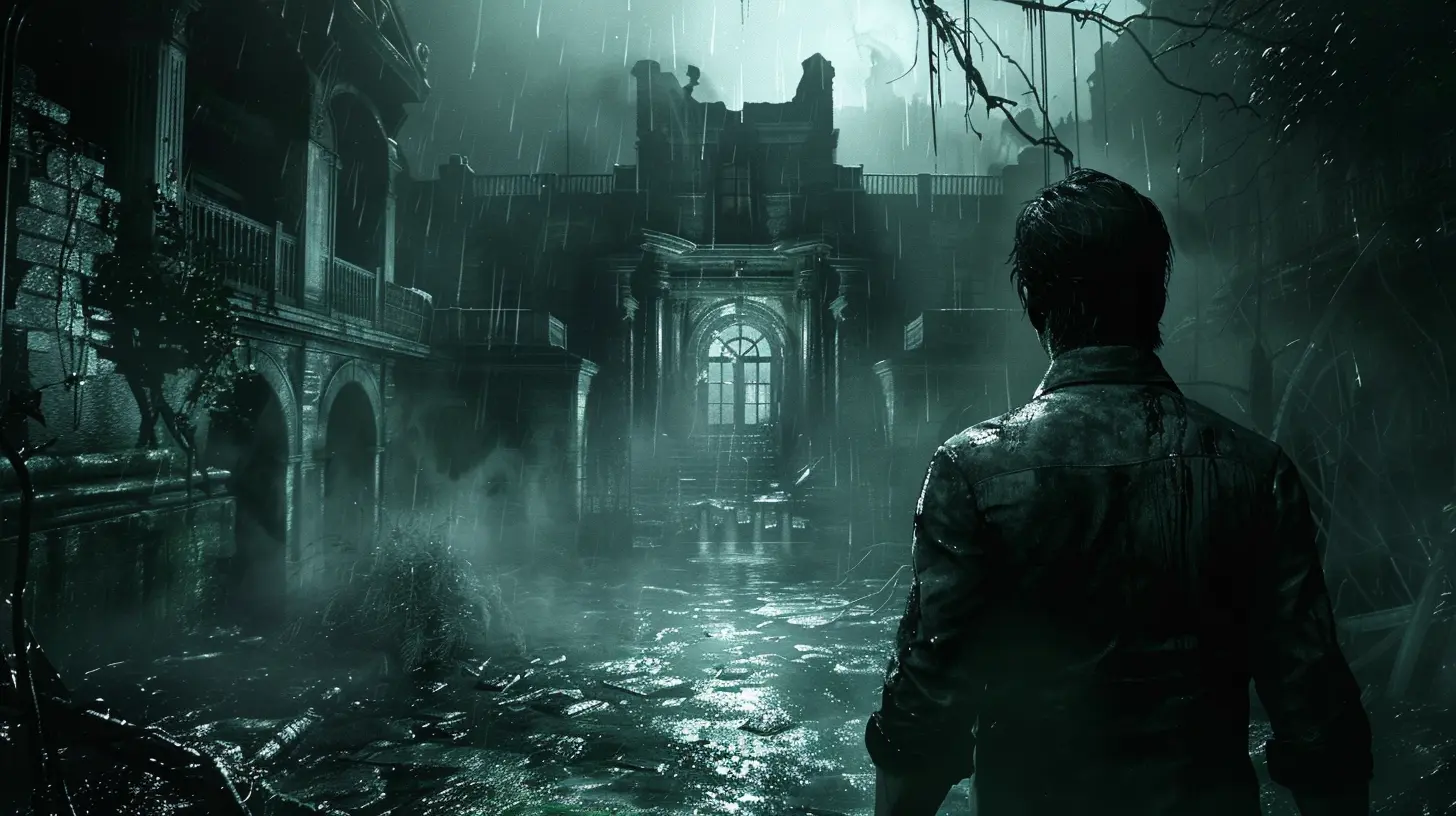
Storytelling Takes Center Stage
Another massive shift in the last decade? The storytelling. Horror games now dive deep into lore, psychology, and character development. You’re not just running from monsters—you’re uncovering mysteries and sometimes confronting your own trauma along the way.Titles That Stand Out
Games like The Evil Within, Until Dawn, and The Medium brought cinematic storytelling into the horror genre. Until Dawn, especially, gave players real choices that could impact who lived or died, blending horror with interactive drama.Then there’s Hellblade: Senua’s Sacrifice (2017), which tackled mental health through a disturbing, mythological lens. The voices in your head weren’t just part of the horror—they were the horror. It blurred the lines between supernatural and psychological, making you question what was real.
VR Horror: Stepping Inside the Nightmare
Let’s talk immersion. VR (Virtual Reality) took horror to a whole new level—literally. When games like Resident Evil 7 or Phasmophobia are experienced in VR, it’s not just scary, it’s traumatizing (in both the best and worst ways).VR horror forces you to be physically present in terrifying situations. There's no hiding behind a screen. You're inside the haunted house, hearing footsteps behind you, feeling the tension in your gut. It’s like stepping into a horror movie—only you're the main character.
Popular VR Horror Titles
- Resident Evil 7 VR Mode- Phasmophobia
- The Exorcist: Legion VR
- Affected: The Manor
Each of these VR experiences manages to turn claustrophobia, fear of the dark, and jump scares up to eleven.
Multiplayer Horror: Screaming With Friends
Horror used to be a solitary experience. You, alone, with your controller and your fears. But now, multiplayer horror games are trending, and they’re both terrifying and hilarious.Co-op Meets Creepy
Games like Dead by Daylight, Phasmophobia, and Devour have redefined how we play horror. These titles let you team up with friends (or strangers) to survive haunted houses, escape killers, or exorcise demons. And let’s be honest, getting chased by a killer is scary—but hearing your best friend scream over voice chat? That’s gold.The beauty of multiplayer horror is the unpredictability. AI can be scary, sure, but human behavior? Terrifying.
Evolving Mechanics and Smarter AI
Let’s dig into something techy but cool: the way horror games are getting smarter. Developers aren't just making scarier visuals—they’re building better brains behind the scares.Adaptive AI
Remember Alien: Isolation? That game deserves a shout-out. The xenomorph in that title wasn’t scripted. It learned. It adapted. You couldn’t rely on patterns—you had to genuinely hide and hope. That made the fear feel real.Other titles are using this type of AI to keep the player on edge, making games less predictable and more intense.
Environmental Storytelling and Immersion
New horror games don’t always rely on cutscenes. They let the environment tell the story—bloodstains, eerie recordings, haunting artwork. It’s about piecing things together, making the game world feel alive (and haunted, obviously).Psychological Horror Over Shock Value
One massive trend we’ve seen grow? Developers are leaning into psychological horror over cheap jump scares. Games like Soma, Observer, and Inside mess with your head instead of just your pulse.These games explore existential fears: identity, reality, consciousness, and isolation. It’s not about what’s chasing you—it’s about the dread of what you might become, or what you’re forced to do. That’s the kind of horror that lingers way after the controller is down.
Mobile and Cloud Gaming: Horror on the Go
Even mobile games have dipped into horror, with titles like Eyes, Endless Nightmare, and Dead by Daylight Mobile delivering decent scares on smaller screens. And as cloud gaming platforms like Xbox Cloud and NVIDIA GeForce Now grow, more horror games are becoming accessible anywhere, anytime.Just imagine playing a haunted asylum game during your commute. Maybe not the best timing.
Looking Ahead: What’s Next for Horror Games?
So, where is the horror genre headed? If trends continue, we can expect:- Even more immersive VR experiences
- AI-driven horror that reacts dynamically
- Cross-platform multiplayer scares
- Deeper, more complex narratives
- Integration with haptic feedback (feel the heartbeat, the tremors… the terror)
And with tech like Unreal Engine 5 making everything look cinematic, the line between game and movie is blurring fast. One thing’s for sure: we’re going to be scared in brand-new ways.
Final Thoughts
The last decade has been a wild ride for horror games. From indie breakouts to AAA comebacks, from action-heavy shooters to quiet, psychological dread—horror has evolved into one of the most versatile and engaging genres in gaming.Whether you live for jump scares, deep stories, or screaming with friends, horror games today offer something for every kind of fear-junkie. And honestly? That’s the best kind of terrifying.
So the next time you boot up a horror title, take a moment to appreciate just how far we’ve come. Then, turn off the lights, crank the volume, and let the fear begin.
all images in this post were generated using AI tools
Category:
Game Reviews ArchiveAuthor:

Madeleine McCaffrey
Discussion
rate this article
2 comments
Zeth Henderson
The evolution of horror games over the last decade has been nothing short of remarkable. Innovations in storytelling, immersive gameplay, and advanced graphics have transformed the genre, captivating players like never before. It's an exciting time for horror enthusiasts—prepare for even more spine-chilling experiences ahead!
February 16, 2026 at 4:24 AM
Madeleine McCaffrey
Thank you! I completely agree—it's thrilling to see how far horror games have come, and the future holds even more promise for immersive and terrifying experiences.
Solara McFee
Great article! It’s fascinating to see how horror games have evolved and how they continue to captivate players.
February 9, 2026 at 3:52 PM
Madeleine McCaffrey
Thank you! I'm glad you enjoyed it. The evolution of horror games truly is captivating!