The Hidden Lore Behind Legendary Weapons in RPGs
22 December 2025
Few things in the world of Role-Playing Games (RPGs) are as iconic and captivating as legendary weapons. These aren’t your run-of-the-mill swords or staffs you stumble across in the tutorial zone. Oh no, these weapons are dripping with mystery, forged in mythical fires, and often tied to the fates of empires, gods, or ancient civilizations. They’re not just tools for hacking and slashing—they’re key story elements, symbols of power, and sometimes even characters in their own right.
But have you ever stopped to think about the lore behind these legendary armaments? Why does every hero, villain, and random NPC bard wax poetic about them? Buckle up, because we’re diving deep into the hidden lore behind legendary weapons, uncovering how they shape narratives, reflect cultural myths, and hook players like you and me into the world of RPGs.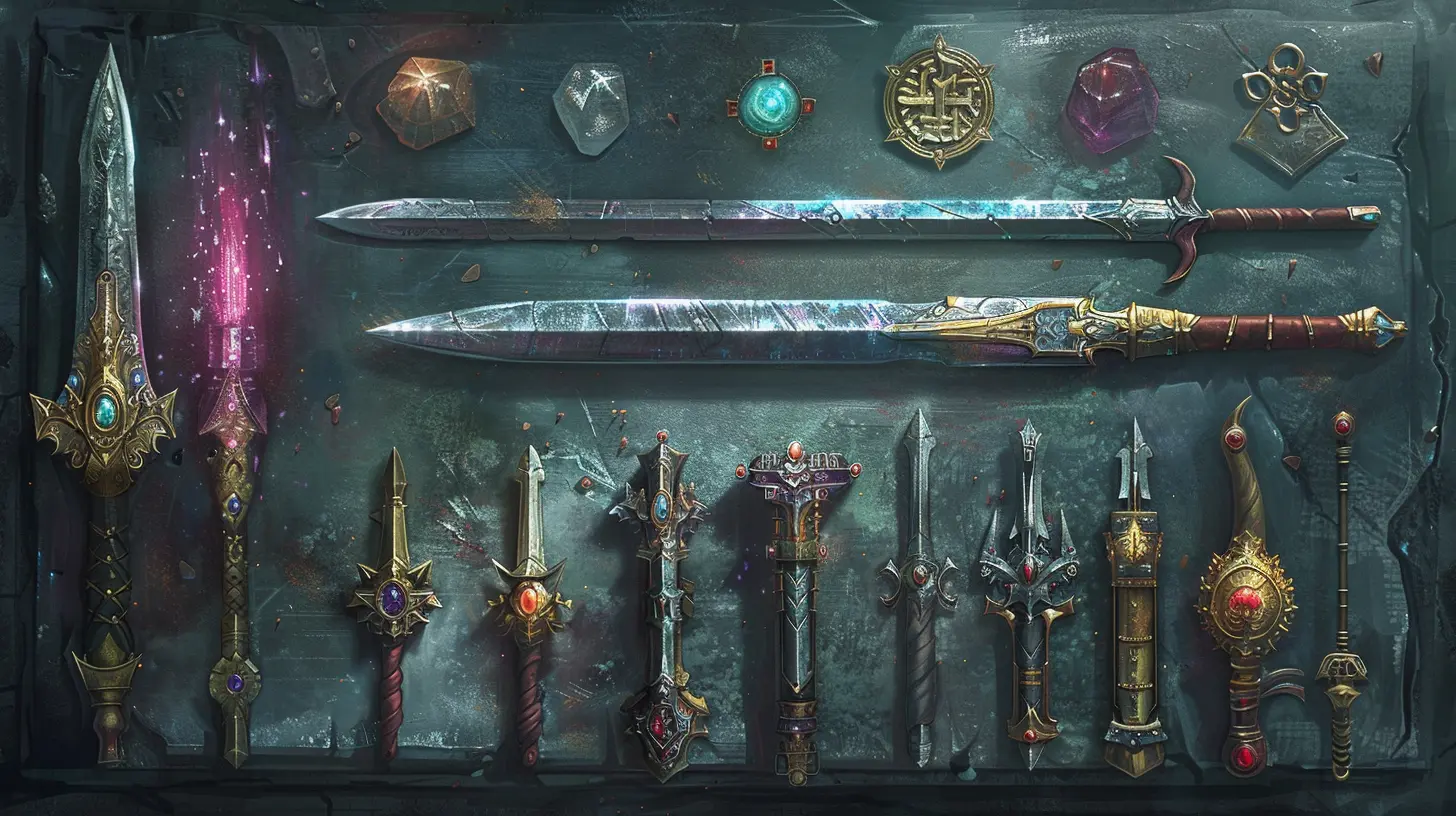
What Makes a Weapon "Legendary"?
First off, let’s get one thing straight: not every shiny sword with a +10 attack bonus counts as legendary. A weapon needs more than high stats to earn that title. A legendary weapon stands out because it tells a story. It has a past, a purpose, and sometimes even a personality.Think about the Master Sword from the Legend of Zelda series. Is it powerful? Absolutely. But what makes it legendary is its narrative weight. It’s not just a sword; it’s a blade forged by the gods, destined to vanquish evil. It connects Link to the larger lore of Hyrule and plays a pivotal role in the eternal struggle between light and darkness.
In other words, legendary weapons aren’t just gear—they’re storytellers. 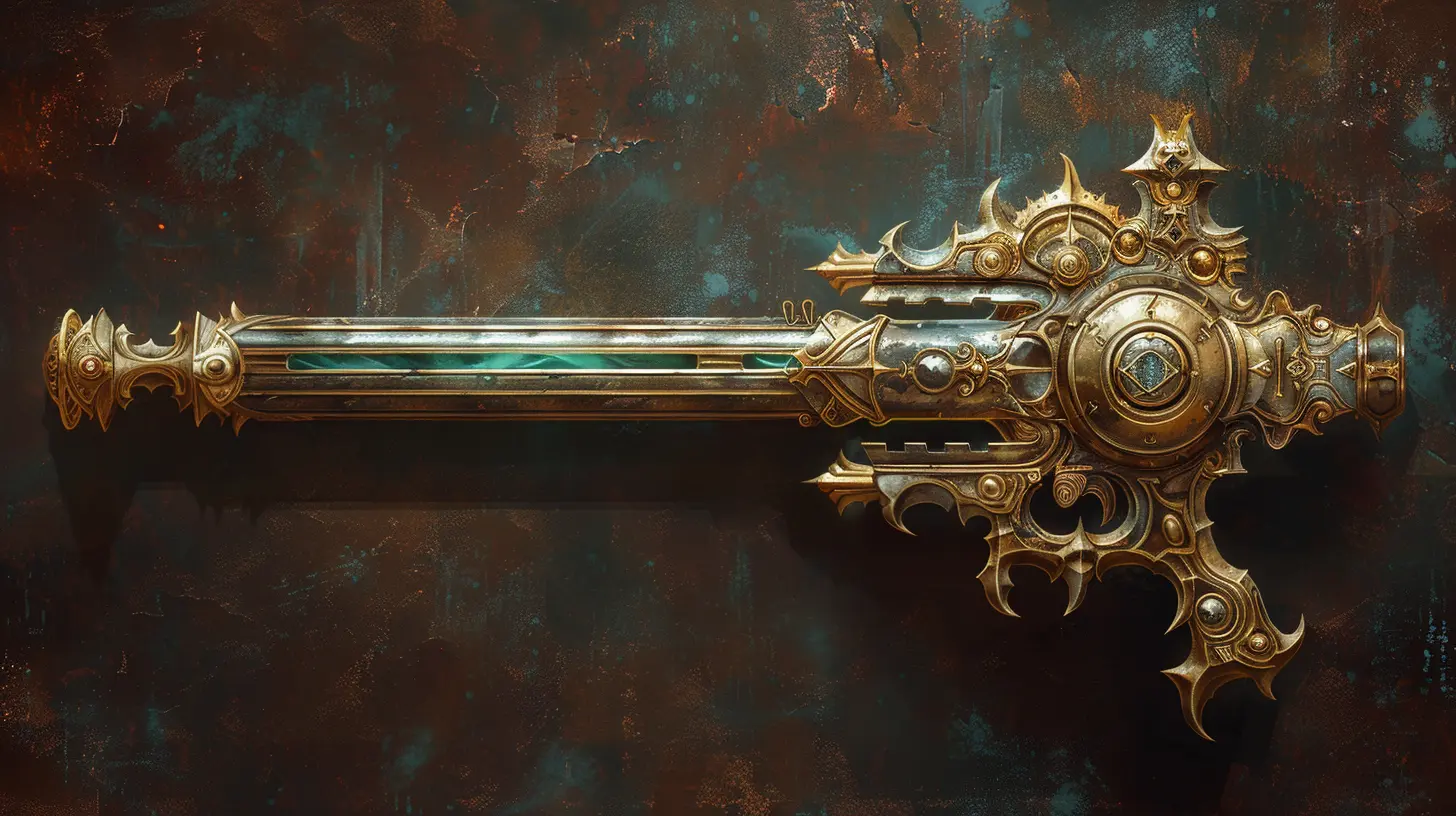
Mythology as the Blueprint for Legendary Weapons
Let’s not kid ourselves: RPG developers borrow heavily from mythology when creating their iconic weapons. And honestly, can you blame them? Mythology is full of epic weapons that practically scream “legendary.”Take Thor’s hammer, Mjolnir, for example. In Norse mythology, this isn’t just a tool for smashing giants—it's a symbol of Thor’s identity, power, and connection to Asgard. Sound familiar? That same idea has been adapted countless times in games. Just look at God of War (2018), where Kratos’ Leviathan Axe echoes Mjolnir’s mythical roots, complete with frost powers and a “boomerang” vibe when you throw it.
Or consider Excalibur, King Arthur’s legendary sword. It’s not just a blade; it’s a divine artifact, proof that Arthur is the rightful king of Britain. Fast forward to games like Final Fantasy XV or Assassin’s Creed Valhalla, and you’ll see Excalibur—or weapons heavily inspired by it—woven into their narratives. Developers use these mythological templates because they resonate. They make a weapon feel timeless and, dare I say, epic. 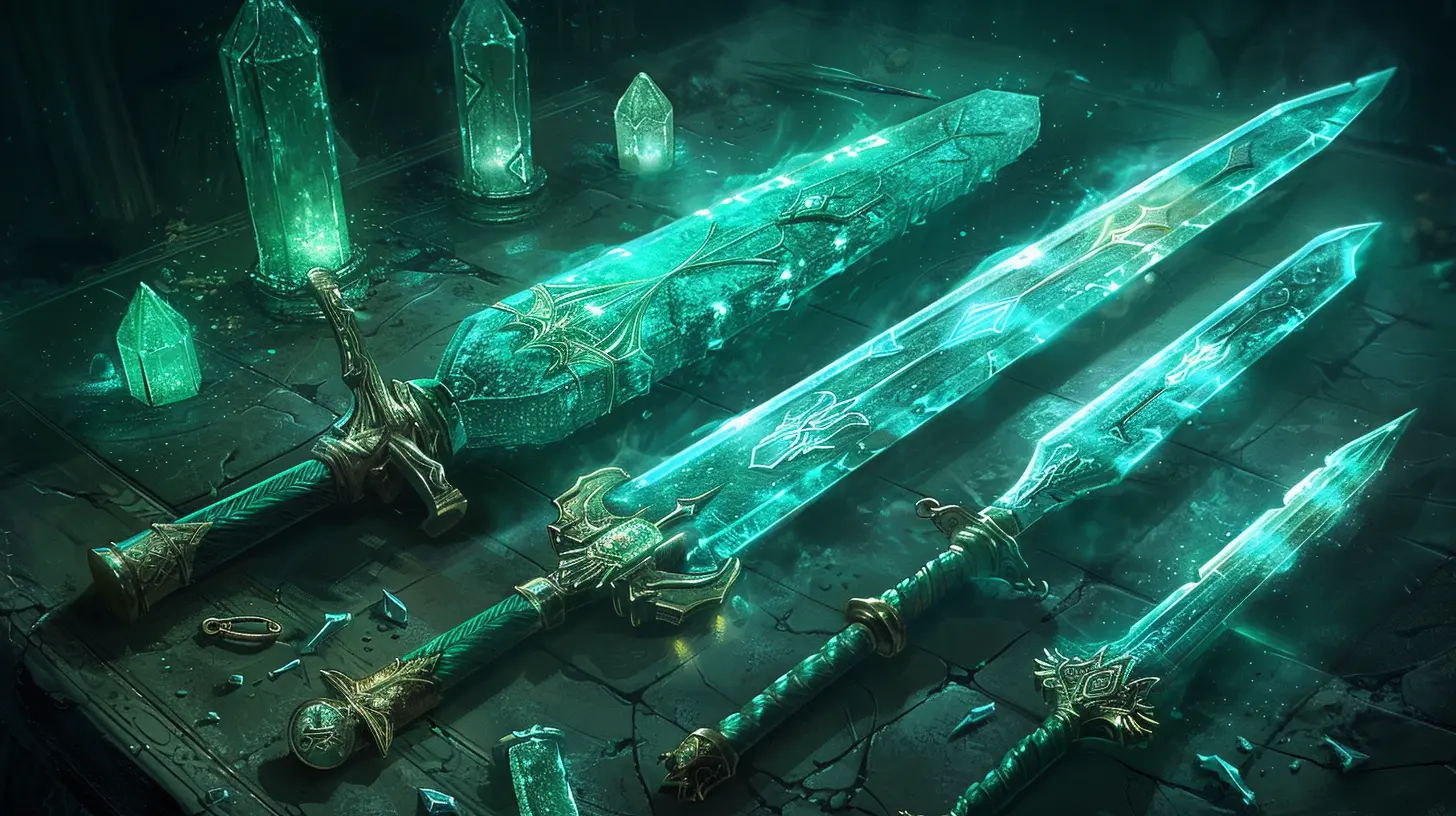
How Legendary Weapons Drive Storytelling
Ever noticed how many RPGs revolve around the quest for a legendary weapon? That’s no accident. Developers often use these weapons as anchors for their narratives. Let me break it down:The Hero’s Journey, Weapon Edition
In classic storytelling, the hero’s journey typically involves a meaningful item that helps the protagonist overcome their challenges. In RPGs, this is often the legendary weapon.Take The Witcher 3: Wild Hunt and Geralt’s silver sword. While not officially labeled as “legendary,” its role in slaying monsters goes beyond mere functionality. The game’s lore emphasizes the sword’s necessity, tying it directly to Geralt’s identity as a Witcher. The weapon becomes a reflection of Geralt’s duty, struggles, and victories.
Weapons as Puzzles
Legendary weapons aren’t just handed to you on a silver platter, either. They’re often locked behind elaborate quests, puzzles, or moral dilemmas. This mechanic serves a dual purpose:1. It gives the weapon more weight—if you worked hard to earn it, you care about it more.
2. It deepens the lore—because each quest you complete to obtain the weapon reveals more about its origins.
Remember Frostmourne from World of Warcraft? That sword didn’t just come with a “Congrats!” screen; its acquisition marked a pivotal moment in the game’s lore. The prince-turned-antihero, Arthas, claimed the blade at the cost of his soul, transforming into the Lich King. The weapon wasn’t just a game-changer—it was a story-changer. 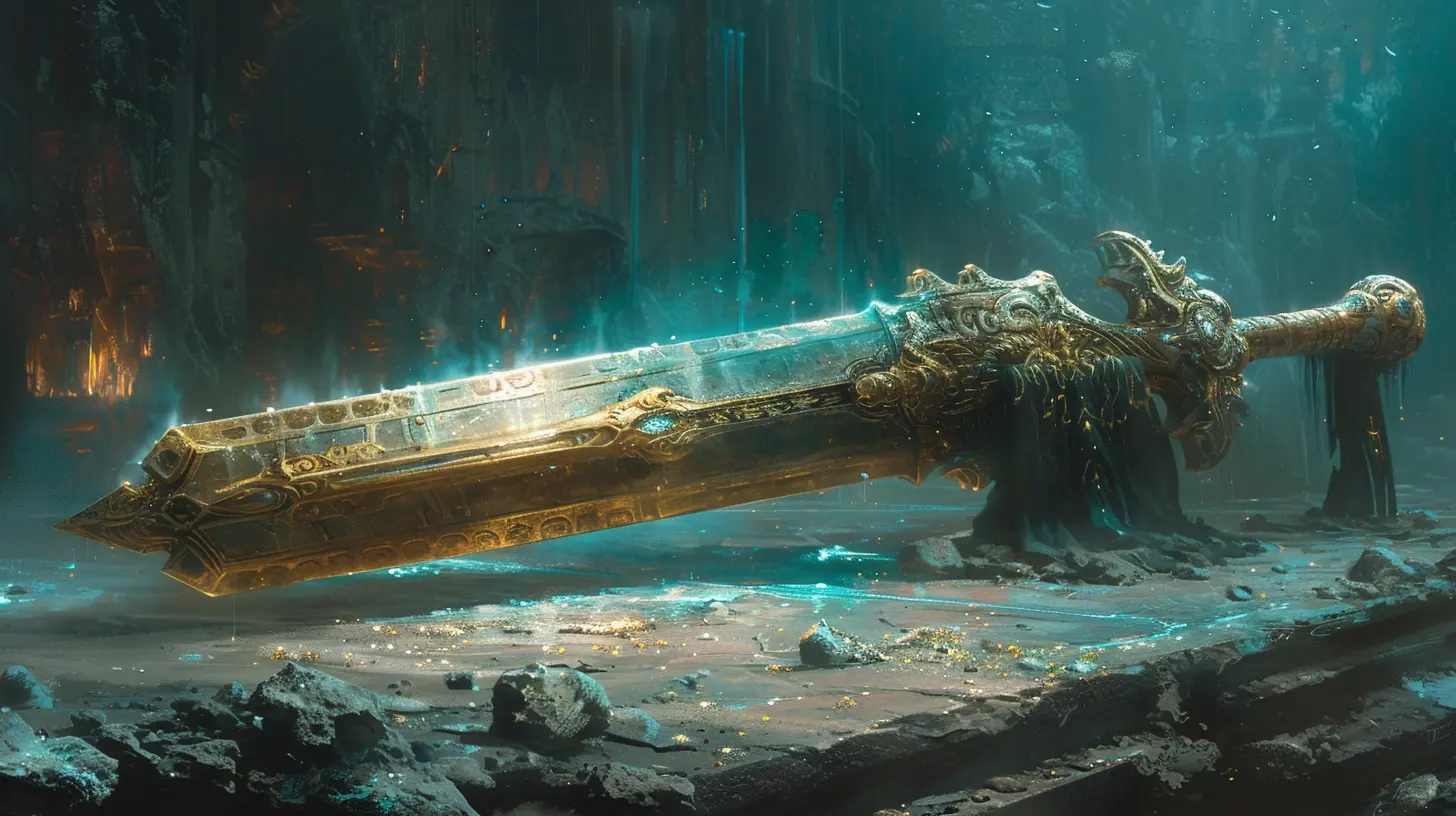
Do Legendary Weapons Reflect Our Real-World Myths?
Okay, pause for a second. Have you ever wondered why we, as players, are so obsessed with legendary weapons in the first place? Why do we feel a rush every time we loot that glowing sword from a dragon’s hoard?It boils down to humanity’s innate fascination with objects of power. Throughout history, real-world legends and myths have told tales of swords that could split mountains (Kusanagi-no-Tsurugi in Japanese lore) or spears that never miss their target (Gungnir from Norse mythology). These stories endure because they tap into universal themes of strength, destiny, and sacrifice.
RPGs exploit this same psychological hook. By tying their legendary weapons to deep, intricate lore, they make us feel like we’re part of something bigger. When you wield a weapon like Grasitha in Divinity: Original Sin 2, you’re not just stronger in-game; you’re carrying a piece of that world’s history, a relic that connects you to its deepest mysteries.
Do Legendary Weapons Always Live Up to the Hype?
Here’s the thing, though—sometimes legendary weapons don’t hit the mark. (Pun intended.) There are times when they’re overhyped, underwhelming, or downright impractical.Raise your hand if you’ve ever slogged through a grueling quest, only to get a legendary weapon with average stats or abilities that felt...meh. Yep, we’ve all been there. Final Fantasy XII, I’m looking at you and your Zodiac Spear. The effort-to-reward ratio for some legendary weapons can sometimes feel like a bad joke.
But even when the gameplay mechanics fall flat, the lore often saves the day. The weapon’s backstory can still make you want to wield it, even if it’s not your go-to choice in combat. It’s like wearing an uncomfortable pair of shoes because they look cool. Functionality? Optional. Style? Mandatory.
The Future of Legendary Weapons in RPGs
Let’s talk about where we’re headed. As RPGs evolve, so do their legendary weapons. We’re seeing more developers push the boundaries, creating weapons that feel reactive, personalized, and, frankly, alive.Take Elden Ring’s Sword of Night and Flame. This weapon doesn’t just sit in your inventory like a brick; it offers unique gameplay mechanics that combine swordplay and magic. When you use it, it feels legendary, and the lore behind it complements its game-breaking power.
And don’t even get me started on AI-driven narratives. Imagine an RPG where your weapon adapts to your choices, forging (pun fully intended) its own legend based on how you play. The possibilities are mind-blowing.
Why Legendary Weapons Keep Us Coming Back
At the end of the day, what makes legendary weapons so compelling is their ability to connect us to the game world. They immerse us, challenge us, and make us feel like we’re wielding something extraordinary. They’re not just blades or bows—they’re pieces of history, wrapped in mystique, and sharpened by stories.So the next time you pick up a legendary weapon in your favorite RPG, take a moment. Examine its design, read its lore, and think about the journey it took to land in your hands. Odds are, it’s more than just a hunk of pixels—it’s a testament to the creativity and passion that makes RPGs unforgettable.
all images in this post were generated using AI tools
Category:
Legendary ItemsAuthor:

Madeleine McCaffrey
Discussion
rate this article
3 comments
Simone McAllister
Ever wondered if magical swords have existential crises? I mean, they’re legendary, but do they ever wish for a cozy life on a shelf? #WeaponWoes
April 7, 2026 at 4:31 AM
Madeleine McCaffrey
That's an interesting thought! Legendary weapons might yearn for a break from battle, but their purpose often gives them meaning. Perhaps their legends keep them alive in spirit, even on a cozy shelf!
Zane Brown
What a fascinating exploration! The depth of lore behind legendary weapons adds so much richness to RPGs. It's amazing how these stories enhance our connection to the game world. Great read!
December 29, 2025 at 3:45 AM
Madeleine McCaffrey
Thank you! I'm glad you enjoyed the exploration of the lore—it's incredible how these stories truly deepen our immersion in RPGs!
Christopher Dillon
Great insights! I love how you explored the lore behind these legendary weapons. It really enhances the gaming experience. Could you also dive deeper into how stories shape player connection to these items?
December 25, 2025 at 4:55 PM
Madeleine McCaffrey
Thank you for your feedback! Absolutely, stories create emotional ties to legendary weapons, making players feel invested in their journeys and experiences. I'll consider exploring this connection further in future articles!