The Impact of Storytelling in Stealth Adventures
21 August 2026
Ah, stealth games—the virtual playgrounds where patience is a virtue, shadows are your best friend, and knocking someone out with a banana peel somehow feels morally justified. But beyond the sneaky attacks and carefully timed crouch-walking, there’s a sneaky little hero that often gets overlooked: the story.
Yep, storytelling in stealth adventures isn’t just window dressing. It’s the secret sauce that turns a “meh” mission into a heart-pounding epic and gives purpose to all that sneaking around in ventilation ducts. So grab your invisibility cloak (or just your hoodie), and let’s dive headfirst into how storytelling shapes these shadowy adventures.
Why Storytelling Is the Ultimate Infiltration Tool
Let’s start with the obvious: stealth adventures aren’t just about avoiding detection—they're about feeling like you're part of something bigger. Without a compelling narrative, you’re just a weirdo crouching behind a box for 17 minutes straight waiting for a guard to turn around.Think of storytelling as your invisible ally. It’s the voice in the earpiece telling you why you're risking it all. Instead of just doing things, you’re doing things for a reason, and that reason can make sneaking past a laser grid feel like saving the world (because... sometimes, it is).
Turning Tension Into Theater
Good stealth games don’t just rely on tight mechanics. They thrive on tension. And no, I’m not talking about the tension of not farting while hiding in a locker (although, respect if you’ve managed that). I mean narrative tension—the kind that makes your palms sweaty and your moral compass shaky.Ever played a mission where if you get caught, the villain vaporizes a puppy shelter? That’s storytelling at work, raising the stakes. It turns your quiet footsteps into a symphony of suspense. You're not just playing a game—you’re performing a one-person Broadway show called “Operation: Don’t Get Caught.”
Character Development: From Lurker to Legend
Let's be honest, it's a bit weird to root for someone who spends 95% of their life behind crates. But add a backstory? BAM—you’re emotionally invested.Characters like Garrett from Thief, Sam Fisher from Splinter Cell, or even Agent 47 from Hitman become more than pixelated prowlers. They have motivations, regrets, and personalities that stretch beyond their night-vision goggles. Give them a moral dilemma or a sarcastic voiceover, and suddenly, you’re not just playing—you're roleplaying.
It's the same psychological trick that makes people cry during animated movies. If WALL-E can make you sob over a rusty robot, a stealth game protagonist with a tortured past can certainly make you rethink those chokeholds.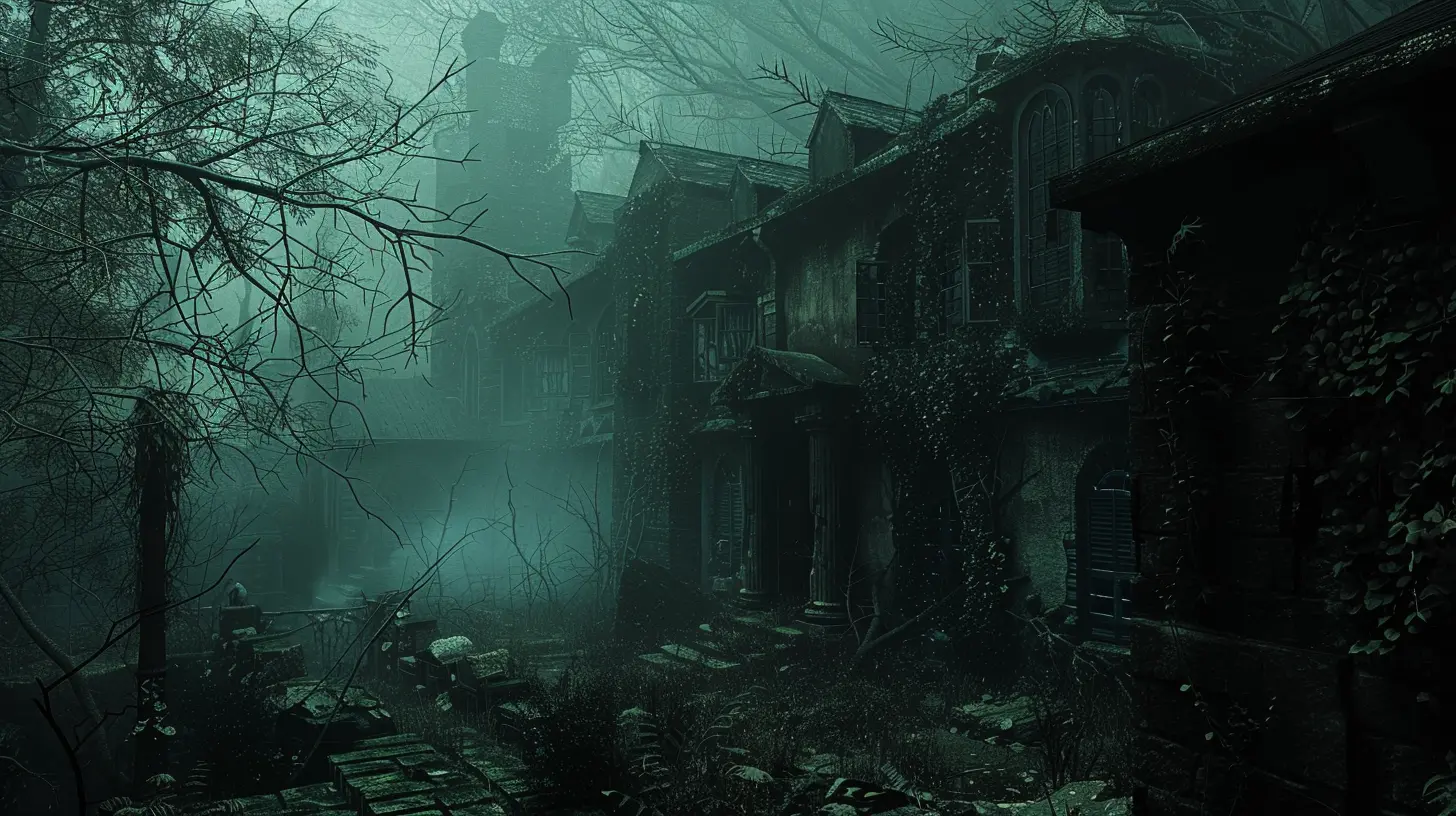
World-Building That Whispers
The environments in stealth adventures aren’t just cleverly laid-out obstacle courses—they tell stories too. Great level design drops subtle narrative breadcrumbs, and as a player, you become a kind of digital detective. Think of it like mise-en-scène in a movie—every overturned chair or conveniently unplugged security camera says, “Something went down here.”Games like Dishonored, Deus Ex, and Metal Gear Solid are absolute masters of this. Peek into any random room or access a hidden terminal, and you'll get a slice of the world’s backstory. And let’s be real—who doesn’t love feeling like an elite secret agent and a part-time librarian?
Emotional Engagement: The Stealthy Tearjerker
You didn’t cry when that side character betrayed you at the climax of the mission?Liar. I saw the single tear roll down your cheek.
Storytelling injects emotions into stealth gameplay. Whether it's guilt, anger, or bittersweet victory, these feelings root you deeper into the experience. It's what makes you replay a mission, not for a better rank, but to see the story from a different angle.
It's basically emotional stealth. The feels creep in without you noticing—until it's too late, and you're ugly crying over some pixelated companion who never even had a voice actor.
Plot Twists: The Unseen Assassins
Plot twists in stealth games are like a guard you thought was knocked out—until he wakes up and punches you square in the stealthy face. But instead of breaking immersion, these twists often build it.Good stories keep you guessing. One minute you're infiltrating a facility to find “the truth,” and the next you're questioning what truth even means. Maybe the agency you work for sucks. Maybe the villain makes too much sense. Maybe YOU'RE the villain. Surprise!
These unexpected narrative turns keep things spicy, and let’s be honest—stealth players live for surprises. As long as it’s not a surprise grenade.
Morality and Choices: The Grey Areas of Sneaky Decisions
Stealth games often present moral choices, and the story drives those decisions home. Do you silently take out the corrupt CEO or just steal the damning files and let karma handle it? Do you play as pacifist ghost or trigger-happy ninja?Storytelling gives these actions context and weight. Suddenly every action matters. Knock someone out and leave them by the copier? That might come back to haunt you. Or not. Either way—you care, because the story made you care.
Humor: The Silencer of Stale Gameplay
Who says stealth games have to be all doom and gloom? Injecting a bit of humor through story dialogue or quirky NPCs keeps the pacing tight and the tone fresh.Games like Hitman lean into dark comedy—ever smother someone with a novelty pillow? Of course you have. It's outrageous and oddly satisfying. The story doesn’t just allow it—it encourages it. Humor keeps you engaged, especially after your sixth attempt to infiltrate a mansion without triggering every alarm and grandma in the vicinity.
Case Study Time! (Fancy, Right?)
Metal Gear Solid – Hideo Kojima’s Cinematic Circus of Stealth
If storytelling was a sport, Kojima would be the undisputed world champ. Metal Gear Solid turns what could be a basic infiltration sim into a philosophical opera about war, identity, and giant nuclear mechs. The cutscenes might be longer than some movies, but the emotional layering and character depth make it all worthwhile.Basically, it's like watching “Inception” while hiding in a cardboard box.
Dishonored – A Revenge Tale with Rats and Rats of Revenge
This one’s a masterclass in revenge-based storytelling. Corvo’s journey isn’t just about slitting throats and teleporting behind guards (though that’s obviously a blast)—it's about restoring honor and navigating a plague-ridden, morally complex world. Whether you go full renegade or keep your kill count at zero, the story adapts accordingly. That's narrative stealth at its finest.How Storytelling Enhances Replayability
Here’s the thing—tight stealth mechanics get you your first playthrough. Story gets you the next five.Multiple endings, branching dialogue, secret information—good storytelling makes you want to rerun missions not just because “you missed a collectible,” but because you want to see what would've happened if you chose differently. It’s like the “choose your own adventure” books of our childhood, but with more sabotage and fewer dragons.
The Future of Stealth Stories
With AI, immersive storytelling, and next-gen graphics, the future looks sneakier than ever. Imagine stealth games where characters remember your previous choices, movies blend into gameplay, and the story actually adapts to your playstyle. We're talking dynamic dialogue trees, procedurally generated narrative arcs, and emotional beat-tracking. Yes, it’s a thing—goosebumps guaranteed.We're heading towards games where the stealth story doesn’t just play out—it reacts to you. Creepy, right? In the best way possible.
So, What’s the Takeaway?
Storytelling in stealth adventures is like the classy poison hidden in the champagne. You might not notice it at first, but it will absolutely change your night.It’s what transforms your character from an empty hoodie into a living, breathing (sometimes grunting) protagonist. It raises the stakes, tunes the tension, and turns linear missions into gripping personal journeys.
So next time you're hiding in a closet in a pixelated palace, remember—you're not just avoiding guards. You're living a story. And honestly? That’s the real stealth move.
Final Thoughts: The Real Magic is in the Motive
Stealth games give you the tools—storytelling gives you the reason. And when done right, that reason is enough to keep you in the shadows, hour after hour, right up until you're whispering “just one more mission” at 4 a.m.And let’s be real—if you’re going to spend your virtual life sneaking around, it might as well be for a story worth telling.
all images in this post were generated using AI tools
Category:
Stealth GamesAuthor:

Madeleine McCaffrey
Discussion
rate this article
2 comments
Bridget McCarthy
Stealth adventures thrive on storytelling, weaving tension and emotion into every shadowy corner. When players connect with characters and their struggles, the thrill of stealth becomes deeply personal. A gripping narrative transforms mere gameplay into an unforgettable journey, proving that the heart of a game lies in its story.
September 25, 2026 at 5:04 AM
Fallon Pruitt
Storytelling in stealth adventures adds depth and emotion, transforming gameplay into an unforgettable experience. It keeps us engaged, making each decision feel significant. Embrace the narrative and enjoy every moment...
August 22, 2026 at 4:30 PM
Madeleine McCaffrey
Absolutely! A compelling narrative not only enhances immersion but also elevates the stakes, making each choice impactful. It truly transforms gameplay into something memorable.