The Legend Continues: Revisiting Iconic RPGs That Shaped Gaming
8 May 2026
Ah, the sweet, nostalgic scent of a health potion and the clink of gold coins in your virtual pouch. If you've ever sunk dozens—or let’s be real, hundreds—of hours into an RPG, then you know the magic these games hold. They're not just games; they’re epic sagas that shaped our love for storytelling, character development, and… yeah, grinding for that epic loot.
In this post, we're taking a joyful stroll (or maybe a fast travel?) down memory lane to revisit the iconic RPGs that didn’t just entertain us—they defined what it meant to be a gamer.
What Makes an RPG Truly Iconic?
Before we start throwing around the names that built the genre, let’s talk about what really sets an RPG apart. Is it the story? Absolutely. The characters? 100%. The hours we spent choosing between slightly better swords? You betcha.What makes an RPG iconic, though, is its ability to stay with us. Even years after we’ve shelved the game or maxed out our characters, these worlds linger like old friends. They’re the ones we revisit not just out of nostalgia, but because they genuinely left an impact.
Alright, let’s get rolling like a good ol’ critical success on a charisma check!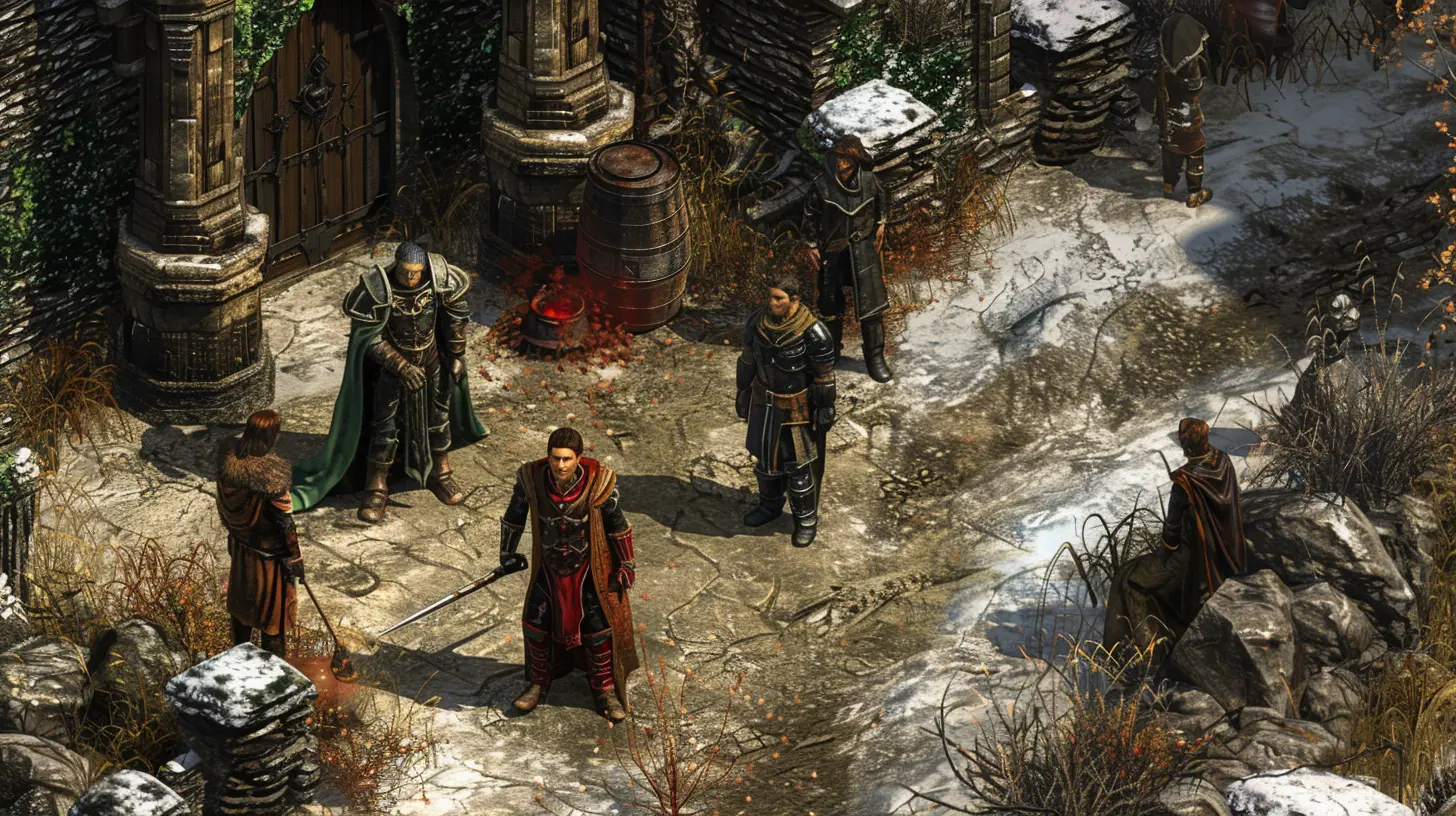
1. Final Fantasy VII – Saving the Planet, One Materia at a Time
Let’s kick things off with a bang—literally. If you’ve played Final Fantasy VII, you probably remember the unforgettable opening sequence: a train, a rebel group, and a plan to blow up a reactor.Cloud, Tifa, Aerith (RIP), and that towering beast of a man, Barret, took us on an emotional ride that rivaled any summer blockbuster. FFVII gave us sprawling cities, heartfelt character arcs, and a villain so iconic (hi, Sephiroth!) he has his own orchestral theme.
Why it shaped gaming: It proved RPGs could tell mature, cinematic stories without sacrificing gameplay. And let’s not forget—this was the game that got a whole generation excited about turn-based combat and ridiculously oversized swords.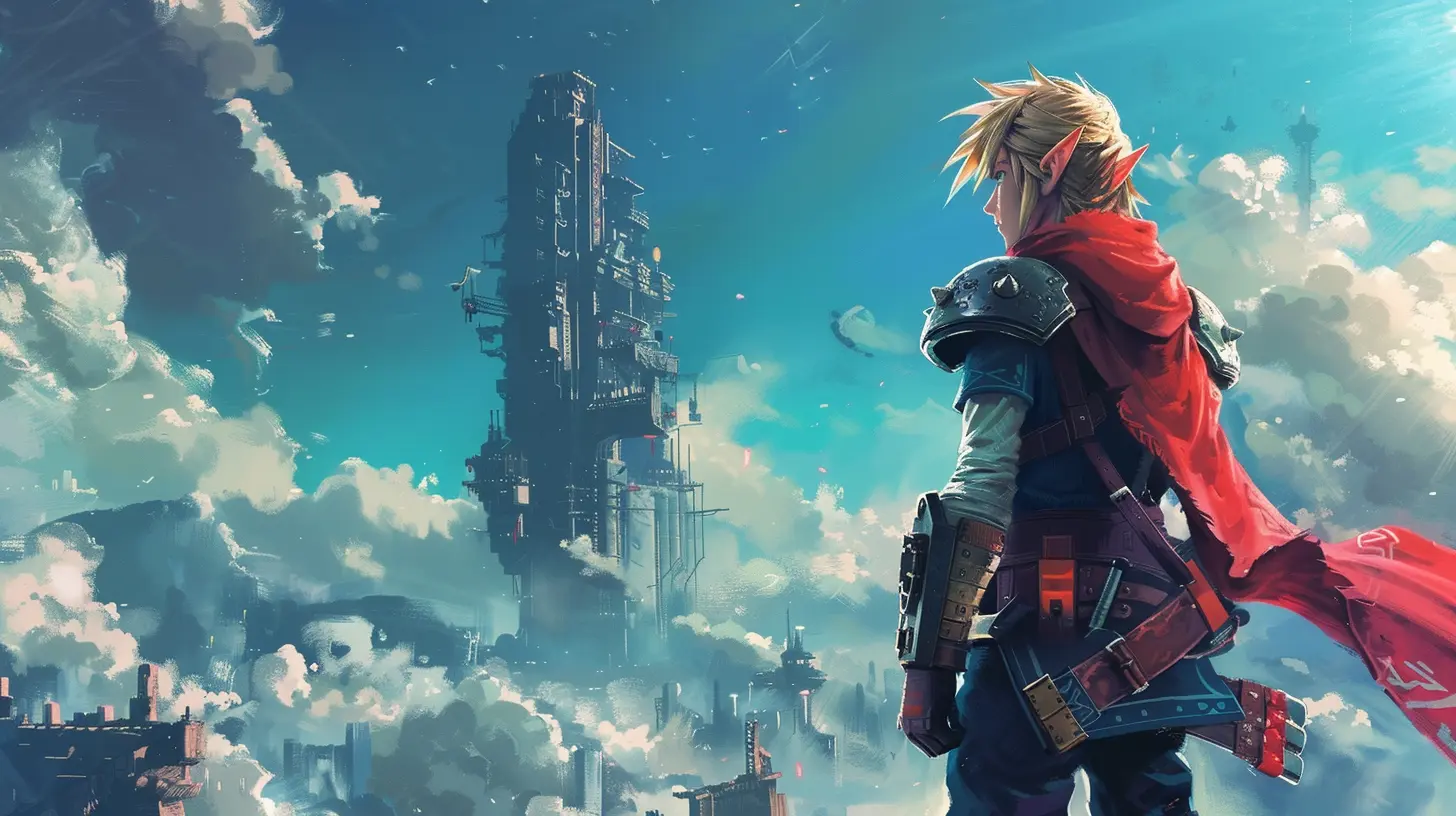
2. The Elder Scrolls III: Morrowind – Freedom Like Never Before
Before Skyrim had us shouting dragons out of the sky or Oblivion wowed us with its gates to hell, Morrowind quietly stepped onto the scene with its weird mushroom trees and even weirder NPCs.Let’s be honest—Morrowind didn’t hold your hand. Didn’t even offer a finger. No quest markers, barely any tutorial, and a combat system that could be... let’s say, hit or miss. But dang, the freedom it gave you was like being handed keys to a candy store.
Why it shaped gaming: It set the standard for open-world RPGs, letting players chart their own course. Want to be a wizard-thief-pirate-mercenary? Go nuts.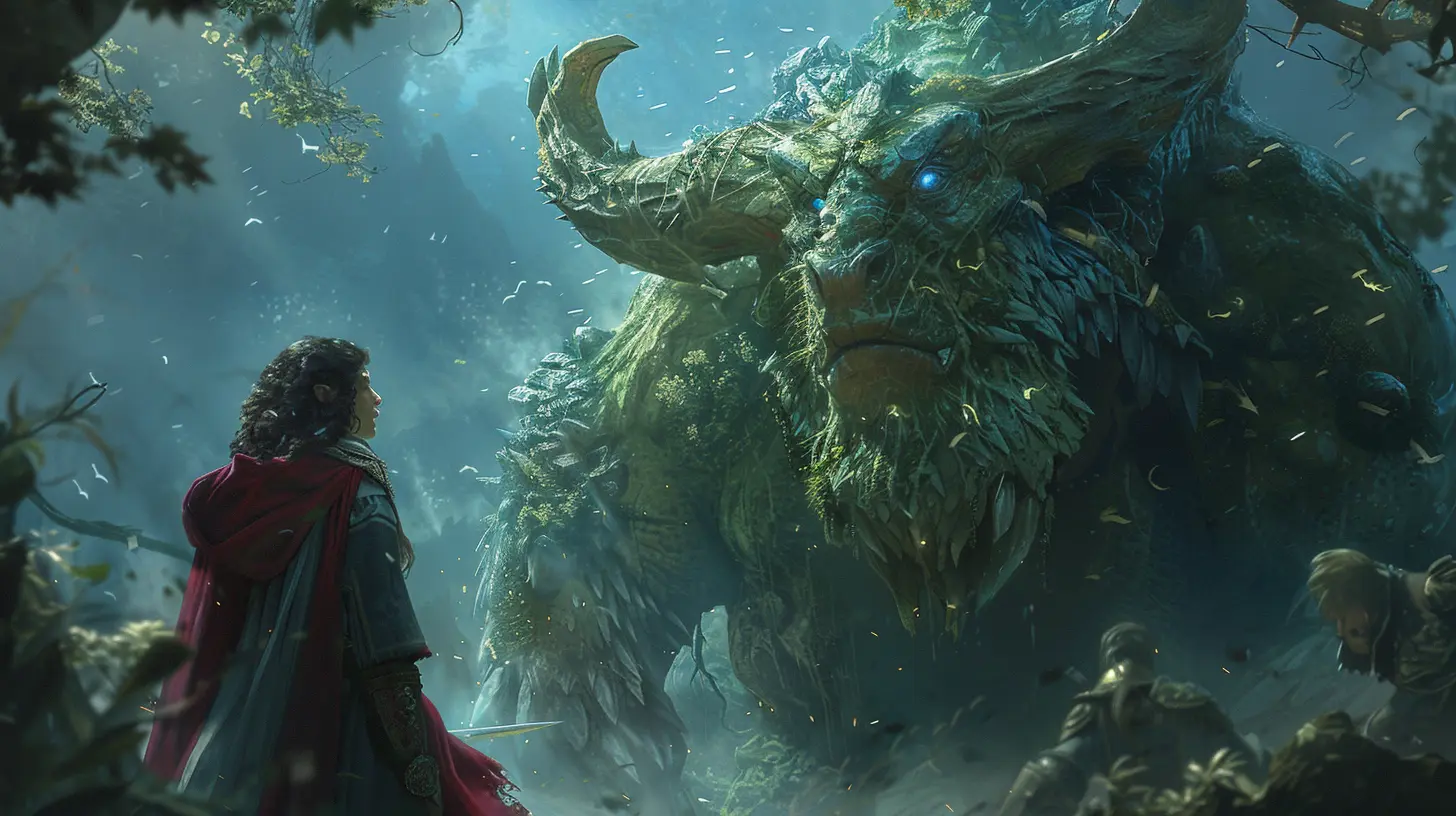
3. Chrono Trigger – Time Travel Done Right
Chrono Trigger was what happened when the Avengers of Japanese game design teamed up. With Akira Toriyama (of Dragon Ball fame) on art, and the minds behind Final Fantasy and Dragon Quest steering the ship, how could it not be legendary?Time travel can be messy in fiction, but this game nailed it. You got to meet your future descendants and your ancient ancestors—all while saving the planet from a giant alien parasite named Lavos. Good times.
Why it shaped gaming: It introduced multiple endings, seamless transitions between exploration and combat, and just the right dose of humor and heart.
4. Baldur’s Gate II – Dungeons & Dragons Meets Videogames
If you’ve ever rolled a 20-sided die, then you owe it to Baldur’s Gate II for bringing D&D into the digital realm. Built on the Advanced Dungeons & Dragons 2nd Edition ruleset, this game was the definition of “deep.”You weren’t just playing a character; you were living a campaign. The choices were complex, the party banter was spicy, and the story had more layers than an onion parfait.
Why it shaped gaming: It paved the way for narrative-driven Western RPGs and showed how player decisions could deeply impact the world around you.
5. Pokemon Red & Blue – Gotta Catch 'Em All (and You Still Do)
Okay, hear us out. While some folks might argue that Pokémon is more of a monster-collecting game than a traditional RPG, we say—why not both?If you’ve ever carefully crafted your team, leveled them up, and strategized your way through the Elite Four, you were living the RPG dream. And let’s not forget the excitement of picking that starter Pokémon. Charmander, Bulbasaur, or Squirtle—eternal debate, right?
Why it shaped gaming: It brought RPG mechanics to handhelds and made them accessible to kids and adults. It also introduced an exciting element of collection, which we didn’t realize we needed until we were hunting for our missing Pidgey at 2 AM.
6. Mass Effect Trilogy – Choice, Consequence, and Epic Space Romances
There’s no talking about modern RPGs without giving Mass Effect a proper bow. Commander Shepard's adventures across the galaxy offered a mix of action, storytelling, and squad-based tactics.But what really made it shine was the choice system. Games had toyed with moral decisions before, but Mass Effect made it matter. Your decisions shaped entire civilizations. And yes, your romances, too—don’t pretend you didn’t spend 30 minutes choosing a dialogue option with Liara.
Why it shaped gaming: It redefined narrative depth in games and sparked debates we’re still having regarding that controversial ending.
7. The Witcher 3: Wild Hunt – Gritty, Gorgeous, and Grown-Up
Oh, Geralt. The gruff-voiced, monster-slaying, silver fox we didn’t know we needed. The Witcher 3 came in like a hurricane and swept away every expectation we had for open-world RPGs.Massive world? Check. Intricate politics? Double-check. Memorable side quests that were better written than most main quests in other games? Triple-check.
Why it shaped gaming: It raised the bar for storytelling, world-building, and showed the world that RPGs could be mature—not just because of the gore, but due to their emotional complexity.
8. Diablo II – Clicks, Loot, and Endless Nights
You know you’ve been there. Sitting in the dark, clicking your mouse like your life depended on it, chasing loot that sparkled just right. Diablo II wasn’t just a game—it was a lifestyle.The game’s loop of kill-loot-level was so addicting it practically invented a genre. And with online multiplayer through Battle.net? It was a revolution.
Why it shaped gaming: It laid the foundation for action RPGs and loot-based games. Without Diablo II, we wouldn’t have half the gear grinder games we love today.
9. Dragon Age: Origins – All Hail the Grey Wardens
BioWare strikes again! Dragon Age: Origins gave us dark fantasy with moral ambiguity, deep lore, and companions who actually reacted to our decisions—for better or worse.Slay a dragon? Hero! Kill someone’s brother-in-law because he’s a traitor? Also hero… maybe. The game didn’t judge you—well, your party members did, but that’s part of the charm.
Why it shaped gaming: It brought back traditional RPG elements with modern flair. Complex relationship systems, branching narratives, and customizable party tactics? Chef’s kiss.
RPGs Are More Than Just Games
Let’s take a step back for a second. These games aren’t just pixels and polygons—they’re gateways to entirely new worlds. They’ve made us laugh, cry, rage quit, and stay up way past our bedtimes.And you know what’s even cooler?
They’ve influenced everything. Storytelling in games, character development in TV shows, moral ambiguity in movies—RPGs paved the way for nuanced media everywhere. The impact is real.
Why Revisit These Classics Today?
You might be wondering, “Why should I go back and play a game from 1995 when there’s ultra-HD, ray-traced, open-world mega-beasts released every week?”Because there's something irreplaceable about these titles. They weren’t just technically impressive—they had soul. And trust us, reliving them will either spark a new love or remind you where your gaming journey truly began.
Plus, most of these have amazing remasters or mods available. So, you don’t even have to dust off that CRT monitor. Sweet deal, right?
Final Thoughts – Raise Your Sword to the Legends!
Gaming has come a long way, but those early RPGs? They walked so today’s games could sprint, leap, and jetpack. Whether you’re revisiting these classics or diving in for the first time, there’s a reason they’re remembered so fondly. They were groundbreaking, heartfelt, and in many cases, straight-up magical.So, boot up your console (or fire up that emulator, we won’t judge), and take a trip back to the golden age. Because when it comes to RPGs, the legend truly does continue.
all images in this post were generated using AI tools
Category:
Game Reviews ArchiveAuthor:

Madeleine McCaffrey
Discussion
rate this article
2 comments
Beau Middleton
Great article! It's fascinating to see how these classic RPGs influenced modern gaming. They truly set the stage for today's adventures.
June 1, 2026 at 3:41 PM
Madeleine McCaffrey
Thanks for your comment! I'm glad you enjoyed it. Those classic RPGs really are the foundation for so much of what we see today.
Lyanna McKee
Reading this brought back memories of late-night gaming marathons. Those RPGs didn't just entertain; they shaped our imaginations and set the standard for storytelling in the medium. A true testament to their legacy.
May 9, 2026 at 3:40 PM
Madeleine McCaffrey
I'm glad it resonated with you! Those gaming nights truly left a mark on us all.