The Rise of Non-Linear Stealth Game Design
22 March 2026
In a world where gaming evolves daily, one genre is quietly making noise—stealth games. But not just any stealth games. We're talking about the new wave: non-linear stealth game design. These games don’t just toss you into a shadow and tell you to sneak your way through. They hand you a toolbox full of choices, a sandbox full of possibilities, and say, “Go ahead, outsmart them your way.”
So if you're a gamer who thrives on planning, improvising, and outwitting enemies with style, you're about to fall in love all over again. Let’s dive into why non-linear stealth games are not just trending—they’re transforming how we play.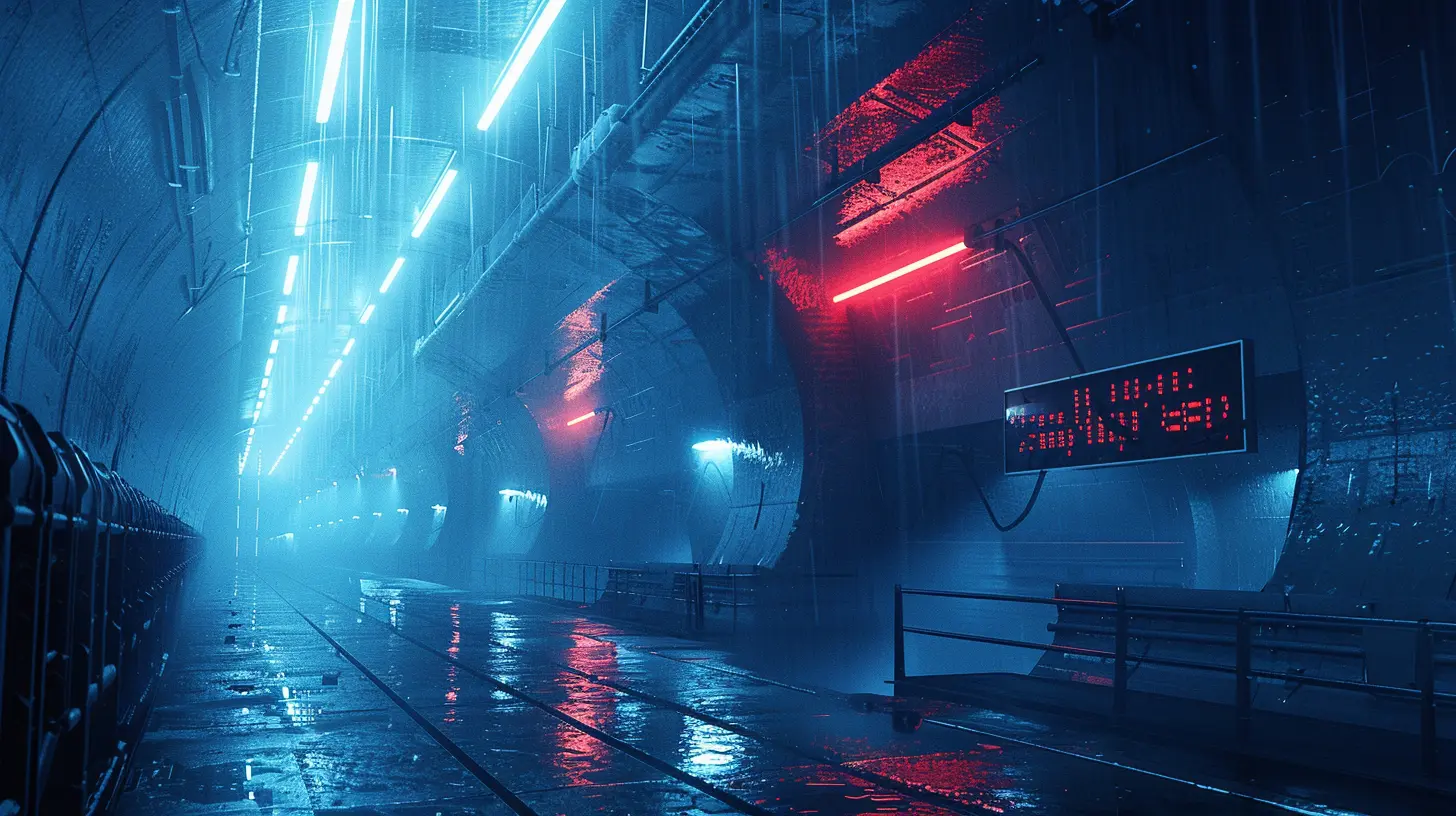
What Exactly Is Non-Linear Stealth Game Design?
Let’s break that down. Traditional stealth games, like the earlier Splinter Cell titles or Metal Gear Solid, often followed a linear path. You had to do things in a certain way. Miss your cue? Game over. Try to get creative? The game punished you. It felt like solving a puzzle with only one correct solution.Now imagine a stealth game where you have five different ways to sneak past a guard, dozens of tools at your disposal, and the freedom to take risks. That’s non-linear stealth design in action. It’s all about giving players the ability to adapt, improvise, and make their own rules.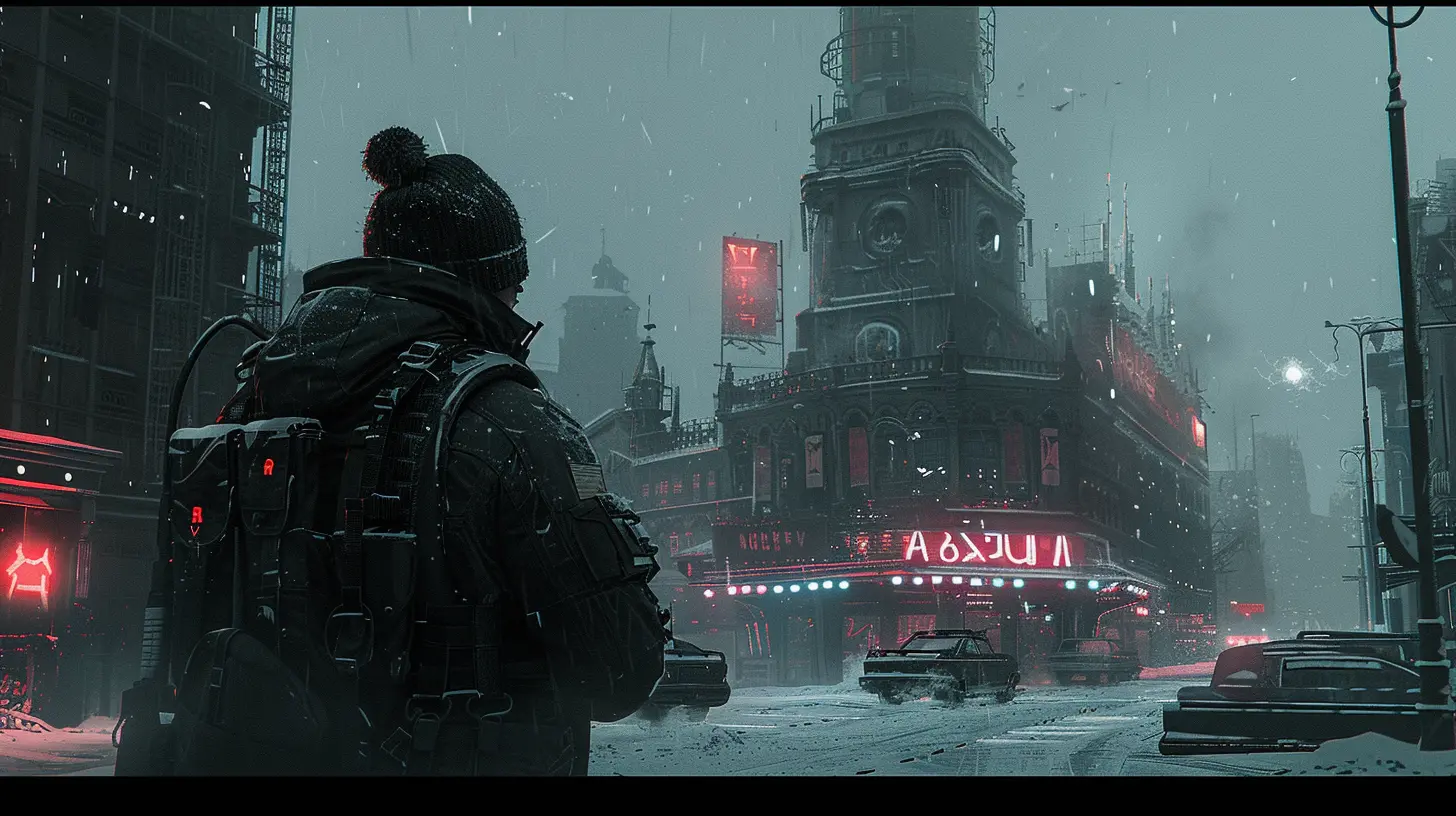
Why Is This Shift Happening?
1. Players Want Freedom
Gamers don’t like being told what to do—at least not all the time. We crave freedom, flexibility, and the ability to express ourselves. Non-linear stealth games give us that. Want to go full ghost mode and make sure no one knows you were ever there? Cool. Prefer to knock out every enemy like a ninja with a vendetta? Go for it.2. Technology Has Caught Up
Modern game engines like Unreal Engine 5 and Unity have given developers the power to build open-ended maps, complex AI behaviors, and intricate player mechanics. Simply put, we now have the tools to let players do some pretty mind-blowing stuff.3. AI Is Getting Smarter (And More Fun to Outsmart)
Old school stealth was about memorizing patterns. Hide here, wait 10 seconds, move there. Rinse and repeat. Boring, right?Now? Enemies react dynamically. They communicate. They hunt you down intelligently. And that makes outmaneuvering them that much more satisfying. It’s like playing chess with someone who’s actually good.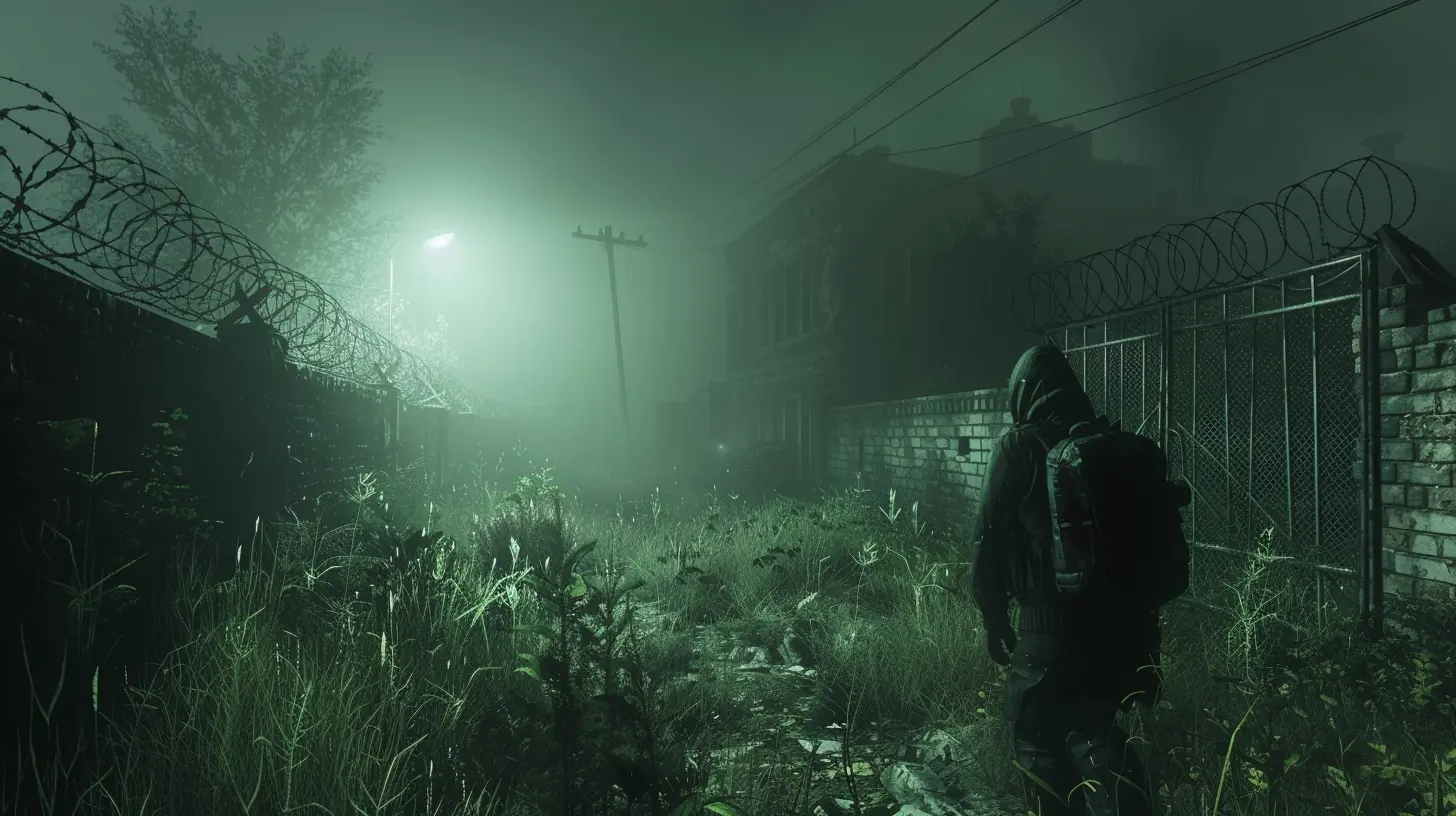
Making the Player Feel Like a Genius
You know what’s addicting? Feeling clever. That rush when your improvised distraction works perfectly, or when you sneak through a heavily guarded area without leaving a trace—it’s pure dopamine.Non-linear stealth design gives you those moments over and over again. You're not just following a script. You're writing your own story. Every decision you make carves a unique path through the game. That emotional payoff? It’s priceless.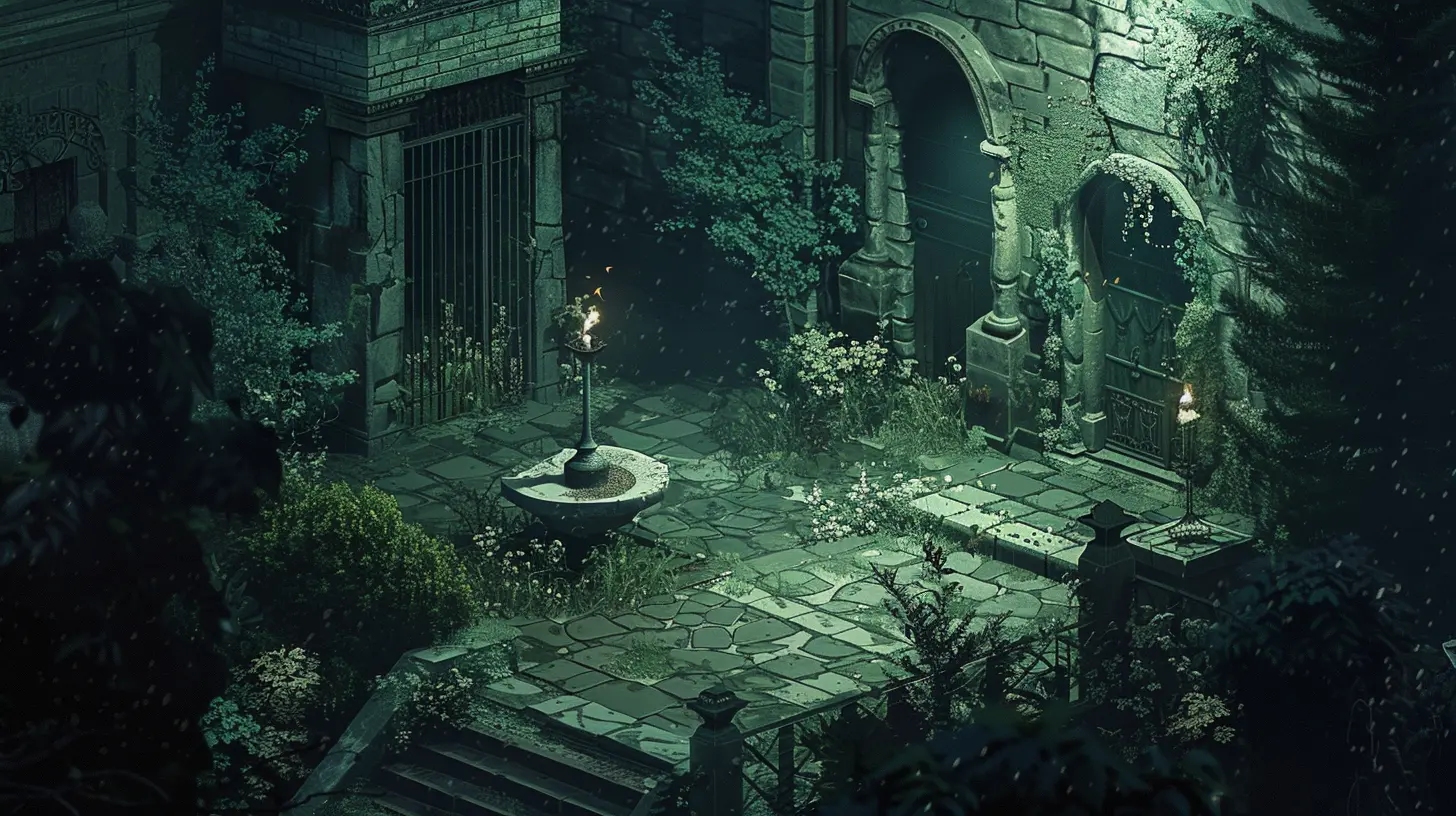
The Blueprint of Non-Linear Stealth
Let’s talk about what makes a non-linear stealth game tick. It’s not just about big maps or smart guards. It's about design elements that empower the player.1. Multiple Pathways
Think Dishonored, Hitman, or Deus Ex. These games don’t shove you down a hallway. Instead, they give you a playground: rooftops, vents, underground tunnels, social infiltration… you name it. It’s about giving you options—and letting you choose how to use them.2. Tool Variety and Player Skills
Smoke bombs? EMP grenades? A silenced crossbow that doubles as a zipline launcher? Yes, please! The best stealth games give you a wide arsenal—not just of weapons, but of gadgets and abilities that open up even more choices.3. Dynamic AI and Alert Systems
Non-linear stealth thrives on unpredictability. If every guard reacts the same way, it’s no fun. But if guards respond to noises, investigate weird happenings, or even bait you into traps—that’s when things get spicy.4. Consequences and Emergent Gameplay
Your actions matter. Maybe you knocked out a guard, and someone finds his body. Now the whole area’s on high alert. Maybe you hacked a surveillance drone and used it to distract a group of enemies. There’s no one “right” way. What happens is based on your creativity.Games That Paved the Way
Some iconic titles paved the road for this non-linear revolution. They didn’t just tell you how to stealth—they asked you, “How do you want to stealth?”🔹 Thief: The Dark Project (1998)
The OG of choice-based stealth. You could black out torches, sneak over rooftops, or pickpocket everyone in the building. It felt like a stealth sim more than a game.🔹 Deus Ex Series
Talk about freedom. You could hack, sneak, talk, or shoot your way through almost every mission. Deus Ex taught us that stealth doesn’t always mean crawling in the shadows—it can mean manipulating the system.🔹 Hitman Franchise
Gone are the days of linear assassination missions. Modern Hitman games offer sprawling sandboxes where creativity is your deadliest weapon. Poison the sushi? Swap the target’s golf ball? Or go full ninja? You choose.🔹 Dishonored Series
Teleporting between shadows, using supernatural abilities, and crafting your own path through twisted cities? Dishonored lets you blend chaos and order in the most stylish way.Indie Developers Are Joining the Stealth Party
Let’s not leave out the indie crowd. Smaller teams are cooking up some seriously clever stealth gameplay.Games like:
- Aragami – Shadow manipulation to sneak through levels.
- Ronin – A turn-based twist on stealth movement.
- Mark of the Ninja – 2D stealth done right, with brilliant visual feedback and tactical depth.
These games prove you don’t need AAA budgets to make stealth magic. Sometimes, less is more.
Why Non-Linear = More Replayability
Here’s the thing. In a linear stealth game, once you've figured out the right path… that’s it. Replay value? Meh.But in non-linear stealth games? You come back wanting to try a new route. A new trick. A new disguise. They are replay gold mines. Every playthrough tells a different story. That’s what keeps players coming back again and again.
The Role of Storytelling
Now, stealth isn’t just about hiding in shadows—it’s also about the why. Games like Dishonored or Metal Gear Solid weave stealth into emotionally powerful narratives. And the non-linear design lets your choices shape how that story unfolds.Think of it like a choose-your-own-adventure book, but every page is an explosion of strategic decisions. The world reacts to you. Characters remember what you’ve done. The ending reflects your methods. This adds emotional weight to every decision.
Challenges in Designing Non-Linear Stealth Games
Let’s get real—it’s not all sunshine and backstabs. Designing this kind of game is tough.- Balancing AI difficulty – Too smart, and it’s frustrating. Too dumb, and it’s boring.
- Keeping things fair – Players should feel challenged but not overwhelmed.
- Testing all the pathways – More paths = more things to break. QA is a nightmare.
But the payoff? A game that players obsess over. Play, replay, analyze, and share stories about. That’s a win.
The Future of Stealth is Bright (But You’ll Still Be in the Shadows)
So where do we go from here? A few things are on the horizon:🌐 Multiplayer Stealth Experiences
Imagine outwitting real players instead of AIs. That’s already happening in games like Assassin’s Creed multiplayer and indie gems like Hidden in Plain Sight.🧠 AI That Learns and Adapts to YOU
Next-gen AI will track your habits and counter them. You’ll have to constantly evolve your tactics. It’s stealth chess at its finest.🕶️ VR Stealth
Now we’re talking. Physically ducking behind cover, leaning around corners, and whispering to AI teammates? VR will make stealth games even more immersive.Final Thoughts
Non-linear stealth game design isn’t just a trend—it’s a revolution. It’s giving players more power, more freedom, and more satisfaction than ever before. It’s a thrilling mix of brain and reflexes, strategy and improvisation. And most importantly, it trusts you to write your own story.So the next time you slip past a patrol, hack a system, or sneak into a fortress without a soul knowing—remember, you’re not just playing a game. You’re crafting an experience. One shadow at a time.
all images in this post were generated using AI tools
Category:
Stealth GamesAuthor:

Madeleine McCaffrey
Discussion
rate this article
2 comments
Anika Gomez
This exploration of non-linear stealth game design highlights a fascinating shift in gaming. It's exciting to see creators pushing boundaries and offering players new, immersive experiences!
March 24, 2026 at 5:45 PM
Madeleine McCaffrey
Thank you! I'm glad you found the exploration of non-linear stealth game design compelling. It's an exciting time for innovation in gaming!
Lucy O'Brien
The emergence of non-linear stealth game design represents a significant evolution in gameplay dynamics. By allowing players more autonomy in approaching objectives, developers can create immersive experiences that challenge traditional narratives and strategies, ultimately enhancing player engagement and replayability in stealth mechanics.
March 22, 2026 at 4:40 PM
Madeleine McCaffrey
Thank you for your insightful comment! I completely agree that non-linear stealth game design enhances player autonomy and immersion, ultimately enriching gameplay and narrative experiences.