The Role of AI Companions in Expanding Gameplay
19 August 2026
Imagine diving into a game world where you're not just a lone adventurer anymore. Instead, you've got a trusty AI companion by your side — someone (or something) that doesn’t just tag along but actually matters. That’s not just a dream anymore. AI companions have gone from robotic tagalongs to deeply integrated partners that shape your journey. They make the gameplay experience richer, more emotional, and — let’s be honest — a whole lot cooler.
So, what’s the big deal with AI companions? And how exactly are they reshaping the gaming landscape as we know it?
Let’s take a deep dive, shall we?
What are AI Companions Anyway?
In gaming terms, AI companions (Artificial Intelligence companions) are non-player characters (NPCs) designed to interact with players in meaningful ways. They can offer guidance, fight alongside you, crack a joke when you're down, or even help solve a tough puzzle.Think of them as that one friend who always knows where to go or what to do next... except they’re powered by lines of code and algorithms.
Back in the day, AI companions were more like glorified set pieces — they'd follow you around, shoot when you shoot, and occasionally get stuck behind furniture. But thanks to leaps in technology, they’re now capable of dynamic decision-making, emotional intelligence, and even learning from your playstyle.
Why Are AI Companions Gaining Popularity?
Great question. The rise of AI in gaming is no accident. It’s a calculated response to players craving more immersive, personalized experiences.Let’s face it: we love stories that feel alive. Games like The Last of Us, Mass Effect, and Bioshock Infinite didn’t just give us cool characters. They gave us companions we truly cared about. When Ellie whispered snarky comments, or Garrus cracked a dry joke — it felt real.
Players want connection. And AI companions deliver just that, in ways static scripting never could.
Emotional Depth and Narrative Impact
Here’s where things get interesting. AI companions aren’t just functional sidekicks anymore — they’re storytellers.Take Red Dead Redemption 2, for example. While Arthur Morgan doesn’t technically have a robotic AI partner, the interaction with NPCs, including your gang members, is incredibly dynamic. Many of these characters evolve based on your choices, forming believable relationships. Now imagine that turned up to eleven with AI companions who adapt and grow alongside you.
In modern games, AI companions can:
- React emotionally to your actions
- Change dialogue based on how you treat them
- Influence the game's ending based on your relationship
That’s emotional investment. That’s storytelling through companionship.
It’s like having your personal version of Watson to your Sherlock. Except this Watson can sometimes outsmart you.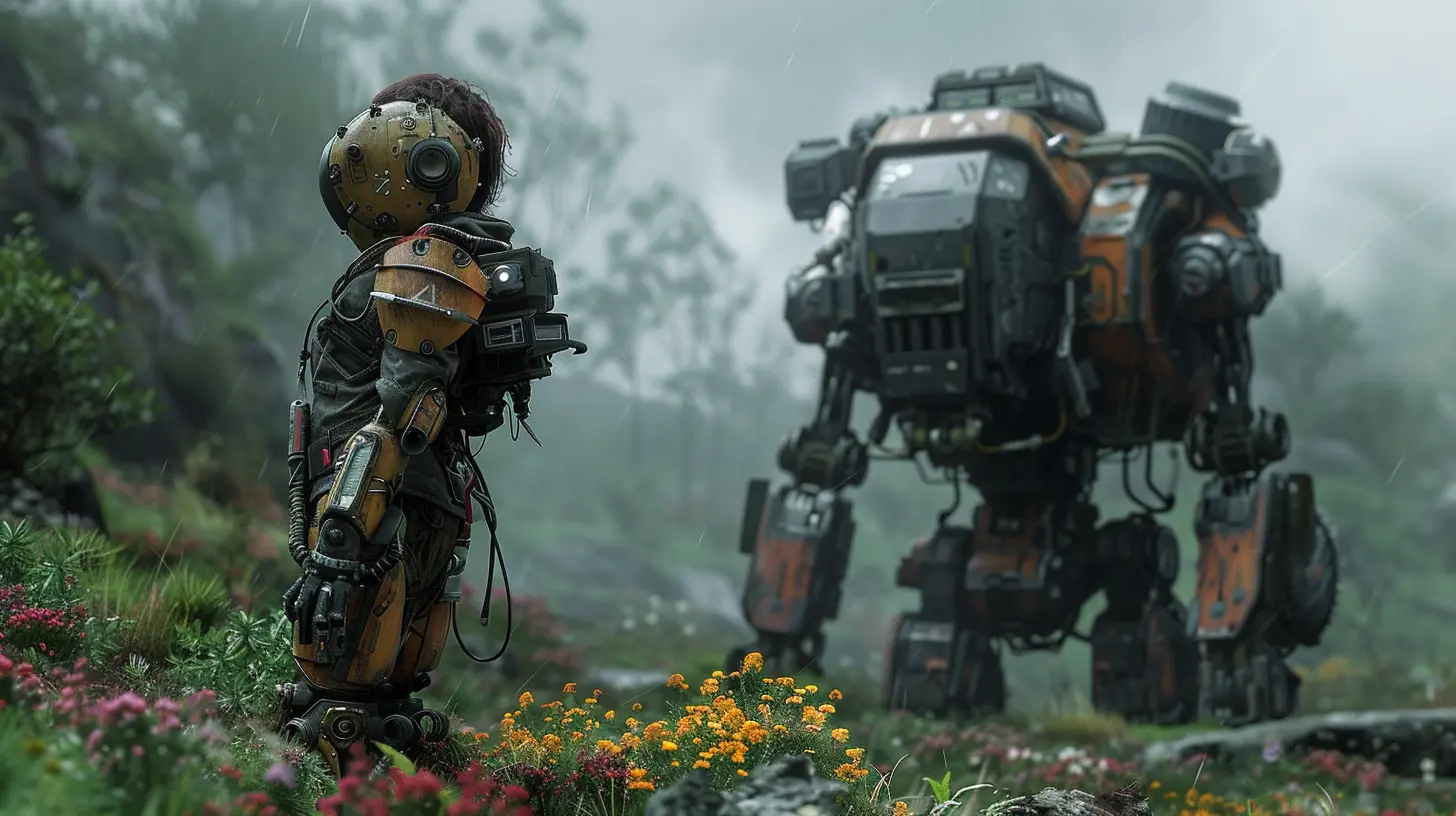
Gameplay Mechanics: More Than Just Backup
It’s tempting to think of AI companions as backup firepower — someone to heal you when you’re down or shoot at stuff when you’re under fire. And while that’s definitely part of the appeal, they’ve become much more integral to gameplay mechanics.1. Tactical Advantages
In games like Gears 5 and Tom Clancy’s Ghost Recon, AI teammates can be used strategically. You can give them commands, set formations, and even coordinate attacks like a virtual squad leader. This allows solo players to immerse themselves in games that otherwise might require co-op play.2. Problem Solving
Remember Elizabeth from Bioshock Infinite? She wasn’t just there to hold your hand — she helped you by finding ammo, opening tears (dimensional rifts), and even handing you health during battle. That’s smart design.3. Learning Your Habits
With machine learning, smarter AI can adapt to your behavior. Your companion might start covering your blind side more often if you frequently get flanked. That’s mind-blowing because the AI isn’t just there for show — it evolves with you.Making Games More Accessible
Here’s something you might not think about right away: AI companions aren’t just cool, they’re incredibly helpful for accessibility.For players who may find certain game mechanics overwhelming or physically difficult, AI characters can assist in ways that level the playing field. They can help navigate, fight, or make decisions that speed up gameplay — giving everyone a more inclusive experience.
In fact, some games even allow you to tweak how much your AI companion helps. Less skilled players can lean on them heavily, while hardcore gamers can dial it back for more challenge. That flexibility is a win-win.
Creating a Sense of Loneliness... or Belonging
Humans are social creatures. Even when we play single-player games, we crave interaction. AI companions often provide that social glue, making us feel less alone in big, open worlds.You know that empty feeling when you’re wandering a desolate post-apocalyptic landscape? Now imagine having a dog like Dogmeat from Fallout 4 beside you. You feel just a bit more grounded, more connected.
On the flip side, the absence of your AI companion later on — whether they die, disappear, or betray you — can hurt. It leaves a hole. And that’s powerful storytelling.
AI Companions in Open-World Gaming
Open-world games thrive on discovery and unpredictability. And you know what fits in perfectly with that? Yup, intelligent companions.Let’s take Elden Ring — while it doesn't have a traditional AI buddy system, mods and updates have explored this feature. Players love the idea of roaming vast landscapes with a loyal sidekick who reacts contextually, helps in battle, and becomes an integral part of your journey.
In games like Skyrim, modders have created AI companions who have full dialogue trees, unique personalities, and actual opinions. That’s not just adding content — it’s adding life.
The Future: Are AI Companions Ready to Go Full Sentient?
Alright, we're not saying AI companions are going to pass the Turing Test tomorrow. But the direction we're heading is intriguing.With advancements in neural networks, natural language processing (think ChatGPT-level conversational AI), and real-time decision-making, the next-gen AI companion could be one you literally talk to, joke with, and even argue with — in natural language.
Imagine booting up a game and your AI buddy says, "Rough day? Want me to lead or do you feel like exploring today?"
That’s no longer science fiction. That’s a very real possibility within the next decade.
The Fine Line: When AI Goes Too Far
Real talk: Not everyone wants hyper-realistic companions. There’s a fine balance between immersion and intrusion. If your AI buddy starts nagging you about ignoring side quests or saving a dog instead of a villager... it washes out the fun.Developers need to ensure that companions serve the player, not steer them too much. The best AI buddies offer support, story, and strategy — not sermons.
Multiplayer Hybrids — When AI Complements Humans
Here’s something cool: AI companions can also shine in multiplayer environments. Think of them as filler teammates when your squad is incomplete.In games like Apex Legends or Fortnite, future updates could potentially introduce AI companions that step in when queue times are long, or a teammate drops out mid-match. These bots won’t just be cannon fodder. With enough machine learning under the hood, they could match your team’s rhythm and keep the game flowing.
That’s a big deal for online gaming.
How Developers are Innovating AI Companions
Studios are beginning to treat AI companions like fully fleshed-out actors in their narratives. Here's how:- Emotion Systems: Characters like Atreus in God of War respond with tone shifts, expressions, and even silence that says more than words.
- Progressive Bonding: The longer you adventure with a companion, the more they open up, unlocking backstories and new abilities.
- Choice-Driven Reactions: AI companions may react differently if you play as a ruthless character versus a noble one.
These mechanics make your in-game relationships feel... well, pretty darn real.
So, What’s the Verdict?
AI companions aren’t just bells and whistles anymore. They’re becoming essential threads in the fabric of game design — transforming how we play, feel, and interact within virtual worlds.They’re not only expanding gameplay; they're making it more personal.
Whether you're solving puzzles together, battling side by side, or just sharing a quiet moment overlooking a digital sunset, your AI companion is no longer just code — they’re a co-star in your story.
And as technology keeps evolving, who knows? One day your favorite AI buddy might remember your birthday.
Final Thoughts: Your Story, Your Companion
At the end of the day, AI companions reflect a deeper desire we have as humans — connection, camaraderie, and shared adventure. They’re a mirror for our choices, a buffer against loneliness, and sometimes the emotional core of a game’s narrative.So, next time you boot up a game and see a companion waiting by your side, take a second to appreciate them. Not just for what they do in the game, but for what they represent: a whole new way to experience stories — together.
all images in this post were generated using AI tools
Category:
Game Reviews ArchiveAuthor:

Madeleine McCaffrey
Discussion
rate this article
2 comments
Jade McElhinney
AI companions are game-changers, enhancing immersion and strategy. They create dynamic experiences that adapt to player choices, making each session unique. This evolution is a thrilling step forward in gaming.
September 24, 2026 at 2:35 AM
Porter Wagner
What if these AI companions hold secrets we have yet to uncover? Their learning abilities might reveal hidden paths or alternate endings. Are they simply tools, or do they shape our fate?
September 2, 2026 at 2:57 AM