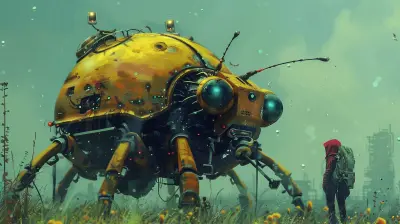
The Tension of Being Hunted: What Makes It Work
4 September 2026
Ever found yourself gripping the controller so tightly your knuckles turn white? Heart racing, eyes darting, breath shallow... It's like you're being chased—even though you're just sitting in your chair. That sensation, that raw, primal surge of adrenaline, is what sets certain games apart. We're talking about the terrifying thrill of being hunted—the invisible monster in the shadows, the killer stalking you through the trees, the beeping radar that means something… or someone… is close.
But why does this work so well? What makes the tension of being hunted utterly addictive and unforgettable?
Let’s unravel this chilling mystery.
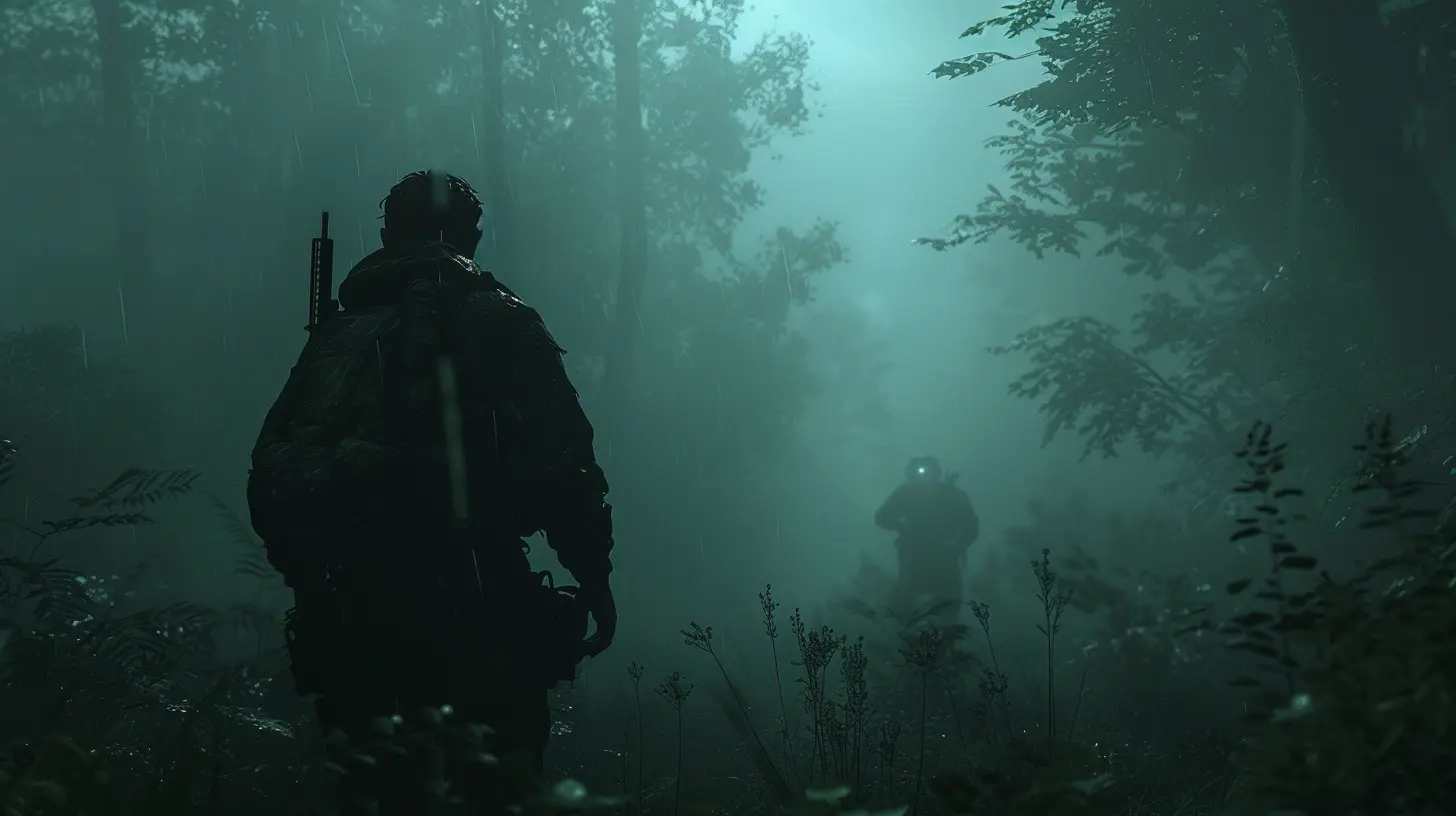
The Psychology Behind the Fear
Let’s get real for a second. Fear taps into the most ancient part of our brain. It’s survival mode. It’s the fight-or-flight response kicking in. Video games, with their immersive environments and interactive storytelling, replicate that primal experience perfectly.When you're being hunted, your brain can’t help but get involved. Your senses heighten. Your palms sweat. You start thinking three steps ahead. Whether it's a horror survival game or a game of cat and mouse in a high-stakes multiplayer shooter, that feeling of being prey is laser-targeted to hit our most human instincts.
Why Do We Love It?
Think about roller coasters. Why do we voluntarily strap ourselves into a cart that drops us 200 feet at 70 miles per hour? Because fear, when it's safe, is fun.Being hunted in a game is like riding that roller coaster. You know you won’t die in real life, but your body and mind absolutely buy into the illusion. It's fear without consequences. And that’s thrilling.
It’s also empowering when you survive. Outwit the hunter, escape from the killer, hide until the coast is clear—and you feel like a champ. A survivor. A badass.
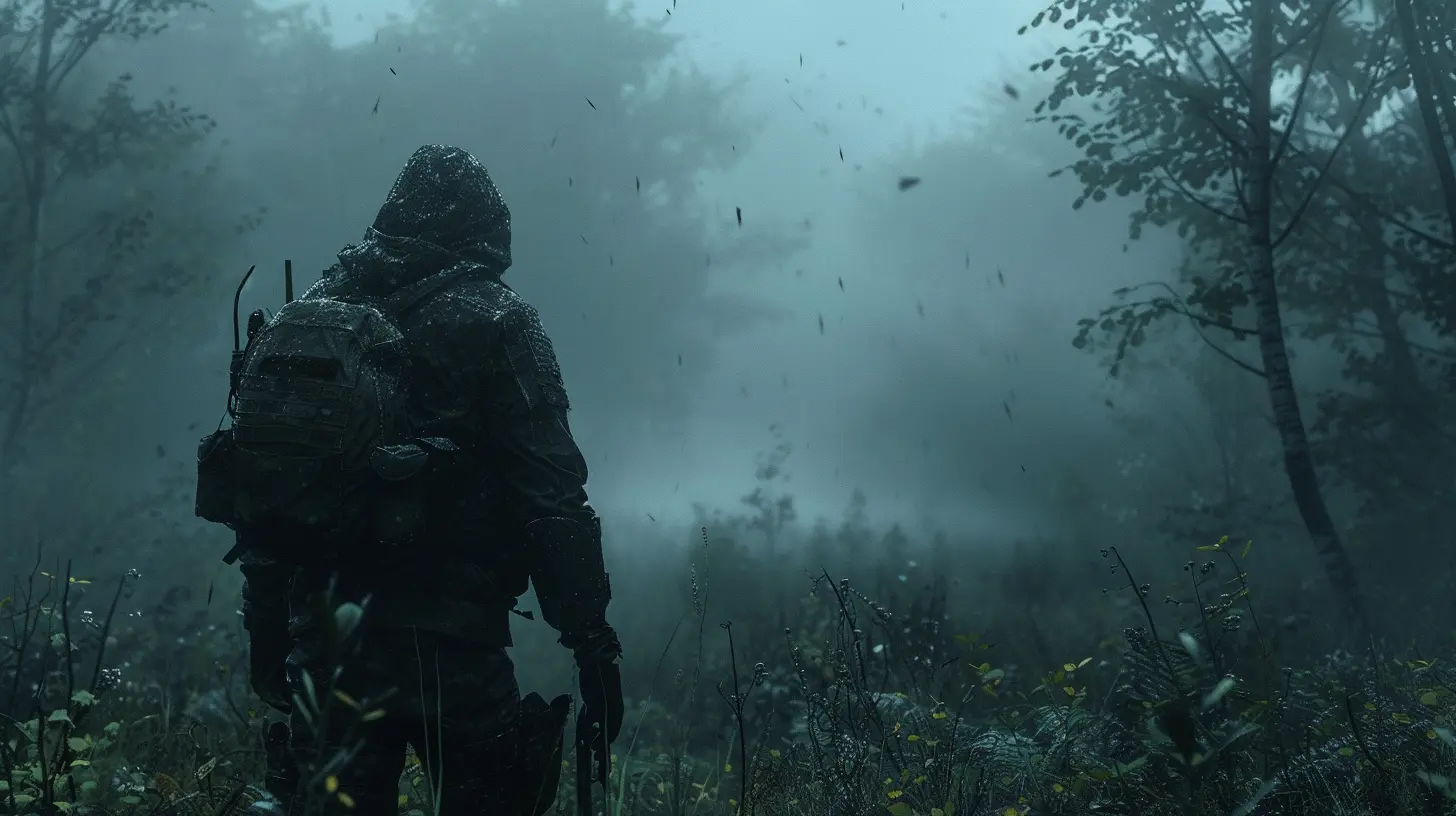
Immersion: What Sells the Tension
To make the tension of being hunted truly work, a game must immerse you. It has to wrap you in its world so tightly that you forget everything else. Let’s break down the key ingredients that make this work.1. Sound Design That Pins You to Your Seat
Sound is everything. The heavy breathing of your character, the creaking of a nearby door, or the distant howl of a monster—these aren't just background noise. They’re nerve-shredding clues. They tell you you’re not alone.Great sound design makes you paranoid. It’s the heartbeat that speeds up when danger is near. The music that crescendos suddenly. Or worse, the silence that builds unbearable suspense.
Games like Alien: Isolation and Dead by Daylight master this. You're constantly listening, always second-guessing. Is that a footstep? Or just your imagination?
2. Limited Vision and Restricted Perspective
When you're being hunted, you rarely get the full picture. Fog, darkness, narrow corridors, shadows—these elements restrict what you can see. It puts you on edge. You never know what's beyond the next corner.Forced camera perspectives and tight fields of view amplify this. It’s like walking through a haunted house blindfolded. You rely on your other senses and your gut. And when something does jump out, it hits you ten times harder.
3. Smart AI That Hunts You Back
Static enemies are predictable. But smart AI? That’s the stuff of nightmares.When the hunter adapts to your movements, learns your patterns, or actively tracks you down—it feels personal. You’re not just hiding; you’re being outsmarted. Which means you have to stay one step ahead.
Games like Resident Evil 2 (Remake) with Mr. X or The Last of Us with infected that react to sound and vision, show us just how relentless and intelligent enemies can be. It’s like playing chess, only with your life on the line.
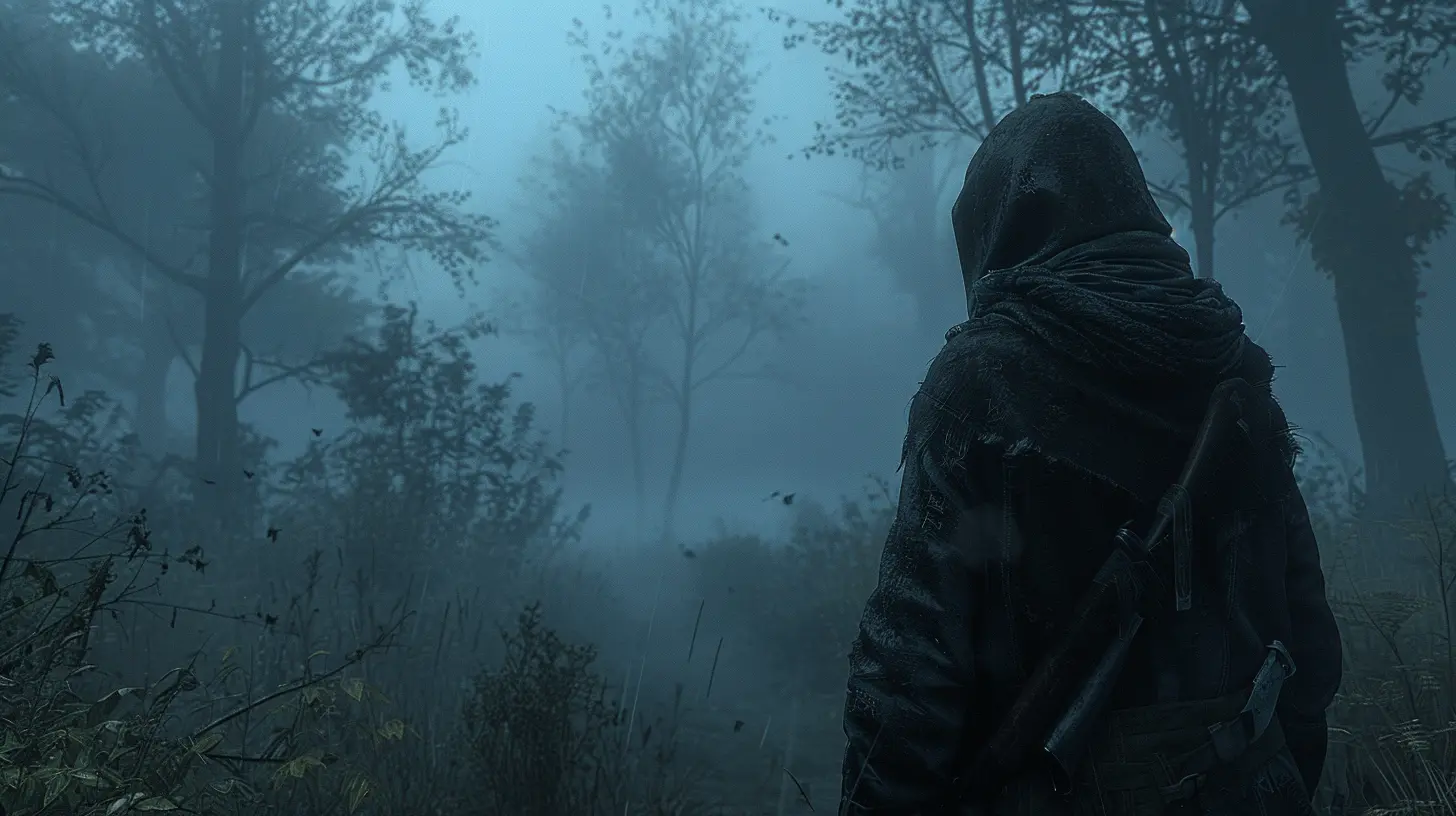
Badass Moments Born from Desperation
Here’s the thing—when you're the hunted, your victories feel earned. You don’t just walk through enemies. You survive by the skin of your teeth. And that’s what makes for legendary gaming moments.That Last-Minute Escape
The door’s in sight. The monster is right behind you. One more hit and it's game over—but somehow you make it. Slam the door shut. Breathe out. Your hands are shaking.Moments like these hit harder than any high score.
Playing Dead or Outsmarting Your Predator
Sometimes you don’t fight back. You trick the enemy. Set a distraction. Hide under a table as they walk right past you. You’re not just playing the game—you’re outplaying it.This gives a whole new definition to “kill or be killed.”
The Hunter Becomes the Hunted
Some games flip the script mid-game. You go from being prey to becoming the predator. That reversal is so satisfying because you’ve earned it. You’ve been through hell. Now it’s payback time.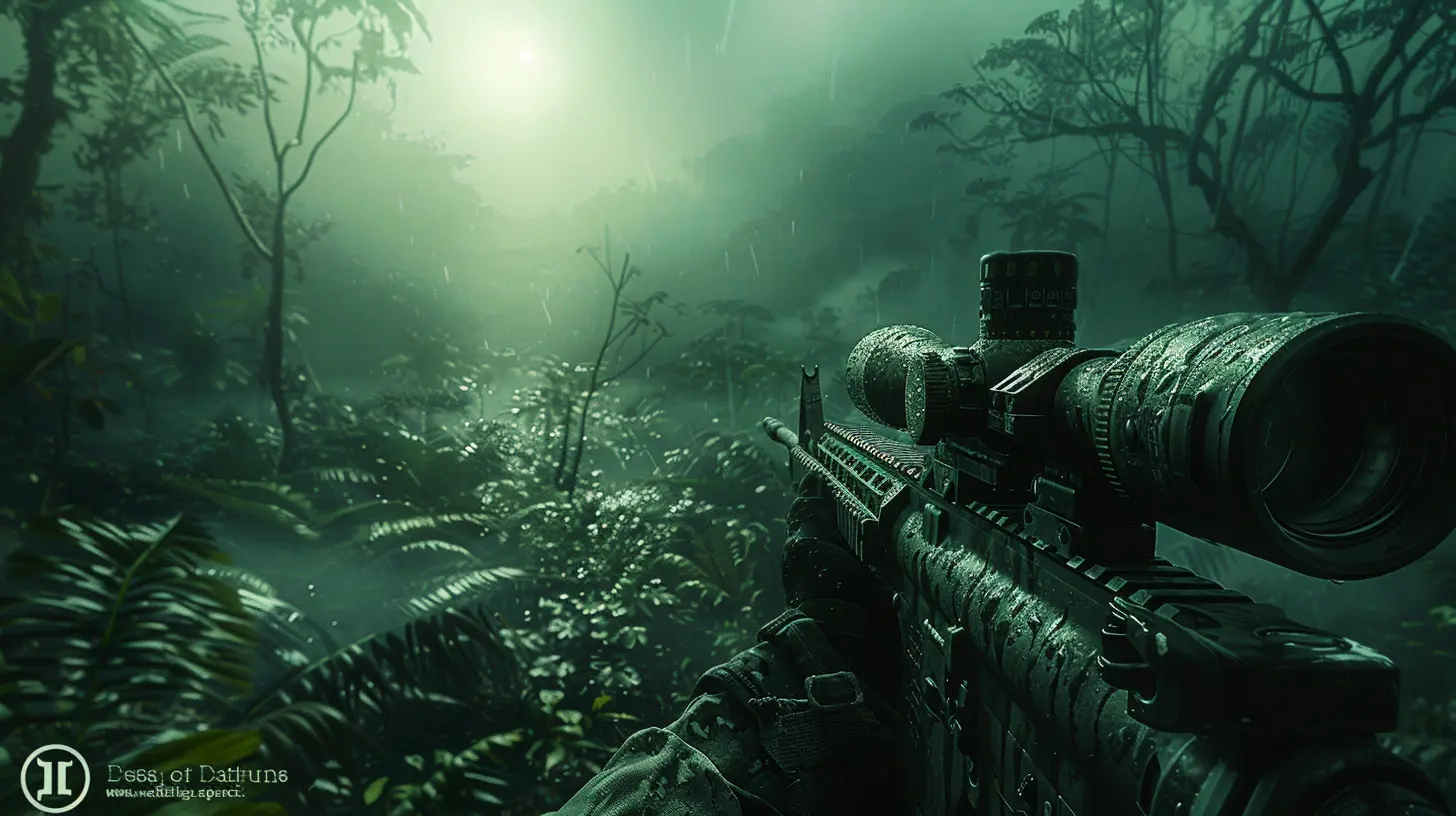
Multiplayer Mayhem: Human vs Human Tension
Here’s where things get spicy. In multiplayer games, the predator is another player. This isn't AI—it’s someone unpredictable, someone trying to outsmart you.Dead by Daylight – The Ultimate Cat and Mouse
You’ve probably heard of Dead by Daylight, right? Four survivors. One killer. No combat skills. Just stealth, speed, and terror. When you hear the heartbeat that means the killer is close, time slows down. You hide. You risk everything. Or you get caught.It’s simple, but brutally effective.
Hunt: Showdown – PvEvP Intensity
In Hunt: Showdown, the world is crawling with monsters, but it's the other players you really have to watch out for. Every gunshot reveals your position. Every sound could be a death sentence.The tension is stacked. You're the hunter and the hunted—at the same time.
Real Tension vs Cheap Scares
There’s a difference between true tension and cheap jump scares.Jump scares? They're like someone shouting “BOO!” in your face. Sure, you'll jump, but it doesn't last.
Real tension builds slowly. It's psychological. It grips you and doesn’t let go. Often, it’s the anticipation that terrifies more than the event itself.
Games that respect this difference craft experiences that linger in your mind long after you’ve shut the game down.
The Role of Choice and Helplessness
One of the best ways to build tension is to give players limited or no control.Think about it—when you can’t fight back, every decision matters. Do you hide or run? Do you risk saving a teammate or leave them behind?
Tension thrives in helplessness. It forces you to react with your instincts, not just your skills.
That moment when a flashlight is your only weapon? Or when you have three bullets and know there are four enemies? That’s where true gameplay lives.
The Future of the Hunted Experience
As tech gets better, so will the experiences. Imagine VR horror where you're physically crouching behind objects and peeking around corners. Or AI that adapts not just to your playstyle—but to your fear signals picked up through biofeedback.We're entering an era where being hunted will feel even more real. And more terrifying.
And we love that.
So, Why Does It Work?
Because it’s human. It taps into fear, survival, and instinct. It builds stories you remember. It makes you feel alive. Games that use the tension of being hunted don’t just entertain—they challenge you, engage you, and transform you.Next time you're hiding in a locker or crawling through a vent, trying not to breathe too loud—just remember: you're not alone. And that’s exactly what makes it so damn good.
all images in this post were generated using AI tools
Category:
Stealth GamesAuthor:

Madeleine McCaffrey
Discussion
rate this article
2 comments
Evren Reyes
The thrill of the chase fuels our deepest fears.
October 1, 2026 at 3:18 PM
Madeleine McCaffrey
Absolutely, the chase taps into our primal instincts, revealing both excitement and vulnerability. It's a powerful mix.
Preston Diaz
This article captures the anxiety and thrill of being hunted in games. The constant uncertainty keeps players on edge, making every decision feel vital. It's a powerful way to heighten engagement and create memorable experiences.
September 25, 2026 at 5:04 AM