What Went Wrong with These Highly Anticipated Titles
10 June 2026
Gamers get hyped — it's just what we do. Whether it's a cinematic trailer, a slick gameplay reveal, or the promise of a genre-defining experience, our expectations often skyrocket the moment a title gets teased. But what happens when the final product doesn’t just fail to meet the hype — it trips, faceplants, and slides off a cliff? Yep, we’ve all been there.
Let’s talk about those games. You know, the ones that had massive potential, enormous marketing budgets, and millions of eager players — and still managed to blow it. This isn’t just about bugs or frame drops. We’re talking about fundamental issues: broken promises, mismanagement, bad design choices, and plain ol’ overhype.
So buckle up, because we’re diving headfirst into the cursed hall of fame: what went wrong with these highly anticipated titles.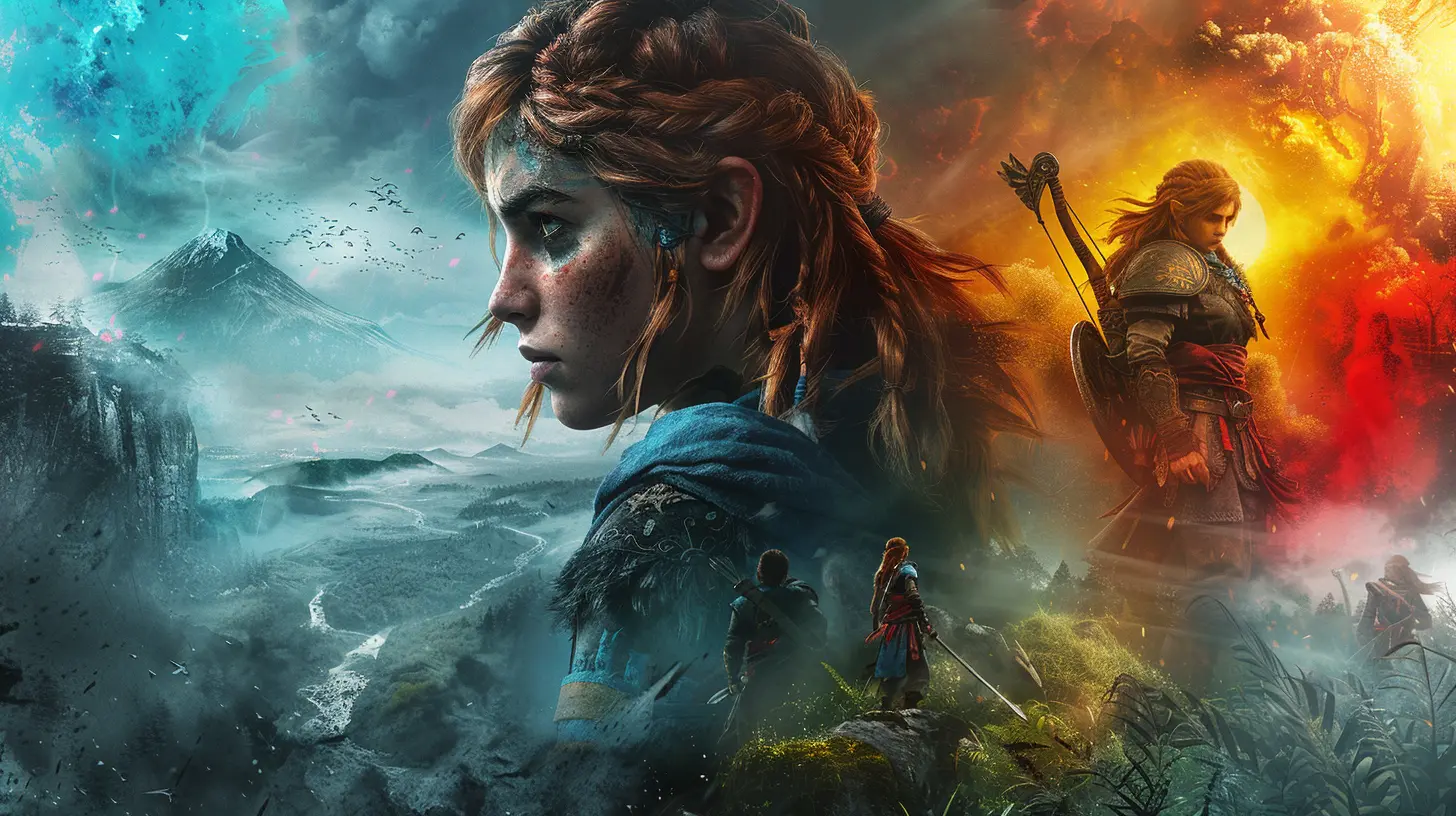
1. Cyberpunk 2077 – The Poster Child for Hype Gone Wrong
Ah yes, Cyberpunk 2077. This one hurts to talk about.Why the Hype?
Nine years in development. A futuristic open-world RPG from CD Projekt Red, the studio behind The Witcher 3? Sign me up. Add Keanu Reeves and you’ve got the hype train barreling down the tracks.
What Went Wrong?
Where do we begin? Bugs. Crashes. Glitches. On last-gen consoles, it was borderline unplayable. The AI was laughable, features shown in early trailers were MIA, and major plot choices didn’t really seem to matter.
It was like ordering filet mignon and getting a microwaved hot dog. Even with patches, the damage was done. Trust was shattered, and fans who pre-ordered felt duped.
The Lesson: Don’t promise the world when your engine can’t render it without falling apart.
2. Anthem – BioWare’s Broken Wings
Anthem looked like Iron Man meets Destiny. And honestly, flying around in high-tech suits shooting aliens? Sounds awesome.Why the Hype?
It was BioWare. These guys made Mass Effect and Dragon Age. Plus, the trailers were jaw-dropping: gorgeous visuals, seamless flight, cooperative gameplay. It looked like the future of action RPGs.
What Went Wrong?
The final product felt hollow. The story was weak, the gameplay loop got repetitive fast, and the loot system was underwhelming. Worst of all? It lacked that classic BioWare magic — deep characters and choices that actually mattered.
Behind the scenes, it was a development nightmare. Last-minute decisions, poor communication, and a lack of vision tanked the whole thing.
The Lesson: Slick trailers can’t patch lazy writing and undercooked gameplay.
3. Battlefield 2042 – A Glitchy Warzone Without the Charm
You'd think by now DICE and EA would know how to launch a Battlefield game without a thousand bugs crawling out on day one. Nope.Why the Hype?
Massive maps, next-gen destruction, dynamic weather systems, and futuristic tech. Battlefield 2042 was supposed to be a next-level shooter that brought the franchise back to the top.
What Went Wrong?
The launch was a mess. Missing core features, broken hit registration, and poorly designed maps that turned matches into chaotic, unfun slogs. Oh, and no traditional scoreboard? Really?
The game felt like a shell of what it should’ve been. Players bounced fast, and even months later, updates struggled to fix what was inherently broken.
The Lesson: You can’t rebuild community trust with patch notes alone.
4. No Man’s Sky – From Starbound Dreams to Planetary Letdown
Let’s go back further in the time machine, to the case of No Man’s Sky. This one deserves a paragraph and a half of praise… and then a two-by-four of criticism.Why the Hype?
An infinite universe. Every planet procedurally generated. Exploration, space combat, trading, building — all in one game! Sean Murray (the game’s creator) basically said: "This is the future of gaming."
What Went Wrong?
At launch, the game was a ghost of those promises. No multiplayer, barely any variety between planets, repetitive gameplay — everything felt empty. Players started making “Planet Ikea” jokes because every world looked like a cheap furniture warehouse.
But here's the twist — they actually turned it around. Hello Games didn’t give up. Years of updates later, No Man’s Sky is now the game it was supposed to be. Still, that launch? An unforgivable mess.
The Lesson: Overpromising is the fastest way to underwhelm your audience — even if you plan to fix it later.
5. Marvel’s Avengers – Superheroes, Super Boring
You’d think a game where you team up as the freakin’ Avengers would be a slam dunk. Sadly, this one tripped over its cape.Why the Hype?
Marvel was riding high off Endgame. Players were itching for more superhero content. Crystal Dynamics behind the wheel? This should've been a knockout.
What Went Wrong?
Repetitive missions. Ugly UI. Boring loot. And a story mode that was the only redeeming part — but way too short. It quickly turned into a grindy, flavorless live-service game. Cosmetic-focused updates couldn’t save it.
Eventually, support was dropped, and the game was quietly shuffled into the shadows.
The Lesson: Slapping Marvel’s name on something doesn’t automatically make it gold.
6. Redfall – Vampires With No Bite
Even horror fans weren’t safe from disappointment. Redfall promised vampire hunting with a twist — then fell flat on its blood-sucking face.Why the Hype?
Developed by Arkane, the studio behind Prey and Dishonored. It had style, attitude, and a unique co-op spin that could’ve offered Left 4 Dead-level longevity.
What Went Wrong?
The game was half-baked at launch. Janky AI, dull mission design, and a lifeless world made it clear this needed way more time in the oven. Worse yet, it barely felt like an Arkane game. Where’s the creativity? The immersive sim depth? Gone.
The Lesson: Even trusted studios can miss badly when they try to chase trends without understanding them.
7. Babylon’s Fall – A Platinum Disaster
When PlatinumGames makes something new, people perk up. After all, they’re the masters of stylish action. But Babylon’s Fall? Oof.Why the Hype?
Online co-op, Platinum flair, and Square Enix publishing it? Seemed like a recipe for a sleeper hit.
What Went Wrong?
The graphics looked like PS3 leftovers. The combat was dull — which is a crime for Platinum. And the live-service model shoved unnecessary grind down everyone’s throats. It flopped so hard they shut it down less than a year after launch.
The Lesson: If your game looks and plays like a decade-old demo, even a legendary dev name won’t save it.
8. Forspoken – Magic Parkour That Missed the Mark
A mysterious magical land, spell-slinging combat, and a protagonist transported from New York City. It had potential, alright.Why the Hype?
New IP from Square Enix. Gorgeous trailers showed off insane particle effects and fast-paced traversal. The promise? Final Fantasy meets open-world action.
What Went Wrong?
The dialogue. Oh my god, the dialogue. Cringe central. On top of that, the world felt empty, the story was cliché, and the combat, while flashy, lacked impact. It was the definition of style over substance.
The Lesson: Visuals can wow in a trailer, but if the writing’s bad, the magic fizzles fast.
Why These Flops Still Matter
Now, here’s the thing. Every one of these games had potential. Some even recovered (shoutout to No Man’s Sky). But the industry has to learn — and so do we as players. Just because a trailer looks good doesn’t mean the game’s ready. Studios need to be honest, not just about features, but timelines, expectations, and limitations.We’ve seen it too many times: studios overpromise, publishers rush deadlines, and the result is a game that launches with more bugs than features.
It’s not just frustrating — it’s exhausting.
So, What Can Gamers Do?
Let’s be real — we're starved for innovation, not just another shooter or cookie-cutter RPG. But we’ve got to be smart:- Don’t pre-order unless you're 110% sure.
- Wait for reviews, not just influencer hype.
- Support devs who are transparent and take feedback seriously.
Let’s push the industry forward — not just by demanding better games, but by rewarding the ones that actually deliver them.
Final Thoughts
Look, every massive flop starts with good intentions. Nobody sets out to make a bad game. But something clearly broke along the way — whether it was vision, budget, leadership, or just plain marketing lies.These highly anticipated titles weren’t just “bad games” — they were wake-up calls. And unless studios listen, we’re going to keep seeing history repeat — again, and again.
So next time a trailer hits and your hype levels skyrocket, take a deep breath, sip some water, and remember: not every shiny thing is gold.
all images in this post were generated using AI tools
Category:
Game Reviews ArchiveAuthor:

Madeleine McCaffrey
Discussion
rate this article
2 comments
Quinn Edwards
Many factors contributed to their failures, including poor management decisions, lack of innovation, and unmet player expectations.
July 22, 2026 at 4:51 PM
Madeleine McCaffrey
Absolutely, those elements played a crucial role in their decline. It's a reminder of how important good management and innovation are in the gaming industry.
Zethryn Rhodes
Excited to see the discussion! Every game has its story.
June 12, 2026 at 3:20 AM
Madeleine McCaffrey
Absolutely! Every game's journey reveals so much about its development. Glad you're looking forward to it!