Why Stealth Games Are Perfect for Storytelling
27 February 2026
Let’s face it, not every game needs to be an explosion-fueled rollercoaster ride. Sometimes, the true thrill lies not in the roar of gunfire or the neon dazzle of flashy powers—but in the creeping silence, the careful footsteps, and the tension so thick you could cut it with a butter knife. Yep, I’m talking about stealth games.
Stealth games aren't just about hiding in the shadows or taking down enemies like a ghost—they’re a storytelling playground. These games blend narrative and gameplay like peanut butter and jelly, and I’m about to tell you exactly why stealth games are the ultimate storytelling machines in the gaming world.
The Slow Burn is the Secret Sauce
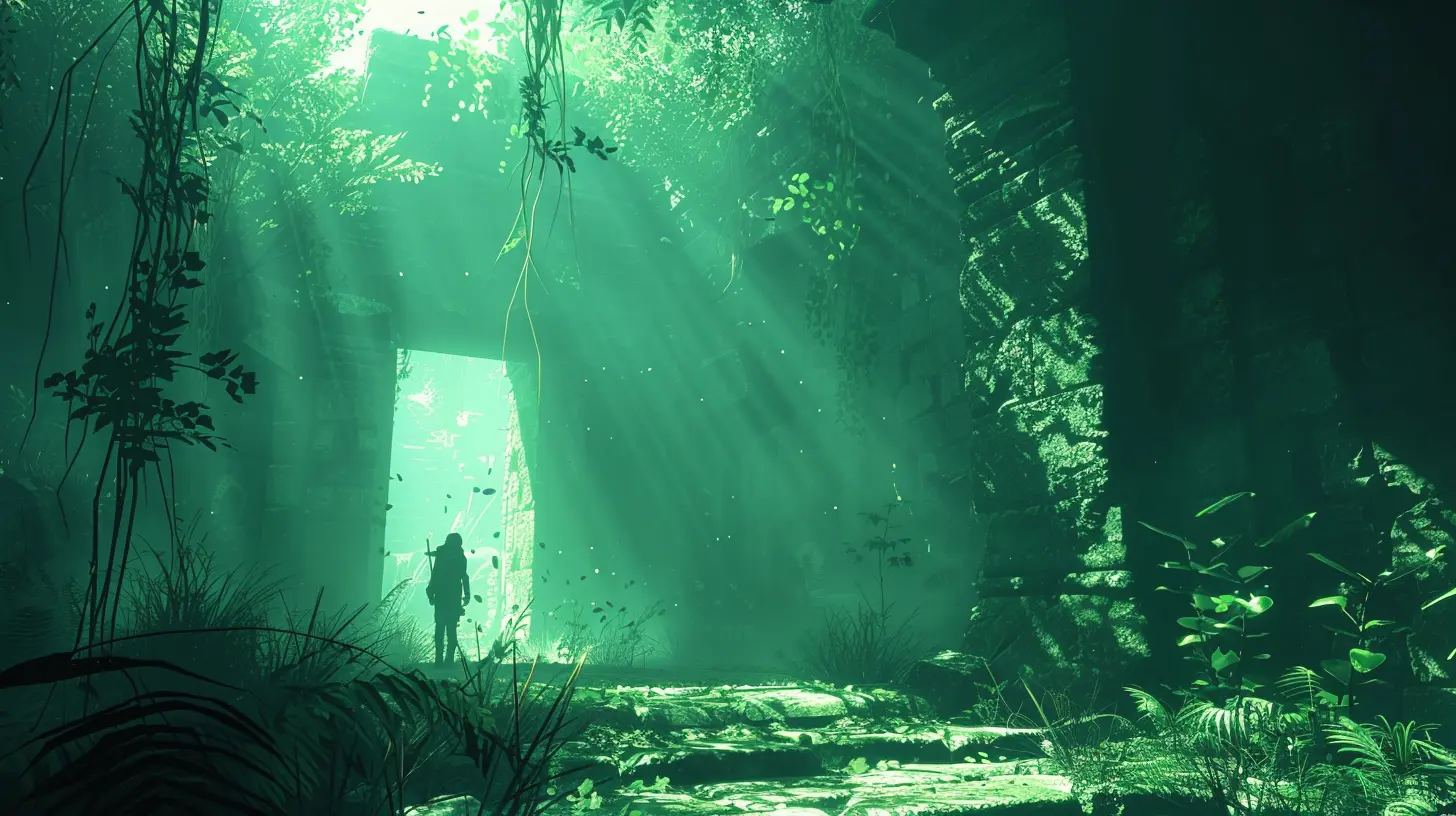
You ever binge a show where the plot unfolds super slow but keeps you on edge every flipping second? That’s the same vibe stealth games give off. Unlike fast-paced shooters or chaos-filled RPGs, stealth games force you to slow down—and that’s where the magic happens.Because the gameplay encourages patience, it naturally builds the space needed for deep, immersive storytelling. There’s time to absorb your environment, read that random computer log, listen in on guards' gossip, or just stand in a vent and ponder your character's life choices. Every little detail matters, and the story unfolds piece by piece like a juicy onion—layer by tasty layer.
Player Choice Drives the Narrative
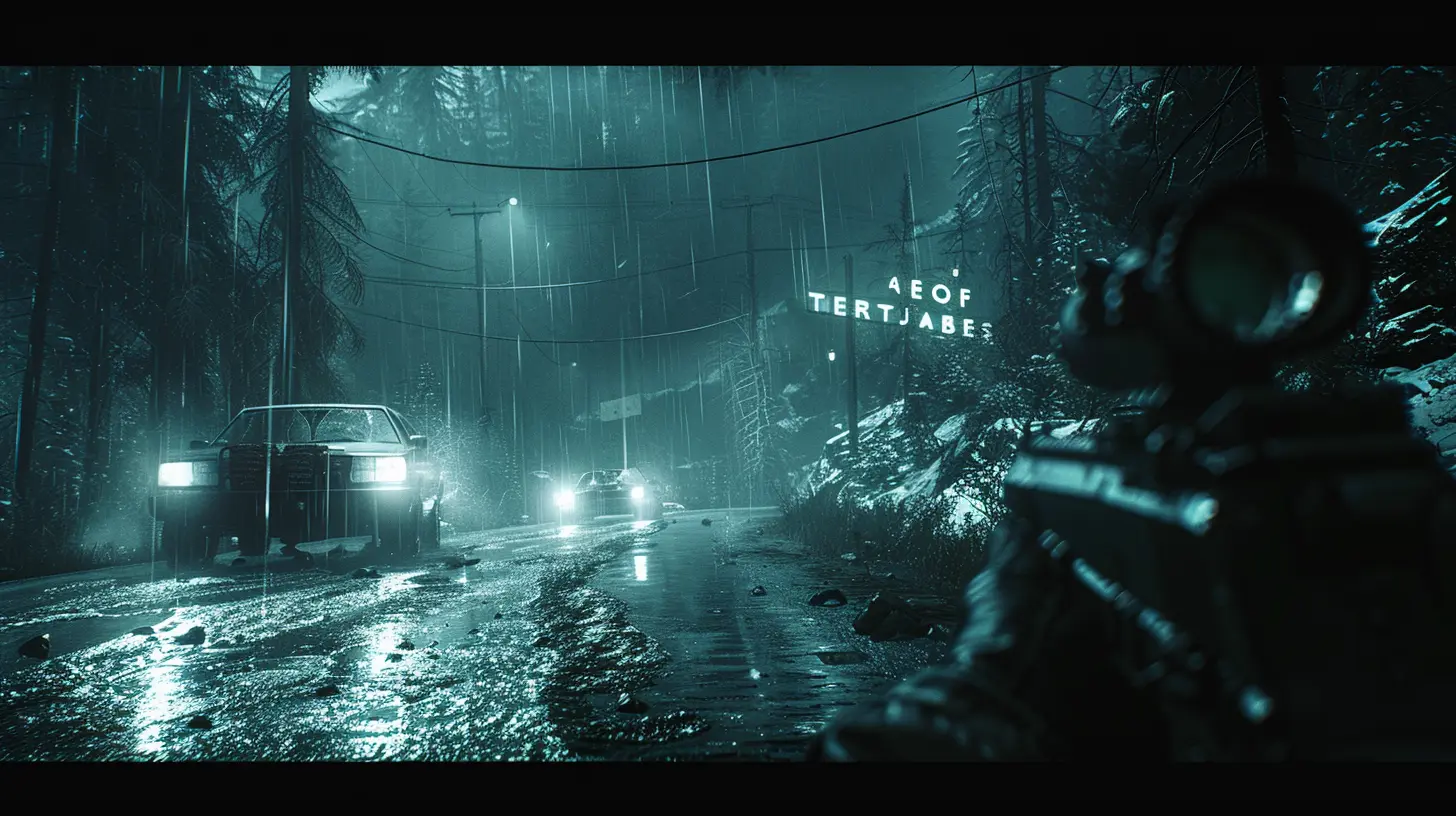
Want to sneak through the entire game without killing a single soul? Go for it. Feel like being a silent predator who eliminates targets with precision? That’s on the menu too. Stealth games are all about player agency, and that means the story often changes based on your actions.Games like Dishonored and Hitman excel at this. Your approach—be it lethal, pacifist, or wildly chaotic—affects not just the ending but the dialogue, character relationships, and even the world around you. The story becomes your story, not just one the devs toss at you like day-old pizza.
Atmosphere is Everything
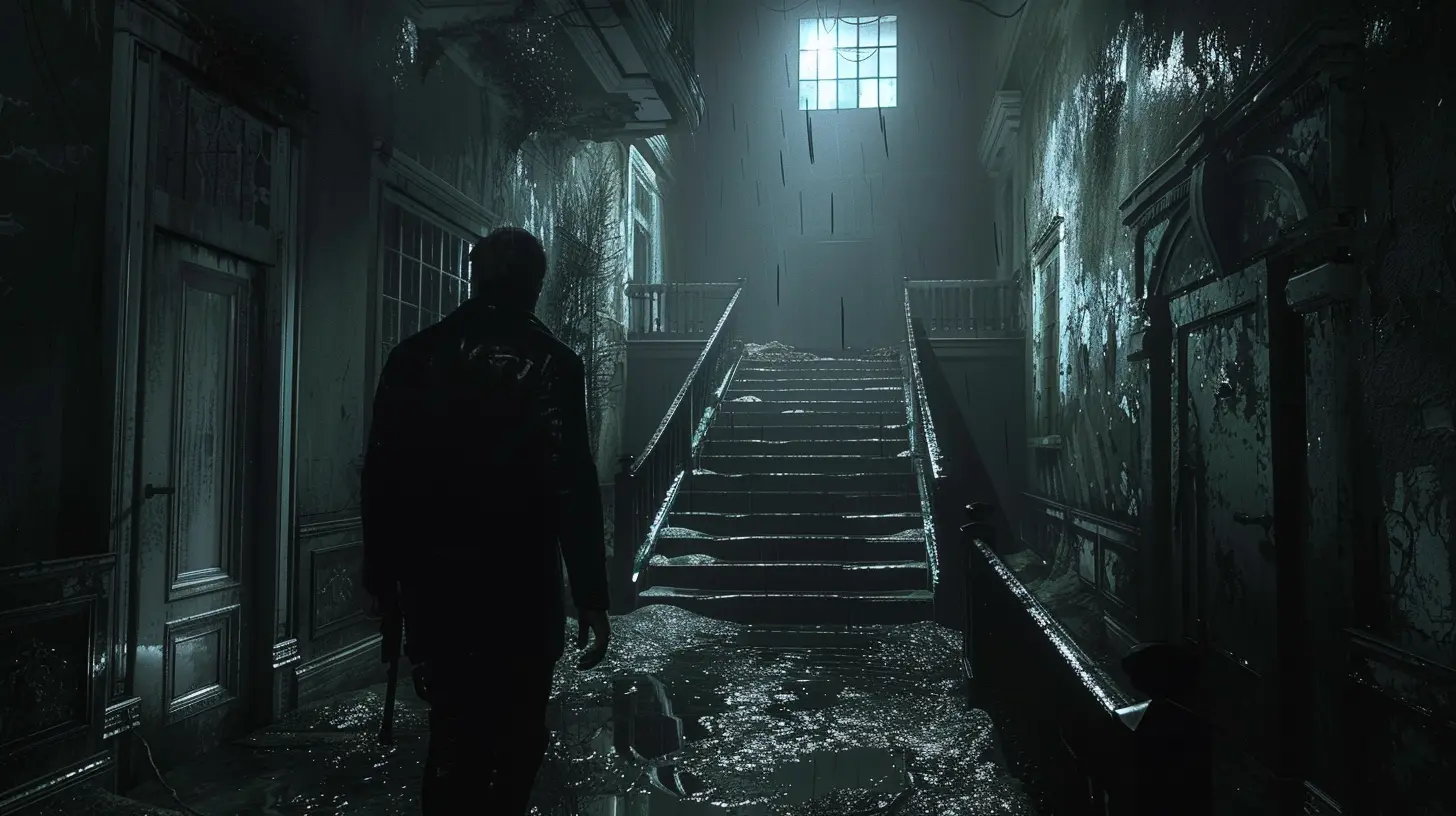
Let’s be real: a solid stealth game nails the vibe. From dimly lit corridors and eerie soundscapes to the ominous hum of security systems—it’s all about building tension. This atmosphere doesn’t just set the mood—it tells a story all on its own.Think about Thief or Metal Gear Solid. The moment you step into those worlds, you feel something. Is it dread? Curiosity? Paranoia? Yup—all of the above. The game speaks to you through its design, sound, and silence, not just flashy cinematics or endless exposition. That’s narrative gold, baby.
Dialogue Done Right
Let’s talk voice lines. You know those random guards muttering to each other? In stealth games, those side convos aren’t just filler—they’re world-building goldmines. Sometimes you learn more from eavesdropping than you do from the main dialogue.Real talk: storytelling thrives in the small stuff. That little convo between two scientists in Deus Ex? It tells you more about the world’s moral decay than a five-minute cutscene ever could. Stealth games turn overhearing into storytelling art, and suddenly, sneaking through a hallway is more riveting than a boss fight.
High Stakes = High Drama
When was the last time you felt panic while playing a game? Not frustration—real, edge-of-your-seat, heart-pounding tension. That's standard fare in a stealth game. Every move you make has consequences. Get caught? You might ruin everything. Mess up once? You could lose an entire mission.That level of anxiety creates instant emotional investment, which is the breeding ground for great storytelling. You’re more connected to the character’s plight, more aware of the setting, and way more likely to scream at the screen when a guard almost spots you through a sliver of broken glass. It's theatrical, darling—and we love it.
Character Development Hits Different
Let me drop some truth here: stealth games know how to build complex characters. Why? Because the slower pace lets the writers flex. You’re not rushing past every interaction—you’re immersed, invested, and paying attention.Whether it’s Sam Fisher questioning his morality, Garrett from Thief slowly unraveling a conspiracy, or the tragic arc of Corvo in Dishonored, stealth games slow-cook their characters to perfection. You’re not just watching their journey—you’re living it, step by sneaky step.
Immersion That Slaps
Good storytelling needs one thing above all: immersion. If you're pulled out of the experience, the story falls flat. But stealth games? Oh, they drag you all the way in. You're not just playing a character; you're becoming the character.From checking security cams to disabling alarms to hiding in lockers—every mechanic is designed to make you feel like you're there. It's not just gameplay—it's a full-on narrative lifestyle. You start thinking like your character, and that’s how the best stories stick with you long after the credits roll.
The Silent Narrative
Storytelling doesn’t always need words. Stealth games are masters of environmental storytelling—telling deep, emotional stories using just the world around you.A bloodied bed in a locked room. A half-written evac notice on a desk. A toppled surveillance drone surrounded by resistance graffiti. These are the subtle, unspoken breadcrumbs that lead you deeper into the narrative. Don’t blink, or you’ll miss a plot twist sitting right there in the background.
Emotionally Charged Missions
Stealth missions often carry an emotional weight that hits harder than a sledgehammer. You’re not just gunning down bad guys—you’re infiltrating enemy territory to rescue someone, to prevent something, or maybe to uncover the ugly truth behind a smiley corporate facade.These missions matter. They make you care. And when you care, you remember. That’s the kind of storytelling that leaves a lasting mark.
Conflict Without Confrontation
Not every story needs to end in a boss fight or a bloodbath. Stealth games prove that conflict can be cerebral, strategic, and even elegant. Instead of brute force, you’re using wit, timing, and creativity. The stakes are just as high—sometimes even higher—but the path to resolution feels smarter, more deliberate.This shift from action to strategy means the story isn’t about what you destroy—it’s about what you outsmart. It’s chess, not checkers, and it makes for richer, more nuanced narratives.
The Art of The Long Con
The best stealth games are long cons. You work your way in, gather intel, piece together the plot, and execute the perfect plan. This structure mirrors detective stories, spy thrillers, and even classic noir tales. And let’s be honest—those genres are tight as hell when it comes to storytelling.You, my friend, are the unseen puppet master, the invisible hand pulling the story’s strings. There’s something incredibly satisfying about watching your plan unfold flawlessly—especially when it brings down a corrupt empire from the inside.
Breaking The Fourth Wall (In a Good Way)
Sometimes, stealth games straight-up mess with your head—and your expectations. You’re quietly slipping through vents one minute, and the next, you're realizing the entire mission was a setup or that the character you trust is actually the villain.This kind of narrative twist hits harder when you’ve been lulled into that focused, stealthy mindset. You’re paying attention, you’re invested—and bam, the game yanks the rug out. It’s storytelling judo, and stealth games are black belts at it.
Realism Breeds Emotion
While fantasy worlds and sci-fi sagas are awesome, there’s something to be said about the grounded realism of many stealth games. Real-world environments, plausible tech, and morally gray characters make everything feel more authentic.This realism connects with players on an emotional level. You’re not just saving the world—you’re facing the same ethical dilemmas and human experiences that exist in real life. That makes the narrative hit heavy and linger.
Let’s Wrap This Up (You Sneaky Genius)
Alright, stealthy superstar. If you’ve made it this far, you probably already get it: stealth games aren’t just about staying hidden—they’re about telling stories in ways other genres dream of. Through tension, silence, atmosphere, player agency, and subtlety, stealth games weave narratives that stick with you long after you’ve powered down the console.So next time someone says stealth games are slow or boring? You look 'em right in the eye and say, “Nah, they’re just deep.” Because sometimes, the best stories are whispered—not shouted.
all images in this post were generated using AI tools
Category:
Stealth GamesAuthor:

Madeleine McCaffrey
Discussion
rate this article
2 comments
Brooke Watson
Stealth games: where every shadow is a cozy nook for a plot twist! Sneaking around feels like playing hide-and-seek with a narrative. Who knew being sneaky could unleash such epic storytelling? Let's tiptoe into adventure!
March 1, 2026 at 3:43 PM
Madeleine McCaffrey
Absolutely! Stealth games masterfully blend gameplay with narrative, making every shadow an opportunity for surprising twists and immersive storytelling. It's a thrilling way to engage with the plot!
Kalani Cain
In the shadows, secrets linger. Stealth games weave narratives that challenge perception, revealing truths as players navigate tension and intrigue. What stories lie hidden, waiting to be uncovered?
March 1, 2026 at 4:05 AM
Madeleine McCaffrey
Absolutely! Stealth games create immersive experiences that engage players in uncovering hidden narratives, where tension transforms every choice into a revelation.