Adaptive Enemies and the Future of Stealth AI
17 June 2026
Let’s be real, folks — stealth games have always been the thinking gamer’s playground. You aren’t just running and gunning; you’re stalking, planning, and outsmarting enemies who are supposed to be smarter than your average cannon fodder. But here’s the kicker: most stealth AI systems? They’re dated. Predictable. They still follow the same old patrol route like a mall cop on autopilot.
Now, imagine playing a stealth game where enemies actually learn from your tactics, adapt, and force you to stay one step ahead. That’s not science fiction anymore — that’s the future of stealth AI with adaptive enemies. And trust me, it’s both exciting and terrifying.
In this article, we’re diving deep into what adaptive AI means, why it matters for stealth games, and how developers are already laying the groundwork for smarter enemies that can think, plan, and change — just like you.
What Is Adaptive AI, Really?
Alright, first things first. Let’s break it down.Adaptive AI is a type of artificial intelligence that doesn’t just follow a pre-written script — it learns from what the player does and adjusts its behavior over time.
Think of it like this: You keep hiding in lockers every time things get hairy. With basic AI, enemies will just keep walking past. With adaptive AI? They’ll go, “Hmm, this dude’s always hiding in lockers. Next time, I’ll check there first.”
Creepy, right? But also insanely cool.
This leap in AI could mean a revolution in stealth gameplay. No more rinse-and-repeat strategies. Every enemy encounter becomes unique, unpredictable, and dynamic.
Why Stealth Games Are the Perfect Playground for Adaptive AI
Let’s face it — stealth games have always relied heavily on AI. Whether you're sneaking past cameras in Metal Gear Solid or knocking out guards in Dishonored, it's all about understanding and exploiting patterns.But here's the problem: once you crack the pattern, the game stops being tense. You’ve seen behind the curtain.
That’s where adaptive AI comes in. In stealth games, where players constantly test the limits of AI behavior, having enemies that evolve and learn creates a whole new layer of challenge.
Imagine each guard acting like its own person. Some are cautious. Others are aggressive. And all of them remember what you did last time.
Now we’re not playing a game — we’re playing chess.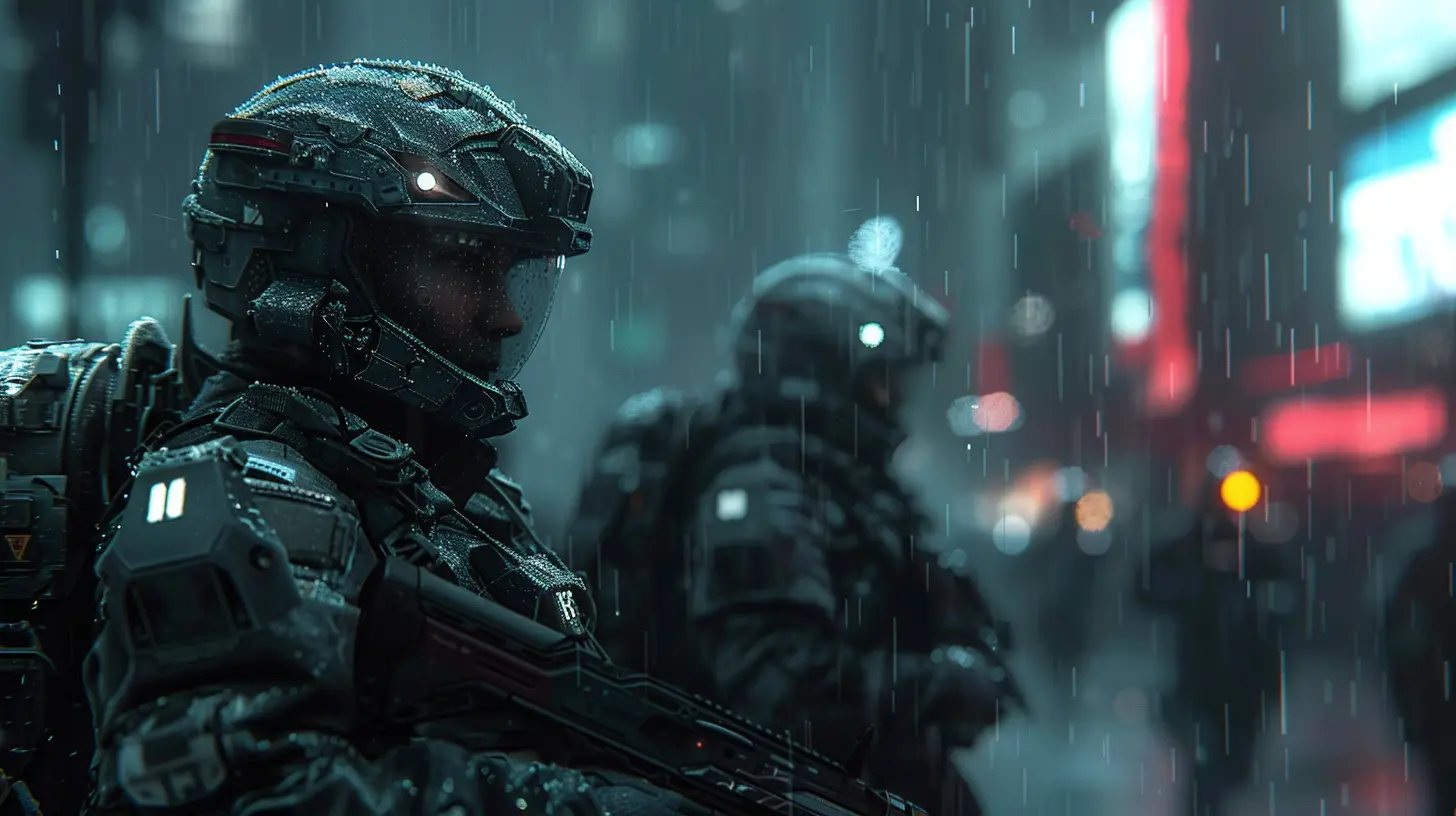
The Evolution of Enemy AI: From Dumb Bots to Smart Foes
Enemy AI has come a long way. Let’s have a quick flashback, shall we?- The 90s: Enemies in stealth games were glorified scarecrows. They followed set routines and couldn’t see you if you were crouched five feet away in broad daylight.
- Early 2000s: Games like Splinter Cell started to improve AI with line-of-sight and noise detection. But it was still mostly scripted.
- Modern Day: Now we have games like Hitman, where NPCs react somewhat dynamically to the environment. But even then, it’s reactive, not proactive.
Adaptive AI is the next big evolutionary step. Instead of just reacting, enemies will start predicting. They're not waiting to be fooled again — they’re learning how not to be fooled.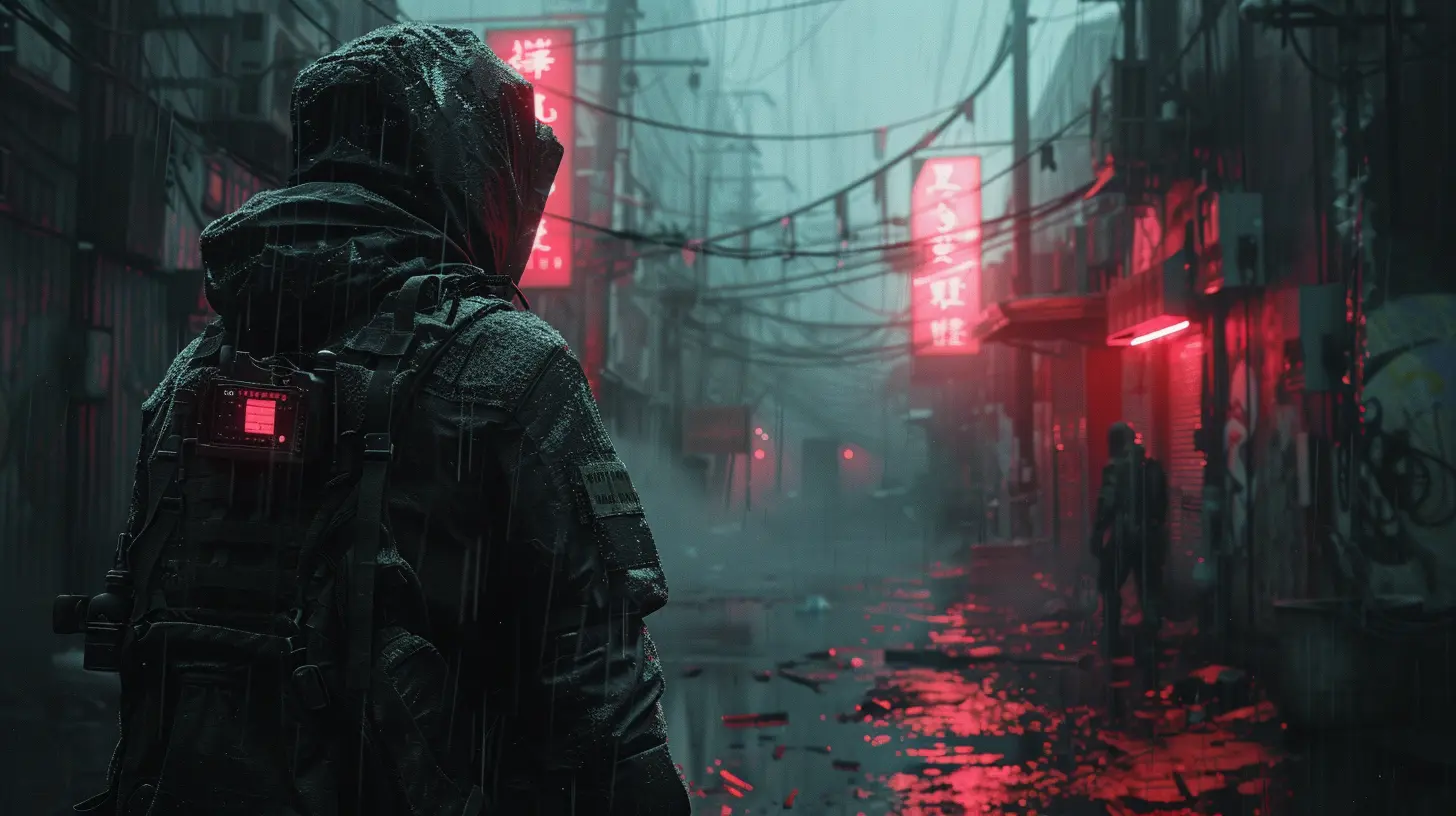
Real-World Examples of Adaptive Stealth AI (So Far)
Okay, it’s one thing to talk theory. Let’s get into who’s actually doing this right now.1. Alien: Isolation
This one is a standout example. The Xenomorph doesn’t follow predictable patrols. It hunts. It listens. It learns.If you use the flamethrower too often? It’ll start charging through it. Hide in closets every time? It’ll start checking.
It’s not perfect, but it’s a massive step toward truly adaptive enemy behavior.
2. Middle-earth: Shadow of Mordor / Shadow of War
These games introduced the Nemesis System, which isn’t exactly stealth-only, but it does deliver adaptive enemies.If an orc kills you, he levels up, remembers you, trash-talks you in your next encounter. It’s personal. And it’s brilliant.
Now imagine that depth in a stealth setting…
How Adaptive AI Could Change the Stealth Genre
Let’s paint a picture.You're playing a new-gen stealth game. You’ve been ghosting through enemies for hours. But then — bam! The guards start coordinating. One blocks your go-to escape route. Another shines a flashlight in your usual shadowy corner.
You're on the back foot.
That’s the magic of adaptive AI — it brings emergent gameplay to the forefront. Suddenly, no two playthroughs are the same. Even replays feel fresh because the enemy hasn’t forgotten your tricks.
This could lead to:
- Real-time tension: You're never sure what the AI will do next.
- Better replayability: Every run is unpredictable.
- Dynamic difficulty: The game naturally gets harder as you get better.
Adaptive AI makes stealth games feel like a battle of wits.
Challenges Developers Face With Adaptive AI
Of course, it’s not all rainbows and brainy bots.Creating adaptive AI is no joke. Here’s why:
1. Performance Overhead
Keeping track of player behavior, decision trees, and evolving strategies? That eats up CPU cycles. Not every system can handle it — especially older consoles or mid-range PCs.2. Balance Is Tricky
If the AI learns too well, the game stops being fun. You don’t want enemies to feel unfair or invincible.It’s a balancing act: smart enough to challenge, but not so smart that it punishes creativity.
3. Development Time
Building AI that evolves is a huge investment. Developers have to map out dozens of possible enemy reactions, test tons of edge cases, and make sure it all works seamlessly.That’s a lot of late nights and pizza boxes.
The Role of Machine Learning in the Future of Stealth AI
Now, here’s where we ride into sci-fi territory — machine learning.Yep, that buzzword isn’t just for tech bros anymore. It’s creeping into game development, especially for creating smarter enemies.
With machine learning, enemies could:
- Build models of your playstyle
- Share data across enemy units (like a hive mind tactic)
- Adjust their behavior in real-time based on your decisions
Imagine if the AI could analyze your past five game sessions and create a profile. “This player tends to sneak left, use distractions, and avoid lethal force.”
The AI could then assign a tactical team specifically built to flush out players like… well, you.
It’s scary. And awesome.
Will Players Actually Want This?
Here’s the million-dollar question: Do gamers even want AI that’s too smart?Funny thing is, not everyone does. Some players want to feel powerful. They want to master the system, not constantly adapt.
But for stealth fans — the hardcore sneaky crowd — this is a dream come true.
Adaptive AI rewards creativity, not memorization. It gives you a stage, and says, “Show me what you’ve got.”
So yeah, there’ll always be games with simpler AI for a casual experience. But for those of us who live for the thrill of outsmarting the game?
Bring it on.
The Bright Future of Stealth AI – What’s Next?
We’re already seeing glimpses of what’s coming — but the full potential? That’s still a few steps ahead.Expect to see:
- AI that communicates and coordinates: Enemies calling out positions, flanking together, setting traps.
- Environmental awareness: Guards noticing moved boxes or open doors you forgot to close.
- Personality-driven AI: Some enemies might be paranoid and overly aggressive; others might be lazy or careless.
And when all of this combines? You'll get a living, breathing stealth playground.
Picture Hitman meets Deus Ex, with AI as cunning as Sherlock Holmes. That’s the dream.
Final Thoughts: Why This Matters
Here’s the bottom line — games are evolving. Players are smarter. The old tricks aren’t cutting it anymore.Adaptive AI in stealth games is more than just a cool gimmick — it’s a necessary step forward. It keeps us on our toes. It makes games feel alive, reactive, and deeply personal.
Sure, it’s more work for developers. But the payoff? Games that feel like real, unpredictable worlds — not scripted stage plays.
So next time you hide in that dark corner or throw a bottle to distract a guard, just remember — they might have seen that one before.
And they’re learning.
all images in this post were generated using AI tools
Category:
Stealth GamesAuthor:

Madeleine McCaffrey
Discussion
rate this article
2 comments
Sheena Blair
The integration of adaptive enemies can revolutionize stealth AI, creating dynamic experiences that challenge players in innovative ways. By learning from player behavior, these systems can enhance tension and strategy, making stealth mechanics more engaging and rewarding while pushing the boundaries of immersive gameplay.
August 10, 2026 at 5:13 PM
Madeleine McCaffrey
You're spot on. Adaptive enemies could redefine stealth gameplay, adding depth and excitement as they learn from player actions. It's an exciting frontier for game design.
Will Gill
Oh great, now my stealth skills have to compete with genius-level enemies. Maybe I should just start a new strategy: running and hoping for the best... sounds fun!
June 22, 2026 at 3:09 AM
Madeleine McCaffrey
It's definitely a challenge! Embracing the chaos might just lead to some unexpected victories. Good luck with your new strategy!