Celebrating the History of the Zelda Franchise
3 January 2026
If you’re a gamer, chances are you’ve heard of The Legend of Zelda. Even if you’re not much of one, you’ve probably still come across it—either through its passionate fanbase or as a cultural reference. Over the past decades, this groundbreaking franchise has evolved into one of gaming’s most cherished treasures. But where did it all begin? And how has it grown into the powerhouse it is today?
Grab your Master Sword and a green tunic—it’s time to take a nostalgic romp through the enchanting history of the Zelda franchise. From its humble beginnings to its iconic status, we’ll explore the magic, innovation, and sheer brilliance that make Zelda a legend in the gaming world.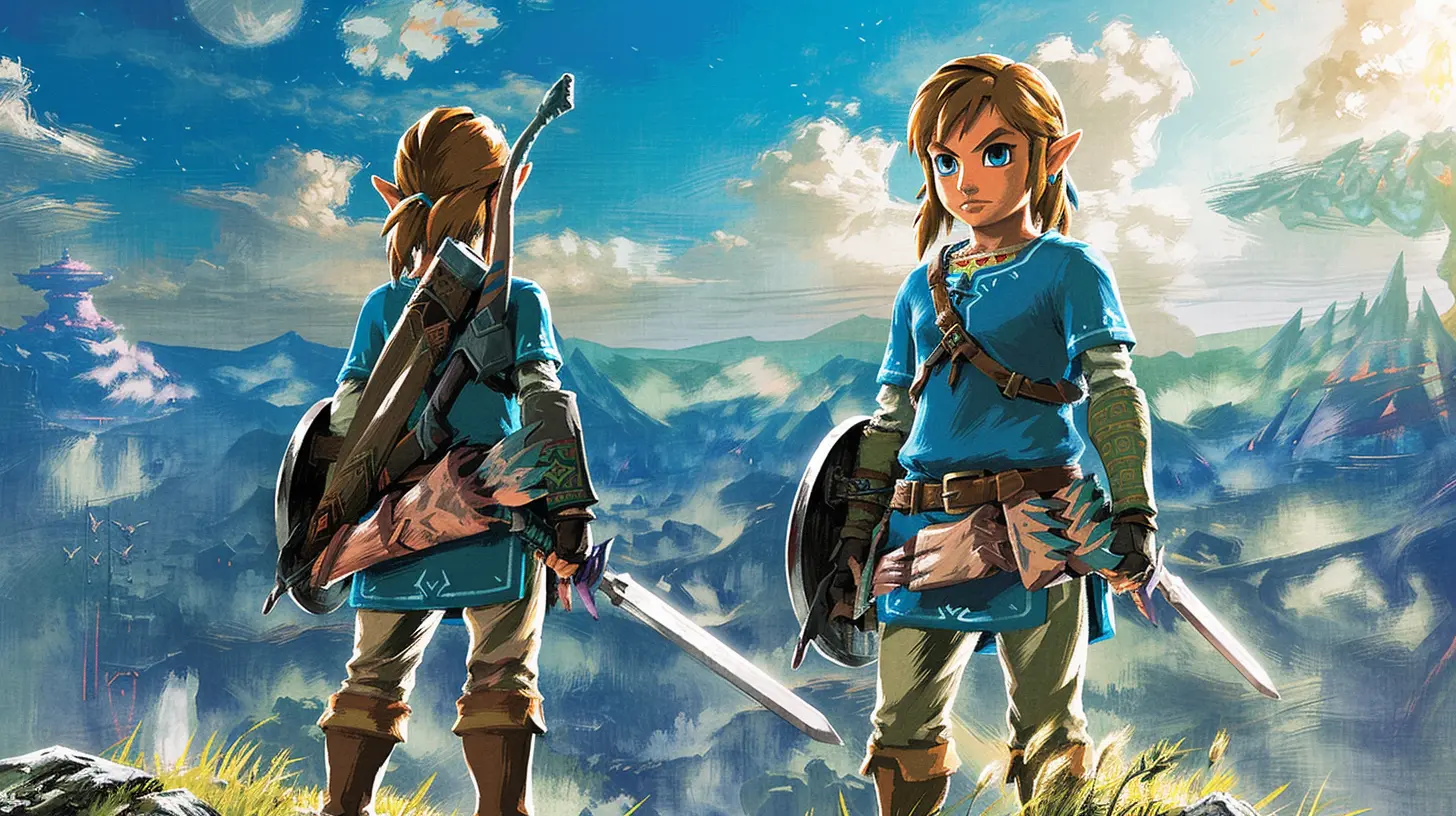
The Birth of a Legend: Origins of The Legend of Zelda
Let’s rewind to the mid-80s. It was the golden age of gaming, and Nintendo was on a roll. Enter Shigeru Miyamoto, the visionary creator behind Super Mario Bros. and a guy who would go on to change gaming forever. Inspired by his childhood adventures exploring caves, forests, and lakes near his hometown in Japan, Miyamoto wanted to craft a sense of discovery in a video game. And thus, The Legend of Zelda was born.Released in 1986 for the NES (Nintendo Entertainment System), The Legend of Zelda invited players into the sprawling world of Hyrule. Unlike most games of its time, Zelda wasn’t about linear progression. It was an open-ended experience where you could wander around, get lost, and stumble upon secrets on your own. For players used to point-A-to-point-B games, this was a revelation. It was like being handed a treasure map and told, "Go have an adventure!"
Oh, and let’s not forget—it was the first NES game to feature a save system, thanks to a fancy little battery in the cartridge. Groundbreaking stuff back then!
The Triforce of Success: Core Elements That Define Zelda
Before we dive deeper into the franchise’s evolution, let’s talk about why Zelda works so well. At its core, Zelda has always balanced three key things: storytelling, gameplay, and exploration. Think of this balance as the Triforce of Success (see what I did there?).1. Storytelling:
Whether it’s saving Princess Zelda, thwarting the evil Ganon, or unraveling the mysteries of time itself, Zelda games offer rich, engaging narratives. You’ll laugh, cry, and maybe even throw your controller in dramatic frustration—but you’ll never be bored.
2. Gameplay:
Zelda’s gameplay loops are legendary. From solving tricky puzzles to slashing enemies with Link’s trusty sword, there’s always something fun to do. Plus, each game introduces unique mechanics—time travel, sailing, motion controls—keeping things fresh.
3. Exploration:
At its heart, Zelda is all about the thrill of discovery. Whether you’re opening a treasure chest to reveal a shiny new item or uncovering a hidden cave, the games make you feel like an adventurer.
These pillars have allowed the franchise to thrive for over 35 years. Pretty impressive, huh?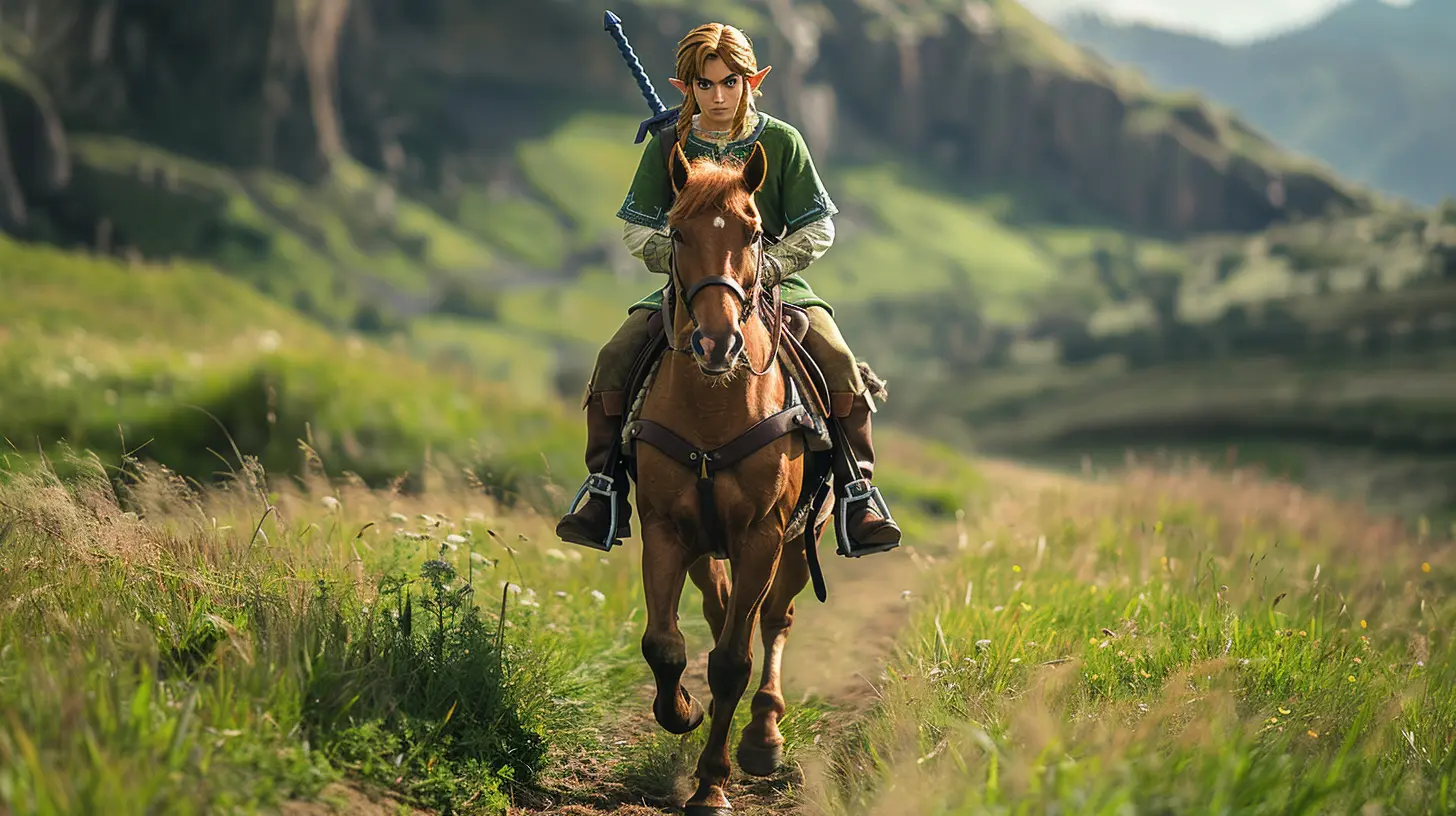
A Link to the Past: Early Milestones in the Franchise
After the original game’s success, Nintendo doubled down on crafting Zelda’s legacy. In 1987, Zelda II: The Adventure of Link hit the shelves. While it experimented with side-scrolling gameplay and RPG mechanics, it’s often seen as the black sheep of the series. Fun? Sure. But it lacked the magic formula of the first game. Thankfully, Nintendo was just getting started.Enter 1991’s The Legend of Zelda: A Link to the Past for the SNES. Ask any old-school gamer, and they’ll probably gush about how this game redefined what adventure games could be. A Link to the Past brought back the top-down perspective, introduced the much-loved dual-world mechanic (Light World and Dark World), and told an epic story that laid the groundwork for future titles. It’s still considered one of the best games ever.
Fast forward to 1998, and the franchise made a jaw-dropping leap into 3D with The Legend of Zelda: Ocarina of Time on the Nintendo 64. To say this game was a big deal would be an understatement. It was the game that proved 3D could work in complex action-adventure titles. From the revolutionary Z-targeting system to its sprawling open hub world, Ocarina of Time set a new standard for gaming. Honestly, if video games had a Hall of Fame, this one would be front and center.
Evolution and Experimentation: Zelda Breaks the Mold
Here’s the thing about Zelda—it never shies away from change. While the franchise stays true to its roots, it also loves to shake things up.In 2000, Majora’s Mask took a darker, quirkier turn. With its three-day time loop and eerie undertones, it confused some fans at first. But over time, it became a cult classic, proving that Zelda could handle mature themes and unconventional storytelling.
Then came The Wind Waker in 2002, which featured a bold, cartoony art style that initially polarized fans. Critics were like, "What’s with the cel-shaded graphics?" But guess what? The Wind Waker turned out to be a masterpiece of sailing, exploration, and charm. And those graphics? They’ve aged like fine wine.
Speaking of bold moves, let’s not forget 2011’s Skyward Sword. Its motion controls got mixed reviews, but its narrative—a precursor to the entire Zelda timeline—won hearts. It also set the stage for what came next.
Breath of Fresh Air: Reinventing the Franchise with Breath of the Wild
The Zelda franchise leveled up (again) in 2017 with The Legend of Zelda: Breath of the Wild. This wasn’t just a new Zelda game—it was a revolution. By embracing true open-world design, Nintendo gave players unprecedented freedom. You could climb mountains, fight enemies any way you wanted, or just cook meals by a campfire. It was your adventure.With its sprawling landscapes, dynamic physics, and endless possibilities, Breath of the Wild wasn’t just a game; it was a phenomenon. Critics called it one of the greatest games of all time, and fans? They couldn’t get enough. It redefined not just Zelda but open-world games as a whole.
Tears of the Kingdom and Beyond: The Future of Zelda
In 2023, Nintendo released The Legend of Zelda: Tears of the Kingdom, a sequel to Breath of the Wild. Building on its predecessor’s success, it expanded the sky-high limits of exploration and puzzle-solving. But what’s next for Zelda?Only time will tell. Whether it’s a new art style, innovative gameplay mechanics, or another unexpected twist, one thing’s for sure: Zelda will continue to captivate us. That’s the beauty of the franchise—it keeps surprising, delighting, and inspiring us to embark on new adventures.
Why Zelda Remains Timeless
So, why does the Zelda franchise still resonate after all these years? Maybe it’s because it taps into something universal—a love for adventure, discovery, and courage against the odds. It’s the kind of game that makes you feel like a kid again, no matter how old you are.Plus, let’s be real—it’s just plain fun. Whether you’re solving a tricky dungeon puzzle, battling a fearsome boss, or simply galloping across Hyrule Field on Epona, there’s never a dull moment.
The Zelda franchise isn’t just a series of games; it’s an experience. It’s a reminder that sometimes, life’s greatest treasures are found not at the destination but along the journey. And isn’t that a message worth celebrating?
Conclusion
From the pixelated charm of the 8-bit era to the jaw-dropping realism of modern titles, Zelda has come a long way. It’s a franchise that has not only stood the test of time but also pushed the boundaries of what games can be. Whether you’re a longtime fan or a newcomer, there’s no denying the magic of The Legend of Zelda.So, the next time you pick up a Zelda game, take a moment to appreciate its rich history. You’re not just playing a game—you’re stepping into a legacy. And who knows? Maybe you’ll find your own piece of the Triforce along the way.
all images in this post were generated using AI tools
Category:
Gaming HistoryAuthor:

Madeleine McCaffrey
Discussion
rate this article
3 comments
Georgina McQuillan
This article beautifully captures the essence of the Zelda franchise and its incredible journey. The insights into its evolution and impact on gaming culture are both informative and nostalgic. Thank you for celebrating such a beloved series that has touched the hearts of many!
April 9, 2026 at 4:07 AM
Madeleine McCaffrey
Thank you for your kind words! I'm glad you enjoyed the article and appreciate the impact of the Zelda franchise.
Georgina Chavez
What a fantastic tribute to the Zelda franchise! Here's to the adventures and memories that continue to inspire us all!
January 18, 2026 at 4:19 AM
Madeleine McCaffrey
Thank you! The Zelda franchise indeed holds a special place in our hearts, inspiring countless adventures and memories. Here's to many more!
Lauren McTigue
The Zelda franchise transcends mere gaming; it’s a cultural phenomenon that intertwines innovative gameplay with timeless storytelling. Each title not only builds on the rich lore but also pushes the boundaries of creativity and design, leaving an indelible mark on the industry. Here’s to its enduring legacy!
January 7, 2026 at 4:48 PM
Madeleine McCaffrey
Thank you! I completely agree—the Zelda franchise truly is a landmark in gaming, shaping both the medium and popular culture with its creativity and storytelling.