Games That Changed Genre Expectations
24 August 2026
What if I told you that a handful of games didn’t just redefine what we knew about their genres—they completely tore up the rulebook and wrote a new one in bold, blazing letters?
Yeah, it sounds dramatic. But stay with me.
Gaming’s not just about shooting, scoring, or stacking blocks anymore. Over the years, certain titles have stomped into the scene, looked genre expectations square in the eye, and whispered—"Nah, we can do better."
This is a lyrical journey through the games that changed genre expectations—the rebels, the pioneers, the surprise hits that flipped entire categories on their heads. Think of it as a musical playlist where each track is a groundbreaking experience that stretched the boundaries of what a game could be.
So grab your favorite drink, settle into your gamer throne, and let’s dive into the digital symphony that changed the way we play.
? When an Italian Plumber Redefined Platformers – Super Mario 64
Let’s kick things off with royalty.Before Super Mario 64, platformers were mostly side-scrolling affairs. You'd go left to right, hop over pits, dodge baddies, and reach the flagpole. Rinse, repeat. But then came 1996, and with it, Nintendo tossed its hat into the 3D ring.
This wasn’t just an evolution—it was a revolution.
Super Mario 64 brought an entire castle to explore, tight analog control, and a free-moving camera that took us from "press A to jump" to "jump, dive, wall kick, and triple flip into a world of imagination."
Genre shattered. Expectations shattered. Childhoods made.
Why it changed things:
It wasn't just a platformer in 3D. It was the blueprint, the Rosetta Stone for every 3D platformer that followed—right down to today.
? Roleplaying Reimagined – The Witcher 3: Wild Hunt
You’ve probably heard people whisper “Witcher 3” like it’s a spell. And honestly, it kind of is.Not because it’s just a massive RPG. Not because it’s visually stunning or has hauntingly good music. But because it completely redefined what meaningful storytelling in an open-world game could be.
Quests weren’t just "kill this" or "fetch that." Each one was a tale—intertwined, emotional, often morally ambiguous. The world didn’t wait for you; it lived and breathed on its own.
Key magic:
It blurred the lines between main quests and side quests, making every choice matter. It raised the bar so high that future RPGs had to up their narrative game to even stay in the race.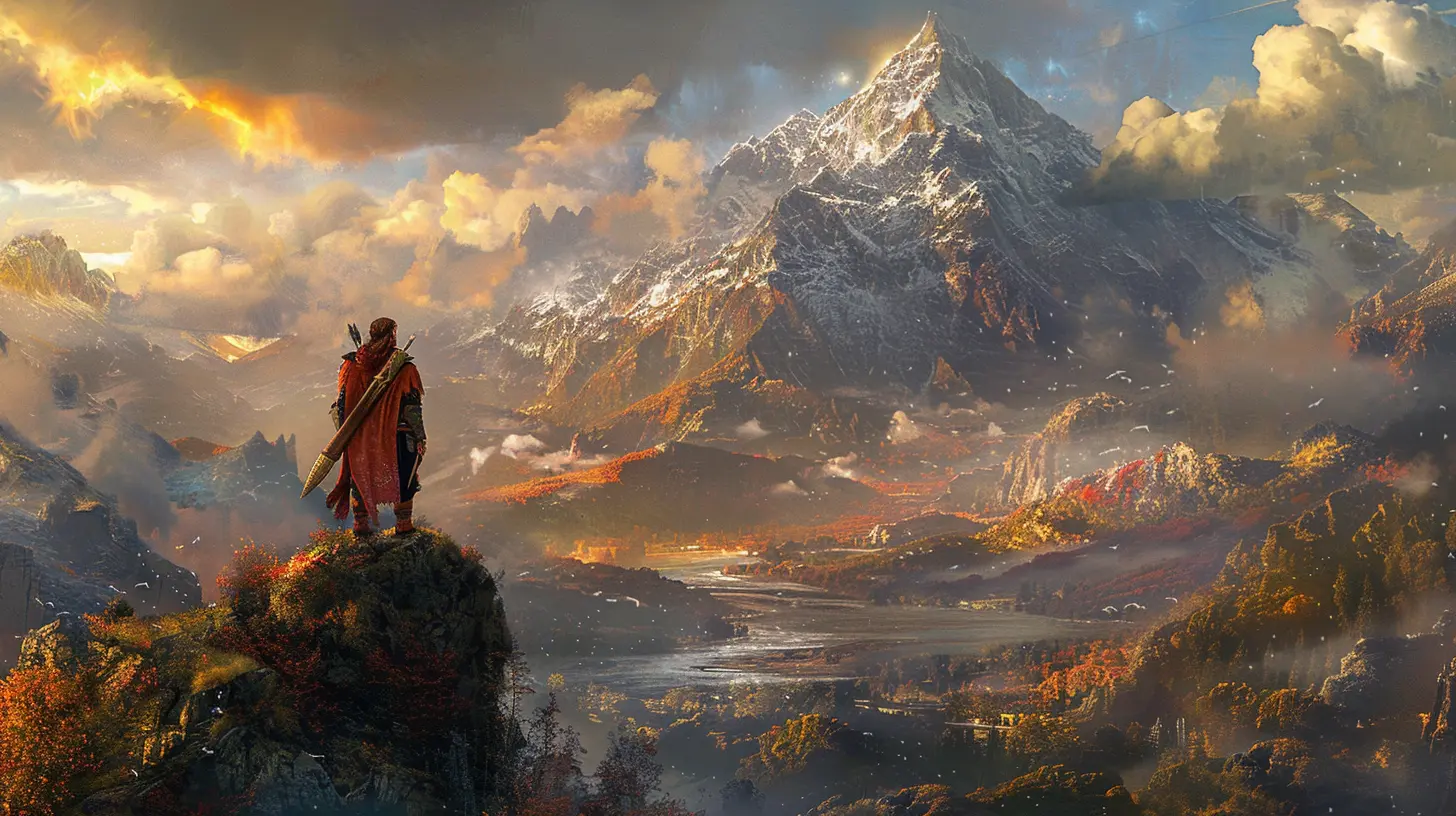
? First-Person Shooter, But Make It Existential – Bioshock
“Would you kindly…?”Sixteen years later and that phrase still sends chills. When Bioshock emerged from its underwater Atlantean depths in 2007, it brought more than guns and plasmids—it brought philosophy, morality, and a deep questioning of player agency.
Yeah, it’s technically a shooter. But also, it’s not.
It asked you questions no shooter had ever dared to ask. About free will. About consequence. About the illusion of choice.
Its genre-defining twist?
It made the FPS genre start thinking—really thinking. Suddenly, your controller wasn’t just a weapon. It was a mirror.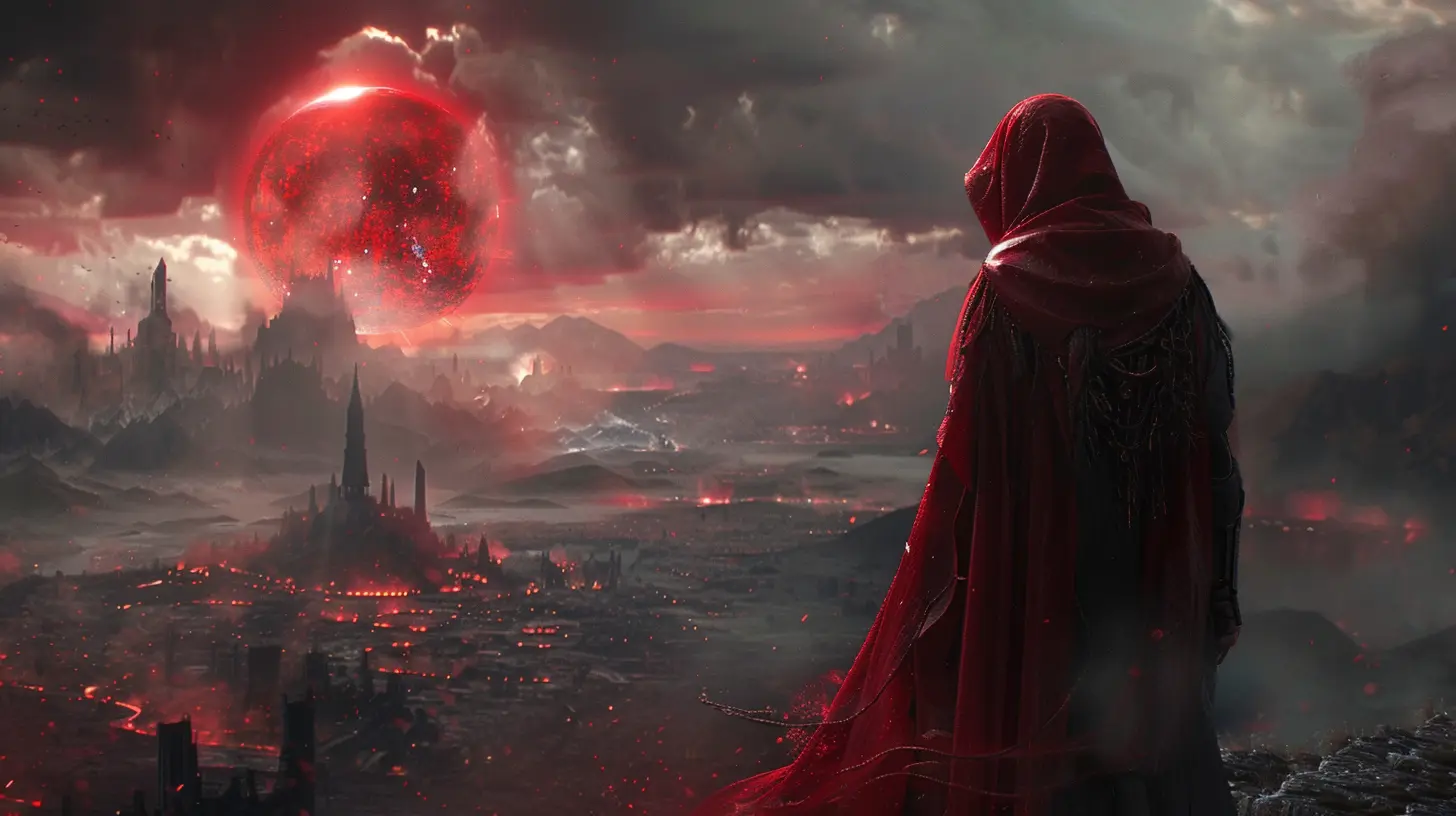
? Sandbox Symphony – Minecraft
Blocks? Really?That’s what we said when we first saw Minecraft. Who knew it would become the best-selling game of all time and create an entirely new genre of survival-crafting sandbox experiences?
There was no mission. No high score. No final boss (at least not in the traditional sense). Just you, the world, and your imagination.
How it changed the game:
It broke genre molds by saying, “What if the game’s only goal was to let you build your own game?” And that resonated—deeply.
We went from players to creators. It wasn’t a game. It was digital Lego with infinite possibility.
? Battle Royale Before It Was Cool – PUBG
Before Fortnite danced its way into the zeitgeist, PlayerUnknown’s Battlegrounds (or PUBG for the cool kids) dropped 100 players into a shrinking arena and said, “May the odds be ever in your favor.”Sure, it borrowed from mods and survival shooters. But it packaged them up into a game mode that became its own genre—Battle Royale.
No respawns. One life. Tension thicker than a bowl of oatmeal.
Industry ripple effect:
Every shooter that followed had to ask itself—“Do we need a battle royale mode?” Spoiler: Most tried. Few succeeded.
? Soulsborne and the Art of Dying – Dark Souls
"You Died." Two words. One legacy.Dark Souls didn’t care about your feelings. It wasn’t interested in hand-holding or checkpoints every five seconds. It demanded patience, precision, and a whole lot of learning through failure.
But here’s the twist—it wasn’t just punishing. It was fair. If you died, it was usually your fault. And when you finally beat that boss after the 37th try? Pure euphoria.
So how did it change expectations?
It made difficulty respectable again. It made "hard" cool. And it gave birth to an entire subgenre—Soulslike.
Now, every time a dev says, “inspired by Dark Souls,” we brace ourselves—for pain and for glory.
? Breaking Reality – The Legend of Zelda: Breath of the Wild
This one? Oh, this one will go down in hymn and legend.Back in 2017, Breath of the Wild didn’t just redefine open-world games—it threw the whole genre into the wild and said, “Survive however you want.”
No mandatory quest order. No artificial barriers. Just you, a glider, and a world bursting with surprises.
Want to walk to the final boss right after the tutorial? Go for it. Want to cook 101 mushroom stews and set everything on fire? Please do.
It wasn’t structured. It was organic.
Why it mattered so much:
It reminded developers that open-world design should be about freedom—not filler. And suddenly, towers and map markers felt so… 2016.
? The Indie That Roared – Undertale
Who’d have thought a game made by one person—hi Toby Fox—would flip RPGs on their pixelated heads?Undertale wasn’t just quirky and funny. It rewrote genre rules by letting you finish the game without killing a single enemy. You could talk your way out of combat. Make friends. Show mercy.
In a genre known for grinding and grinding, it offered empathy.
The real innovation:
It made emotional intelligence part of the gameplay. Choices weren’t just cosmetic—they rippled through every interaction, down to the bone.
? Cinematic or Game? Why Not Both – The Last of Us
Some might call it "just another zombie game." But we know better, right?The Last of Us took the action-adventure formula—explore, fight, survive—and infused it with storytelling so intimate, so raw, it left players emotionally wrecked.
It wasn't about killing clickers. It was about feeling every decision, every loss, every moment of quiet between the chaos.
What made it groundbreaking?
It proved that storytelling in games can hold up against the best of film and TV. That emotional beats could hit as hard as gameplay mechanics.
? The Art of Genre-Hopping – Hades
Now imagine this: a roguelike that’s also a dating sim. And an action game. And a Greek mythology lesson. And somehow… it all works?That’s Hades.
Supergiant Games took one of the most notoriously punishing genres—the roguelike—and made it addictive, narrative-driven, and dare I say… romantic?
Each death wasn’t a failure. It was a chance to uncover more story, flirt with gods, and unlock deeper truths.
Why it redefined expectations:
It showed that roguelikes don't have to be just about permadeath and randomness. They can tell stories. Deep ones. With real characters and consequences.
And they can be sexy too. ?
? When You Don’t Play the Game – Journey
This one? It's not about high scores or even traditional mechanics.Journey is an experience. A silent story of movement and connection told entirely through visuals and a haunting score. Two wanderers. No communication, yet bound by shared exploration.
It’s art, pure and simple. And it made the industry stop and go, “Wait, games can do that?”
Genre twist:
It defied classification altogether. Was it a platformer? A walking sim? A poem written in pixels?
Who cares. It was unforgettable.
? Honorable Mentions in Genre-Bending Greatness
Let’s tip our digital hats to a few more rebels that didn’t play by genre rules:- Portal – A puzzle game disguised as a dark comedy FPS.
- Metal Gear Solid 2 – Broke the fourth wall before it was cool.
- No Man’s Sky – A comeback tale that eventually defined its genre.
- Tetris Effect – Took a classic and turned it into a kaleidoscope of emotion.
- Death Stranding – Invented the "Strand" genre (whatever that means), but made walking… profound?
? Final Thoughts – The Joy of the Unexpected
Here’s the truth: genres are just labels. Boxes. And the best games? They jump out of those boxes, tear through expectations, and invite you to dance in the unknown.They make your controller an instrument. Your playthrough a poem.
So next time you fire up a new title, ask yourself—“Will this game surprise me?”
Because the best ones always, always do.
all images in this post were generated using AI tools
Category:
Game Reviews ArchiveAuthor:

Madeleine McCaffrey
Discussion
rate this article
2 comments
Kiera McTier
This article highlights the pivotal games that reshaped how we view various genres. It's fascinating to see how innovative mechanics and storytelling can redefine player experiences. Each title mentioned not only set new standards but also influenced countless titles that followed. A must-read for any gamer.
September 29, 2026 at 5:15 PM
Darius Wheeler
It's fascinating how certain games have pushed boundaries and reshaped our understanding of genres. They not only challenge our expectations but also spark new ideas and creativity in the gaming world. Celebrating these transformative titles reminds us of the power of innovation and the joy of discovery in gaming.
August 30, 2026 at 3:37 AM