Games That Changed the Way We Think About Morality
24 April 2026
Ever sat in front of your screen, controller in hand, and had to make a decision so gut-wrenching you actually paused the game just to think it through? We’ve all been there. Games aren’t just flashy graphics and button-mashing anymore; they’ve become powerful tools for storytelling and exploring what it means to be human. And when it comes to morality? Some games dig deep. Like, "question-your-life-choices" deep.
In this post, we’re diving into the games that didn’t just give us epic bosses or fantastical lands—they gave us moral dilemmas that stuck with us long after the credits rolled. These are the games that made us think, feel, and sometimes squirm in our seats. Ready to rethink what video games are capable of? Let’s get into it.
Why Morality in Games Hits Different
You know those late-night debates about whether you chose the “right” ending in a game? That happens because interactivity turns abstract ideas—like ethics, choice, consequence—into intensely personal experiences. Unlike books or films, games hand the reins to you. You’re not watching someone make a tough call—you’re making it.When a game puts a tough decision in your lap, it forces you to consider your own beliefs, biases, and values. Do you save the village or your companion? Spare the enemy or exact revenge? These choices shape the narrative and, in some cases, impact your real-world perspective.
1. The Witcher 3: Wild Hunt – Morality Isn’t Black and White
Let’s kick things off with Geralt of Rivia. If The Witcher 3 taught us anything, it’s that moral choices don’t always come with neon signs saying "right" or "wrong."This game drops you into a complex world where every decision has weight. Save someone now, and it might backfire horribly later. There are no perfect solutions. Just shades of grey smeared across a morally gritty landscape.
You might rescue a cursed spirit thinking you’re doing the noble thing, only to find out later you doomed an entire village. Ugh, gut-punch.
The brilliance of Witcher 3 is how it mirrors real life—good intentions don’t always lead to good outcomes. That realism makes its moral challenges hit hard.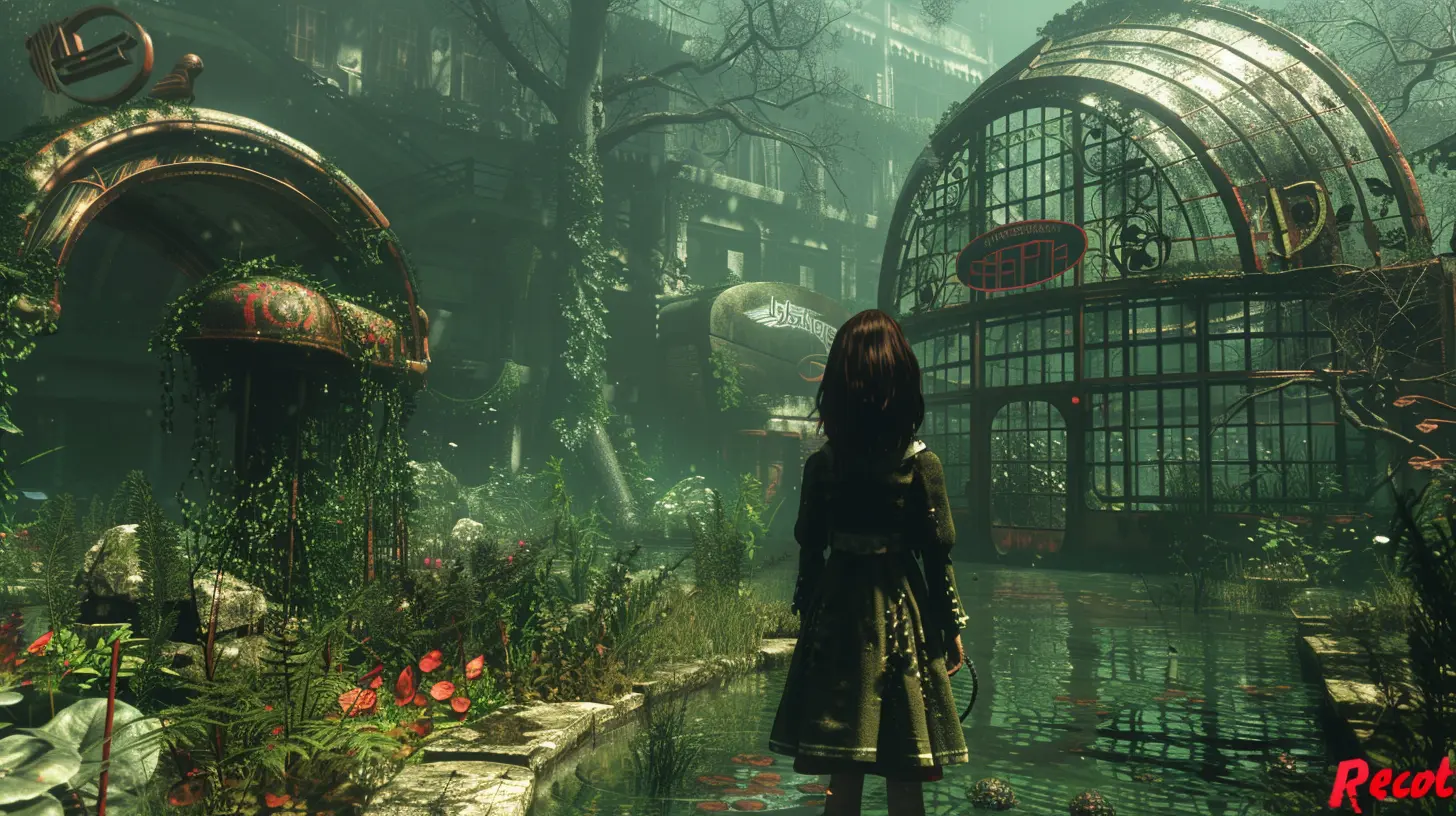
2. Undertale – Mercy Over Murder
Now let’s swing to the opposite end of the gaming spectrum—an indie darling with pixelated graphics and a heart bigger than any AAA title: Undertale.At first glance, it looks like a retro-style RPG. But oh boy, it quickly turns into a masterclass in moral philosophy.
Unlike traditional games where you bash your way through enemies, Undertale gives you a choice: fight or show mercy. And it sticks to that theme obsessively. Show enough mercy, and the game notices. Go on a killing spree? Yeah, it remembers that too.
Undertale is all about empathy. It makes you feel for your “enemies.” Every monster has a backstory, a personality, a reason for being in your way. By encouraging non-violent solutions, it flips video game norms on their head—and forces you to reckon with your actions.
3. BioShock – Free Will vs Control
“Would you kindly…” That line still gives us chills.BioShock is a masterclass in narrative design, and at its core, it's a philosophical sucker punch about free will, autonomy, and moral agency. Set in the underwater dystopia of Rapture, the game paints a world driven by Objectivist ideals—and completely unravels them.
The big twist? You, the player, were never truly in control. You’ve just been following orders. That realization makes you reevaluate every "choice" you thought you’d made. Were you ever making moral decisions—or just doing what you were told?
It’s a bold commentary on how games (and maybe even life) can give the illusion of choice while pulling strings behind the scenes.
4. Red Dead Redemption 2 – The Weight of Redemption
Arthur Morgan starts out as an outlaw, plain and simple. But by the time the credits roll on Red Dead Redemption 2, you’ve gone through an emotional, philosophical wringer.This isn't just a cowboy game. It’s a deep dive into identity, honor, and what it really means to be "good" in a world that’s falling apart.
Arthur’s choices, particularly later in the game, carry emotional gravity. Do you help others at your own expense? Do you fight for a chance at redemption even if your past is stained in blood?
Rockstar crafted a world where your actions echo. Treat people with kindness, and you’ll see it reflected in small but powerful ways. Live selfishly, and the game doesn’t let you forget it.
5. Mass Effect Series – Morality and the Greater Good
Commander Shepard’s journey across the Mass Effect trilogy is packed with impossible choices. Save a species or sacrifice them for the greater good? Trust an old enemy or play it safe? The beauty here isn’t just the story—it’s how your decisions ripple across games.Mass Effect isn’t about clear-cut morality. It's about weighing the cost of your choices. Sometimes, there’s no “good” option, only the “least terrible” one.
And let’s not forget the Paragon vs Renegade system. It’s not just about being nice or mean—it’s about how you view leadership, duty, and diplomacy.
You’re not just shaping a character—you’re shaping a legacy. And that’s a heavy load to carry.
6. Spec Ops: The Line – The Horrors of War and Moral Disillusion
Most shooters glorify war. Spec Ops: The Line tears that fantasy to pieces.On the surface, it looks like a standard third-person military shooter. But as you dig deeper, it becomes clear: this game isn’t about heroism. It's about the psychological toll of war and the illusion of moral clarity.
The most infamous moment? Using white phosphorus. It’s a chilling sequence that forces you to live with the consequences of your actions—and it's not easily forgotten.
Spec Ops makes you question everything you’ve been conditioned to believe about “the good guys.” It’s haunting, powerful, and uncompromising in its message.
7. Heavy Rain – How Far Would You Go?
Heavy Rain asks one terrifying question: What would you do to save your child?That’s not a metaphorical "what if." The game literally puts you in that position, forcing you to make gut-wrenching decisions that test your moral compass.
Cut off a finger? Kill a man? Lie? Steal? The game doesn’t shy away from emotional extremes, and it's brilliant because of it.
It’s more than just a murder mystery—it’s a psychological rollercoaster about loss, sacrifice, and the limits of love. Every choice you make shapes the story, and there's no rewind button.
8. Life is Strange – Butterfly Effects and Heartbreaking Choices
Time-travel powers sound cool until you realize every little decision you make has huge consequences. Life is Strange leans into that idea hard.You play as Max, a teenager with the power to rewind time. But this isn’t about fixing grades or avoiding embarrassment—it’s about saving lives, uncovering dark secrets, and facing moral dilemmas that hurt.
Do you sacrifice one person to save many? Do you change the past, knowing it might destroy the future?
Life is Strange nails the idea that morality isn't just about right and wrong—it’s about living with the consequences of your actions. And man, those consequences hit hard.
Why These Games Matter
So, why are we talking about this? Because morality in games isn’t just a cool plot device—it’s a mirror.Games allow us to explore ethical gray areas in a way other media can’t. They push us to confront uncomfortable truths, to challenge what we think we know, and to grow. Whether you spared a villain or doomed a friend, those decisions stick because they felt real.
It's not just about the story—it’s about what the story says about us.
The Evolution of Moral Gameplay
Over the years, we've seen a huge shift in how games approach morality. Early games treated moral choices like a point system. Be nice? +10 good points. Be a jerk? -10 points. Simple, sure—but not very meaningful.Now? Games are starting to understand that morality is messy. It’s not a meter you fill up—it’s a web of actions, consequences, and emotional fallout. Developers are creating systems where your choices matter more subtly but much more deeply.
And honestly? That's what keeps us coming back.
Final Thoughts: Play With Purpose
Video games are more than escape—they’re reflection. They give us permission to explore parts of ourselves we might not otherwise examine. And when a game challenges you morally, it’s not just good storytelling—it’s good soul-searching.So next time you’re faced with a difficult decision in a game, don’t just think about the high score. Think about what that choice says about you.
And remember: sometimes, the hardest choices define us the most.
all images in this post were generated using AI tools
Category:
Game Reviews ArchiveAuthor:

Madeleine McCaffrey
Discussion
rate this article
2 comments
Penelope Perry
Morality systems often reduce ethics to a score. The best games make us *feel* the weight of the choice, not just track it.
April 30, 2026 at 4:49 AM
Madeleine McCaffrey
I completely agree. The best games immerse us in the consequences of our choices, making morality a poignant experience rather than just a number.
Desiree Duke
Love this collection. Games that make you question your own choices are the ones that truly stick with you long after the credits roll.
April 29, 2026 at 4:14 PM
Madeleine McCaffrey
I completely agree. Those games can really leave a lasting impact and make us reflect on our own values.