Hidden Details That Make These Games Worth Replay
31 March 2026
Ever finish a game and immediately feel the urge to dive back in? Not just because it was fun, but because you sensed there was more—something you missed? You're not alone. Some games are built like layered cakes, with details buried so deep, you need multiple playthroughs just to scratch the surface.
In this article, we’re cracking open those titles that leave breadcrumb trails, secret doors, and subtle nods designed to reward the committed player. If you’ve ever wondered whether a second (or third) run is worth your time—spoiler alert—it absolutely is.
Let’s dig into those hidden details that make these games worth replaying and uncover why these brilliant little touches elevate them from "great" to "legendary."
1. The Witcher 3: Wild Hunt – Choices That Actually Matter
Most RPGs brag about branching paths and meaningful decisions. But in The Witcher 3, they take it to a whole new level.On your first go, you might just follow your gut—side with this faction, spare that character, ignore some peasant’s sob story. But if you do a second run and make different choices, you’ll soon notice that even tiny decisions ripple through the world like a stone skipping across a lake.
What Makes It Worth Replaying?
- Subtle cause-and-effect: Some consequences won’t reveal themselves for hours or even entire acts later.- Multiple endings: Depending on how you treat Ciri, you get completely different resolutions to her story.
- Exclusive quest branches: Taking one side can shut down entire questlines from the other.
It’s not just about seeing new content—it’s seeing a different version of the same world, shaped by your hand.
2. Red Dead Redemption 2 – An Open World That Breathes
At first glance, it's a cowboy simulator with gorgeous graphics. But dig deeper and you’ll realize this game is full of tiny moments most players miss. Replay it with a fresh lens and you'll start catching things like passing NPCs gossiping about your deeds or the way Arthur’s journal changes over time.Hidden Details You’ll Notice Second Time Around
- Dynamic dialogue: Characters remember your actions and relationships evolve naturally.- Environmental storytelling: Places you visited briefly might have entire backstories hidden in visual clues.
- Time-sensitive events: Some random encounters only trigger under specific conditions—nighttime, weather, or exact location.
When you’re not rushing through story missions, there’s a whole symphony happening in the background. It's like watching your favorite movie again and noticing all the foreshadowing you missed the first time.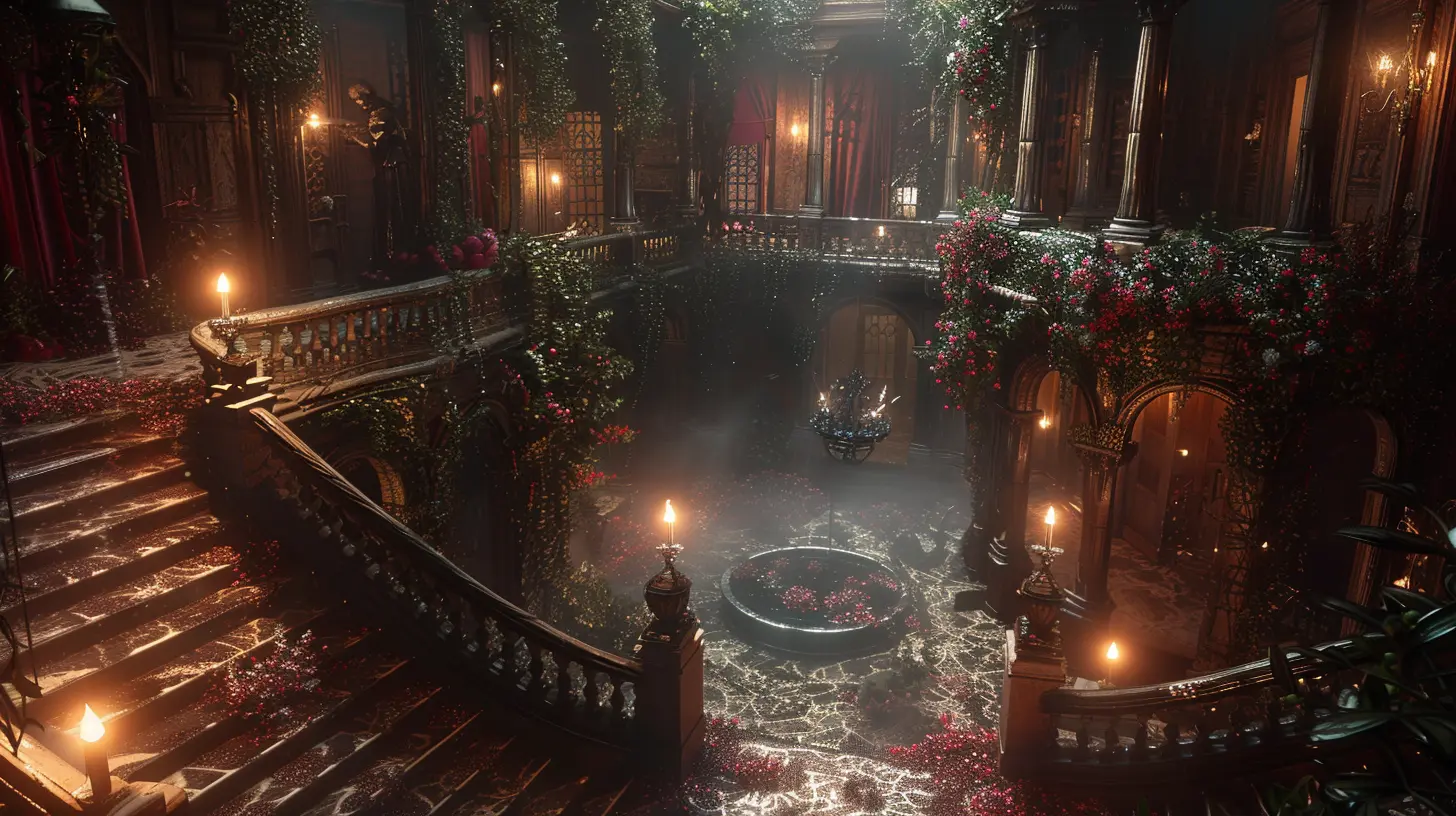
3. Dark Souls Series – Environmental Lore Done Right
Let’s be real—no one gets the full Dark Souls story the first time. Heck, most of us needed YouTube breakdowns just to make sense of it. But that’s what makes it so genius.From character designs to item descriptions, everything ties into a larger, hidden narrative. You’re not just replaying for the challenge—you’re piecing together a massive lore puzzle.
Dig Deeper On Replays
- NPC questlines: They’re easy to miss and often require multiple steps across different areas.- Item descriptions: Read them closely—they provide crucial backstory and context.
- Level design symmetry: Areas are interconnected in ways that only make sense the second time around.
Dark Souls isn’t just a game. It’s a mystery novel in disguise, and the second read always hits harder.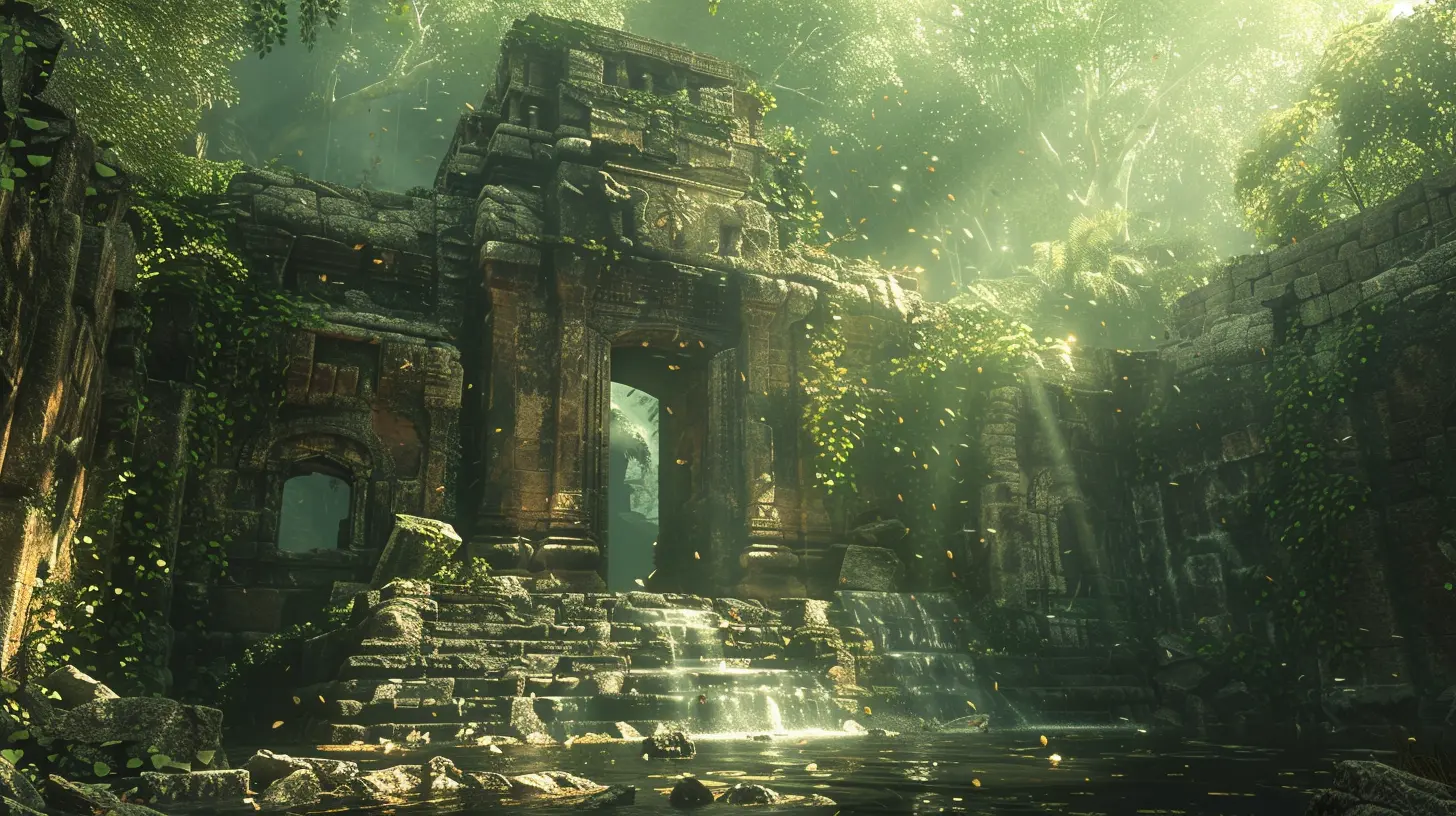
4. Bioshock Infinite – Parallel Realities and Subtle Foreshadowing
You might've played through Bioshock Infinite and thought, “Wow, that ending came out of nowhere.” But trust me, it didn’t.On a replay, the game feels like a totally different beast. The dialogue, the sound bites, the signage—so many clues sprinkled throughout the story hint at the twist. It’s like the developers laid little breadcrumbs in plain sight, just waiting for you to notice.
Second Playthrough Highlights
- Elizabeth's reactions: She subtly hints at knowing more than she lets on.- Audio logs: On a first run, they’re just cool backstory. Replay them later and they become chilling foreshadowing.
- Recurring imagery: From lighthouses to songs, everything has thematic weight.
Once you know the ending, going back feels like watching The Sixth Sense again. It’s all there—you just weren’t looking the right way.
5. Undertale – Morality Beyond Simple Choices
Here’s the thing about Undertale—your actions really matter. Not in the “you get a good or bad ending” kind of way, but in a “the game will literally call you out on your choices” kind of way.If you went full Genocide on your first try, the game remembers. If you reset and try to go Pacifist, guess what? It still remembers.
Replay Value Like No Other
- Meta-awareness: Characters like Sans break the fourth wall and reference your past decisions.- Different enemy interactions: The dialogue and even attack patterns change depending on your route.
- Emotional impact: Once you know what’s coming, every boss fight hits differently.
It's like the game has a memory—and it's holding you accountable. That alone makes it worth re-experiencing.
6. Hitman Series – Creative Chaos Behind the Curtain
The Hitman games are basically playgrounds for assassination. Sure, you can just shoot your target and run—but where’s the fun in that?Replay a mission and suddenly, you realize—there are at least a dozen ways to take out each target. Poison his drink? Drop a chandelier? Pretend to be a fashion model? The sandbox is ridiculously deep.
Why You Should Go Back In
- Disguises unlock new interactions- Environmental “accidents” create accidental comedy gold
- Challenge modes and elusive targets offer unique spins on repeated levels
No two runs feel the same, and that’s the point. It's not just about completion—it’s about creativity.
7. Hollow Knight – A World That Keeps Giving
If you rushed through Hollow Knight, you probably missed at least half of it. This game is infamous for hiding massive content behind obscure walls.A second playthrough isn’t just recommended—it’s basically required.
Find These Hidden Gems
- Alternate endings: Triggered by completing obscure side quests or finding specific key items.- Secret bosses and areas: Some of the best stuff is completely optional but mind-blowingly designed.
- Dialogue changes: Depending on your progress, NPCs say different things, giving more insight into their lore.
It’s like flipping over a rock and finding a whole new ecosystem underneath.
8. Nier: Automata – Not Just One Game, But Five
A lot of games have multiple endings. Nier: Automata has multiple storylines. After the first playthrough, you unlock a second one from a different perspective. And then a third... with a completely new act that turns the entire story on its head.Replay Is Literally Required
- Route B shows the same world through a new lens- Route C adds more story, characters, and consequences
- Hidden endings add flavor and humor, breaking the fourth wall in clever ways
To truly “get it,” you need to finish all five core endings. You’re not just replaying—it’s more like flipping to the next chapter disguised as a previous one.
9. Grand Theft Auto V – Layered Satire and Parallel Lives
Sure, GTA V is fun for chaotic heists and outrageous stunts. But if you replay it, especially with attention to detail, the game starts to feel like a biting commentary on everything from capitalism to social media.You’ve got Trevor’s madness, Michael’s midlife crisis, and Franklin's ambition—all clashing in a way that feels way too real.
Deeper On The Second Run
- Phone and TV satire: The fake media is scarily on-point about real-world issues.- Side missions: They're more than filler—they're loaded with lore and personality.
- Subtle world-building: Billboards, fake brands, and random conversations are packed with humor and criticism.
It's more than blowing stuff up—it's a social mirror wearing a clown mask.
10. Portal 2 – A Puzzle Game With Layers of Story
At face value, it's a clever puzzle game with great voice acting. But go through it again, and you start to pick up on just how dark Portal 2 really is.From abandoned labs to corrupted AIs, there's a twisted history beneath the surface that adds depth to every test chamber.
What You'll Notice Next Time
- Hidden rooms and audio: They reveal backstory about Aperture’s dark past.- Wheatley’s transformation: It hits harder when you already know his arc.
- Easter eggs: References to Half-Life and other Valve titles are everywhere.
Think of it like replaying a comedy only to realize—oh wait, this was actually a tragedy all along.
Final Thoughts
Here’s the truth—great games hook you once. But legendary games? They pull you back in because they’ve got something worth coming back for. Whether it’s a morally complex story, a hidden boss, or just the thrill of doing things differently, these games are designed to reveal more each time you dive in.Next time you finish a killer title, don’t immediately shelve it. Ask yourself—what did I not see the first time?
Chances are, the answer is “a lot.
all images in this post were generated using AI tools
Category:
Game Reviews ArchiveAuthor:

Madeleine McCaffrey
Discussion
rate this article
2 comments
Edward Dodson
This article brilliantly highlights the subtle intricacies that enhance replay value in games. By uncovering hidden details, players can experience fresh narratives and mechanics, making each playthrough uniquely rewarding. It's a reminder that great design often lies in the nuances.
April 12, 2026 at 4:36 PM
Madeleine McCaffrey
Thank you for your insights! I appreciate how you captured the essence of these hidden details and their impact on replay value. Glad you enjoyed the article!
Stephanie Reynolds
Great insights! I always discover new gems!
April 9, 2026 at 4:07 AM
Madeleine McCaffrey
Thank you! I'm glad you found the insights valuable. Happy gaming!