How Community Feedback Shapes Battle Passes
22 January 2026
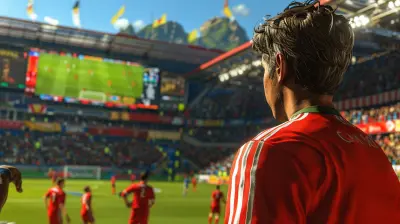
The video game industry has evolved in countless ways over the years, but one of the most talked-about changes in recent times? Battle Passes. Love ‘em or hate ‘em, these progression systems are now a staple in many of our favorite games. But here’s the kicker – they’re not just dropped from the sky by some dev sitting in an ivory tower. Nope. They’re being shaped, refined, and sometimes even entirely overhauled based on the loud, passionate voices of gamers just like you and me.
So today, we're diving deep into how community feedback shapes Battle Passes. We’ll look at what works, what doesn’t, and how much power the player base really holds. Ready? Let’s break it down.
What the Heck Is a Battle Pass Anyway?
Before we go too deep, let’s roll it back for a second. A Battle Pass is essentially a tiered reward system tied to your in-game progression. You grind, you level up the pass, and bam – you snag rewards like skins, emotes, currency, and more. Some passes are free, but most come with a premium version that unlocks better goodies.Think of it like a seasonal membership card for your favorite game. The more you play, the more you earn. Simple, right?
Well… not always.
The Rise of Battle Passes: A Quick Recap
We can thank games like Fortnite for popularizing Battle Passes. Epic Games absolutely nailed the formula with tons of content, clear progression, and enticing rewards. Soon after, every dev and their grandma jumped on board. Apex Legends, Call of Duty: Warzone, Valorant, Rocket League—you name it, they probably have a Battle Pass system.But here’s the thing. Not all Battle Passes are created equal. Some are amazing. Others? Total flops.
So, what separates the good from the bad?
You guessed it: community feedback.
The Loud Voice of Gamers: Why Devs Are Listening
Gamers aren't exactly known for keeping quiet – especially when they’re unhappy. And honestly? That’s a good thing. Developers rely heavily on feedback from forums, Reddit threads, Twitter rants, YouTube reviews, and even TikTok comments to tweak and improve Battle Passes.Why? Because it’s in their best interest. A Battle Pass that feels grindy, unfair, or flat-out boring can tank a game’s active player base. And let’s face it — no players, no $$$.
So devs are keeping their ears to the ground. They’re listening. And they’re changing things up.
How Feedback Has Already Changed Battle Passes
Let’s talk receipts. Plenty of major games have overhauled their Battle Passes after player outcry. Let’s break down a few notable examples.1. Halo Infinite’s Infamous Slow Grind
When Halo Infinite launched, fans were stoked. But that honeymoon phase ended real quick when players realized the Battle Pass progression was, well, painfully slow. You could play for hours and barely budge the needle.Gamers weren’t shy. Within weeks, 343 Industries responded, tweaking XP gains, adding daily challenges, and repeatedly updating the system based on feedback. Not perfect, but a major improvement.
2. Fortnite’s Ever-Evolving Formula
Fortnite isn't just the blueprint — it’s constantly reinventing itself based on fan feedback. Players asked for more skin variety? Done. Requested more challenges and less XP grind? Epic delivered. The community even influences collaboration skins and emotes.Epic Games has mastered the art of adapting. They’re not perfect, but they’re responsive. And that keeps players invested season after season.
3. Apex Legends and Player Fatigue
Respawn Entertainment caught some flak for Apex Legends’ Battle Pass being too grind-heavy and lacking meaningful rewards. After a storm of Reddit posts and YouTube critiques, they made adjustments. They refined how stars are earned, tweaked challenge difficulty, and experimented with reward pacing based on player input.Apex fans noticed — and it mattered.
The Anatomy of a Community-Approved Battle Pass
So what makes a Battle Pass actually good in the eyes of the community? Let’s break down the fan-favorite ingredients:✅ Fair Progression
Nobody wants to feel like they have to play 10 hours a day just to unlock a cool skin at Tier 99. Progression should be achievable, even for casual players.✅ Meaningful Rewards
Skins, emotes, currency—yes, please. Boring profile banners and filler junk? Hard pass. The community wants rewards that feel worth the grind.✅ Flexibility
Want to grind XP through challenges? Awesome. Prefer playing your favorite game mode instead of being forced into something you hate? Even better. Players respect a system that adapts to their playstyle.✅ Transparency
Nobody likes surprises when it comes to how progression works. Clear XP systems, visible rewards, and honest communication go a long way.✅ Value for Money
Look, if you’re shelling out $10+ for a Battle Pass, it better feel worth it. Gamers expect solid value, not some cash-grab with a pretty skin.Community Feedback Isn’t Always Sunshine and Rainbows
Let’s be real for a sec. Not all feedback is helpful. Some players will complain just to complain. Others have wildly unrealistic expectations. And then there are the trolls who just want chaos.It’s a balancing act for developers. They have to sift through the noise, find the constructive criticism, and make decisions that serve both the community and the game’s longevity.
Sometimes, that means unpopular choices. Devs might delay changes or roll out unpopular updates in the short term for the long-term health of the game. It’s not easy. But when done right, it pays off big time.
The Secret Sauce: Communication
The bridge between Battle Pass chaos and Battle Pass greatness? Communication. Transparent dev updates, community polls, AMA sessions, and even roadmap sneak peeks make all the difference.Games like Warframe and Destiny 2 have built strong communities largely because their devs communicate frequently and clearly. They admit mistakes, show their process, and explain why certain decisions are made. That earns respect – even when things get rocky.
How You (Yes, YOU) Can Make a Difference
Think your feedback doesn’t matter? Think again. Here’s how to make your voice count:- Use official forums – Devs are reading them, trust me.
- Upvote constructive ideas on Reddit – Amplify the good voices.
- Join community surveys and betas – Direct feedback = direct impact.
- Make noise on social media – Tag developers, use hashtags (please be respectful).
- Support content creators who speak up – They have influence. Use it wisely.
You’d be surprised how often a single well-worded Reddit post can lead to a wave of change.
Looking Ahead: The Future of Battle Passes
So, what’s next for Battle Pass systems? Here’s what we’re starting to see:- Customizable Battle Passes – Pick your own rewards? Yes, please.
- Shorter or more frequent seasons – Keeps things fresh and players engaged.
- More free content options – Making sure all players get value, not just premium buyers.
- Cross-game cosmetics – A skin in one game unlocks in another? That’s the dream.
And the truth is, none of it happens without community feedback pushing the needle.
Final Thoughts
Community feedback isn’t just a side note in the world of Battle Passes—it’s the driving force. From Reddit threads to developer livestreams, the gaming community has a massive say in how these systems evolve. And honestly? That’s a power worth using wisely.Battle Passes continue to be both a revenue model and a way to keep players invested. When done right, they can enhance the gaming experience; when done wrong, they can alienate an entire fanbase.
So next time you’re grinding out those tiers or eyeing the latest season's shiny loot, remember this: you’re not just a player—you’re a co-creator.
Let’s keep the feedback coming. Let’s keep the games fun.
all images in this post were generated using AI tools
Category:
Battle PassesAuthor:

Madeleine McCaffrey
Discussion
rate this article
3 comments
Adrian Frank
Great article! It’s inspiring to see how community feedback genuinely influences game development. Engaging players makes for a richer gaming experience. Keep up the fantastic work!
April 20, 2026 at 3:19 PM
Madeleine McCaffrey
Thank you! I'm glad you found it inspiring—community feedback truly makes a difference in game development!
Drake Middleton
Great article! It's inspiring to see how community feedback truly influences game development. Understanding player perspectives can lead to richer experiences in battle passes. Keep up the fantastic work and keep engaging with the community!
January 26, 2026 at 3:34 PM
Madeleine McCaffrey
Thank you for the kind words! I'm glad you found the article inspiring. Community feedback truly is essential for creating better gaming experiences!
Darrow Cox
Community input elevates Battle Pass experience!
January 23, 2026 at 3:40 PM
Madeleine McCaffrey
Thank you! Community feedback truly enhances the Battle Pass experience by ensuring it resonates with players' preferences and fosters engagement.