How Lighting and Shadows Influence Stealth Strategy
16 August 2026
In the world of stealth games, slipping past guards unnoticed or taking out enemies without raising alarms isn’t luck—it’s art. And like any masterpiece, it requires the right tools. One of the most underrated yet powerful elements in stealth-based gameplay? Lighting and shadows.
Whether you're sneaking through the crumbling ruins in Assassin’s Creed or crawling under a flickering hallway light in Splinter Cell, lighting is the secret sauce that makes stealth strategy work. So, let’s flip the switch and get into why lighting and shadows are absolute game-changers for your sneaky operations.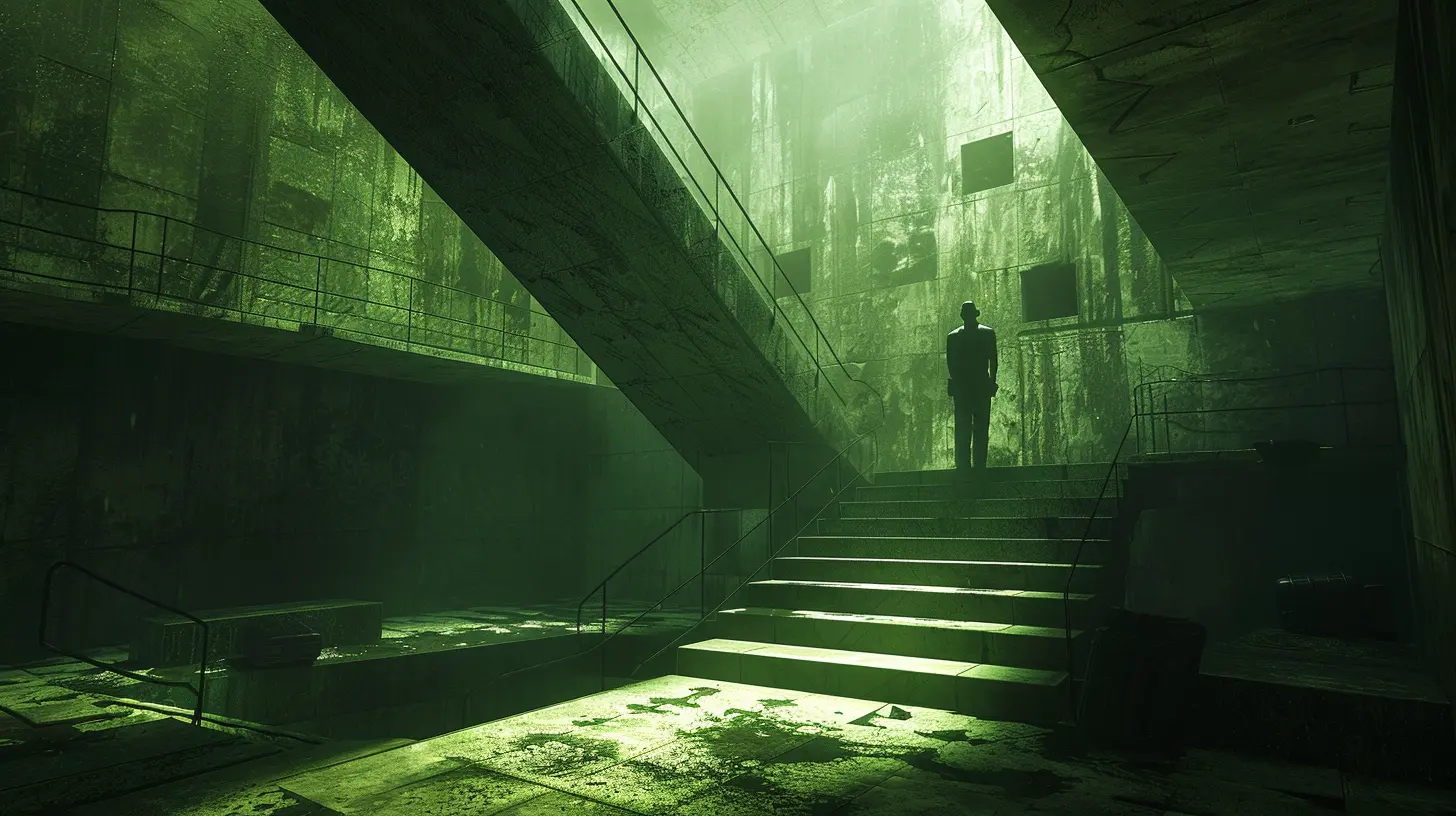
The Hidden Power of Light and Darkness
Let’s face it: You can’t talk about stealth without talking about light. It's the line between being invisible and being... well, very dead. In stealth games, light isn’t just a visual trick. It's a gameplay mechanic.Light exposes you. Shadows protect you. It’s that simple—and that beautifully complex.
Imagine you’re in a stealth mission in Dishonored. A beam of light hits a wall, and suddenly, you’re weighing your options: Do you dart through the light and risk being seen? Or do you hug the wall and slink through the shadows? That moment—that hesitation—is where the stealth magic happens.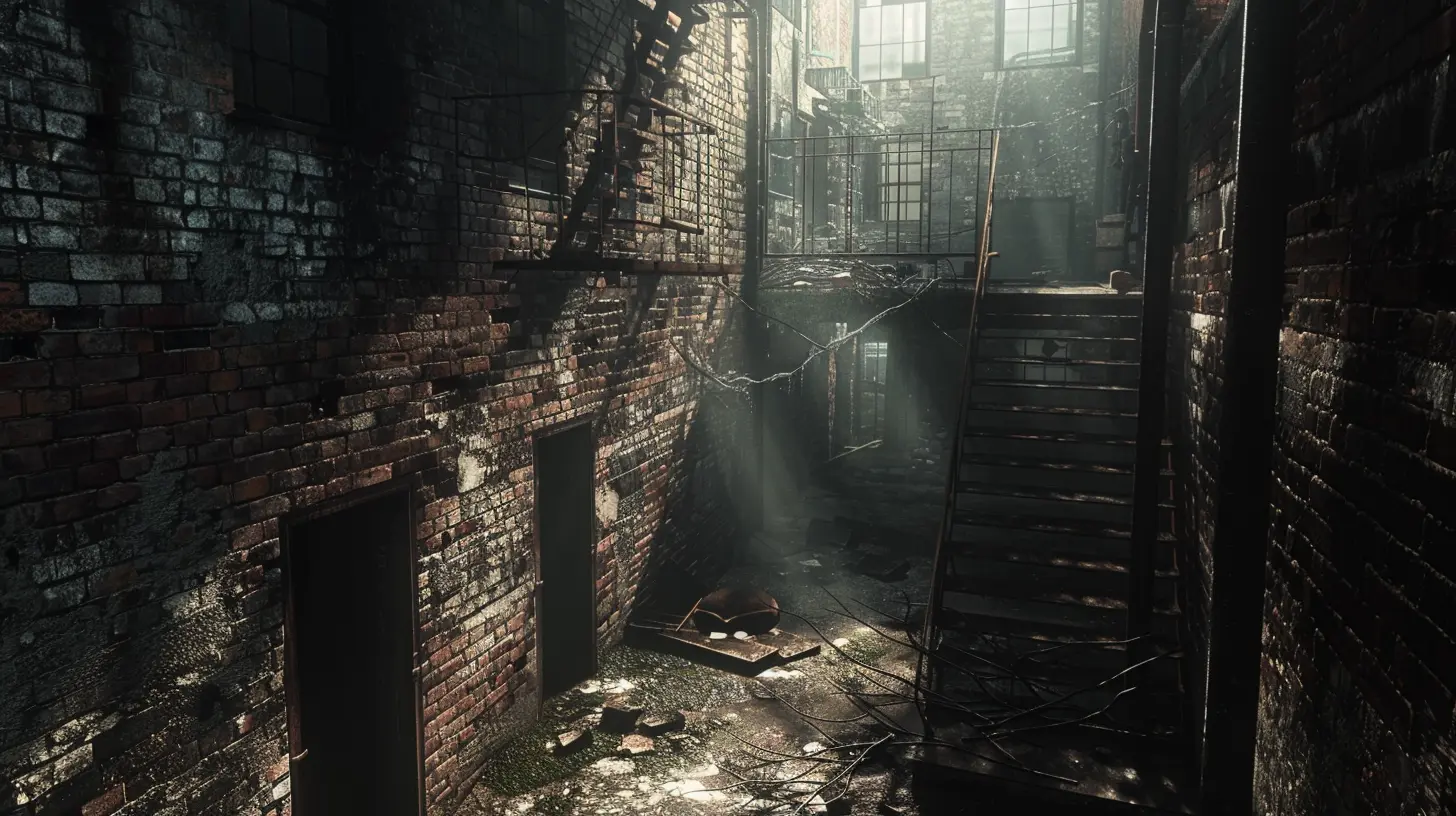
Why Developers Put So Much Emphasis on Lighting
Developers don’t just throw lights into stealth games for atmosphere. They strategically place light sources to guide, challenge, or even distract players. It's like setting up a real-life escape room—every light bulb matters.Lighting becomes a silent communicator between the game and the player. A well-lit corridor may be a warning sign: "You probably don’t want to go this way." On the other hand, that dark alley? It's whispering, "Hey, ninja… this way!"
And it’s not just a one-way street. Enemies react to lighting too. Some games have guards that carry flashlights or turn on lights when they suspect something. Suddenly, your comfort zone—the dark—is being invaded. It creates tension. It keeps you moving. It demands creativity.
Dynamic Lighting and Stealth: A Match Made in Game Heaven
Static lighting is cool, but dynamic lighting cranks up the intensity. With real-time light updates influenced by movement, weather, or even time of day, games become living, breathing environments.Take Metal Gear Solid V: The Phantom Pain. It uses a day-night cycle that actively affects stealth. You’re far more visible during the day. At night? You’re practically a ghost—if you play your cards right.
Then there’s The Last of Us Part II, where dynamic lighting and shadows change as NPCs move, hold flashlights, or open doors. Suddenly, shadows aren’t just hiding spots—they’re shifting puzzle pieces. That’s next-level stealth immersion.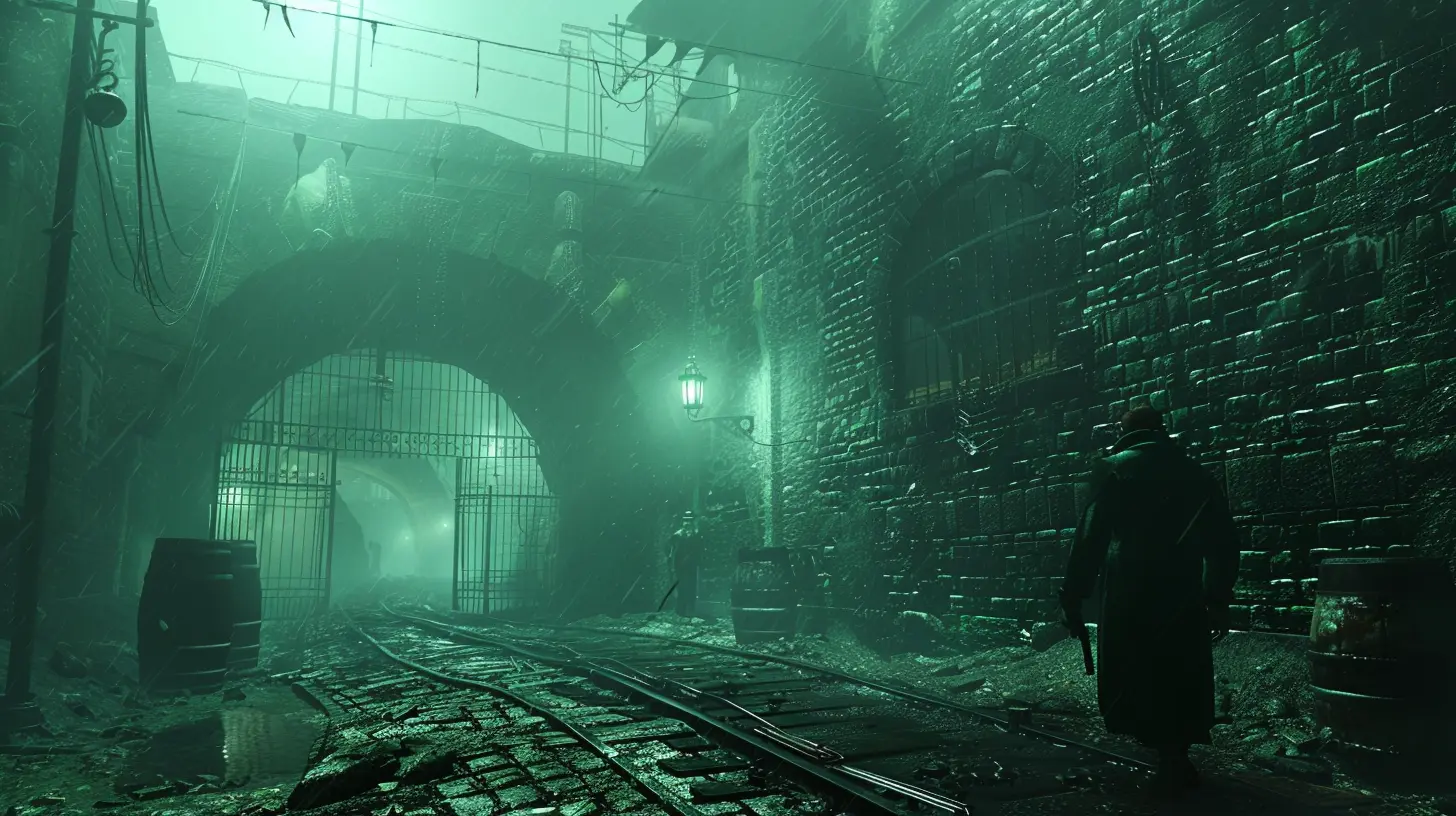
Shadows: The Silent Allies
Let’s give shadows the spotlight (pun intended). In many stealth games, shadows are more than just dark patches on the ground—they’re your BFFs.Hiding in shadows can literally make you invisible to enemies. Some games even have visual indicators—like a meter or a color change—to show when you’re fully hidden. Remember Thief? It had a light gem that glowed when you were too visible. That little gem? It was your life line.
Shadows also serve as psychological comfort zones. They instill confidence. Suddenly, you feel like Batman perched in an alley, planning your next silent takedown. Shadows turn you into a predator, watching, waiting, and then—with surgical precision—striking.
Realism vs. Playability: Striking the Perfect Balance
Game developers constantly juggle between realism and gameplay. In real life, light bounces, shadows blend, and our eyes adjust. In games, too much realism can frustrate players. Not enough, and the immersion breaks.Good stealth mechanics strike a balance. They keep things readable. You should be able to easily guess: "If I move there, I’ll be seen. If I duck into that corner, I’m safe." That clarity makes stealth gameplay feel fair and rewarding.
The noir-style lighting in Mark of the Ninja is a great example. It doesn’t look "realistic," but every shadow and light beam is deliberately placed for gameplay logic. You "read" the level visually, like scanning a map.
Light as a Tool, Not Just an Obstacle
Here’s where things get juicy: What if lighting isn't just something to be afraid of? What if you use it to your advantage?In many games, players can interact with light—turn off lamps, shoot out bulbs, trigger blackout switches. That’s not just fun—it’s empowering. Suddenly, you control the battlefield. You’re not reacting to the environment—you’re reshaping it.
This flips the stealth dynamic. Now, instead of avoiding light, you're engineering darkness. You’re setting traps. You’re playing psychological games with the enemy, pulling them into your web like a master puppeteer.
Environmental Storytelling Through Light and Shadow
Lighting and shadows don’t just influence gameplay—they shape the story too.Ever walked into a dark room with just a single spotlight over a dead body? That says more than a dozen lines of dialogue ever could. Or how about sneaking into a castle during a thunderstorm, lightning briefly illuminating the guards’ positions? That’s storytelling through light.
Games like Inside or Little Nightmares use minimal light sources to create mood, tension, and even fear. But it's still stealth at its core. You’re navigating the unknown with only slivers of visibility, heightening your senses and pulling you deeper into the world.
Enemy AI and Their Relationship with Light
Let’s talk about the real challenge: the bad guys.Modern stealth games have taken lighting and enemy behavior to a whole new level. Enemies aren’t just blind mannequins anymore. They understand lighting too. They’ll investigate lights being turned off, react to moving shadows, and use their own flashlights to hunt you down.
And honestly? That’s terrifying—in the best way.
The AI in Alien: Isolation is notorious for this. The Xenomorph doesn’t follow scripted paths. It adapts. It searches dark areas. It listens. It sees. Hiding in a shadow isn’t guaranteed safety anymore—it’s a temporary reprieve. That sense of danger keeps things thrilling.
How Lighting Enhances Player Strategy
Lighting doesn’t just affect how you play—it influences what kind of player you become.Are you the ghost, slipping unseen through darkness without a single kill? Or are you the predator, using light to funnel enemies into traps? Maybe a bit of both?
Stealth strategy is a choose-your-own-adventure story, and lighting is the pen you write it with. You learn to read environments, predict patrols, manipulate elements. You become smarter. More calculated. More deliberate.
And once you start mastering how light and shadows dance around your character, every level becomes a puzzle waiting to be solved.
A Quick Look at Games That Got It Right
Let’s give some love to the legends that nailed this mechanic:- Splinter Cell: Chaos Theory – Possibly the crown jewel of shadow-based stealth. Lighting was a core mechanic, and Sam Fisher’s gadgets let you interact with it in creative ways.
- Thief: Deadly Shadows – The name says it all. Hiding in shadows is your bread and butter. The light gem mechanic is genius for stealth feedback.
- The Last of Us Part II – Dynamic, realistic lighting that changes gameplay moment to moment. Enemies wielding flashlights keep you on edge.
- Hitman (World of Assassination Trilogy) – While not strictly shadow-based stealth, lighting plays a massive role in altering disguises, cover, and visibility.
- Mark of the Ninja – 2D stealth, but with master-level lighting mechanics. Teaches players how to think in terms of visibility.
Final Thoughts: Mastering the Art of Light and Shadow
So here’s the truth: mastering stealth isn’t about memorizing guard routes or hoarding gadgets. It’s about understanding your environment—particularly the light and shadow that define it.Lighting is both your biggest threat and your greatest ally. Shadows are the silent ghosts that let you vanish in plain sight. And together, they shape every corner, corridor, and crawlspace into a dynamic chessboard where you’re always thinking two moves ahead.
Next time you pop into a stealth game, don’t just look at the path. Look at the light. Listen to the shadows. Feel the space around you. You’ll realize stealth isn’t just a playstyle—it’s a mindset. And once you embrace it, you'll unlock a level of gameplay depth that's truly next-gen.
Now go on, agent. The shadows are waiting.
all images in this post were generated using AI tools
Category:
Stealth GamesAuthor:

Madeleine McCaffrey
Discussion
rate this article
2 comments
Alana Ward
Great article! The way lighting and shadows are utilized in stealth games adds a layer of strategy that can make or break the experience. It's fascinating to see how developers creatively design environments to enhance player tactics. This element truly elevates gameplay and keeps it engaging.
September 24, 2026 at 3:08 PM
Tank McCarthy
So basically, if you're sneaky enough to hide in the shadows, you might just avoid those awkward social interactions... or getting caught by the guard!
August 23, 2026 at 3:59 AM
Madeleine McCaffrey
Exactly! Embracing the shadows can be a clever way to navigate both social settings and guard awareness.