How Role-Playing Games Help Teens Build Empathy
9 May 2026
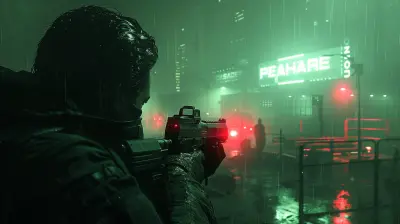
Ever watched a teen totally immersed in a game, negotiating with goblins, rescuing NPCs, or standing up for their party in an elf village? It might look like just fun and fantasy at first, but there’s so much more happening beneath the surface. Role-playing games (RPGs), whether tabletop classics like Dungeons & Dragons or narrative-driven video games, do something magical—they help teens understand other people’s perspectives. Yep, we’re talking about empathy.
In a world where digital screens often replace face-to-face connections, anything that helps kids develop social and emotional skills is pure gold. And believe it or not, RPGs are one of the best tools out there.
Let’s dive deep into how role-playing games help teens build empathy—and why this matters more than ever.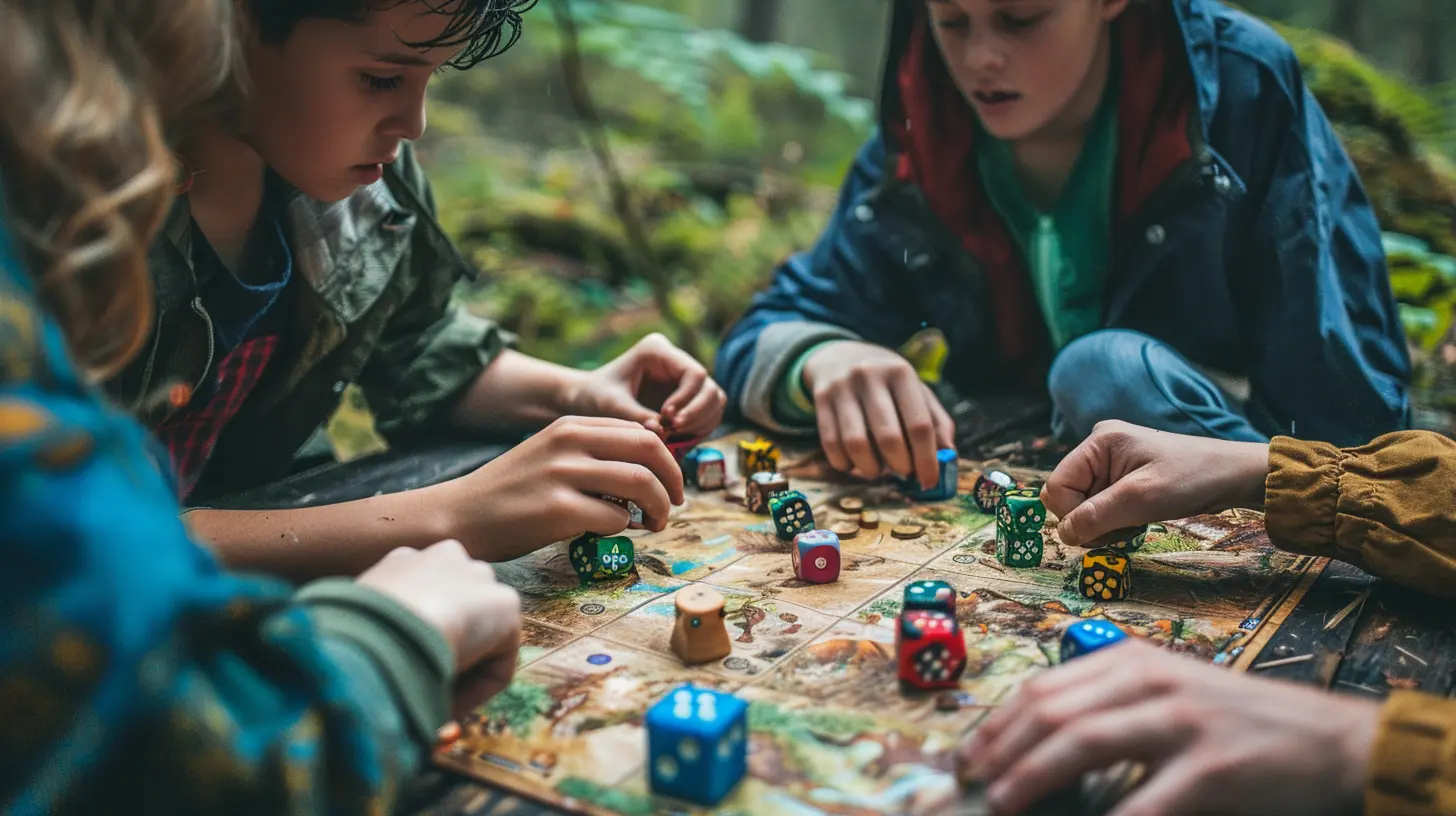
What Exactly Are Role-Playing Games?
Before we talk empathy, let’s get on the same page about what role-playing games are.A role-playing game is, well, a game where players assume the roles of characters in a fictional setting. These characters can be anything—from warriors and wizards to space explorers and vampires. Players make decisions for their characters, interact with other characters (both players and non-players), and help shape the story. Sometimes this happens in person with dice and character sheets; other times, it’s through a controller or mouse in a video game universe.
At the heart of every RPG is storytelling. And what’s storytelling if not stepping into someone else’s shoes?
Empathy 101: Why It’s So Important for Teens
Empathy isn’t just about being nice. It’s about understanding other people's thoughts and feelings—seeing the world through someone else’s eyes. And for teens, who are still figuring out who they are and where they fit in, empathy is crucial.Why? Because empathy helps with:
- Building strong relationships
- Managing emotions better
- Resolving conflicts peacefully
- Becoming more open-minded and inclusive
The teen years are a rollercoaster of growth, change, and awkward moments. Having empathy makes that ride just a little smoother—for them and those around them.
How RPGs Create a Perfect Playground for Empathy
So, how exactly do RPGs help teens grow that empathy muscle? Let’s break it down.1. Walking in Someone Else’s Shoes (Literally)
In RPGs, players become someone else. They might play a half-orc monk trying to redeem himself or a shy sorcerer hiding a painful past. These characters often have deep backstories, unique motivations, and emotional baggage.By making decisions and reacting to the world as these characters, teens are constantly practicing perspective-taking. They’re imagining how someone very different from themselves might think and feel. That’s empathy-building on a whole new level.
2. Teamwork Makes the Dream Work
Most RPGs are cooperative—players must work together to survive, win, or move the story forward.Think about it: If a goblin horde is about to ambush your party, you don’t just run off solo with your sword swinging. You talk strategies, listen to everyone’s input, and maybe even sacrifice your character’s safety for the team. That kind of collaboration teaches trust, communication, and, yes, empathy.
Teens learn that their actions affect others and that sometimes, helping a fellow player matters more than gaining XP.
3. Consequences and Moral Dilemmas
RPGs are packed with tough choices. Do you help the bandits who are stealing to feed their families, or turn them in? Do you side with the rebels or the empire? These choices aren’t black-and-white—and that’s the point.Teens have to weigh different perspectives, consider the impact on others, and live with the consequences. This kind of ethical decision-making is emotional intelligence in action.
4. Character Development = Emotional Growth
Creating a character isn’t just about choosing armor and weapons. It’s about understanding motivations, fears, desires, and relationships.When teens flesh out their characters, they’re diving into psychology without realizing it. Why is my rogue so defensive? What’s the story behind my cleric’s distrust of authority?
These questions open the door to emotional reflection—not just for the character but for the player, too.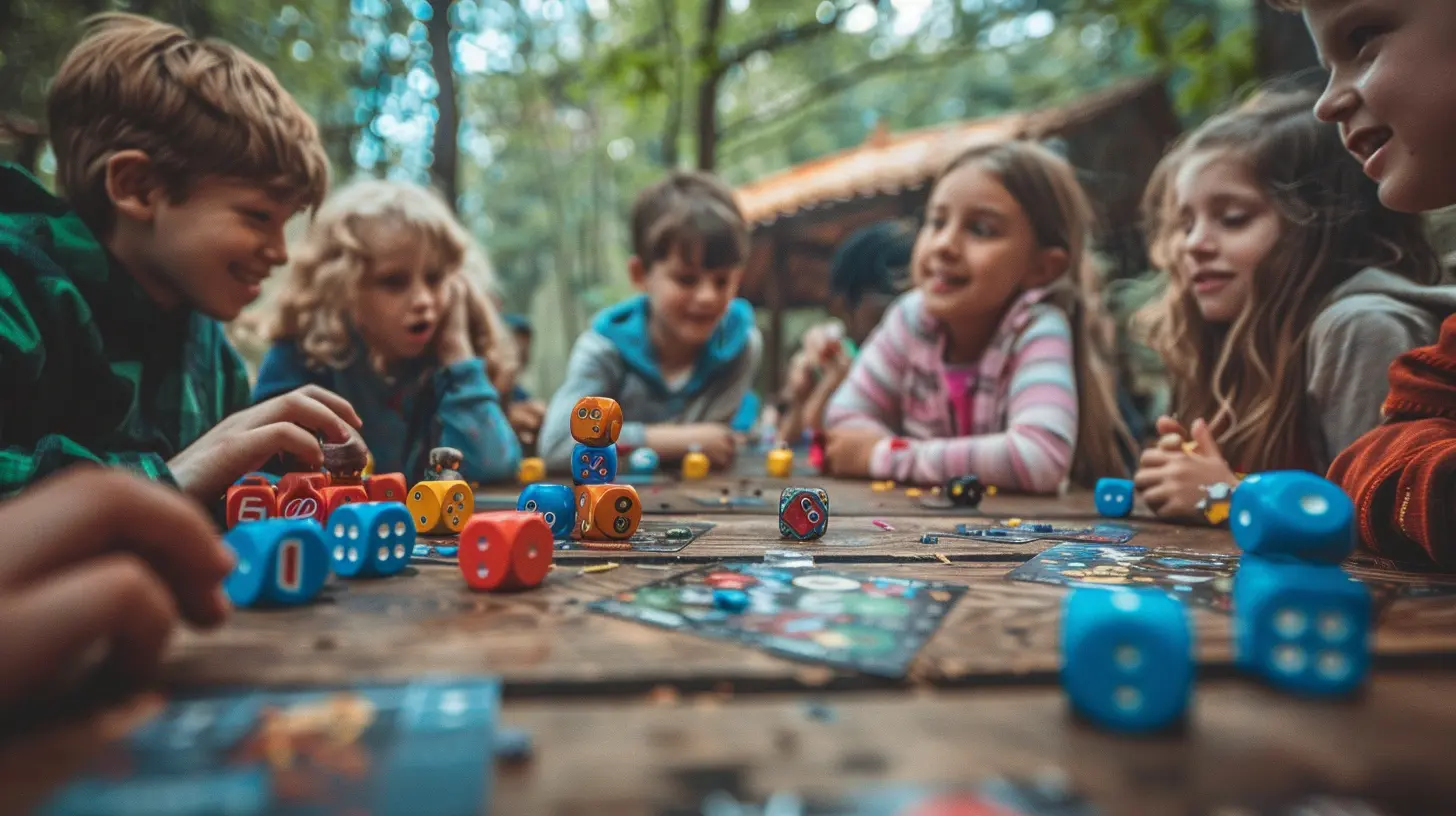
Tabletop RPGs: Face-to-Face Empathy Building
Let’s give tabletop games like Dungeons & Dragons a little spotlight.When teens play these games around a table (or even over Zoom with some dice and imagination), they interact with real people in real-time. They pick up on body language, listen closely to dialogue, react to tone—basically, they’re getting a masterclass in human interaction.
And because the stakes are imaginary, they can experiment with different emotional responses in a safe environment. Make a mistake? No problem, learn and try again.
These sessions also often involve storytelling arcs that mimic real-life issues—identity, loss, loyalty, love—which makes the empathy even more powerful.
Digital RPGs: Gaming That Grows the Heart
Don’t sleep on video game RPGs either. Games like “Undertale,” “The Witcher,” “Mass Effect,” “Life is Strange,” and even “Final Fantasy” offer branching narratives, rich character development, and moral choices that demand emotional insight.Sure, the screen creates some distance, but don’t underestimate how emotionally engaging these stories can be. Teens often form deep connections with characters, grieve for them, cheer for them, and reflect on decisions long after the credits roll.
In fact, digital RPGs are often where teens first feel what it’s like to connect deeply with a virtual "other." And that’s empathy in action.
Role-Playing in the Classroom: An Educator’s Secret Weapon
Guess what? Schools are catching on. More educators are using role-playing as a teaching tool—from historical reenactments to literature-based character debates.By stepping into Shakespearean roles or acting out the lives of historical figures, students get hands-on exposure to different perspectives, cultures, and emotions. It’s immersive, engaging, and way more memorable than textbook reading.
Plus, it mirrors what RPGs do so well—build a bridge between imagination and empathy.
RPGs and Emotional Safety: A Safe Haven for Self-Exploration
A bonus perk? RPGs offer teens a safe space to explore their own identities.Want to play a non-binary character to understand your own gender questioning? Go for it. Curious about how it feels to be a leader, or someone with disabilities, or to speak out against injustice? RPGs let you try these roles without judgment.
That freedom boosts self-awareness and empathy—not just for others, but for themselves. And let’s be real, teens can always use more self-compassion.
Social Skills in Disguise
When teens role-play, they’re also sharpening communication skills without even realizing it. Every time they:- Negotiate a truce with a rival guild
- Comfort a grieving NPC
- Make peace between two angry players
- Or just try NOT to get eaten by a dragon…
They're building social finesse, learning patience, and practicing emotional regulation.
All that translates to real-world relationships—at school, at home, and beyond.
The Science Doesn’t Lie
If you like some nerdy facts to back this up, studies support the benefits of storytelling and gaming in developing empathy. Research has found:- Fiction readers score higher on empathy tests.
- Players of narrative games show increased emotional intelligence.
- Even short-term role-playing boosts perspective-taking abilities.
So no, it’s not just a hunch. The science is in: RPGs can grow compassionate, emotionally mature teens.
Parents and Guardians: Here’s How to Support It
Still on the fence about gaming? Here’s how to help your teen get the most empathy out of their RPG adventures:1. Ask about their character. What drives them? What choices have they made?
2. Play with them. You don’t have to be an expert to join a session or start a game.
3. Encourage storytelling. Let them write backstories or journal about their in-game experiences.
4. Talk about emotions. Did a storyline make them sad? Angry? Proud? That’s fertile ground for growth.
5. Choose the right games. Look for titles with deep narratives, character development, and moral complexity.
Wrapping It All Up
So, can role-playing games help teens build empathy? Absolutely. In fact, they might be one of the best tools we have today to nurture emotional growth in an engaging, meaningful way.RPGs empower teens to imagine, to feel, to connect—and to see the world through someone else’s eyes. And in a divided, often harsh world, that skill is more important than ever.
So the next time you see a teen rolling dice or talking about quests and dragons, remember this: They’re not just playing. They’re growing hearts as big as their imaginations.
all images in this post were generated using AI tools
Category:
Games For TeensAuthor:

Madeleine McCaffrey
Discussion
rate this article
2 comments
Desiree McKale
Role-playing games immerse teens in diverse characters and scenarios, fostering understanding of different perspectives. This engagement enhances their empathy by encouraging them to navigate complex emotions and conflicts, ultimately equipping them with valuable social skills for real-world interactions.
June 5, 2026 at 4:48 PM
Madeleine McCaffrey
I completely agree. Role-playing games offer unique opportunities for teens to explore diverse perspectives, helping them develop empathy and important social skills that are essential in real life.
Virginia McDermott
Role-playing games encourage teens to step into others' shoes, enhancing their understanding of different perspectives and fostering emotional connections with others.
May 11, 2026 at 4:45 PM
Madeleine McCaffrey
Absolutely, role-playing games provide a unique way for teens to explore diverse viewpoints and develop empathy. It's a powerful tool for connection and understanding.