How Season Themes Enhance Battle Pass Appeal
27 March 2026
Let’s be honest — battle passes are everywhere in gaming now, right? Whether you're grinding through Fortnite, Apex Legends, Valorant, or even more casual mobile games, chances are you've come face-to-face with a battle pass. But here's the kicker: Not all battle passes are created equal.
Some feel like a chore. Others? They pull you in so hard that you're checking your watch just to see when you can log back in. And 9 times out of 10, that magic comes down to one thing: season themes.
In this article, we're diving deep into how season themes seriously boost the appeal of battle passes — and why game devs and players alike are totally hooked.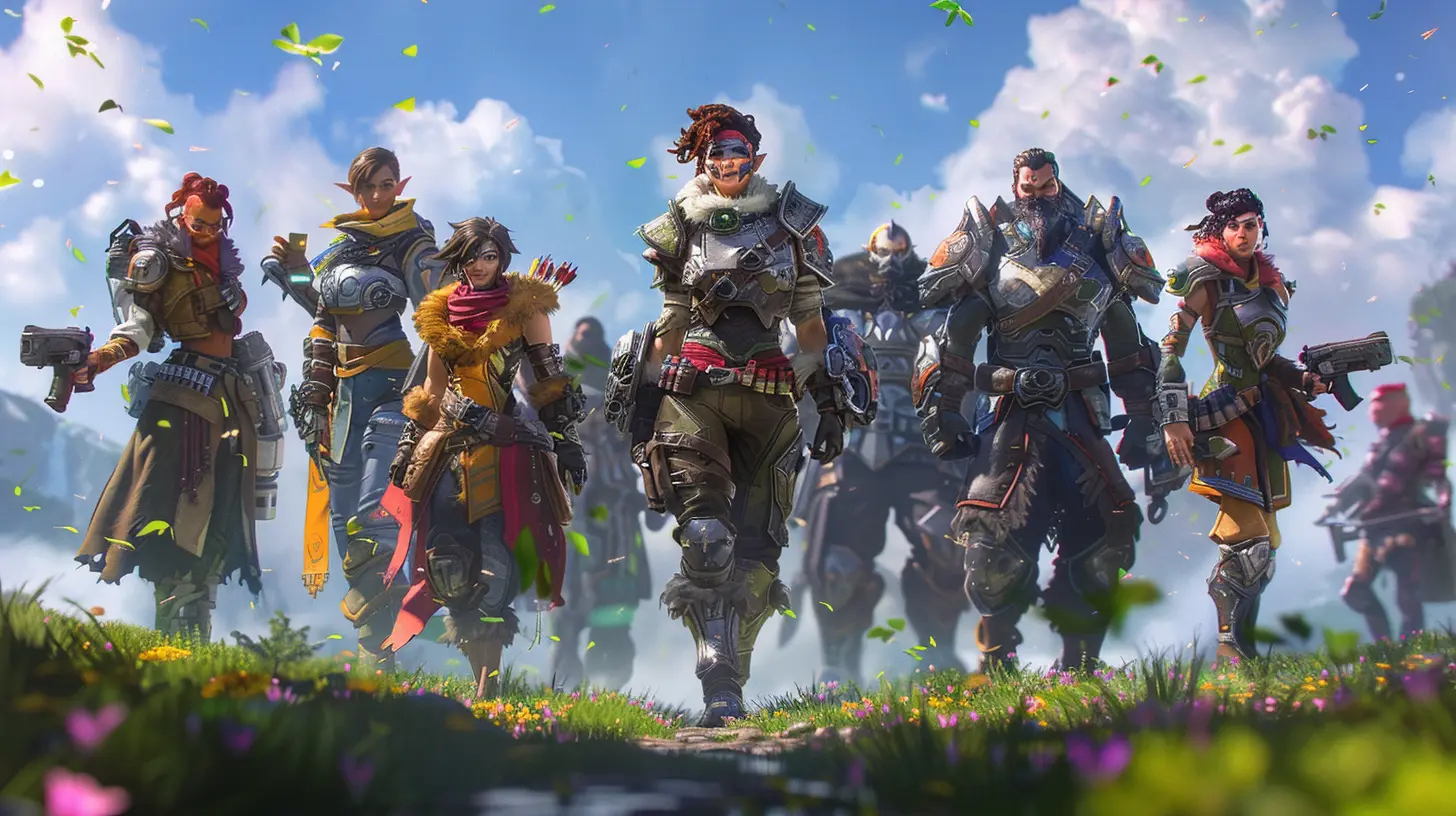
What’s A Season Theme Anyway?
Before we roll up our sleeves, let’s define what we’re talking about.A season theme is basically the central idea or vibe that shapes a battle pass for a particular season. Think "cyberpunk future", "ancient warriors", "space exploration", or even something offbeat like a "80s retro party". It’s the creative skin draped over the gameplay grind.
And it’s not just about cosmetics either. A great season theme can influence music, menus, map changes, weapon skins, events, storylines — everything.
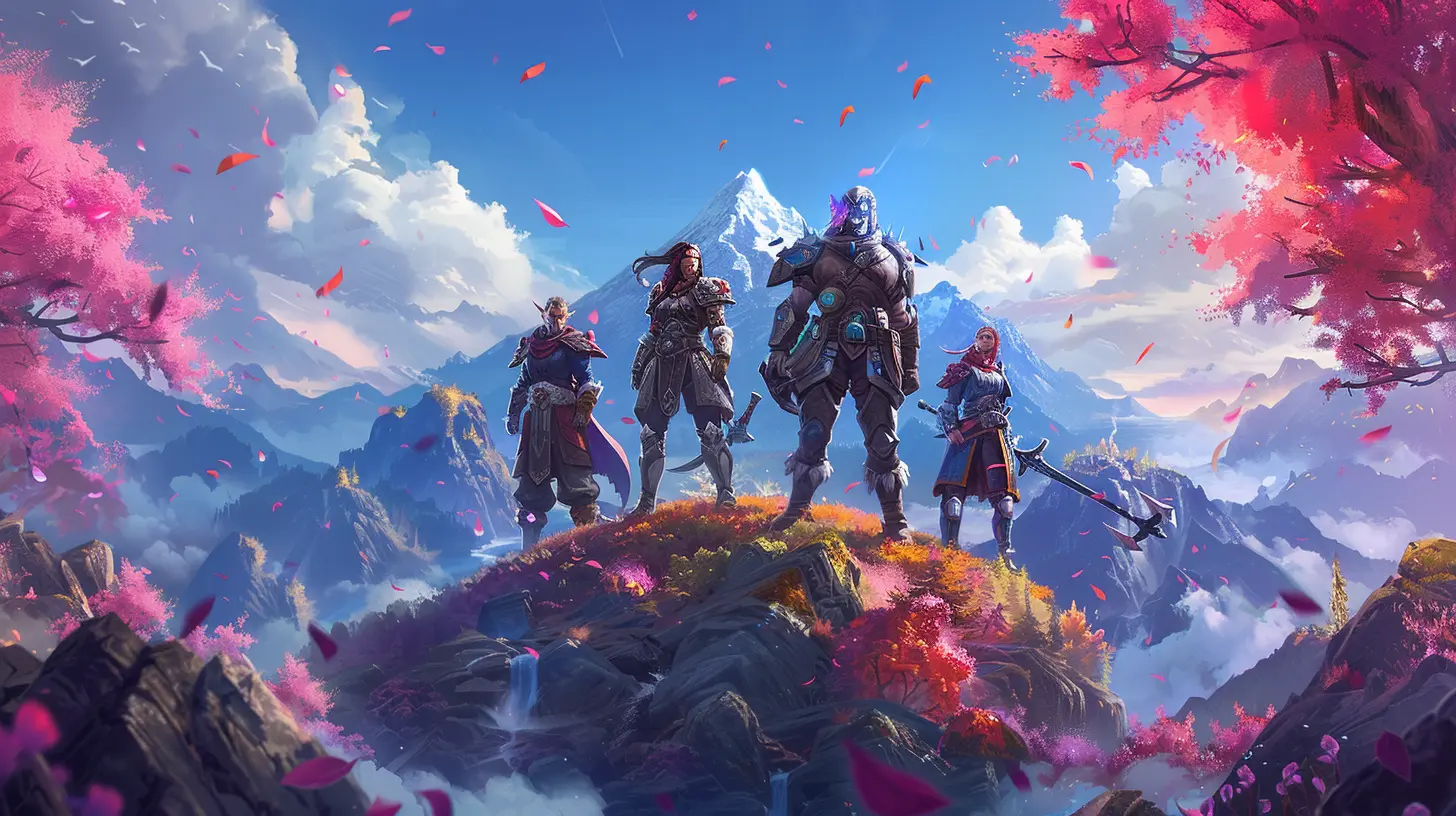
First Impressions Matter — Themes Set the Tone
Have you ever opened a new season of a game and thought, “Whoa, this looks completely different from last time!” That’s the power of a good theme.Themes grab attention. They make you curious. They change your expectations.
A well-crafted season theme is like the cover of a book or the trailer for a movie. It tells you what kind of vibe you're in for and sets the mood. When a player logs in and sees a total makeover — be it neon lights, spooky shadows, or a splash of summer fun — they immediately get pulled in. It's visual candy.
Not only that, but themes also reflect effort. When a dev team goes all-in on a season theme, players can see they’re not just tossing random skins in the battle pass — there’s a story. A purpose. A direction.
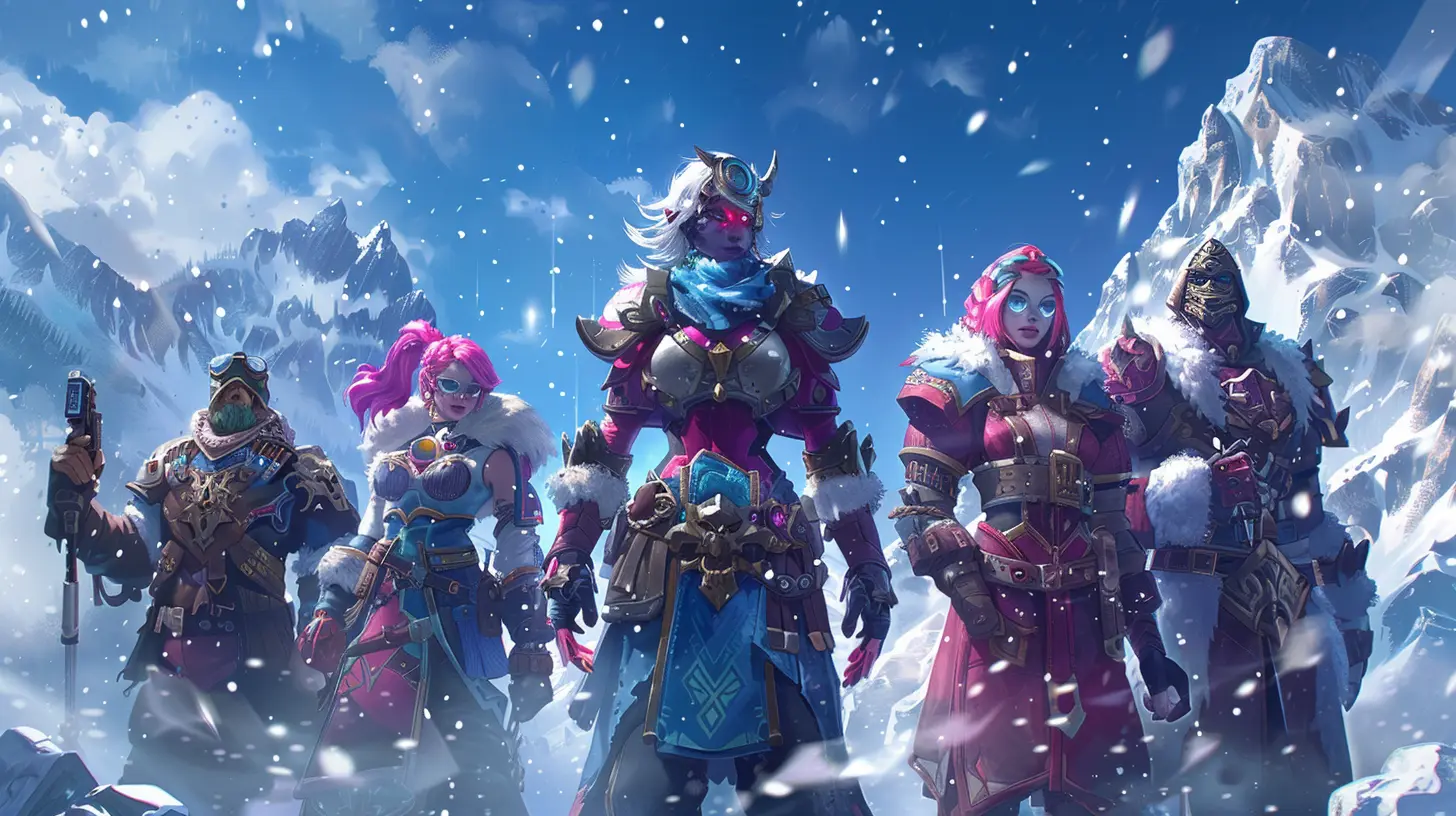
Themes Turn Progression Into Storytelling
Let’s face it: grinding through 100 tiers of a battle pass can feel like dragging a shopping cart through a desert without water. But season themes? They make the journey a lot more interesting.Instead of just unlocking generic rewards, players feel like they’re part of a narrative. For example, in Fortnite, a season might start with alien invasions. As you level up, you collect skins of alien hunters, UFO gliders, and animated sprays that expand this arc. Suddenly, it's not just XP — it's a storyline you're progressing through.
This approach plays into our basic human love of stories. We want to see what happens next. The battle pass becomes a chapter book instead of a checklist.
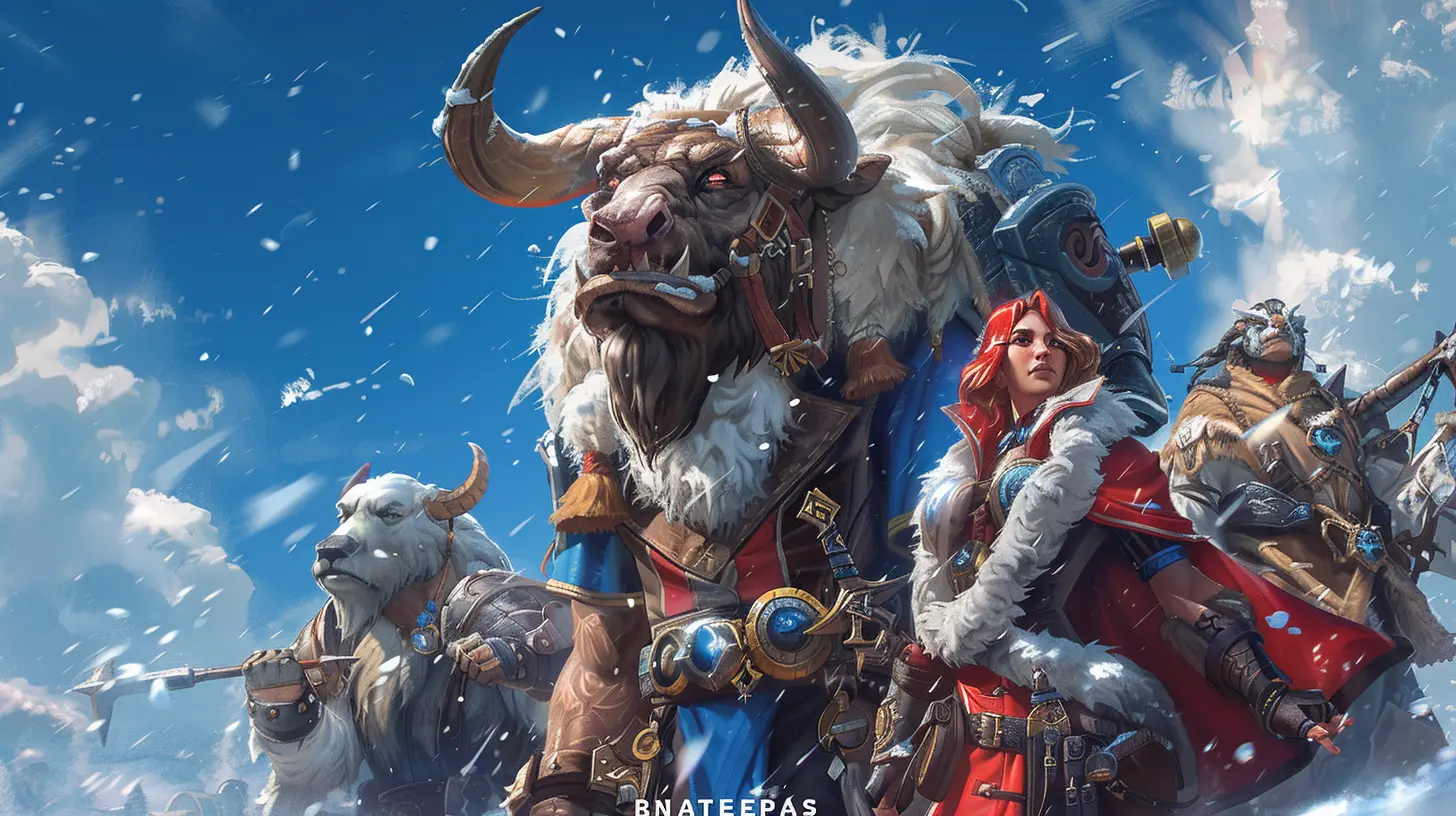
Emotional Attachment = Increased Engagement
Let’s get real — people play more when they care. And themes help players care.When a season theme resonates — whether through nostalgia, real-world events, or just slick design — players become attached. Maybe it’s a pirate theme that reminds someone of childhood adventures. Or a post-apocalyptic vibe that ties in with their favorite Netflix show.
This emotional pull leads to better retention. Players are more likely to log in daily, complete tasks, and — yep, you guessed it — spend money.
Themes make players feel like they’re part of something bigger. Not just grinding solo, but joining a unique, limited-time universe.
Cosmetics Hit Different With Thematic Consistency
Let’s talk skins for a second. Battle pass cosmetics are the juicy rewards we’re all chasing. But here’s something you might’ve noticed: themed items feel more satisfying to unlock.Why? Because they make sense together.
Imagine unlocking a cyber ninja skin, then getting a matching katana backpack, a glitchy dance emote, and a techno-glow trail. That’s an experience. That’s a vibe. It feels cohesive — like you’re crafting a specific character or fantasy.
Now picture a random skin, followed by a medieval sword, then a party hat glider. Feels jumbled, right? Thematic consistency is what ties it all together and makes the rewards more meaningful, more desirable.
And hey — let’s not forget fashion. Gamers love to flex. A cool, themed outfit screams, “Yeah, I was there for Season 12 — and I crushed it.”
FOMO Is Real — And Themes Fuel It
Fear of missing out isn’t just a social media thing — it’s a massive part of gaming psychology. And seasonal themes supercharge it.When you know a season theme is time-limited, it builds urgency. You want to unlock that cool lava demon skin before it’s gone forever. You want to grab that exclusive neon hoverboard because it screams this season’s identity.
This urgency increases playtime and even drives purchases. It’s like seasonal fashion drops in real life — you either get it now or miss out. The theme isn’t just a backdrop — it’s a motivator.
Community Hype Goes Through The Roof
One of the underrated effects of season themes? They get the community talking.Every time a new theme is teased or revealed, forums explode, subreddits buzz, and YouTubers publish breakdown videos. Players speculate what the theme means, how it’ll affect gameplay, and what surprises are lurking in the battle pass.
This builds organic marketing. Suddenly, people who weren’t even interested in the game are checking it out to see what the fuss is about. Word-of-mouth spreads fast when a theme catches fire.
And let’s be honest — half the fun of online games is sharing the experience with others. Themes create a shared language. Everyone’s in on the joke, the vibe, the aesthetic.
More Room for Creative Freedom
From a developer standpoint, themes offer a playground for wild creativity.Want to experiment with a 1950s alien invasion look? Or maybe a postmodern samurai tale? Season themes allow developers to stray from the core game aesthetic without disrupting long-term consistency. It’s like a side quest for artists and designers.
This creative freedom keeps dev teams energized and players excited. Every season becomes a surprise package, keeping things fresh and avoiding the dreaded “meh” factor.
Gameplay Evolution Rooted in Theme
Here’s another angle — themes aren’t just skin deep. They often influence gameplay.Take a fantasy-themed season. Maybe the map gets mythical ruins, magic-based weapons, or special powers. A spy-themed season might introduce gadgets or stealth mechanics.
When gameplay reflects the theme, it becomes more immersive. Players feel like their actions match the narrative. It stops feeling like the same old game with new paint, and starts feeling like a full-blown remix.
Everything clicks. And that? That’s the sweet spot.
Battle Pass Sales Boost Big Time
Now let’s talk business. Why do devs put so much effort into these themes? Because they move the needle — big time.Games that invest in strong seasonal themes consistently see higher battle pass purchases. It’s not rocket science — when something looks cool and tells a story, people are more willing to buy in.
Battle passes with random or boring themes? They flop.
And here’s the thing: most battle passes are structured in tiers. To get those top-tier ultra skins, players need to grind (or pay to skip). A compelling theme makes that grind feel worth it. It’s the carrot on the stick — and it works.
Keeps the Game Feeling New
Let’s be honest. Even the best games can get stale. But themes breathe new life into old mechanics.They make familiar maps feel different. They rekindle interest in weapons you’ve used a hundred times. They turn another season of dailies into something you actually look forward to.
Themes are like seasons of a TV show. It’s still the same characters, but each season brings new drama, new challenges, and new aesthetics. That change keeps the flame alive.
Wrapping It Up – It’s More Than Just a Skin Swap
So yeah, themes do a lot. They’re not just pretty packaging for battle passes — they’re glue that holds the entire seasonal experience together.A strong theme turns a battle pass into an adventure, a showcase, and a community event all in one. It adds identity, depth, and urgency — all of which elevate the game and keep people coming back for more.
If you’ve ever found yourself hooked on a battle pass without fully knowing why … well, now you do.
all images in this post were generated using AI tools
Category:
Battle PassesAuthor:

Madeleine McCaffrey
Discussion
rate this article
2 comments
Franklin Pruitt
Season themes spark excitement and keep us engaged—level up your gameplay experience!
March 31, 2026 at 3:06 AM
Madeleine McCaffrey
Absolutely! Season themes inject new life into gameplay, making every battle pass feel fresh and exciting. They truly enhance player engagement!
Remi Lamb
Season themes add freshness and excitement to battle passes, creating immersive experiences that engage players. By incorporating unique narratives, exclusive rewards, and vibrant visuals, developers enhance player motivation and retention, making each season feel special.
March 29, 2026 at 3:51 PM
Madeleine McCaffrey
Absolutely! Season themes really do transform battle passes into unique adventures. They keep players hooked with fresh narratives and exciting rewards, making each season a new experience.